This post contains affiliate links. As an Amazon Associate we earn from qualifying purchases, at no extra cost to you. Read our disclosure.
Safety first: Herbs can be powerful. If you are pregnant, nursing, take medication or have a health condition, check with your doctor or pharmacist first. Please read our herbal & garden safety notes before you start.
Key takeaways
- A raised bed on legs gives salad greens, herbs and short roots one roomy, well-insulated home, but it costs more up front and is hard to move.
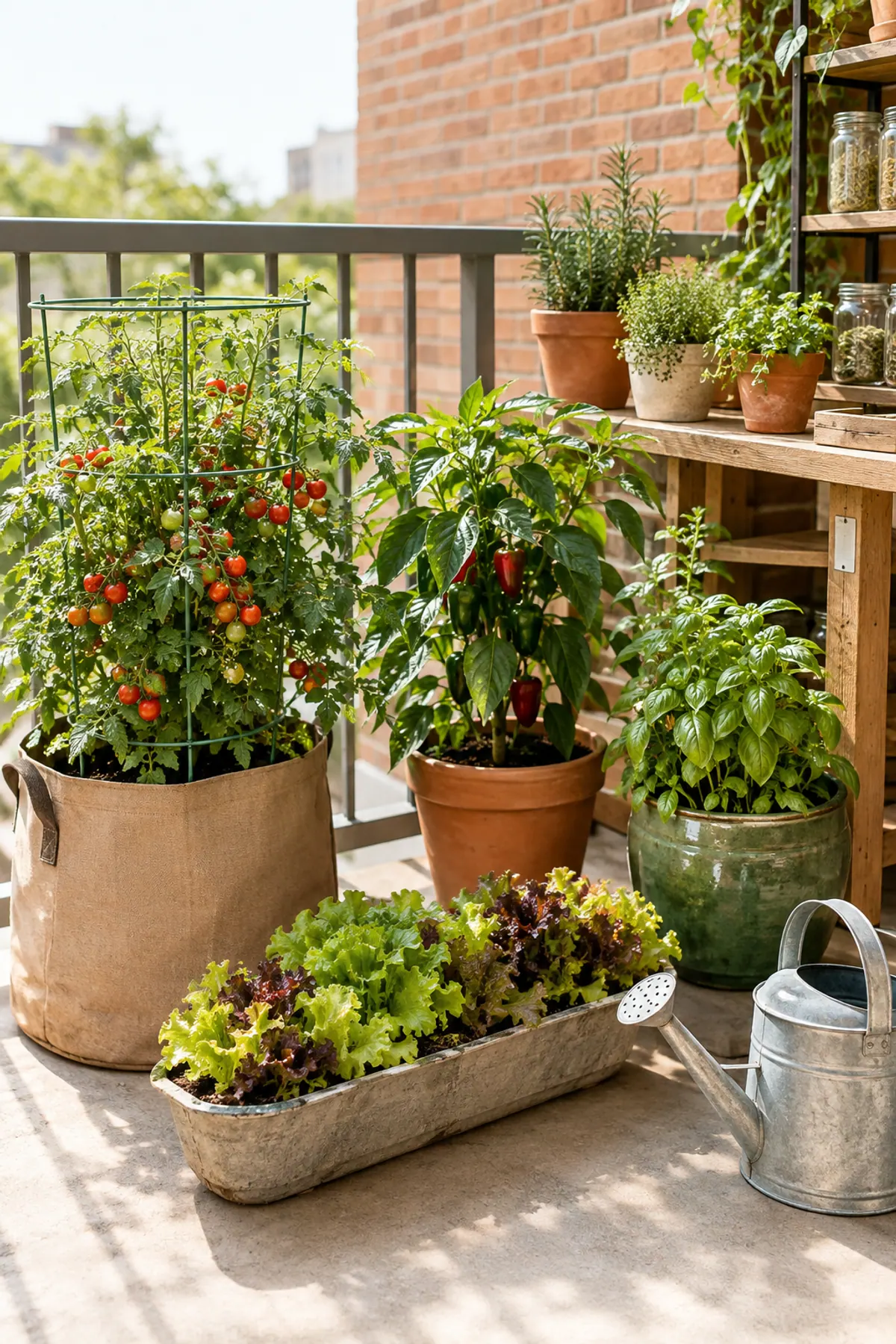
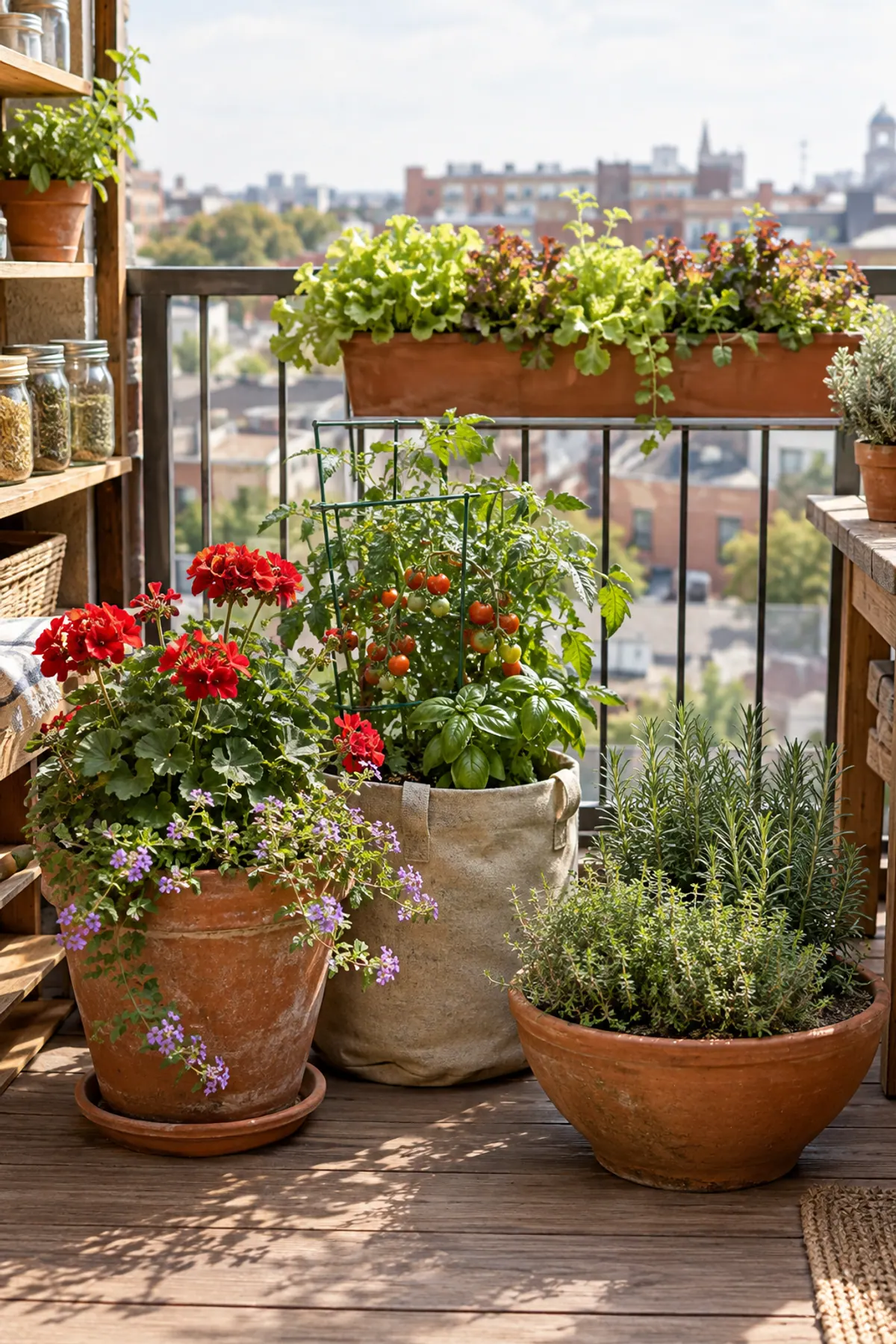
- Grow bags and pots are cheap to start, fold or carry when you move, and let tomatoes and peppers follow the sun.
- Containers dry out faster; Oregon State University Extension notes they may need water as often as twice a day in hot weather.
- On a balcony, ask your landlord or building manager about weight before filling any large planter with wet soil.
- Many renters do best with both: a small bed for greens and roots, plus grow bags for the big summer crops.
In this post10 sections
- Raised garden beds vs containers: the quick verdict
- Side by side: a bed on legs vs grow bags and pots
- The six-question decision table
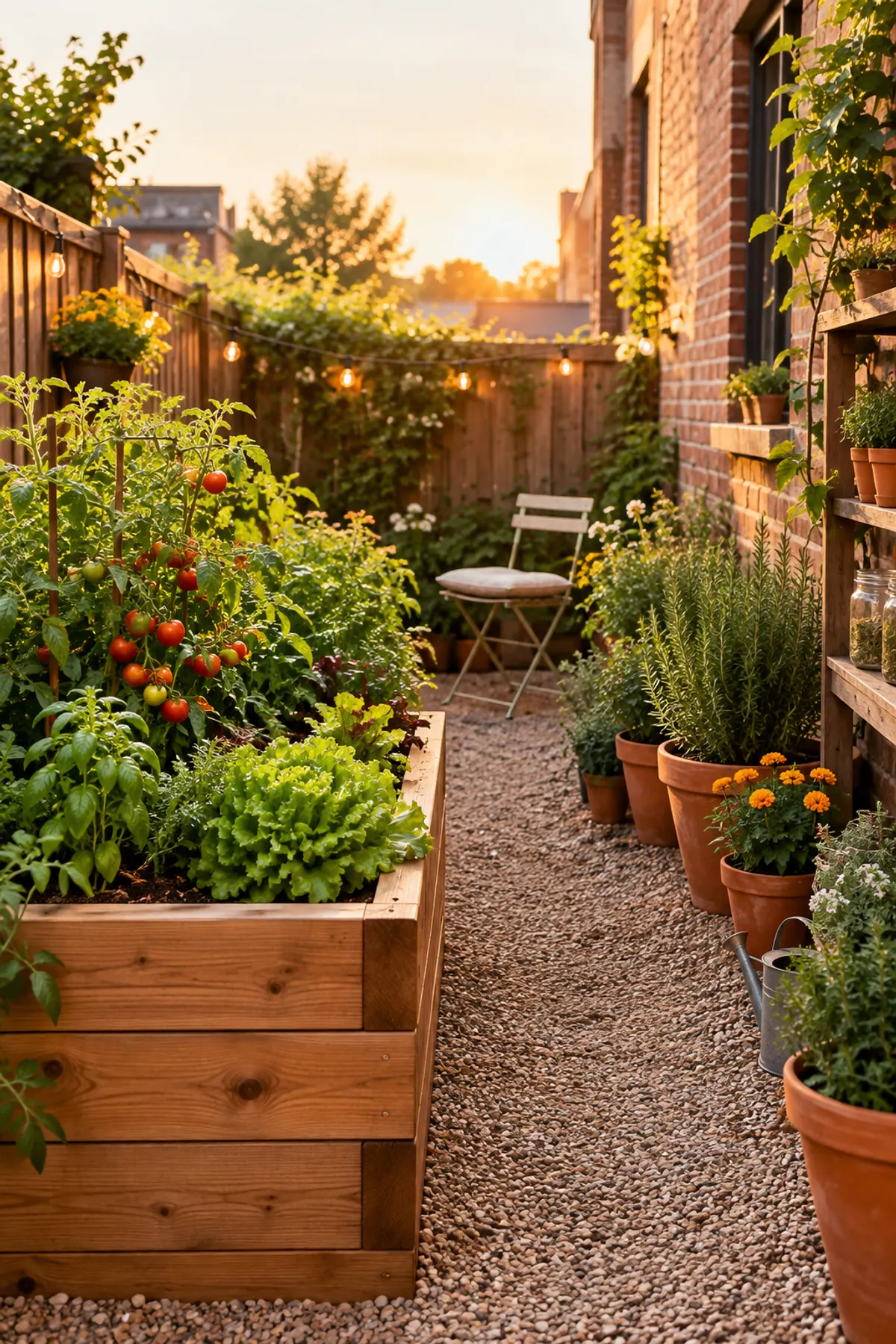
- Option 1: A 4 by 4 raised bed on legs
- Option 2: Grow bags and pots
- 3-season cost, roughly
- What grows better in each
- The honest answer: use both
- Raised bed and container supplies
- FAQ
Raised garden beds vs containers: the quick verdict
Pick a 4 by 4 raised bed on legs if the sun lands in one fixed spot for 6 or more hours, the surface is solid ground, a patio slab or a deck you know is sound, and you expect to stay at least two or three seasons.
Pick grow bags and pots if you might move within a year, you garden on an upper-floor balcony with an unknown load limit, or your sun shifts across the space through the day and the season.
Pick both if you want salad and herbs close at hand plus a couple of big tomato or pepper plants. That is the combination Oregon State University Extension suggests too, and we cover it below.
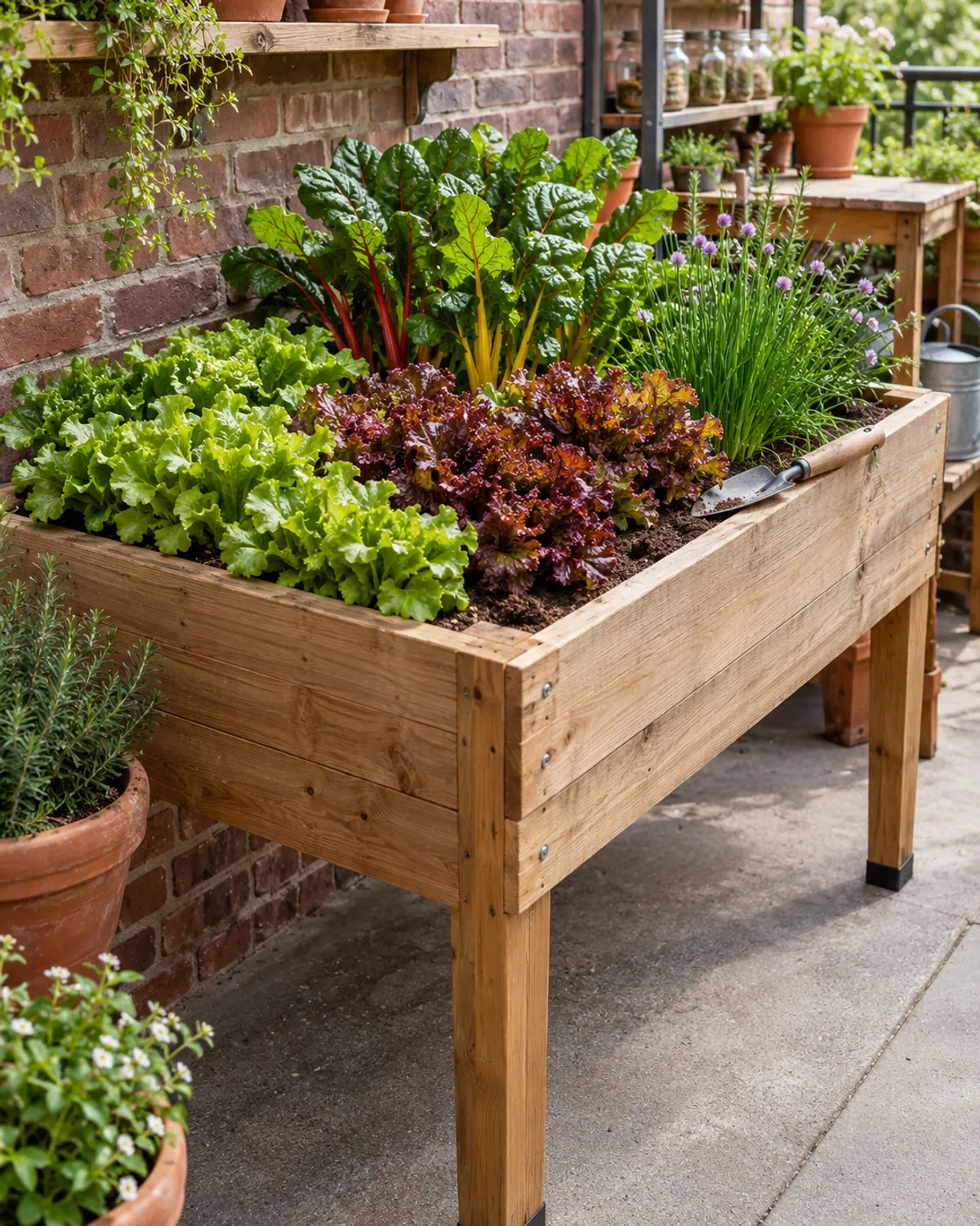
Side by side: a bed on legs vs grow bags and pots
Most of the rows below come from a short Oregon State University Extension guide, Five tips for choosing: containers or raised beds (Nicole Sanchez, 2020). We added the renter and balcony rows.
| Factor | Raised bed on legs | Grow bags and pots |
|---|---|---|
| Start-up cost | Higher, often $80 to $180 for the bed alone, plus soil | Low, a 5-pack of grow bags is typically $15 to $30 |
| Lifespan | Several seasons; top off soil each year as it settles | Fabric and plastic break down in sun and freeze-thaw, often a few seasons |
| Watering | Holds moisture longer; drip lines are easy to add | Dries fast; may need water up to twice a day in heat |
| Winter and cold snaps | More soil means more insulation for roots | Roots freeze more easily, but pots can be carried inside or under cover |
| Moving house | Heavy to empty, hard to move | Bags fold flat and pots stack once emptied |
| Chasing the sun | Fixed in place | Move each plant to where the light is |
| Best crops | Salad greens, herbs, short carrots, radishes, onions | Tomatoes, peppers, potatoes, herbs, one crop per pot |
| Weight on a balcony | One large concentrated load | Many smaller loads you can spread out or reduce |
The six-question decision table
Answer these six for your own space. If most answers land in one column, that is your pick; if they split, read the use both section.
| Question | Points to a bed on legs | Points to grow bags and pots |
|---|---|---|
| 1. Sun: where does it land? | One fixed spot gets 6+ hours all season | Sun moves across the space or only reaches the railing |
| 2. Surface: what is underneath? | Ground, patio slab or a deck you know is sound | Rented balcony, finished deck or a floor you must not stain |
| 3. Weight limit: do you know it? | Landlord or building manager has confirmed it | Unknown, or you cannot get an answer |
| 4. Lease length: how long will you stay? | Two or more years | One year or less, or not sure |
| 5. 3-season cost: what will you spend? | You can pay more now for fewer replacements | You want to start small and add pots later |
| 6. Crops: what do you most want to grow? | Mixed salad, herbs, short roots in one spot | Tomatoes, peppers or potatoes, one big plant per pot |
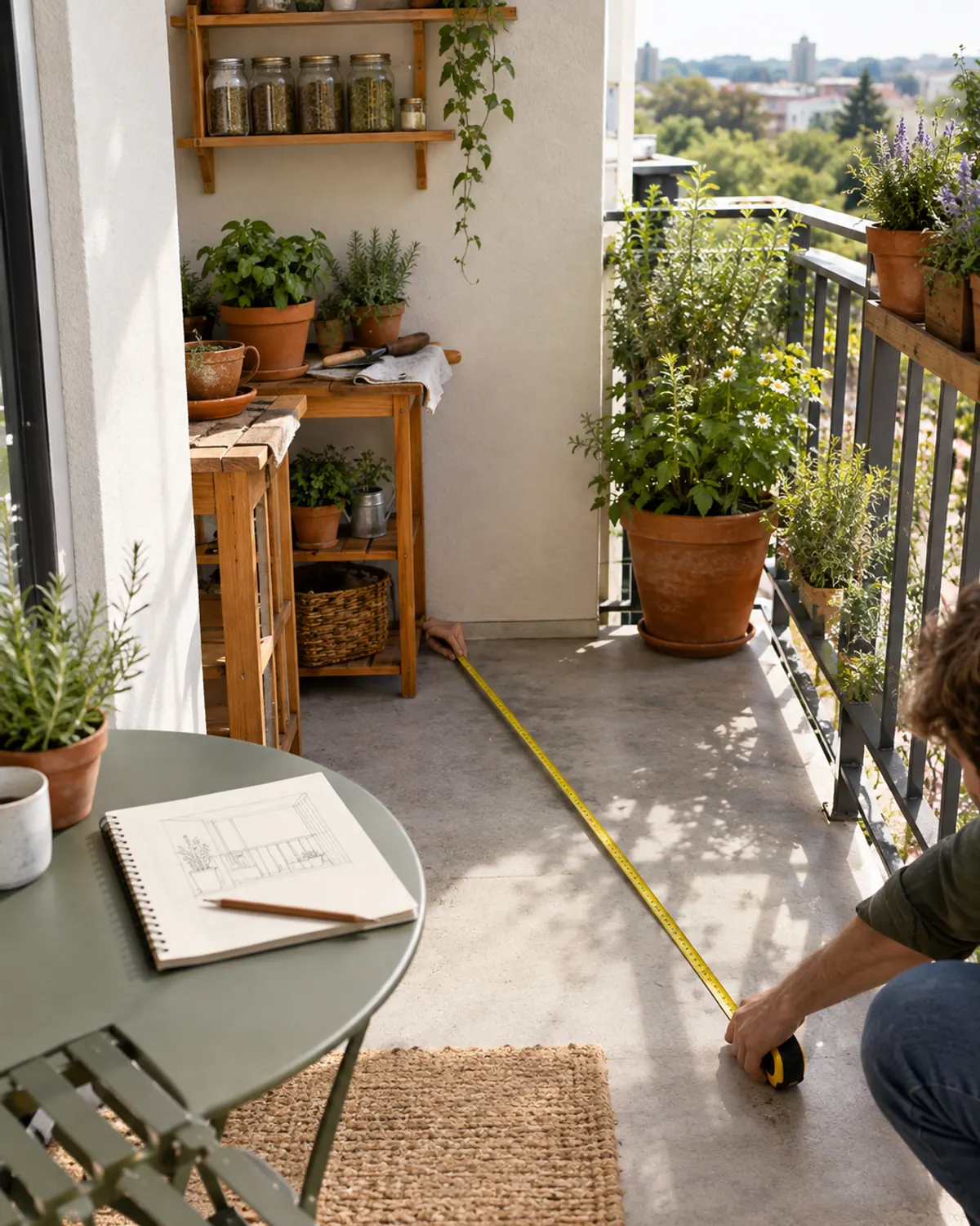
Sketching your space first makes every one of these answers easier. The free planner has a sun map you fill in hour by hour and a container size guide for each crop.
Option 1: A 4 by 4 raised bed on legs
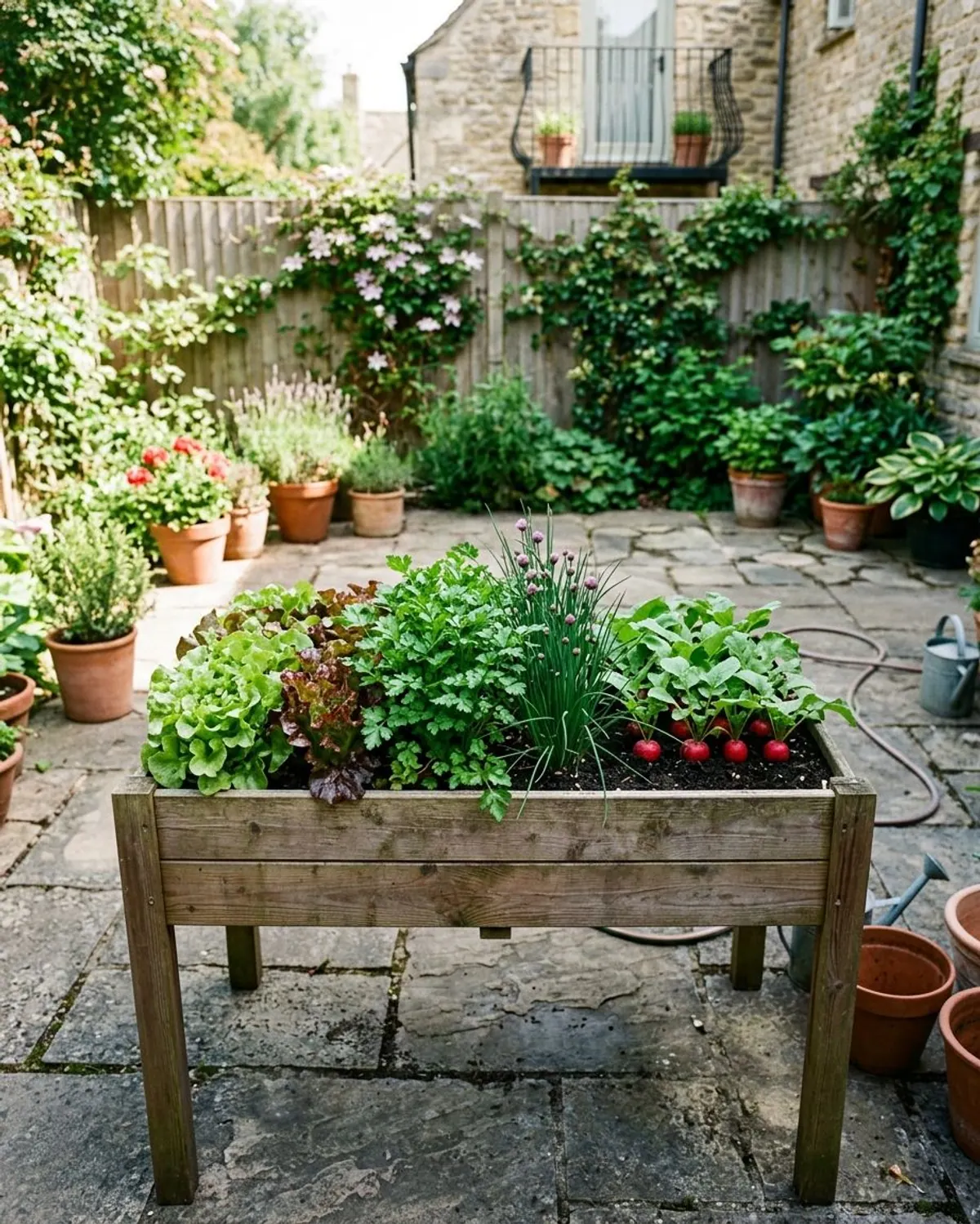
A raised bed on legs, sometimes sold as a planter box on legs, is a wooden or metal trough at waist height. Most are 8 to 12 inches deep, enough for greens, herbs, radishes and short carrots, and the height saves your back and keeps rabbits out.
The OSU guide notes that raised beds are a significant expense at the start but last longer than containers, and that the larger soil volume insulates roots better in cold snaps. Soil does settle, so plan to top it off each spring.
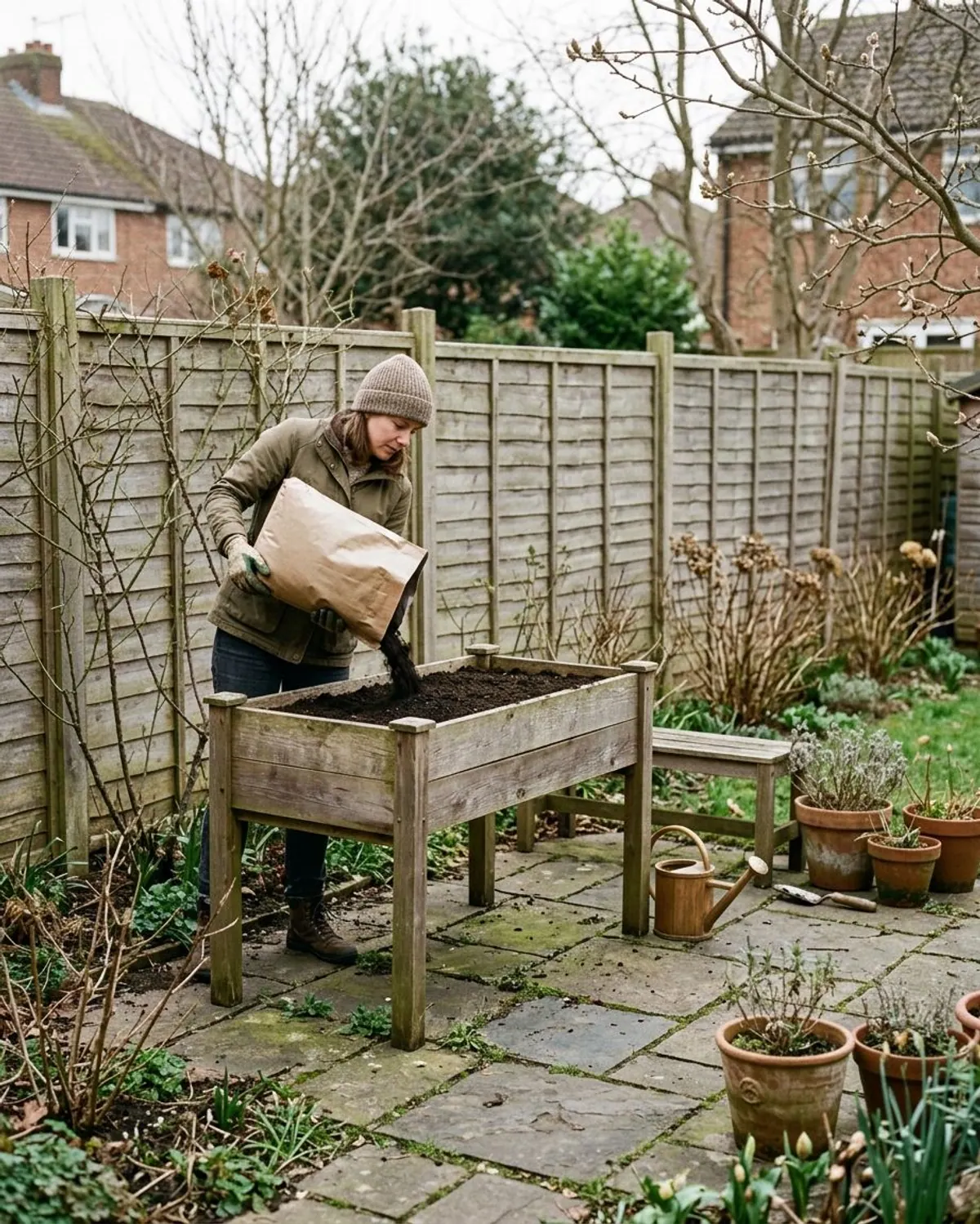
Raised bed on legs: pros
- One roomy bed for mixed salad, herbs and short roots
- Waist height, no kneeling, fewer pests at ground level
- Holds moisture longer than small pots
- More soil insulates roots in a cold snap
- Lasts several seasons with yearly topping off
Raised bed on legs: cons
- Higher start-up cost for the bed and the soil
- Heavy once filled, hard to move or empty
- Shallow troughs limit long carrots and potatoes
- One concentrated load on a balcony floor
- Drains from the bottom; may drip onto a neighbor below
Option 2: Grow bags and pots
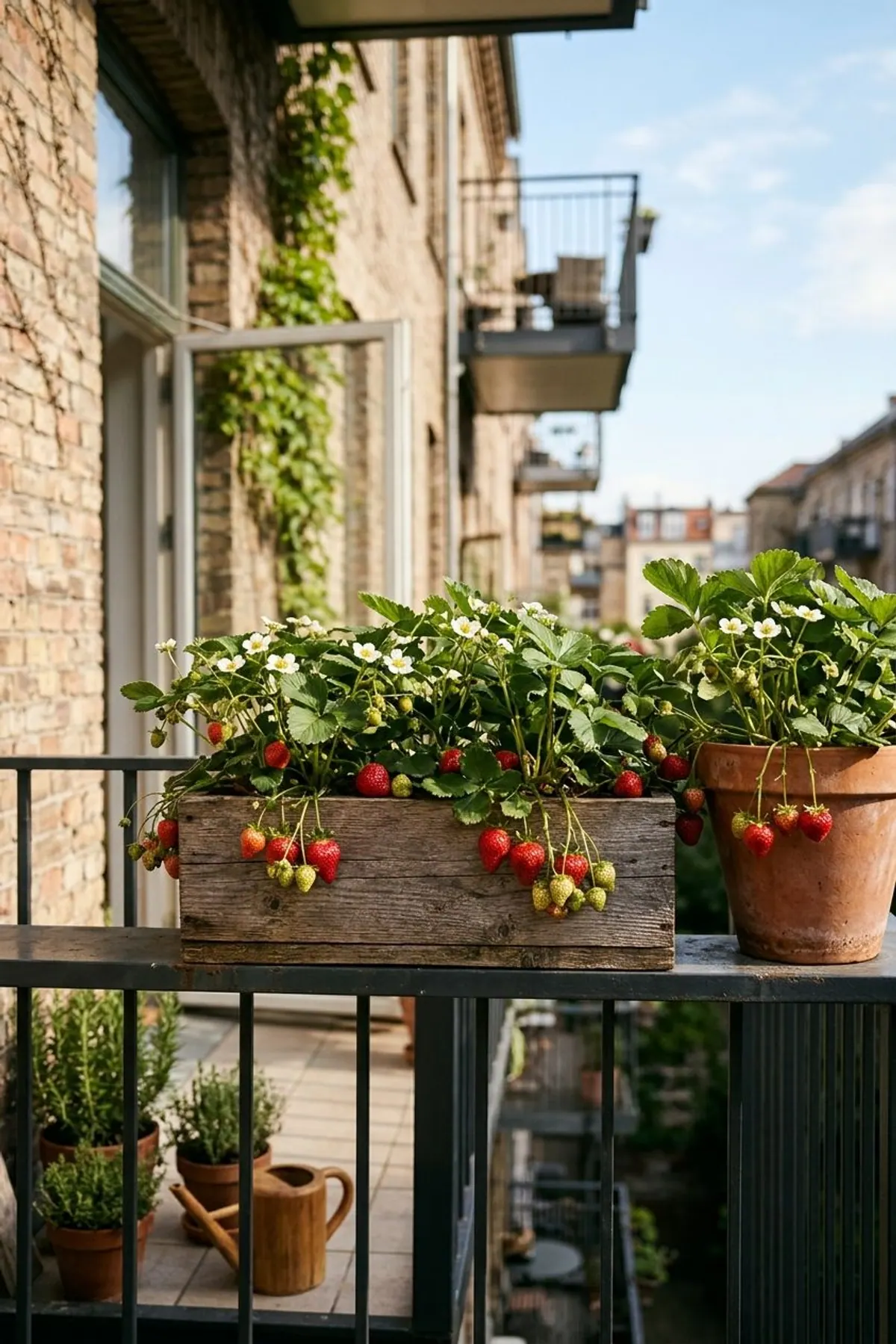
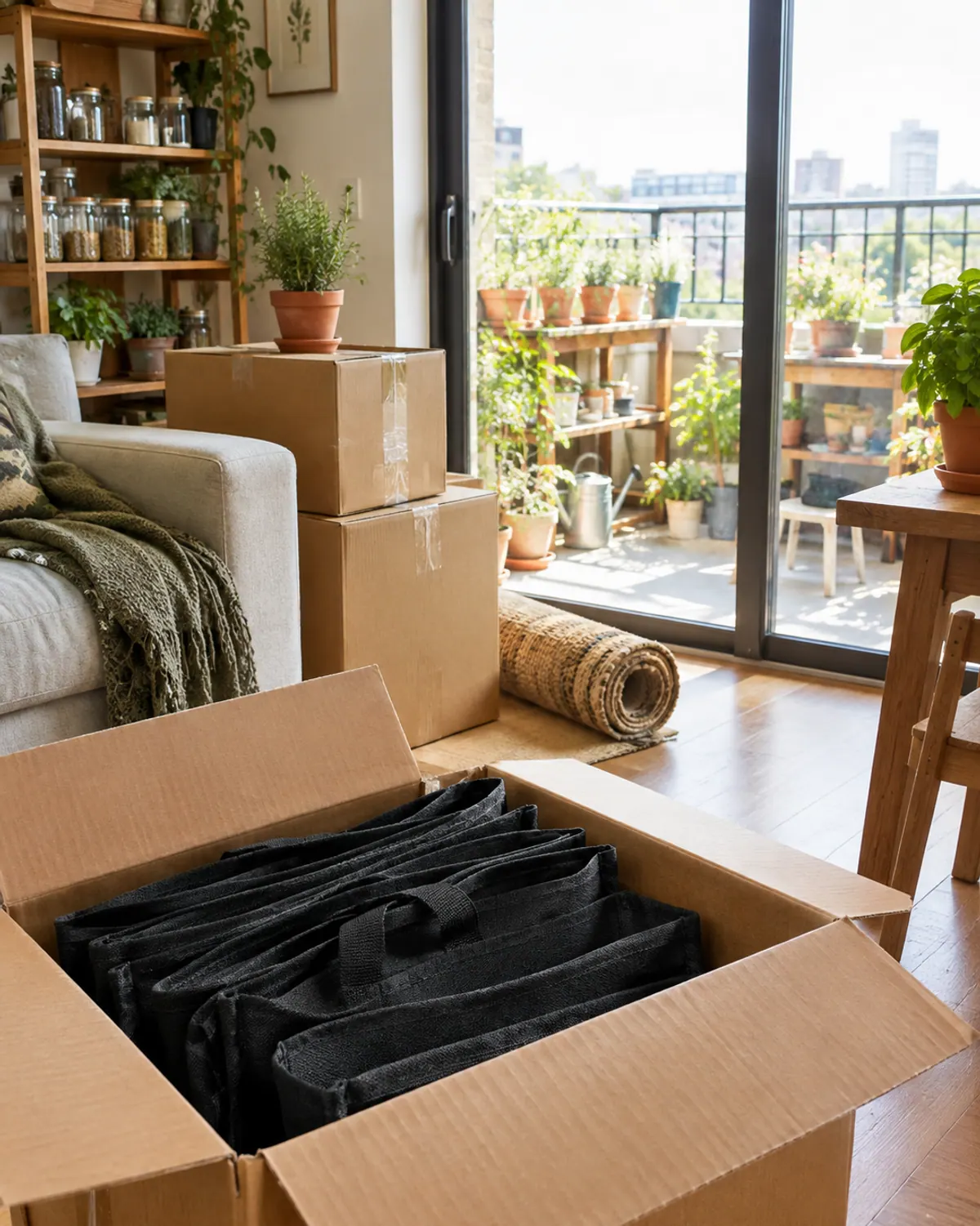
Containers are the default for renters for good reason. The OSU guide calls them a good fit for short-term living situations and first tries at gardening, and notes they are easier to move to shelter in winter.
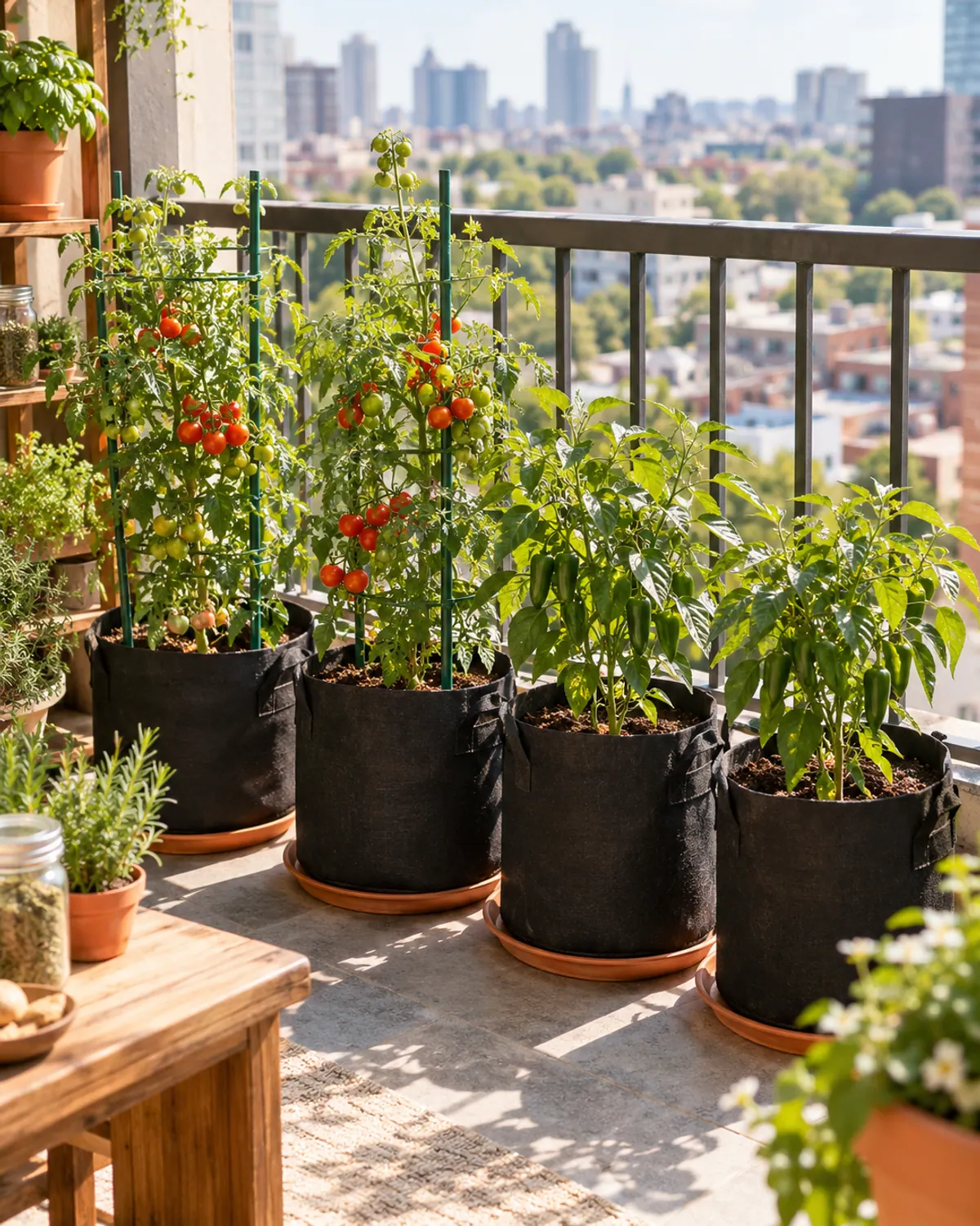
The trade-off is water. Small pots dry out fast in summer heat, and OSU notes container plants may need watering as often as twice a day. Bigger pots dry more slowly, so a 10 gallon bag for a tomato is easier to keep up with than a 3 gallon one.
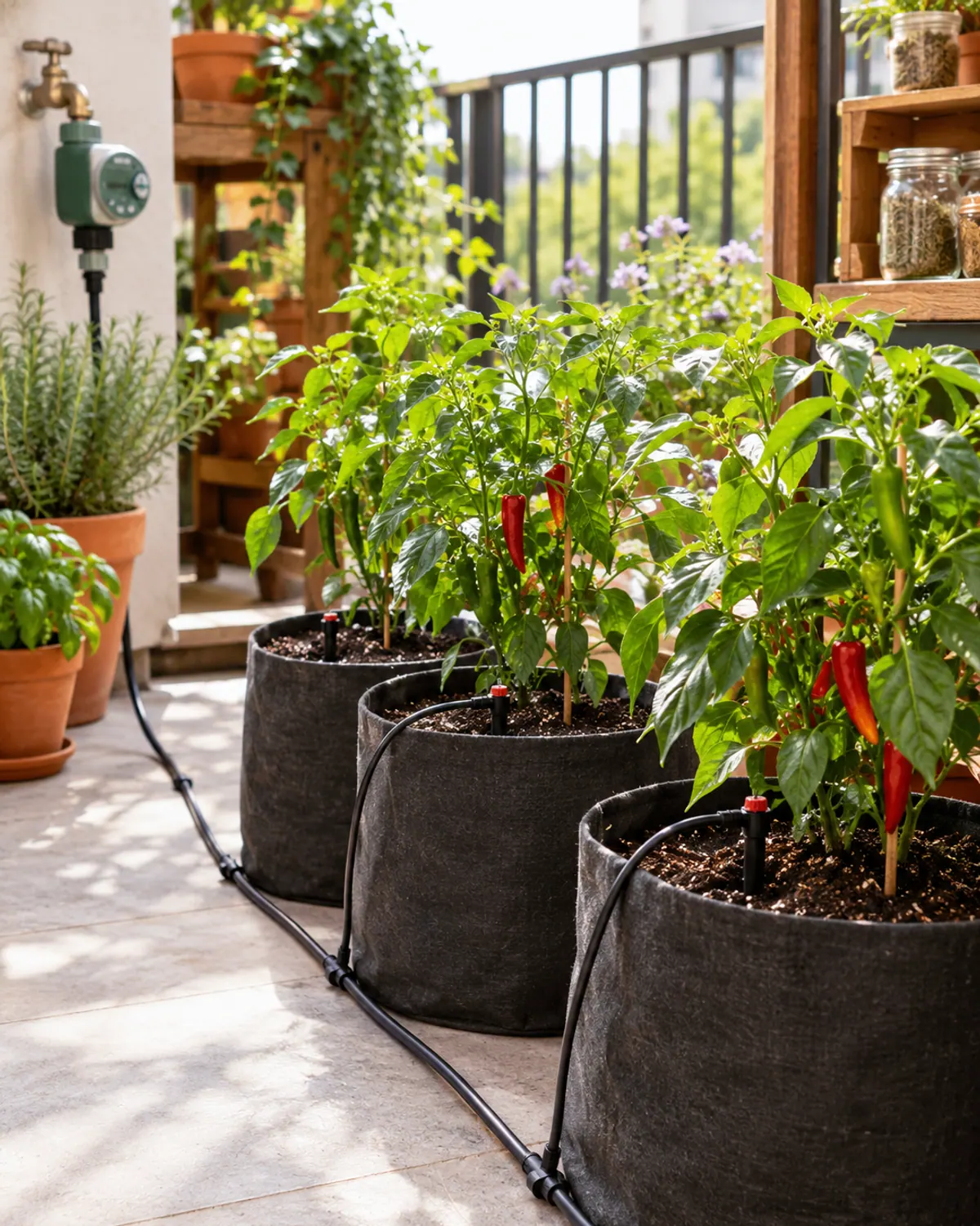
Containers also wear out. Fabric and thin plastic break down in sun and freeze-thaw, often in a few seasons. Heavy-duty five gallon buckets with holes drilled in the bottom are a cheap, long-lasting middle ground.
Grow bags and pots: pros
- Cheap to start and easy to add one at a time
- Move each plant to follow the sun
- Fold flat or stack when you move
- Deep bags suit tomatoes, peppers and potatoes
- Spread the weight in smaller loads
Grow bags and pots: cons
- Dry out fast; daily watering in summer heat
- Roots freeze more easily in cold snaps
- Bags and thin pots wear out in a few seasons
- Root crops like carrots do poorly in small pots
- Many pots means more saucers to empty
3-season cost, roughly
Here is rough math with typical prices for one 4 by 4 bed on legs versus five 10 gallon grow bags. Your prices will differ, but the shape of the comparison holds.
| 4 by 4 bed on legs | Five 10 gallon grow bags | |
|---|---|---|
| Container | $80 to $180 | $15 to $30 |
| Soil to fill | About 8 to 12 bags, roughly $65 to $180 | About 5 to 7 bags, roughly $40 to $105 |
| Seasons 2 and 3 | Top-off soil, roughly $15 to $60 | Fresh mix and maybe new bags, roughly $30 to $80 |
| Rough 3-season total | About $160 to $420 | About $85 to $215 |
| What you get | One mixed bed of about 16 square feet | Five single-crop homes you can move |
What grows better in each
OSU lists herbs, leafy greens and green onions among the easiest crops in containers, and root crops as poorly suited to them. A bed on legs is a good home for greens, herbs, radishes and short carrots grown together.
Tomatoes, peppers and potatoes want deep, individual homes. Give each one a 10 gallon or larger grow bag rather than crowding them into a shallow bed. For pot sizes by crop, see our container gardening for beginners guide.
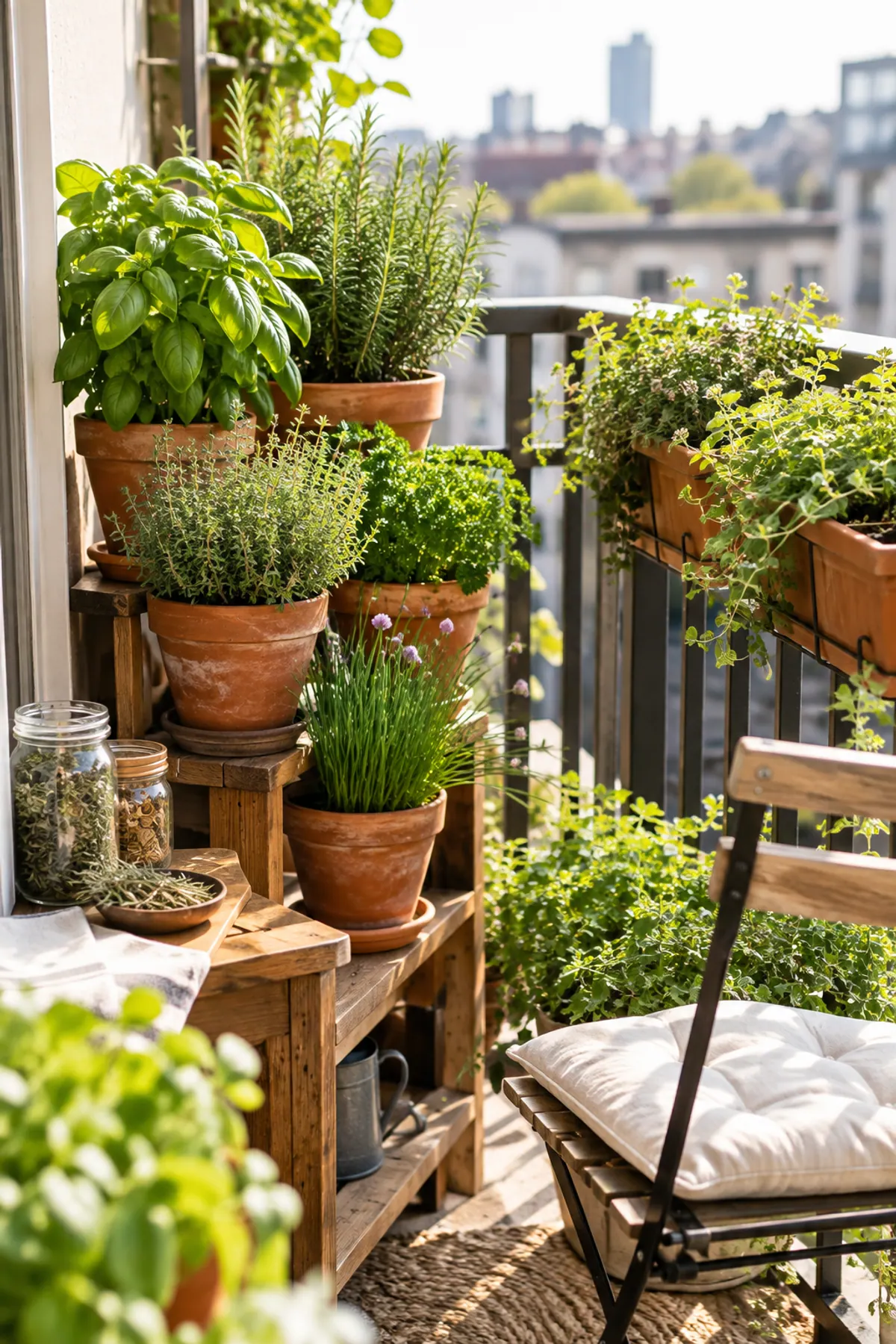
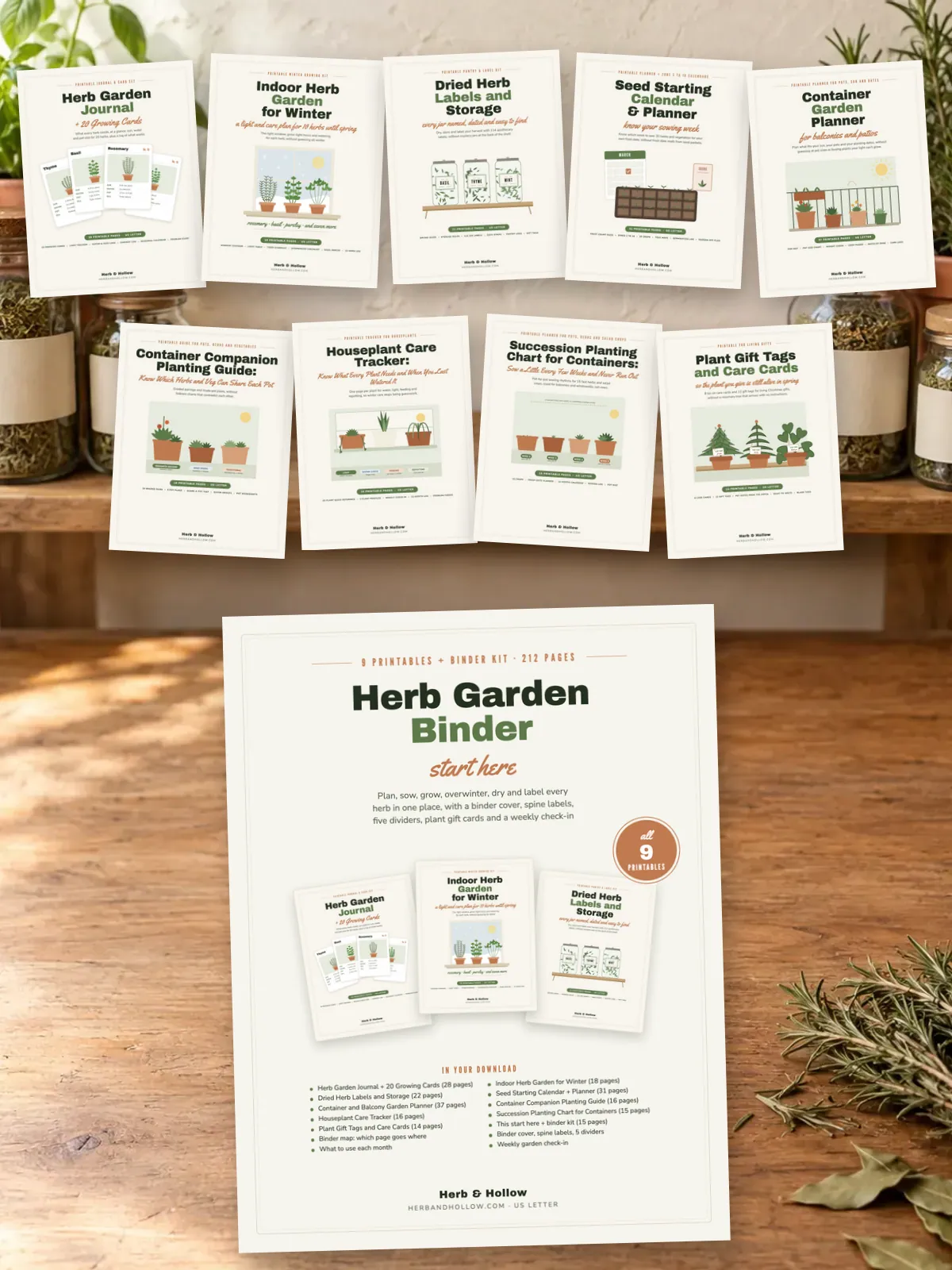
Whichever you choose, the herbs will probably end up in both. The Herb Garden Journal's 20 growing cards give the pot size, light and water for each herb, so you know which ones go in the bed and which get their own pot.
The honest answer: use both
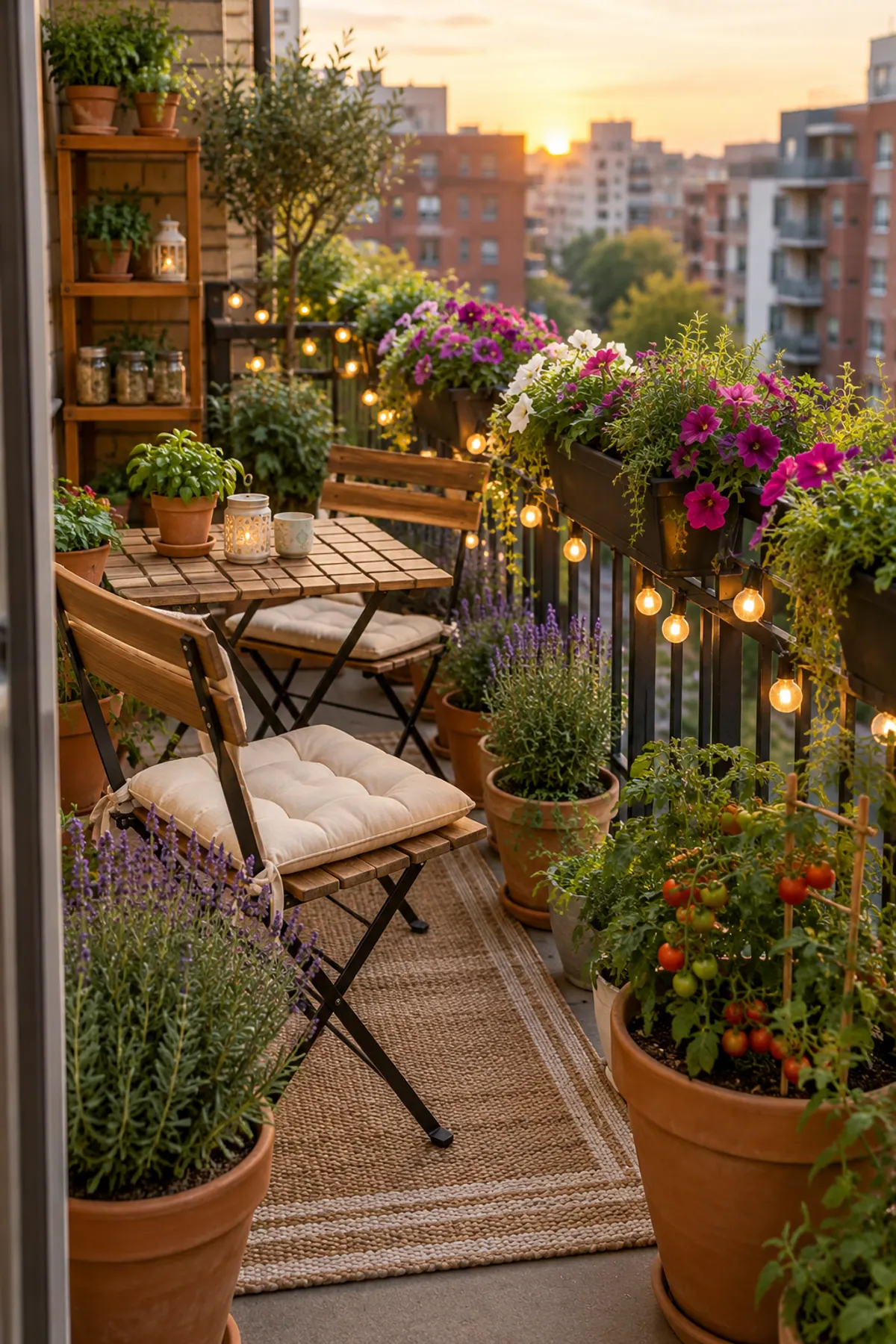
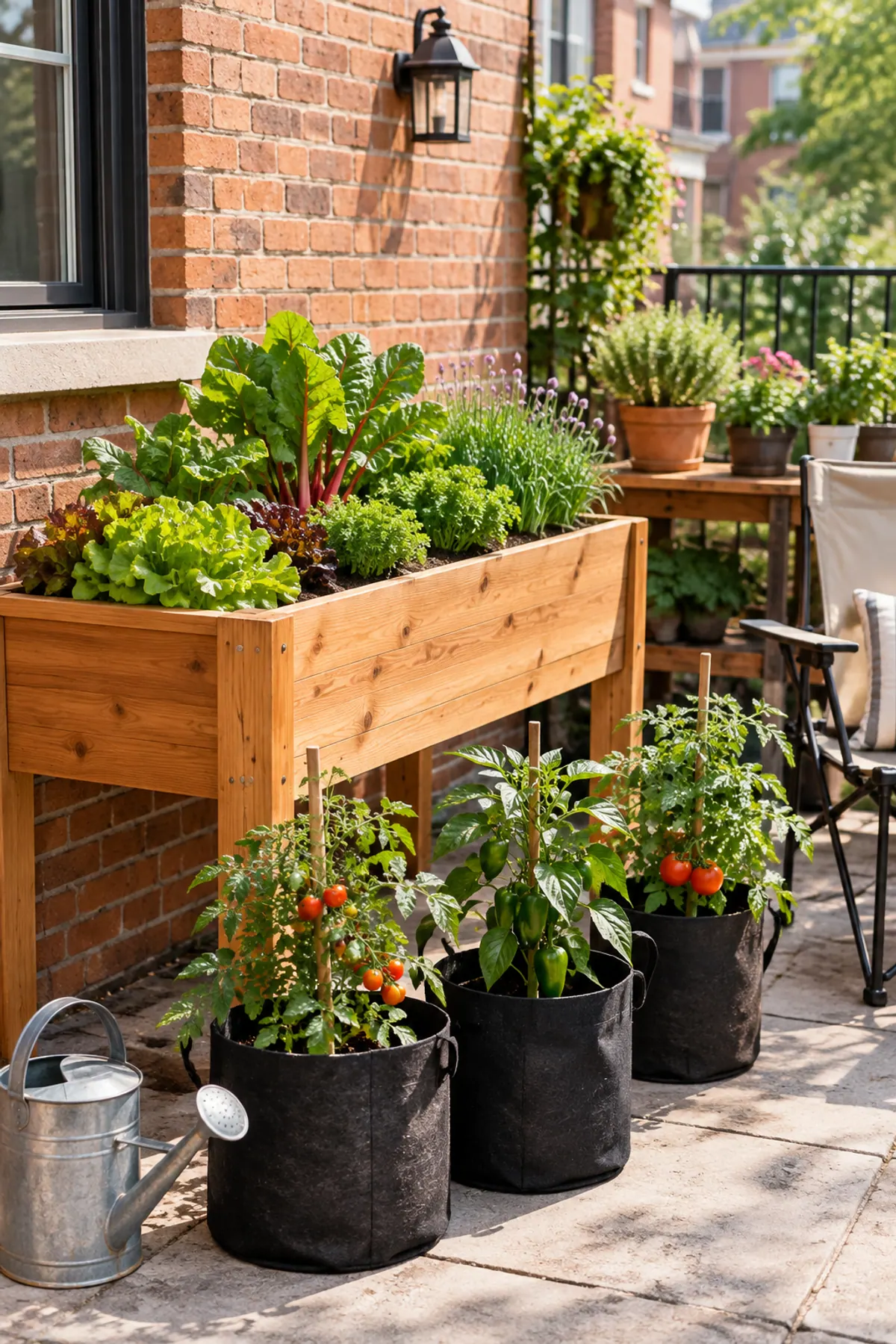
If you have the floor space and the go-ahead on weight, one small bed plus a few grow bags covers every crop. OSU describes this exact combination: tomatoes in wheeled containers that can move, and a covered raised bed for greens and carrots.
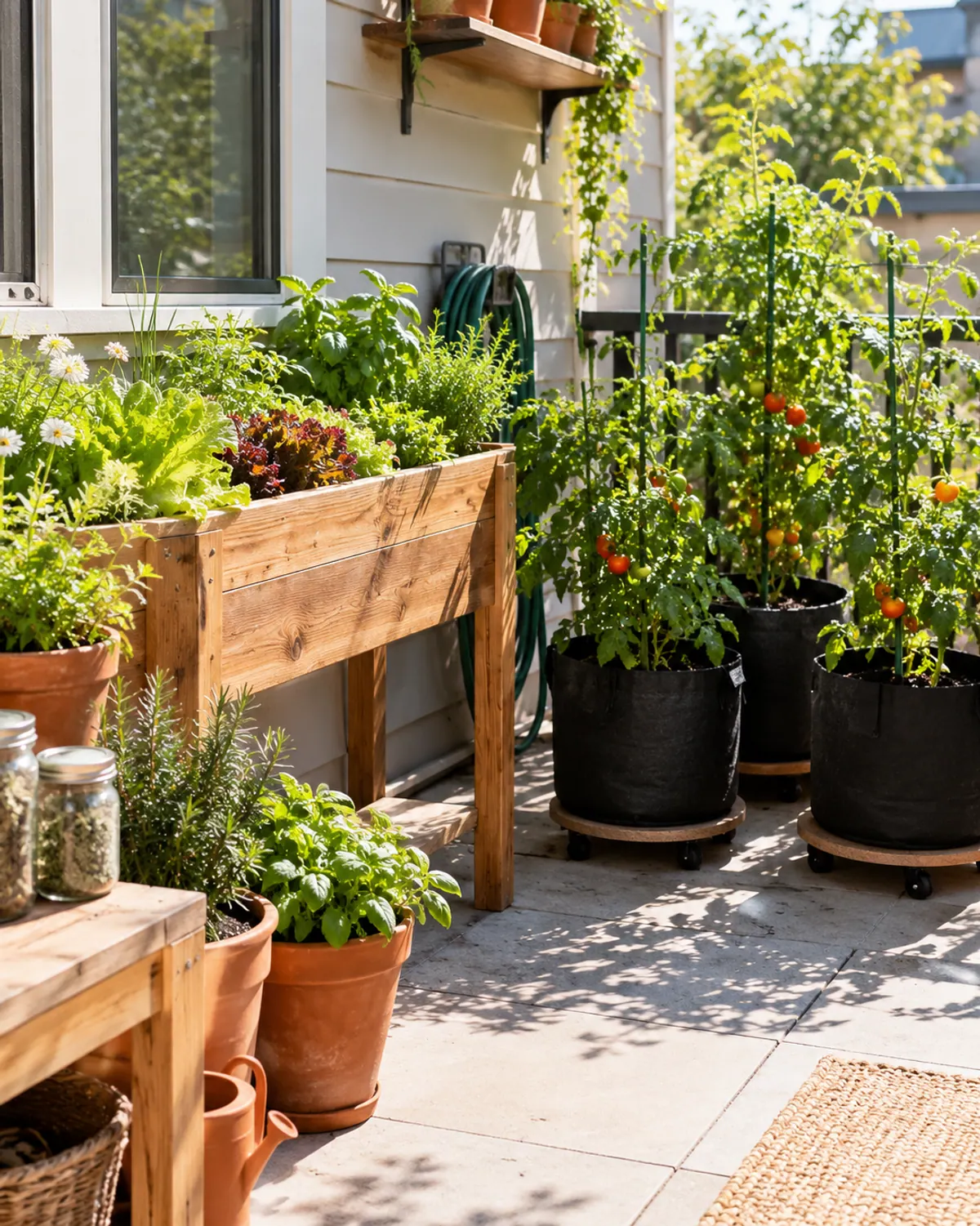
Start with the grow bags in year one. If you stay, add the bed in year two once you know where the sun really falls. For layout ideas that mix both, browse our small space garden ideas and herb garden layouts for small spaces.
Before you buy, renter edition
Raised bed and container supplies
Pick the column that fits your space
- For stayers
Raised garden bed on legs
Typically $80 to $180
Waist-height bed for greens and herbs on a patio or sturdy deck.
Check price on Amazon for Raised garden bed on legs - For renters
Fabric grow bags, 10 gallon, 5-pack
Typically $15 to $30
Cheap, breathable homes for tomatoes and peppers that fold flat to move.
Check price on Amazon for Fabric grow bags, 10 gallon, 5-pack -
Large plastic planters with drainage
Typically $15 to $40
Lighter than ceramic and longer lasting than thin pots.
Check price on Amazon for Large plastic planters with drainage -
Raised bed soil mix
Typically $8 to $15 per bag
Fills a new bed and tops it off each spring.
Check price on Amazon for Raised bed soil mix -
Container drip irrigation kit
Typically $20 to $40
Cuts the twice-a-day watering in summer for beds and pots alike.
Check price on Amazon for Container drip irrigation kit -
Rolling plant caddy
Typically $15 to $30
Puts a heavy tomato pot on wheels so it can follow the sun.
Check price on Amazon for Rolling plant caddy
We earn from qualifying purchases, which never changes what we recommend. Read our disclosure and editorial guidelines.
Frequently asked questions
Is a raised bed better than containers for vegetables?
For mixed greens, herbs and short root crops, a raised bed is usually easier because it holds more soil and moisture. For tomatoes, peppers and potatoes, a large individual container works just as well and can move to the sun.
Can I put a raised bed on legs on a balcony?
Only after you know the balcony can take the weight. A filled bed is one heavy load, so ask your landlord or building manager first, keep it near the wall, and set a tray underneath for drips.
How long do grow bags last?
Usually a few seasons. Sun and freeze-thaw cycles break down fabric and thin plastic over time; storing empty bags dry and out of the sun in winter helps them last longer.
Do containers need more water than raised beds?
Yes. Smaller soil volumes dry out faster, and Oregon State University Extension notes container plants may need water as often as twice a day in hot weather. Bigger pots and a drip kit help.
What is the cheapest way to start a small vegetable garden?
A few 10 gallon grow bags or heavy-duty five gallon buckets with drainage holes, filled with potting mix. You can add a raised bed later if you stay.
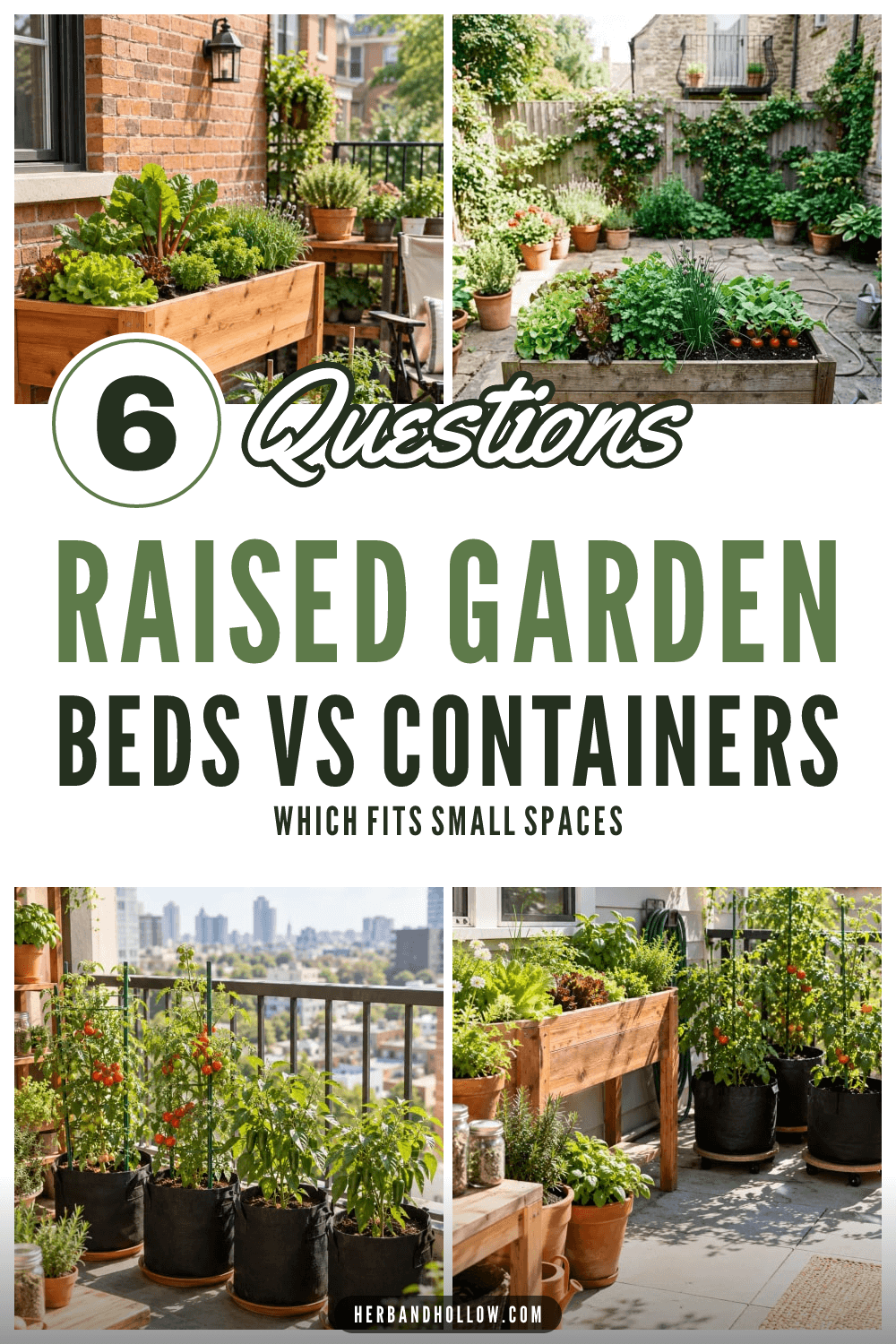
Save it for later
Pin this to your Container Gardening board so it's there when you need it.
Save to Pinterest