This post contains affiliate links. As an Amazon Associate we earn from qualifying purchases, at no extra cost to you. Read our disclosure.
Safety first: Herbs can be powerful. If you are pregnant, nursing, take medication or have a health condition, check with your doctor or pharmacist first. Please read our herbal & garden safety notes before you start.
Key takeaways
- Short answer: stone, slate and fired clay should outlast wood outdoors; craft sticks and spoons are fast but short-lived
- Honest note: we found no extension test that compares marker materials, so the life ratings are our expectation, not a measurement
- Test it: make one of each in spring, leave them out, and check them in autumn
- Edible beds: we found no guidance on painted markers beside food plants, so we make no safety claim; keep paint away from the part you eat
In this post22 sections
- Which DIY plant markers last outdoors?
- What to write with, and the one-season test
- Fast markers: ready in 15 minutes or less
- 1. Craft sticks with a paint pen
- 2. Clothespins on pot rims
- 3. Packing-tape tags on stakes
- 4. Seed packet on a stake under a jar
- 5. Mini blind slat stakes
- Under an hour: wood, cork and stone
- 6. Wooden spoons
- 7. Wine cork and skewer stakes
- 8. Cedar shims
- 9. Painted stones
- Weekend builds that should last the longest
- 10. Slate roof tile
- 11. Terracotta pot shards
- 12. Air-dry clay tags
- Make it a gift set
- Your next step: name the jar after you name the plant
- Supplies for DIY plant markers
- Sources
- FAQ
Which DIY plant markers last outdoors?
Plant markers fail in three ways: the writing fades in the sun, the material rots or warps in wet soil, and the marker gets lost under the leaves. Hard, non-porous materials like stone, slate and fired clay should last longest. Wood in damp soil is the first to go, and air-dry clay softens in rain unless you seal it.
The table rates all 12 ideas. Costs are tiers (free, low, medium) because we have not checked store prices. Times are our estimates for one set of 6 markers. Outdoor life is our expectation from the material, since no extension source we found compares them.
| Marker | Cost tier | Time for 6 | Our expected outdoor life |
|---|---|---|---|
| 1. Craft sticks | Low | 10 min | One season, less in wet beds |
| 2. Clothespins on pot rims | Free to low | 5 min | Indoor pots: years. Outdoors: a season |
| 3. Packing-tape tags on stakes | Low | 15 min | A season or two |
| 4. Seed packet under a jar | Low | 5 min | Until the seedlings are up |
| 5. Mini blind slats | Free | 10 min | A season or more; plastic can go brittle in sun |
| 6. Wooden spoons | Low | 25 min | One to two seasons |
| 7. Wine cork stakes | Free to low | 20 min | One season |
| 8. Cedar shims | Low | 30 min | One to two seasons |
| 9. Painted stones | Free to low | 40 min plus dry time | Several seasons; paint may need a recoat |
| 10. Slate roof tile | Low to medium | 30 min plus dry time | Several seasons |
| 11. Terracotta pot shards | Free | 25 min plus dry time | Several seasons |
| 12. Air-dry clay tags | Low | 45 min plus 24 hours dry | Poor unless sealed |
What to write with, and the one-season test
Gardener forums report that regular permanent marker can fade within a year or two in full sun, and that writing on the side facing the soil or in shade lasts longer. These are informal reports, not extension tests, so treat them as a reason to test, not as a fact. Paint pens and pencil are the other common choices.
The one-season marker test
If you keep a garden notebook, our garden journal ideas show where to log results like this.
Fast markers: ready in 15 minutes or less
1Craft sticks with a paint pen
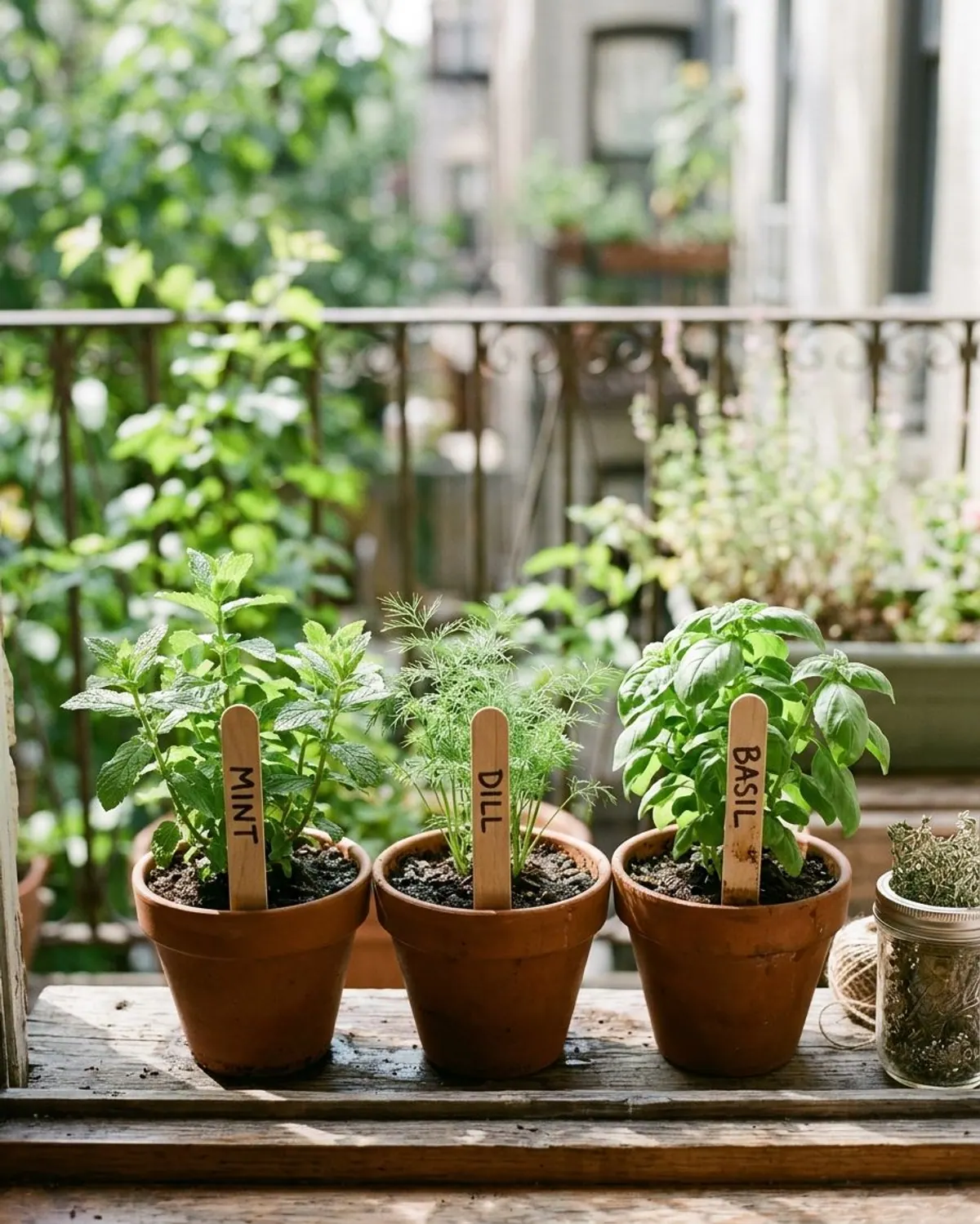
The quickest marker there is. Write the herb name on a craft stick with a paint pen, let it dry, and push it into the pot. Craft sticks are thin, so write large and keep names short, such as "Basil" and "Thyme".
Cost: Low
Time: 10 minutes for 6
Outdoor life (our expectation, untested): One season in a pot, less in a wet bed
- Write the name on both sides so you can read it from any angle.
The fastest marker.
2Clothespins on pot rims
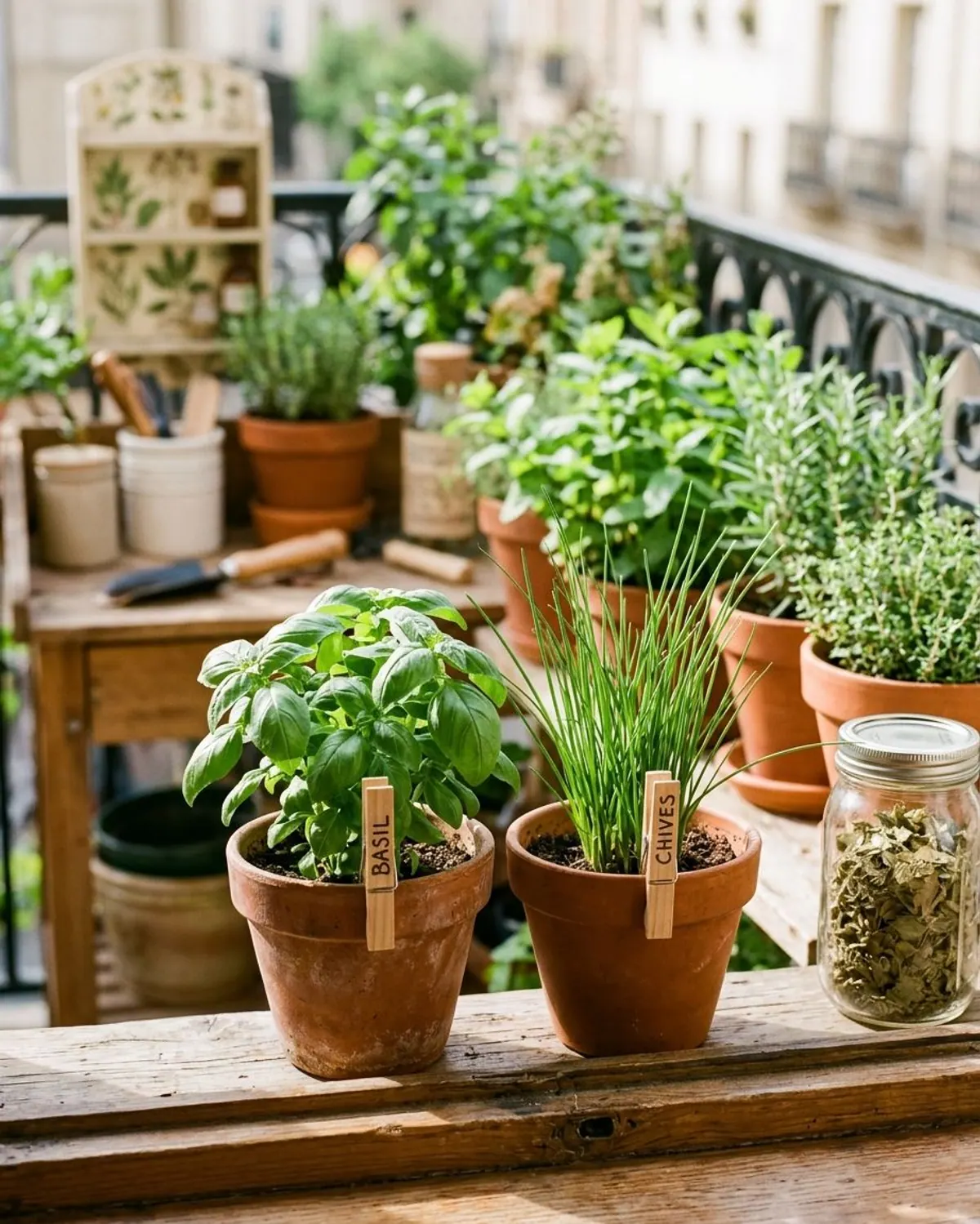
For indoor pots this keeps soil clear. Clip a clothespin to the pot rim and write on its flat side. It can be moved when you repot.
Cost: Free to low
Time: 5 minutes for 6
Outdoor life (our expectation, untested): Indoors: years. Outdoors: about a season
- Use a pencil on raw wood; it will not smudge easily.
3Packing-tape tags on stakes
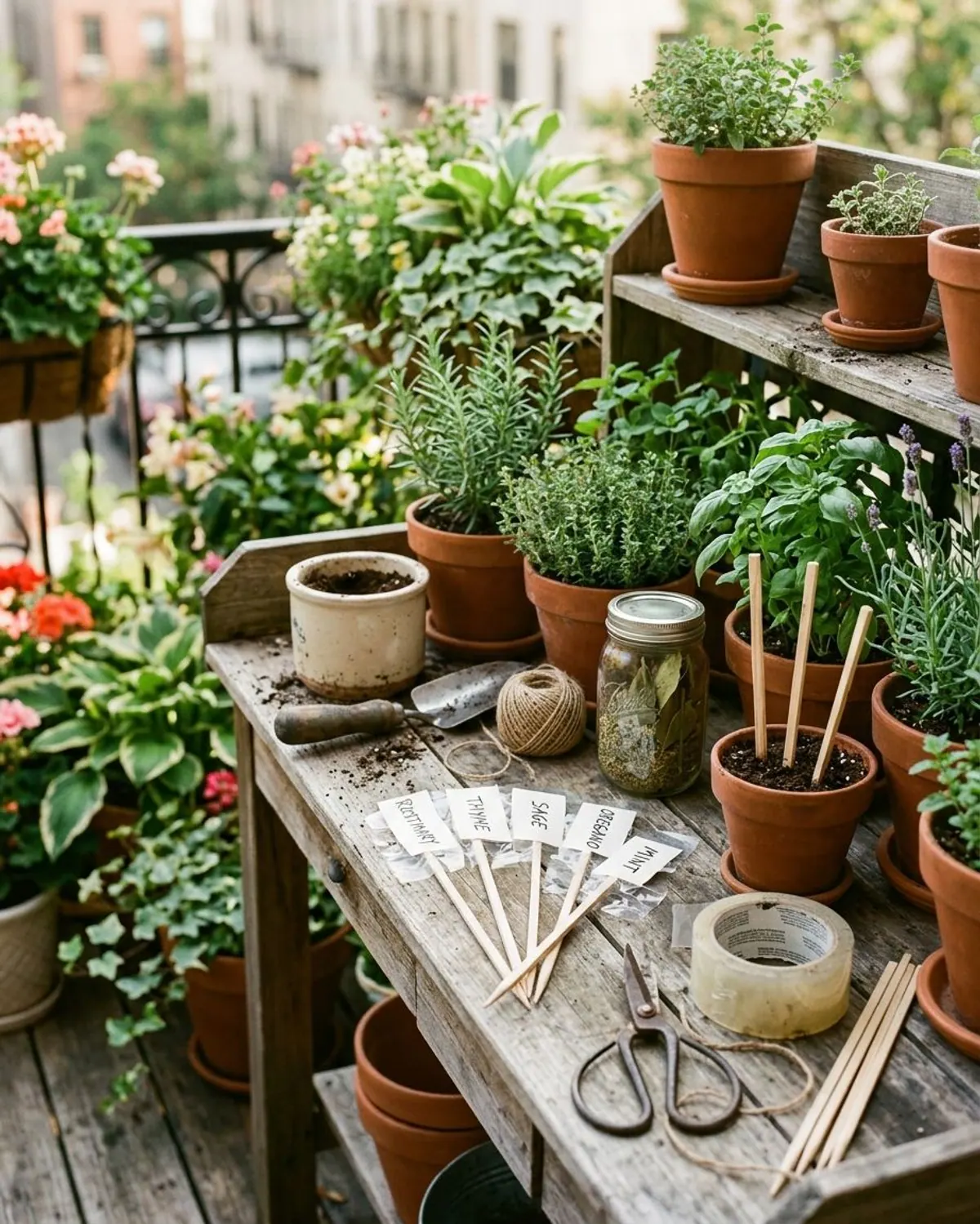
Write the name on a card, cover both sides with wide clear packing tape and tape or staple it to a stake. The tape keeps rain off the ink. Re-tape the edges each spring.
Cost: Low
Time: 15 minutes for 6
Outdoor life (our expectation, untested): A season or two
- Seal the tape edges fully so water cannot creep in.
Covers a paper tag to keep rain off the ink.
4Seed packet on a stake under a jar
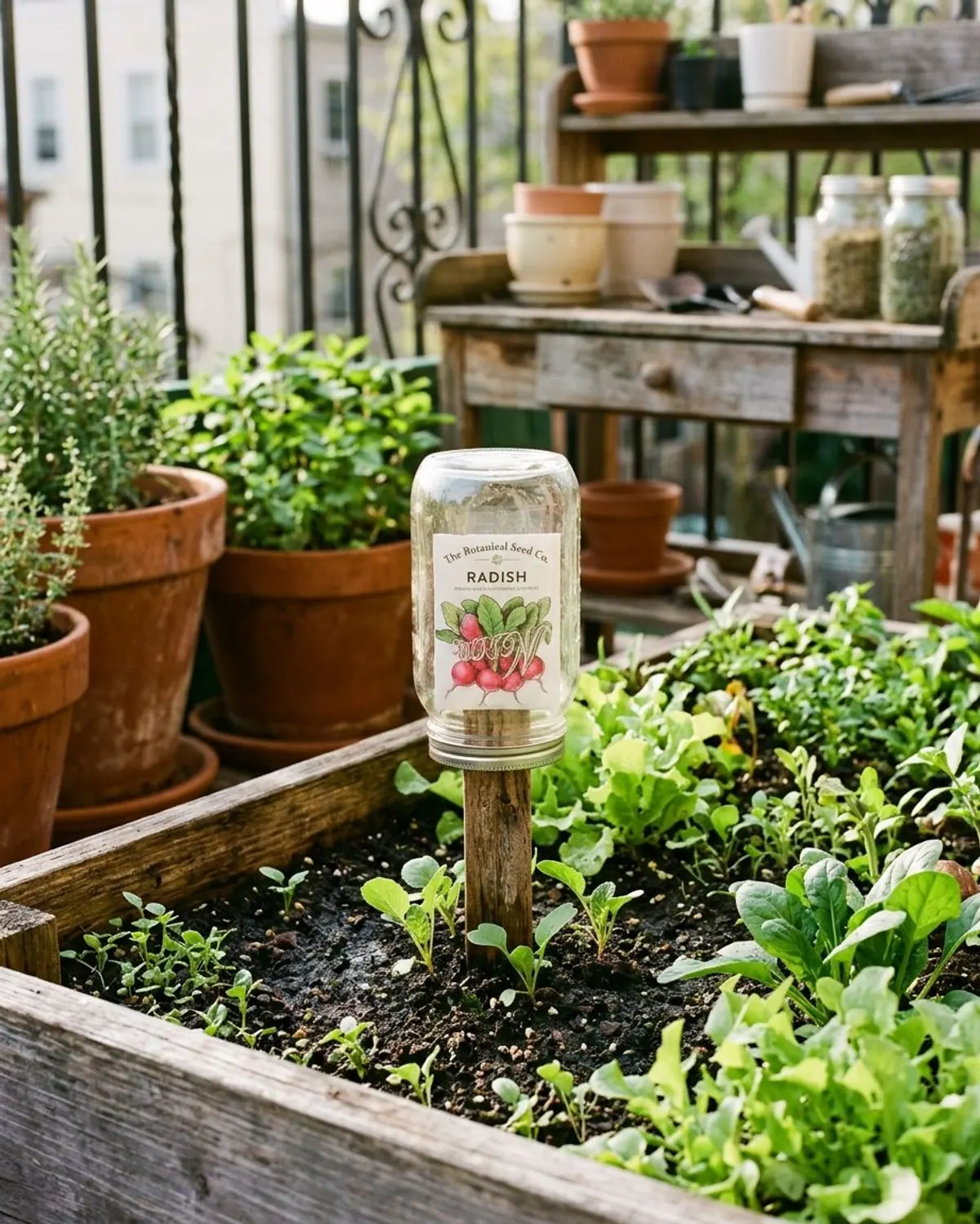
For a row you have just sown, the packet is the marker: staple it to a stake and cover it with an upside-down jar or a zip bag. You see what is planted and the sowing date in one place. Remove it when the seedlings are up.
Cost: Low
Time: 5 minutes
Outdoor life (our expectation, untested): Until the seedlings are up
- Write the date sown on the packet front in pencil.
5Mini blind slat stakes
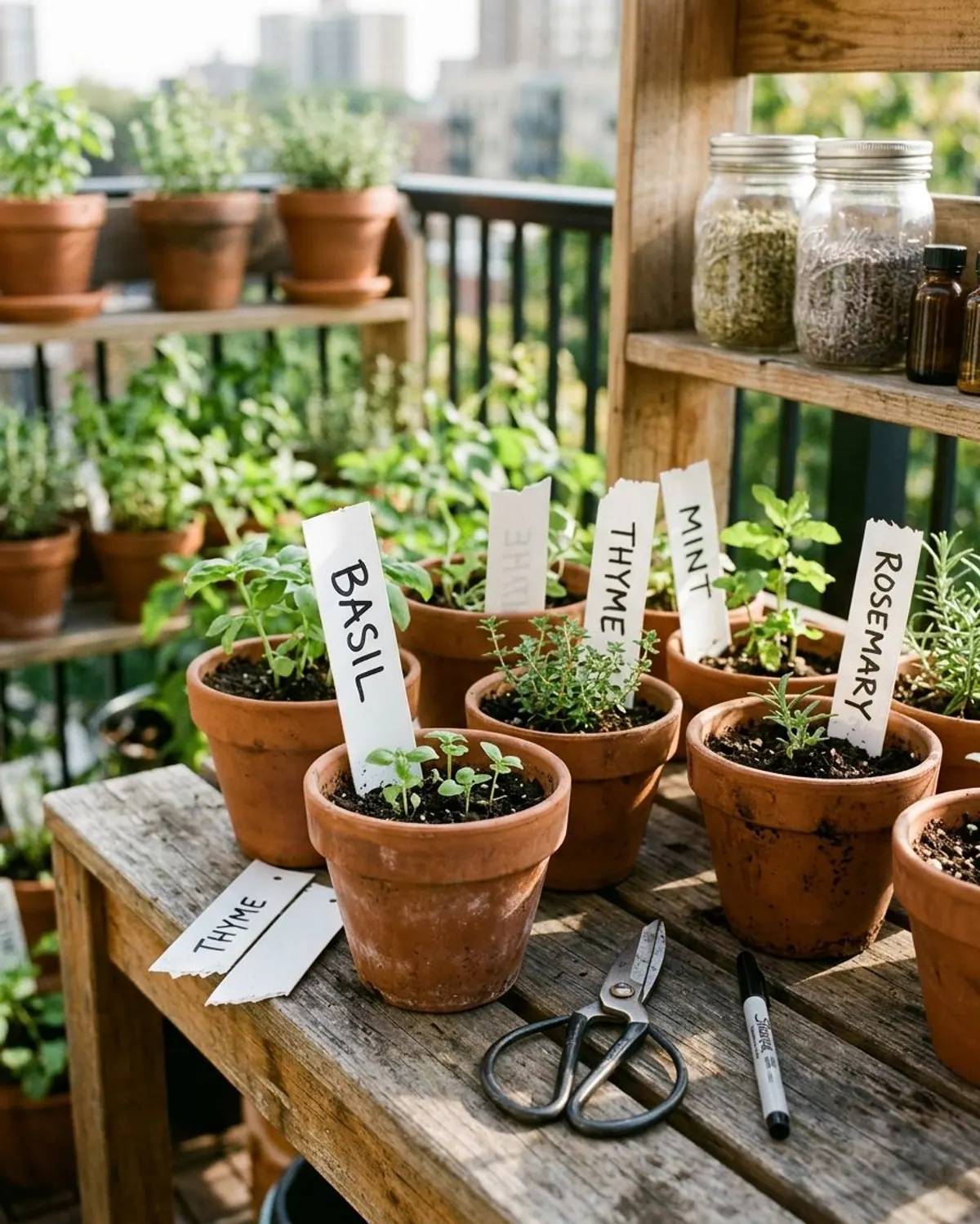
Old plastic blinds can be cut into 6 inch stakes with scissors. They shed water and do not rot. Plastic can go brittle in strong sun, so check them in autumn. Cut with care; slat edges can be sharp.
Cost: Free if you have old blinds
Time: 10 minutes for 6
Outdoor life (our expectation, untested): A season or more
- Write with a permanent marker or paint pen and check the fade after one summer.
Under an hour: wood, cork and stone
6Wooden spoons
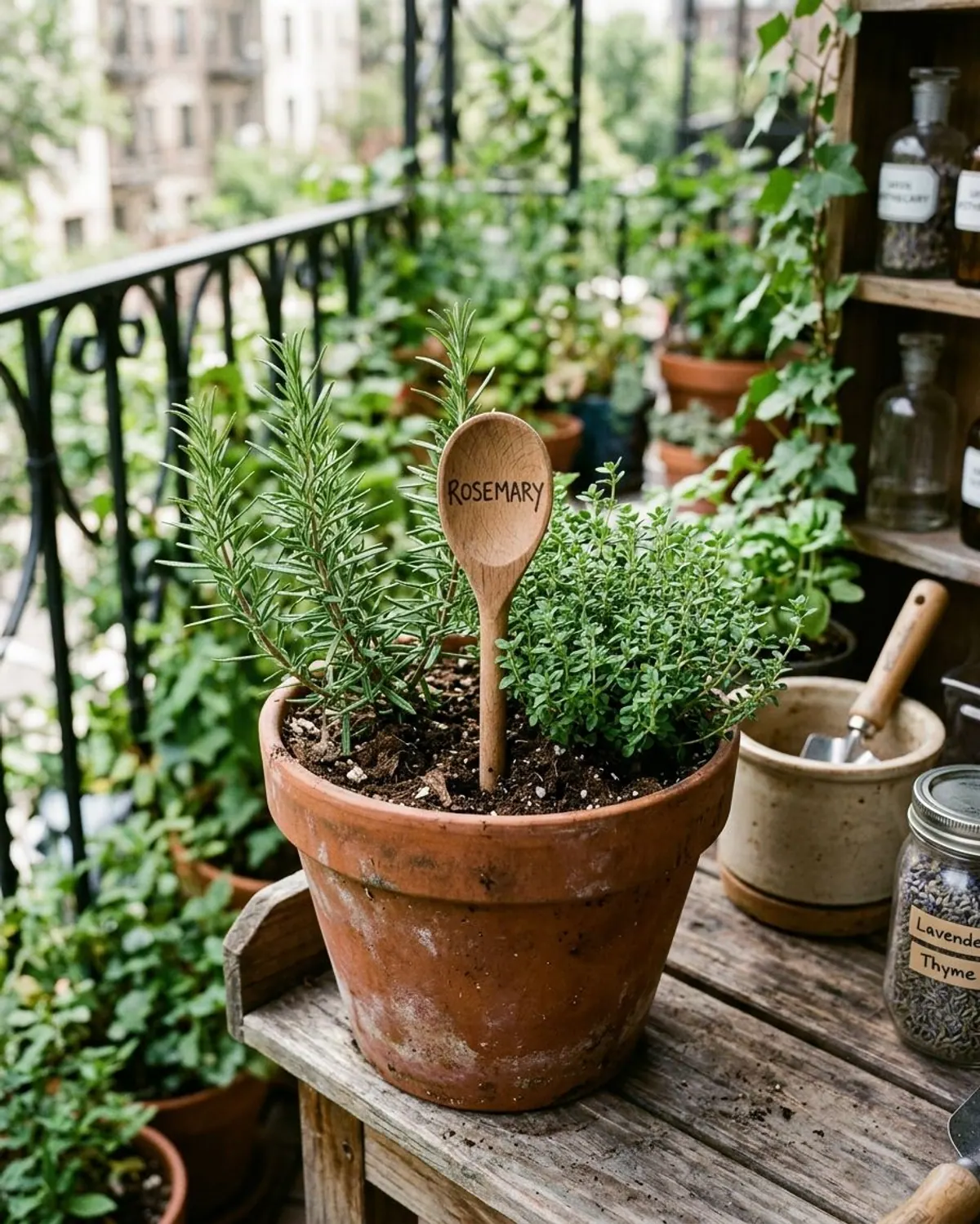
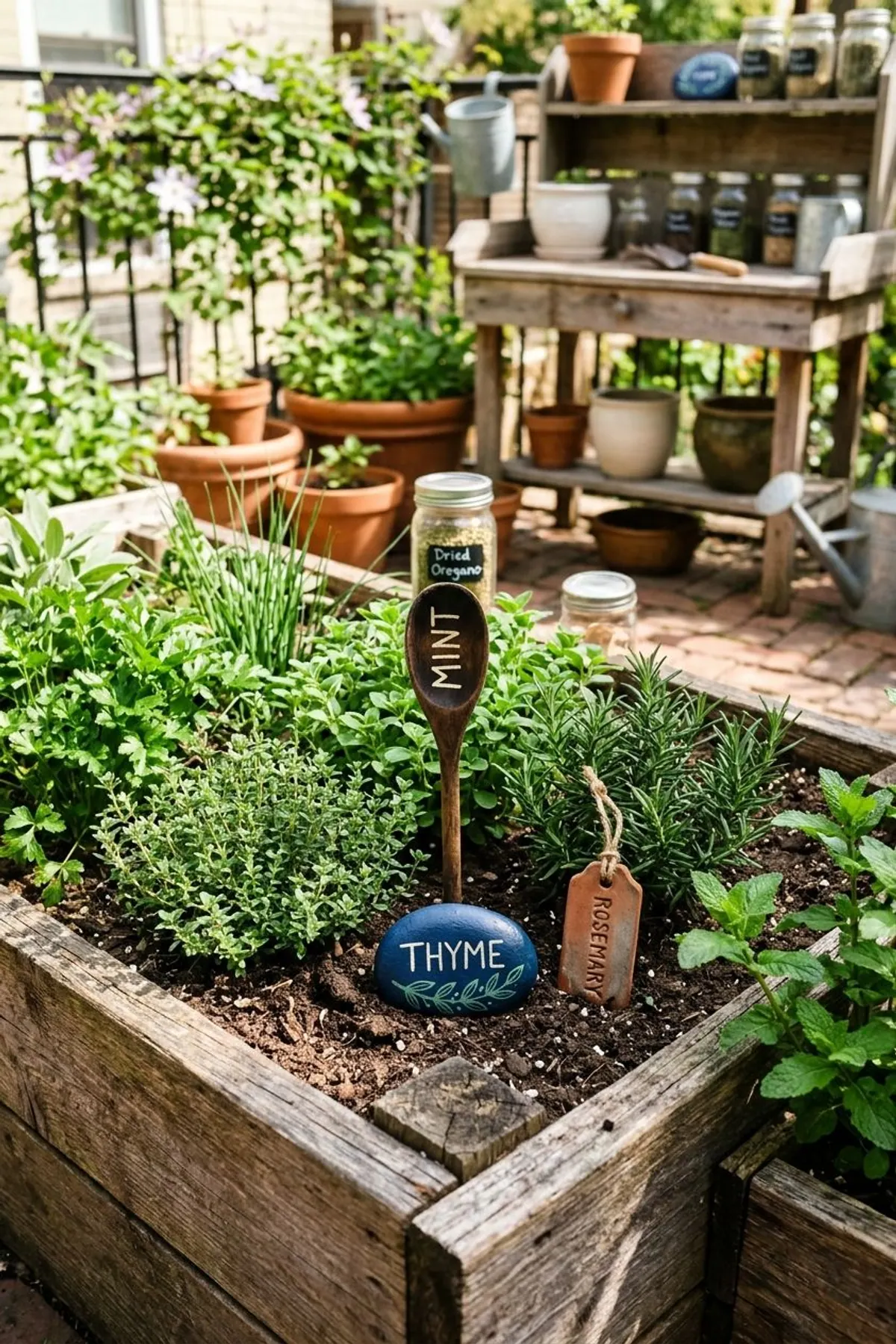
A wooden spoon is a classic herb marker because the bowl gives you a wide place to write. Buy a pack of cheap spoons or use old ones. Paint the bowl white first if the wood is dark.
Cost: Low
Time: 25 minutes for 6
Outdoor life (our expectation, untested): One to two seasons
- Push the handle in deep; wet soil loosens a short stake.
A spoon bowl is a good surface to write on.
7Wine cork and skewer stakes
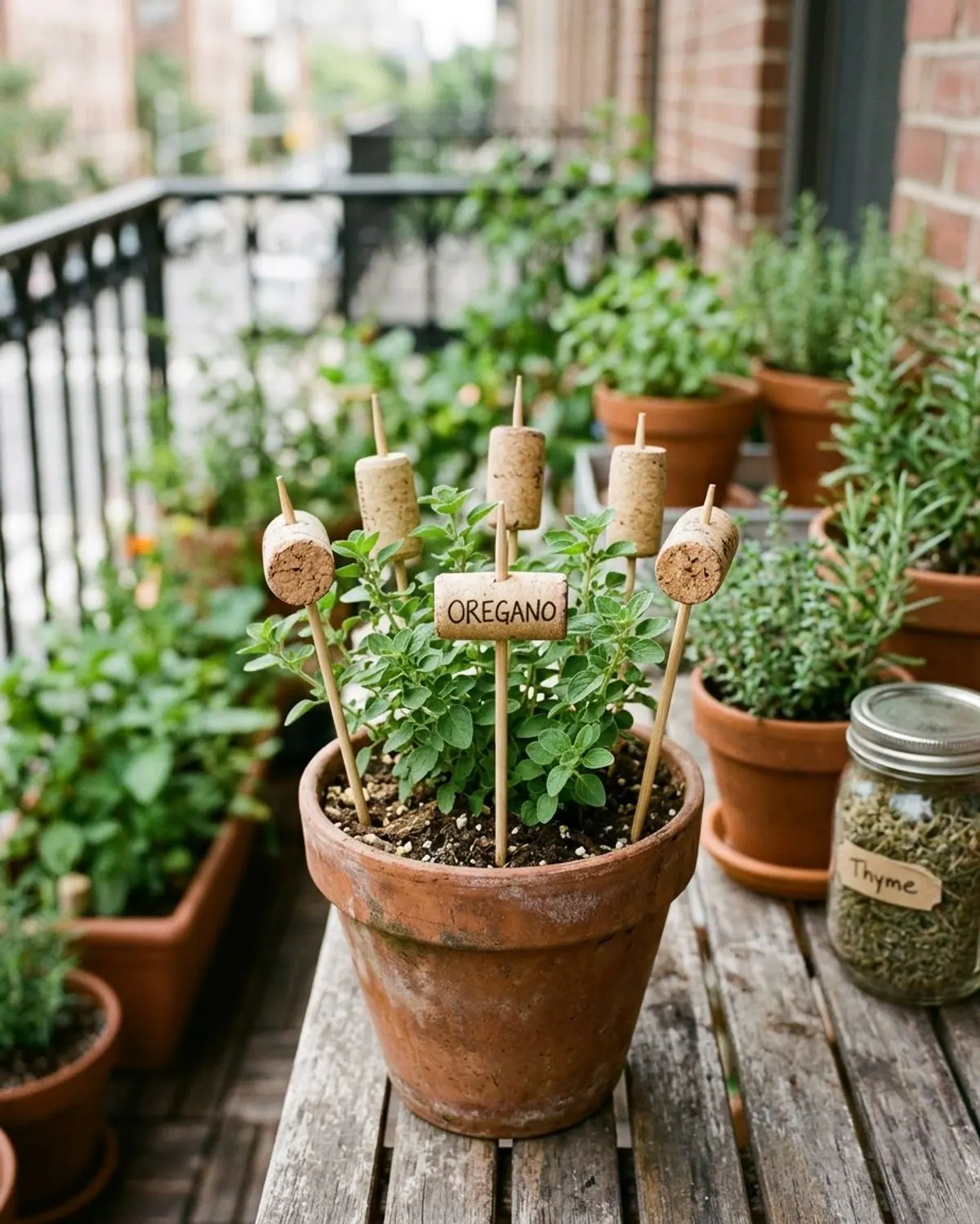
Push a bamboo skewer through a wine cork so the cork sits as a little flag on top. Write on the cork with a fine marker. They are light, so they suit pots rather than windy beds.
Cost: Free to low
Time: 20 minutes for 6
Outdoor life (our expectation, untested): One season
- Use a short skewer so it does not tip in a small pot.
8Cedar shims
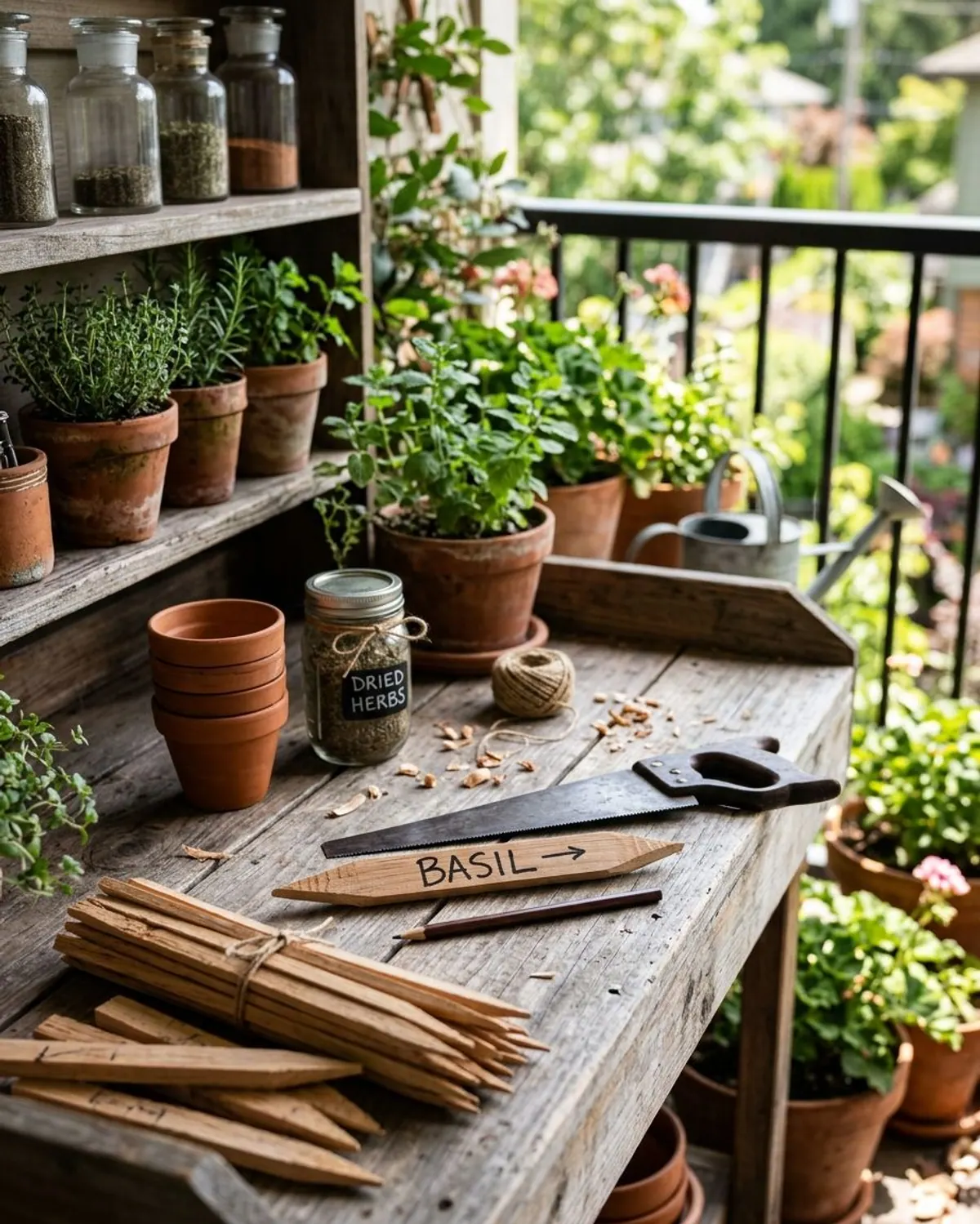
Cedar shims are thin wood pieces sold for leveling. Cut them to 6 or 8 inch stakes, point one end, and write on the flat side. Cedar is naturally rot-resistant, but we have not tested these, so we rate them one to two seasons. Have an adult do the cutting.
Cost: Low
Time: 30 minutes for 6
Outdoor life (our expectation, untested): One to two seasons
- Sand the writing area smooth first so the pen does not catch.
A thin, flat stake that is easy to write on.
9Painted stones
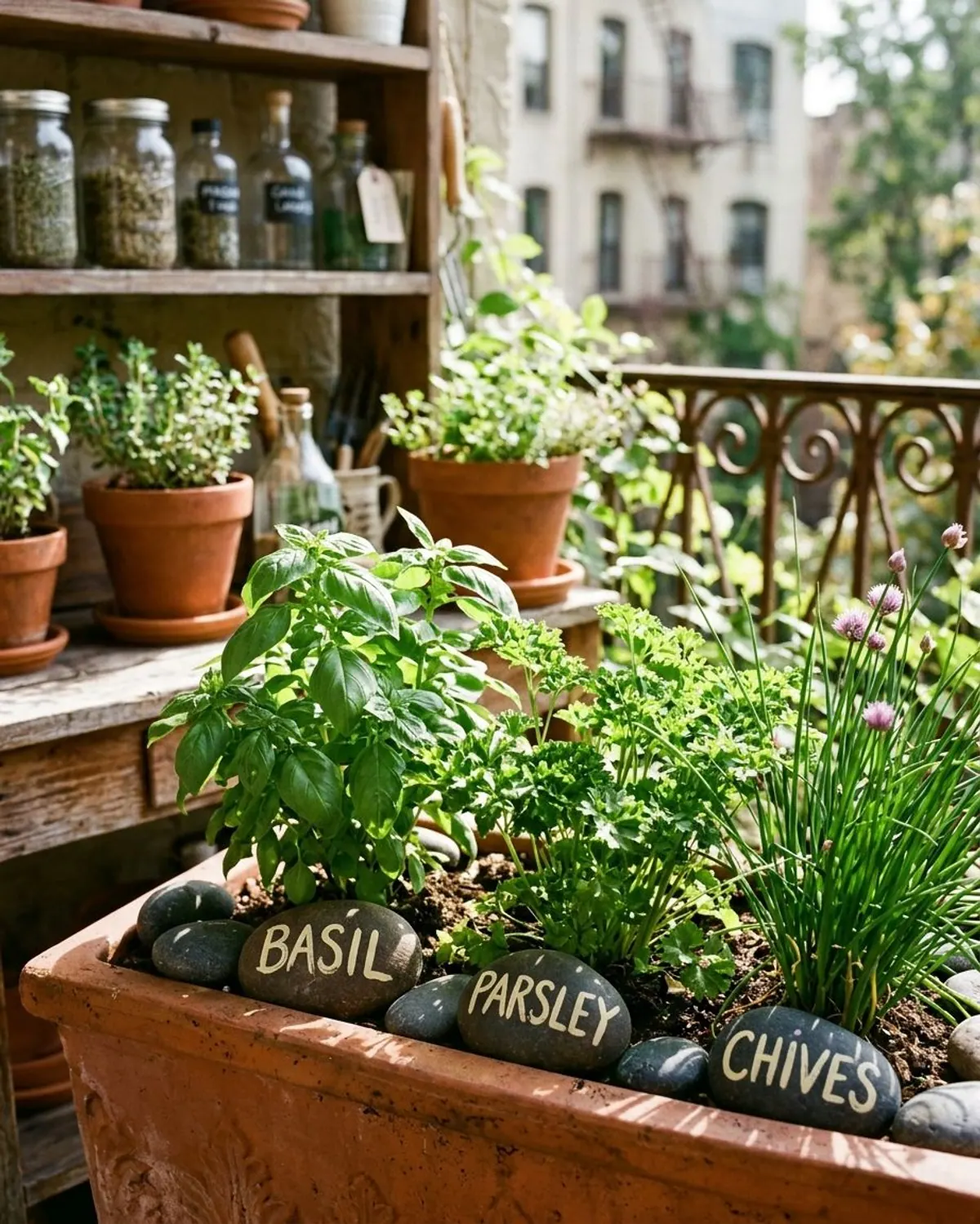
Smooth stones are a classic. Wash and dry a flat stone, paint a base coat, then write the name in a contrasting colour. They stay put and do not rot. The paint may chip, so check them each spring.
Cost: Free to low
Time: 40 minutes for 6, plus drying time
Outdoor life (our expectation, untested): Several seasons
- We cannot say that paint is safe next to food plants; keep markers at the bed edge and out of the soil you eat from.
Weekend builds that should last the longest
10Slate roof tile
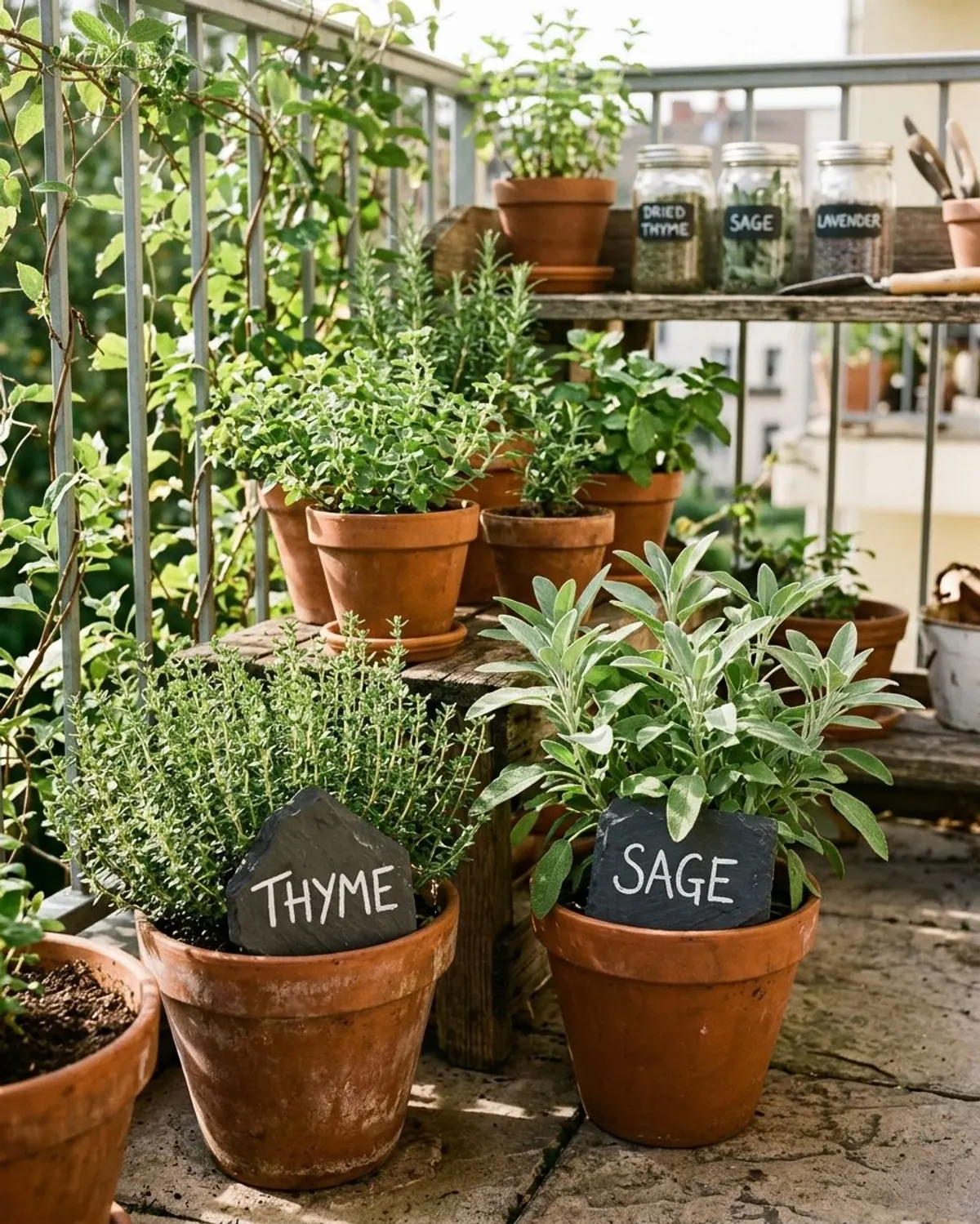
Slate is a stone that should shrug off rain. Buy a few spare pieces from a roofing supplier or salvage yard, or break old tiles. A white paint pen shows well on the dark surface. Wear gloves and glasses when breaking slate.
Cost: Low to medium
Time: 30 minutes for 6, plus drying
Outdoor life (our expectation, untested): Several seasons
- Write the name along the long edge so it reads from above.
Shows on dark slate and stone, and on wood.
11Terracotta pot shards
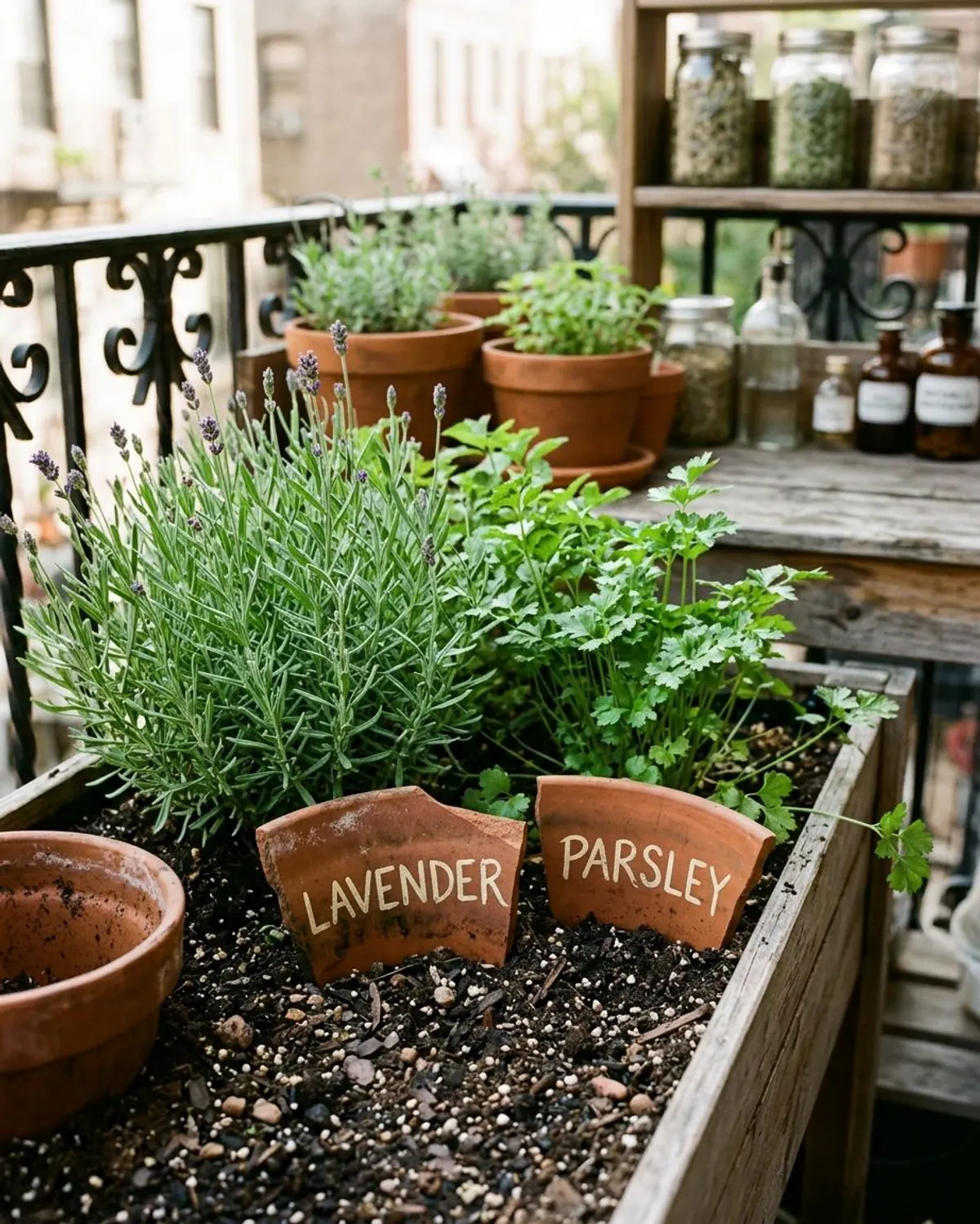
Broken terracotta is free and fits the look of herb gardens. Wear gloves, because edges are sharp, and sand any rough edge. Paint a base coat and add the name.
Cost: Free if you have a broken pot
Time: 25 minutes for 6, plus drying
Outdoor life (our expectation, untested): Several seasons
- Never leave sharp shards where small children or pets walk.
12Air-dry clay tags
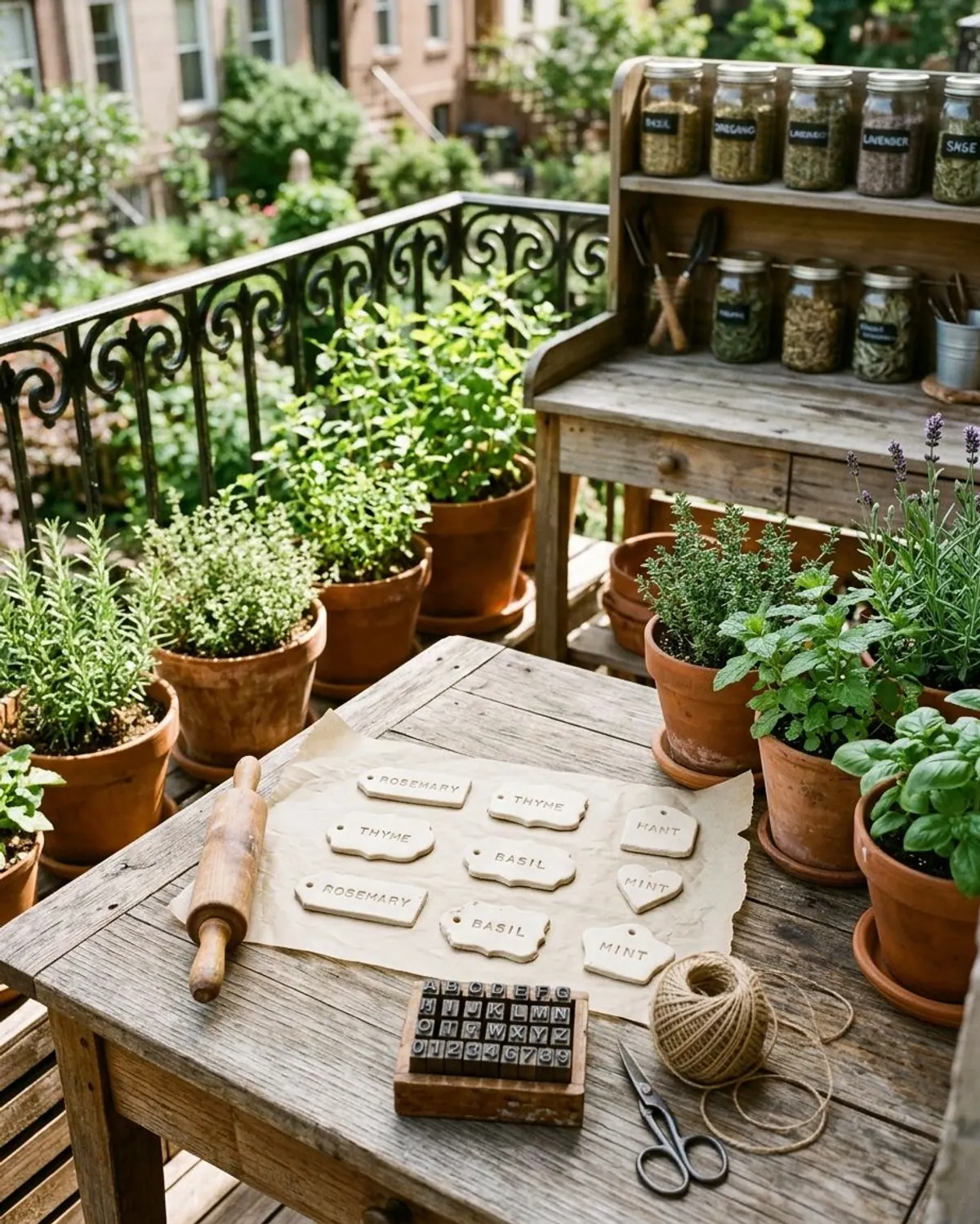
Roll the clay, stamp the letters, cut a shape and poke a hole for twine. Most air-dry clay softens when it gets wet unless sealed with a waterproof varnish, so we rate it poor outdoors unless you seal both sides. They are lovely for indoor pots and gifts.
Cost: Low
Time: 45 minutes for 6, plus 24 hours to dry
Outdoor life (our expectation, untested): Poor unless sealed
- Check the clay package for outdoor use and sealing steps before you rely on it.
Stamped tags for indoor pots and gifts.
Make it a gift set
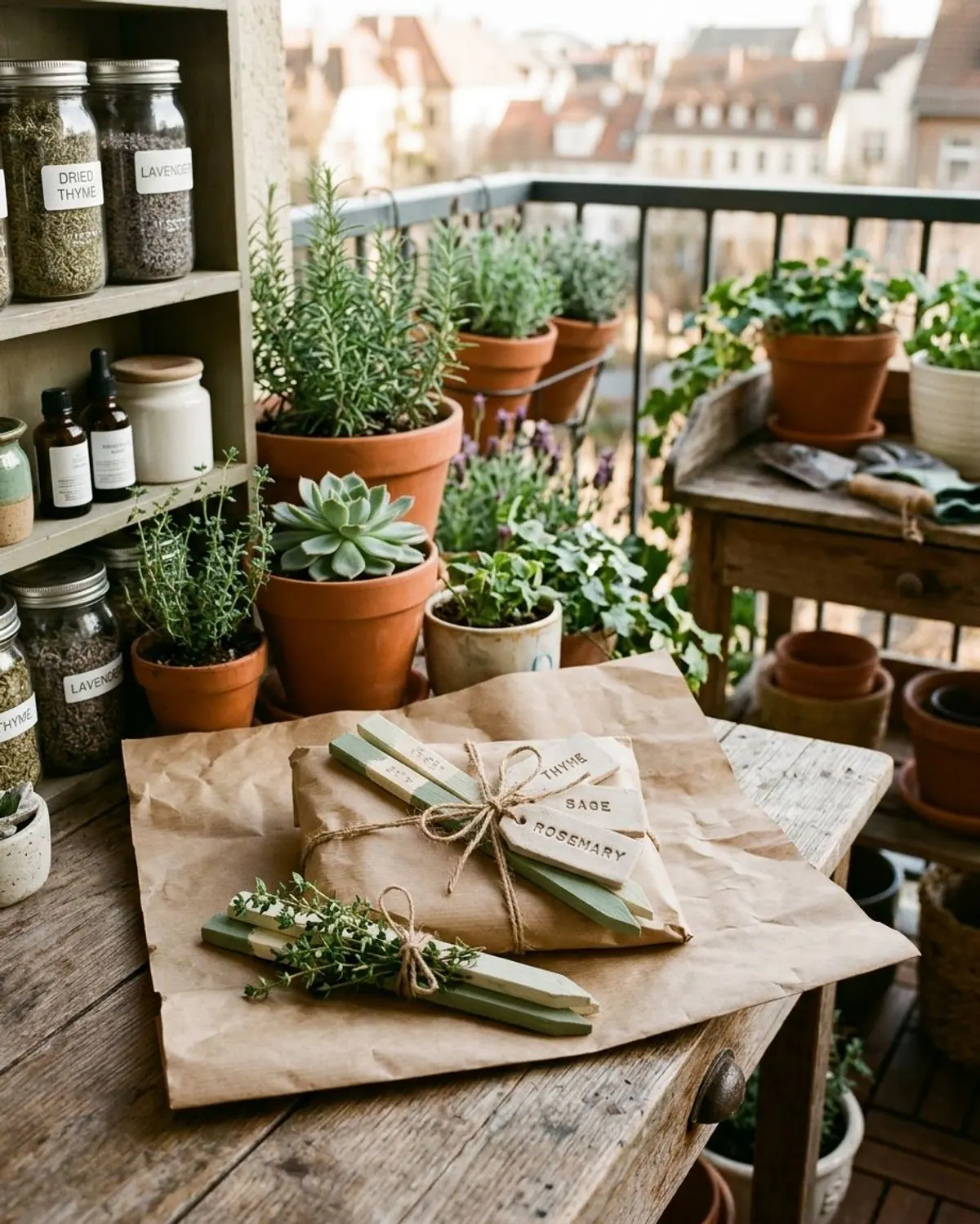
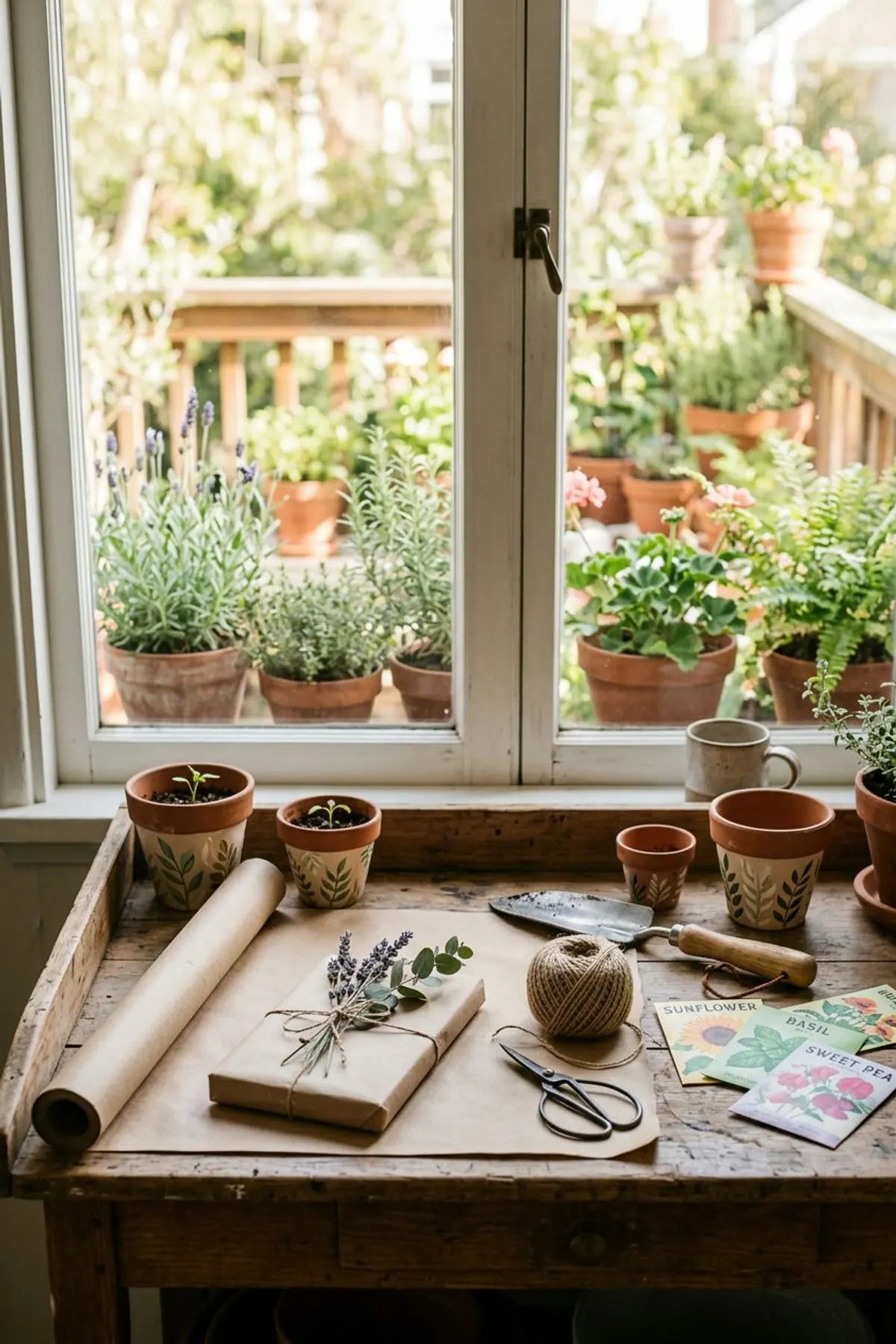
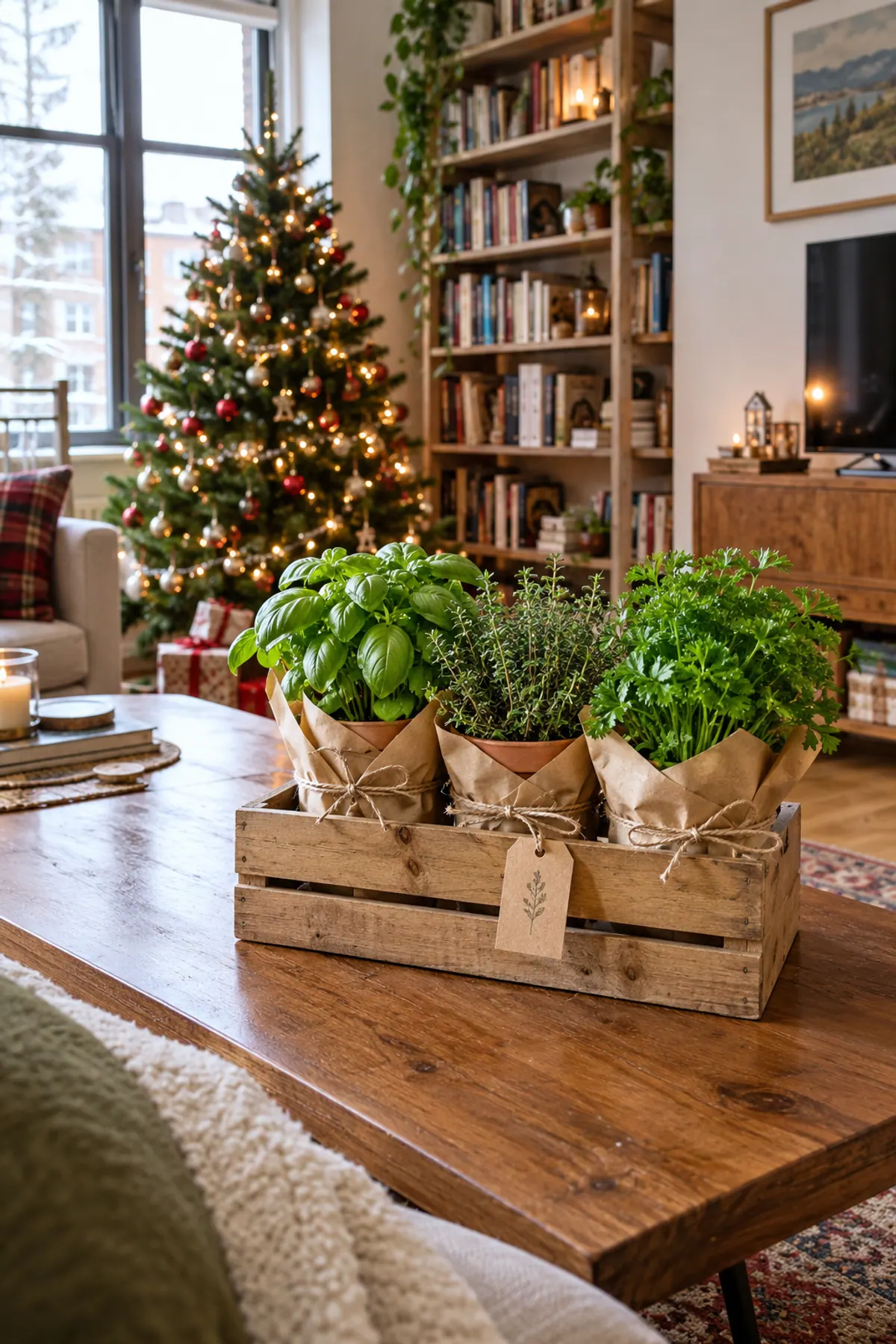
A bundle of six markers tied with twine is a simple gardener gift. Pick the stone, slate or sealed-clay versions so it lasts, and add a note about writing on the shaded side. Our DIY gifts for gardeners list gives cost and time for more gift ideas, and the herb garden gift guide shows how to pair markers with potted herbs. Herbs here are for the kitchen and garden, not medical advice, and check the ASPCA list before gifting plants to a home with pets.
Your next step: name the jar after you name the plant
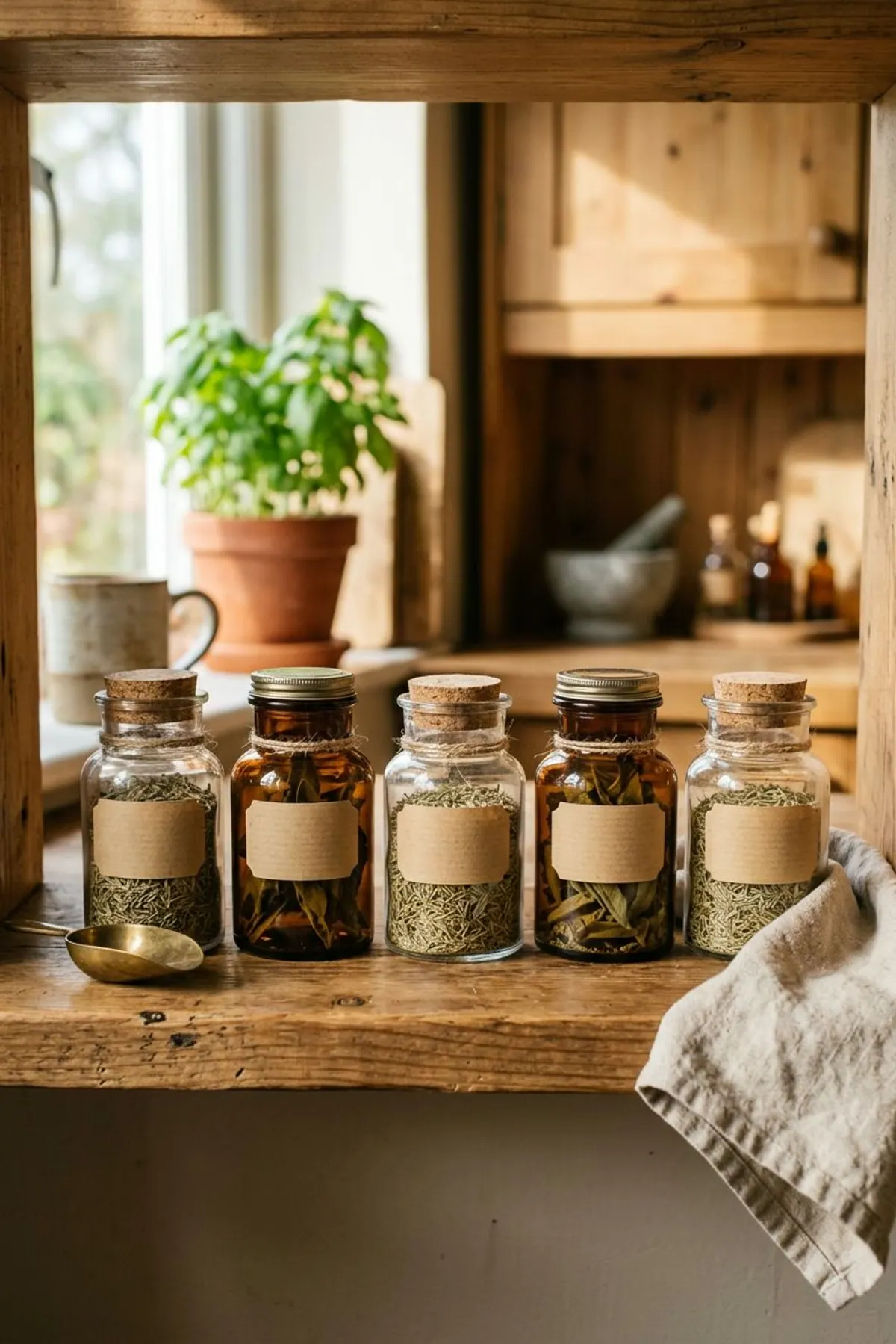
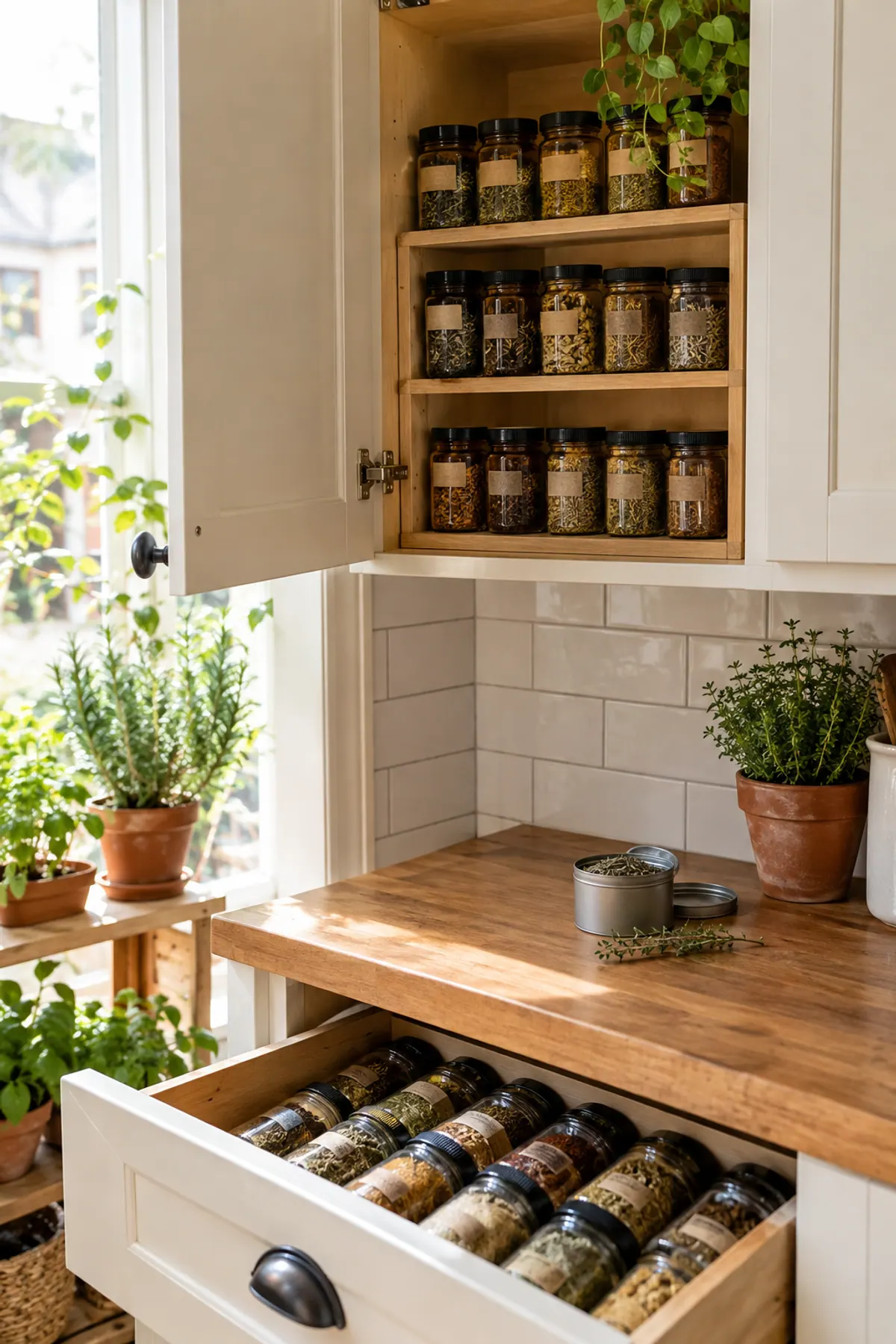
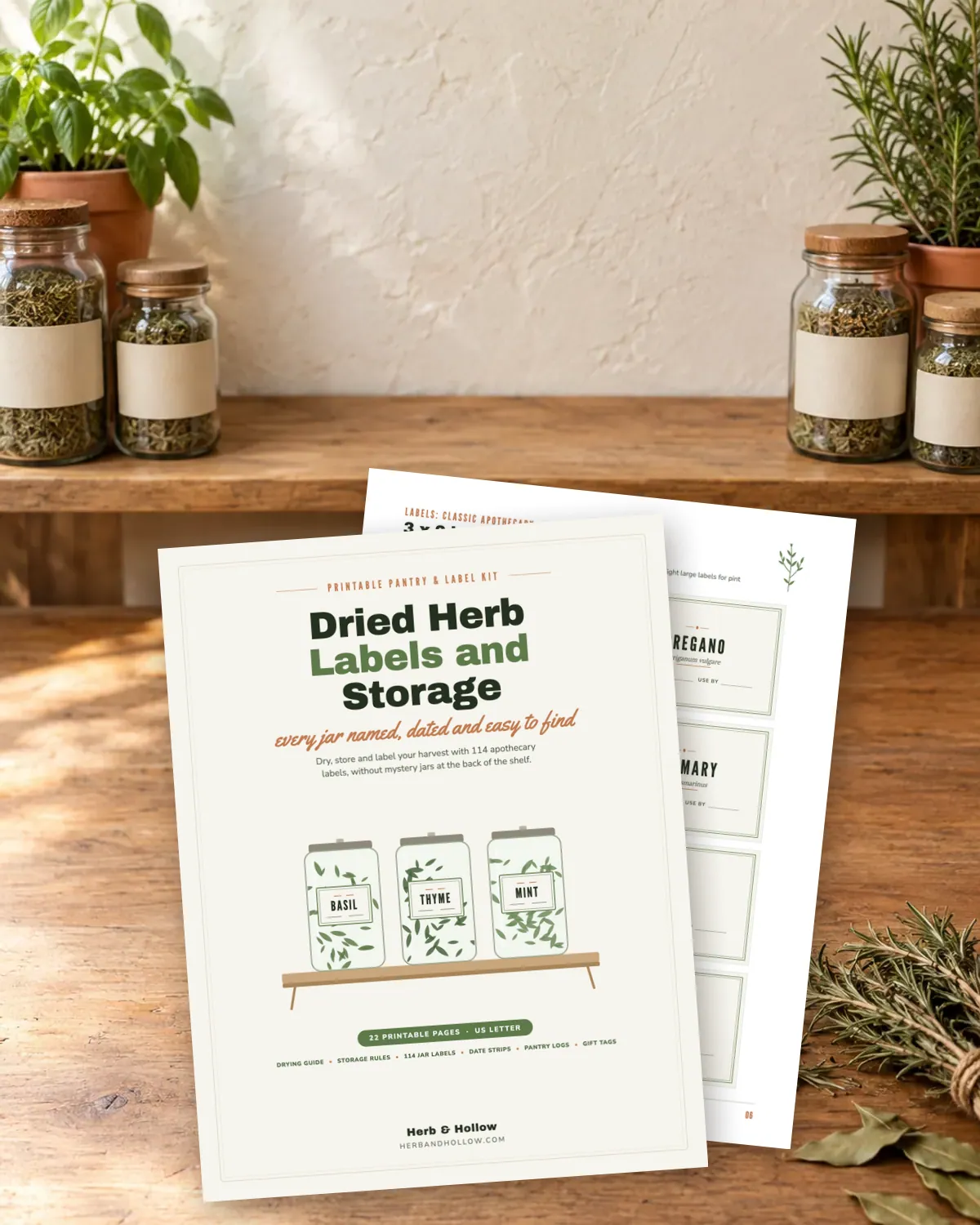
Markers name the plant while it grows. Once you harvest, the same problem turns up on the shelf: unlabeled jars.
For jar label wording and styles, see our apothecary jar labels and dried herb storage ideas.
Supplies for DIY plant markers
Supplies for plant markers
- Start here
Paint pens, fine tip, white and black
Shows on dark slate and stone, and on wood.
Check price on Amazon for Paint pens, fine tip, white and black -
Wooden craft sticks, jumbo
The fastest marker.
Check price on Amazon for Wooden craft sticks, jumbo -
Clear packing tape
Seals a paper tag.
Check price on Amazon for Clear packing tape -
Waterproof varnish for air-dry clay
Check the label for outdoor use.
Check price on Amazon for Waterproof varnish for air-dry clay
Sources
We found no extension service test that compares plant marker materials. Outdoor life ratings, cost tiers and times are our own estimates. Notes about permanent marker fading come from informal gardener reports and are not verified. We did not check store prices. Herbs here are for the kitchen and garden, not medical advice.
We earn from qualifying purchases. Read our disclosure and editorial guidelines.
Frequently asked questions
What is the best material for DIY plant markers?
For rain, hard materials like stone, slate and fired clay should last longest. For speed, craft sticks and wooden spoons are quick but shorter-lived. These are our expectations, not a tested result.
How do I make plant markers waterproof?
Use non-porous materials, write with a paint pen, or cover a paper tag with clear packing tape. Air-dry clay needs a waterproof sealer on both sides.
What do I write on plant markers so it does not fade?
Paint pens and pencil are common choices. Gardener forums report that plain permanent marker can fade in a year or two of sun, so write on the shaded side and test one first.
Are painted plant markers safe in a vegetable garden?
We found no extension guidance on this, so we make no claim. Keep painted markers at the bed edge, away from the soil and plants you eat.
Are plant markers a good gift for gardeners?
Yes. Six stone, slate or sealed-clay markers tied with twine make a simple gift. Add the herb names you know the recipient grows.
Save it for later
Pin this to your Garden DIY board so it's there when you need it.
Save to Pinterest