This post contains affiliate links. As an Amazon Associate we earn from qualifying purchases, at no extra cost to you. Read our disclosure.
Safety first: Herbs can be powerful. If you are pregnant, nursing, take medication or have a health condition, check with your doctor or pharmacist first. Please read our herbal & garden safety notes before you start.
Key takeaways
- Choose large, firm bulbs. Bigger bulbs usually send up more flower stalks.
- Use a pot about 1 inch wider than the bulb and leave the top third of the bulb above the soil.
- Water once after planting, then sparingly until growth shows. Soggy soil rots bulbs.
- After bloom, keep the leaves growing in sun all spring and summer. They refill the bulb for next year.
- Amaryllis is toxic to cats and dogs, and the bulb is the riskiest part. Keep it out of reach.
In this post9 sections
What you are really growing
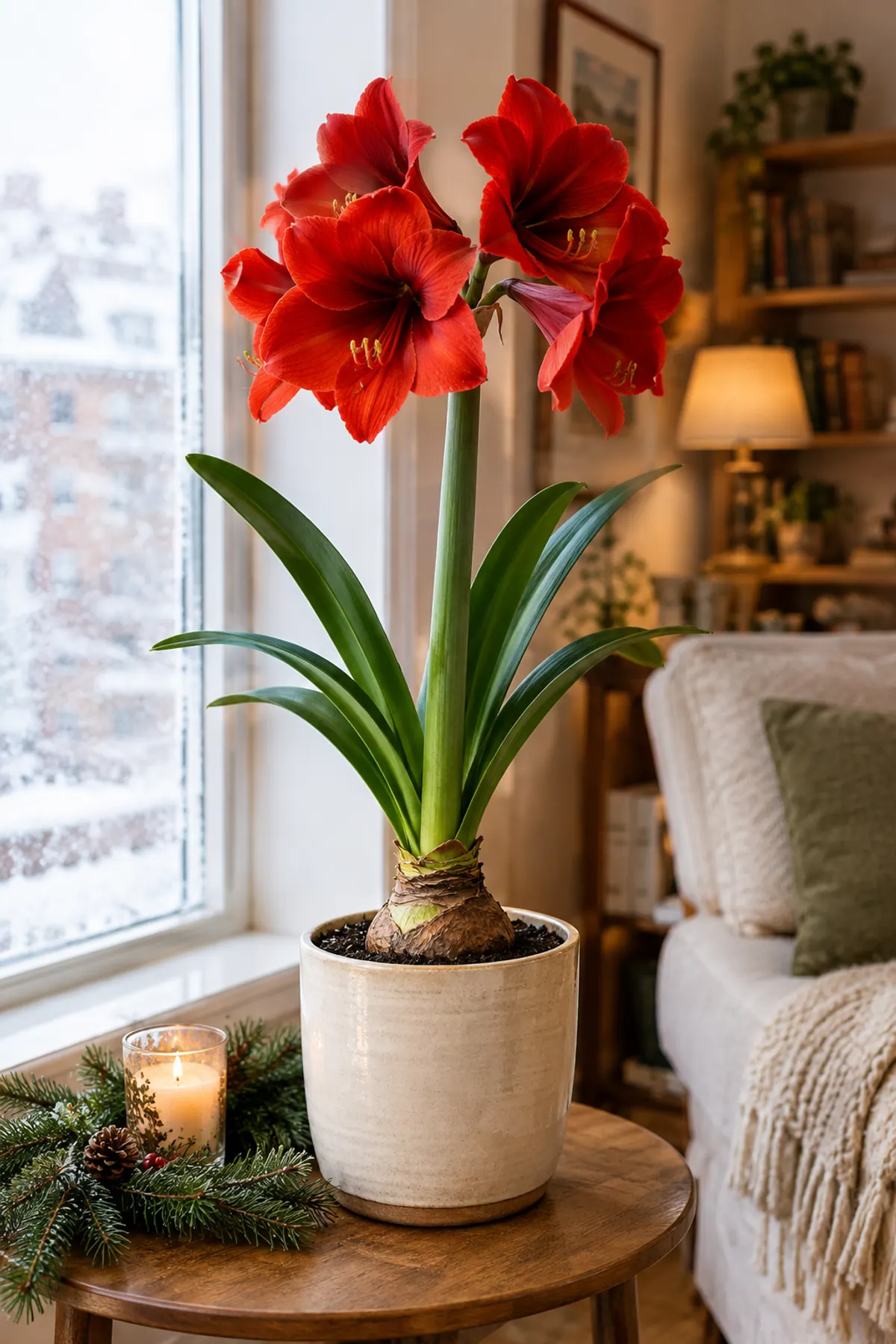
The holiday amaryllis sold in stores is Hippeastrum, a bulb from Central and South America. The true Amaryllis belladonna is a different South African plant, but the common name stuck. Each bulb holds next year's flowers already formed inside it, which is why it blooms so easily the first time.
Your job in year one is to give it warmth, light and not too much water. In year two, the leaves have to rebuild the bulb, and that is where most plants are lost.
What you need
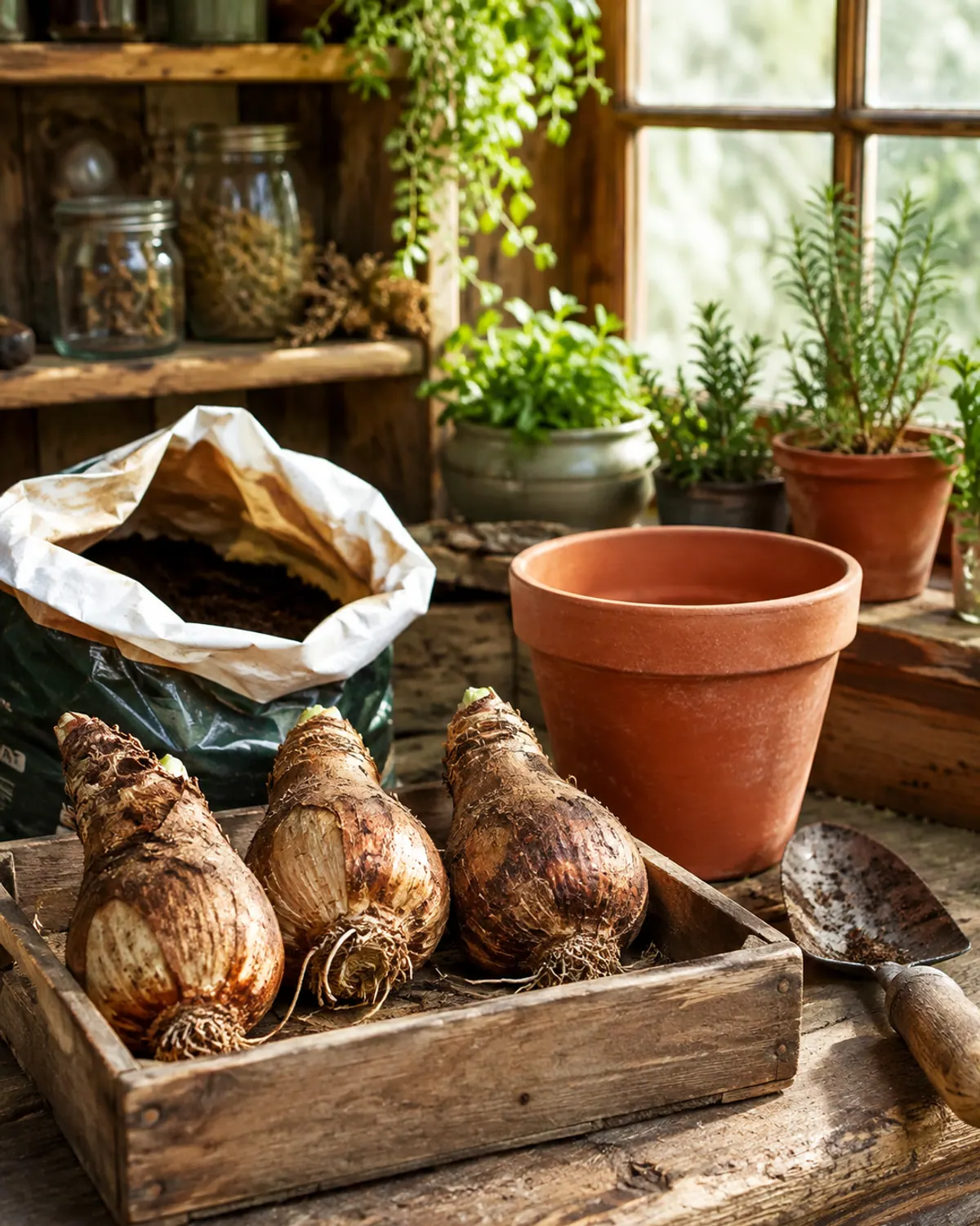
Amaryllis planting supplies
Amaryllis care indoors, step by step
-
Step 1: Count back from your bloom date
Most bulbs flower about 6 to 10 weeks after planting, depending on the variety and how warm your home is. For December flowers, plant from about mid-October to early November. Staggering 2 or 3 bulbs a couple of weeks apart gives you a longer show.
-
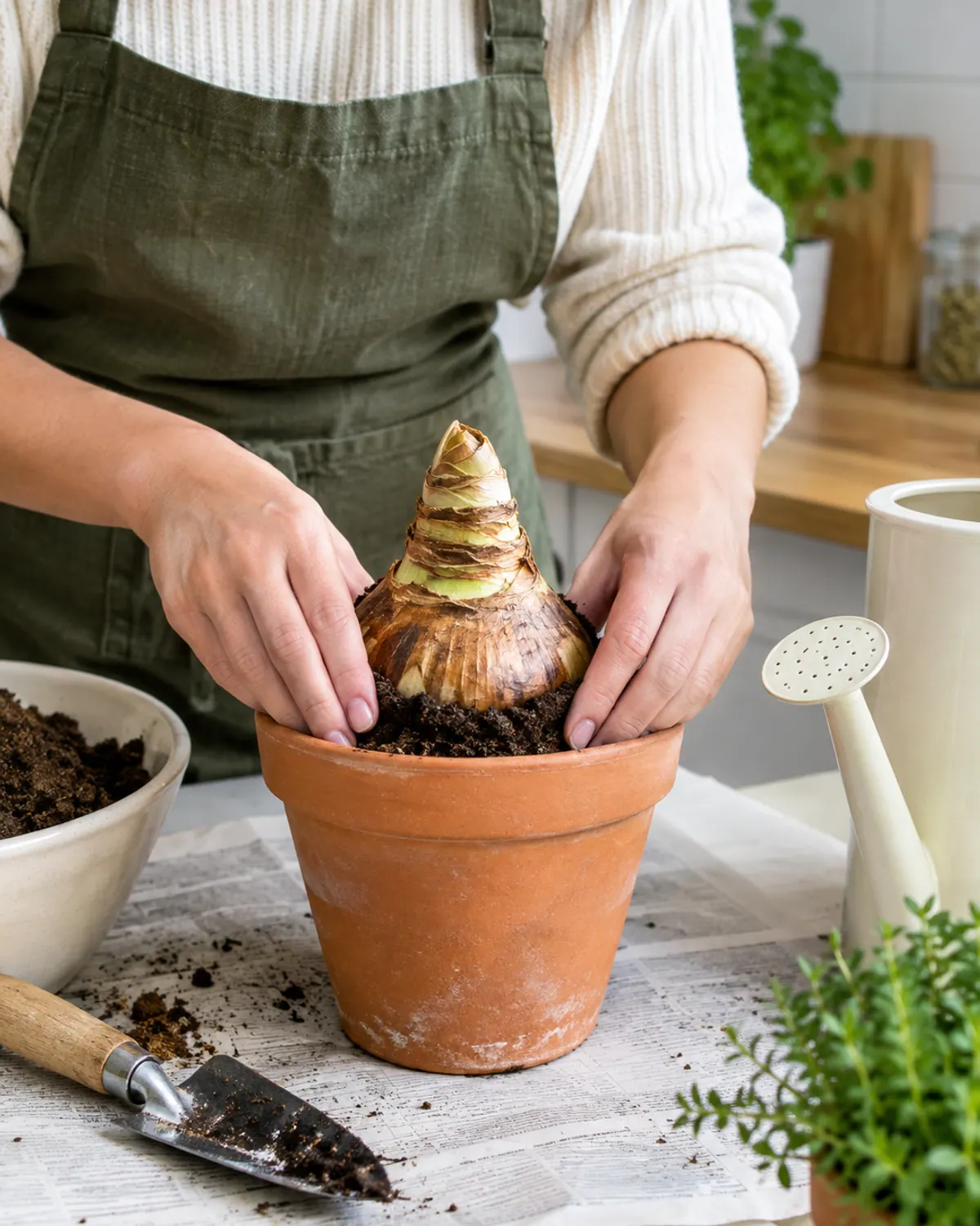
Step 2: Plant snug, with the shoulders showing
Amaryllis likes a tight pot. University of Illinois Extension suggests a pot about 1 inch wider than the bulb, with at least the top third of the bulb above the mix. Spread the roots out, fill around them and firm the mix gently.
-
Step 3: Water once, then wait
Water thoroughly after planting and let the extra drain away. Then water only lightly until you see a stalk or leaves, since a bulb with no growth uses very little water. Once growth starts, water when the top inch or two of mix feels dry.
-
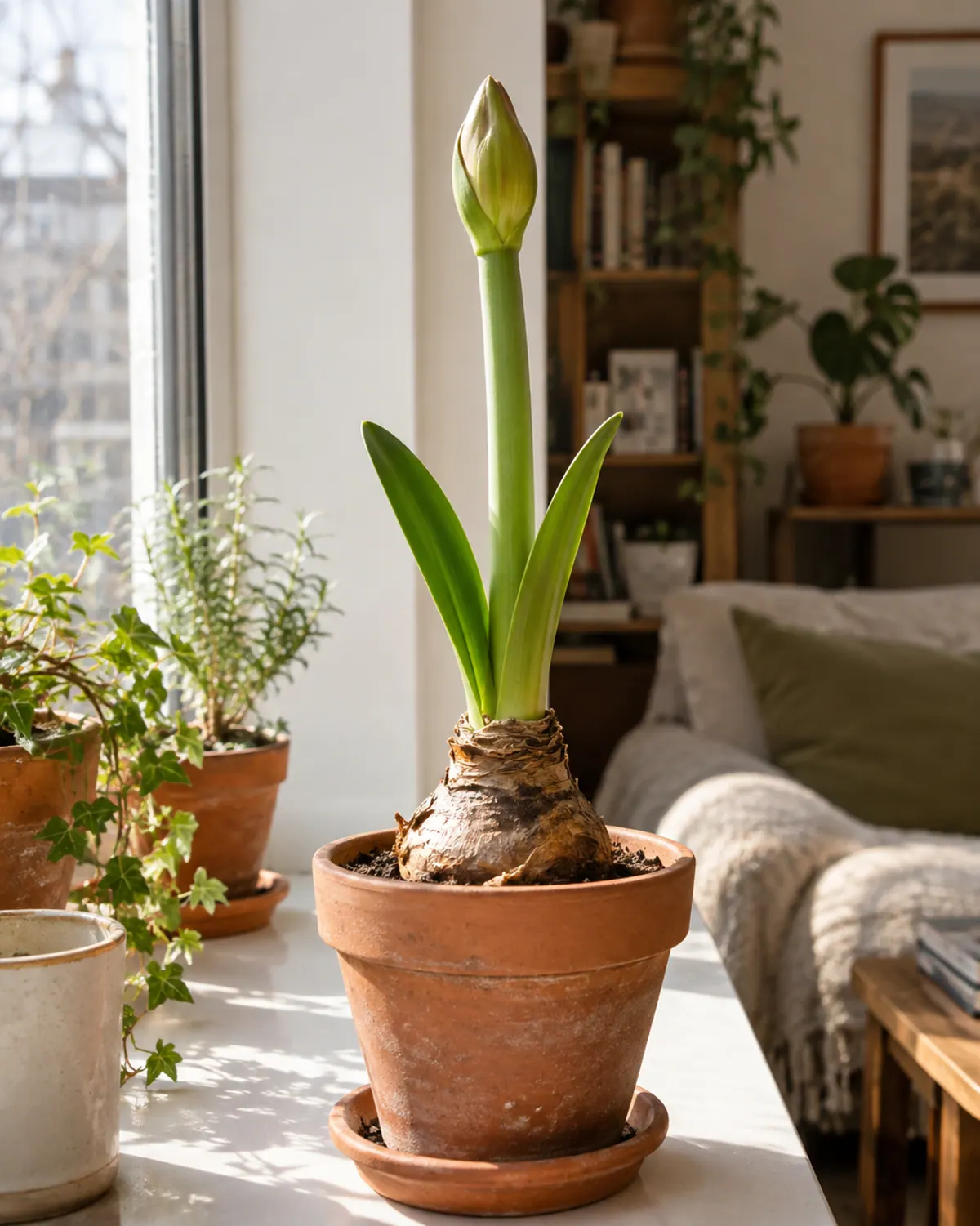
Step 4: Give it warmth and bright light
Set the pot in your brightest window in a room around 65 to 75°F. Warmth wakes the bulb, and strong light keeps the stalk short and sturdy. In a dim room, the stalk can stretch and flop.
-
Step 5: Turn the pot every few days
The stalk leans toward the light as it grows. A quarter turn every 2 or 3 days keeps it straight.
-
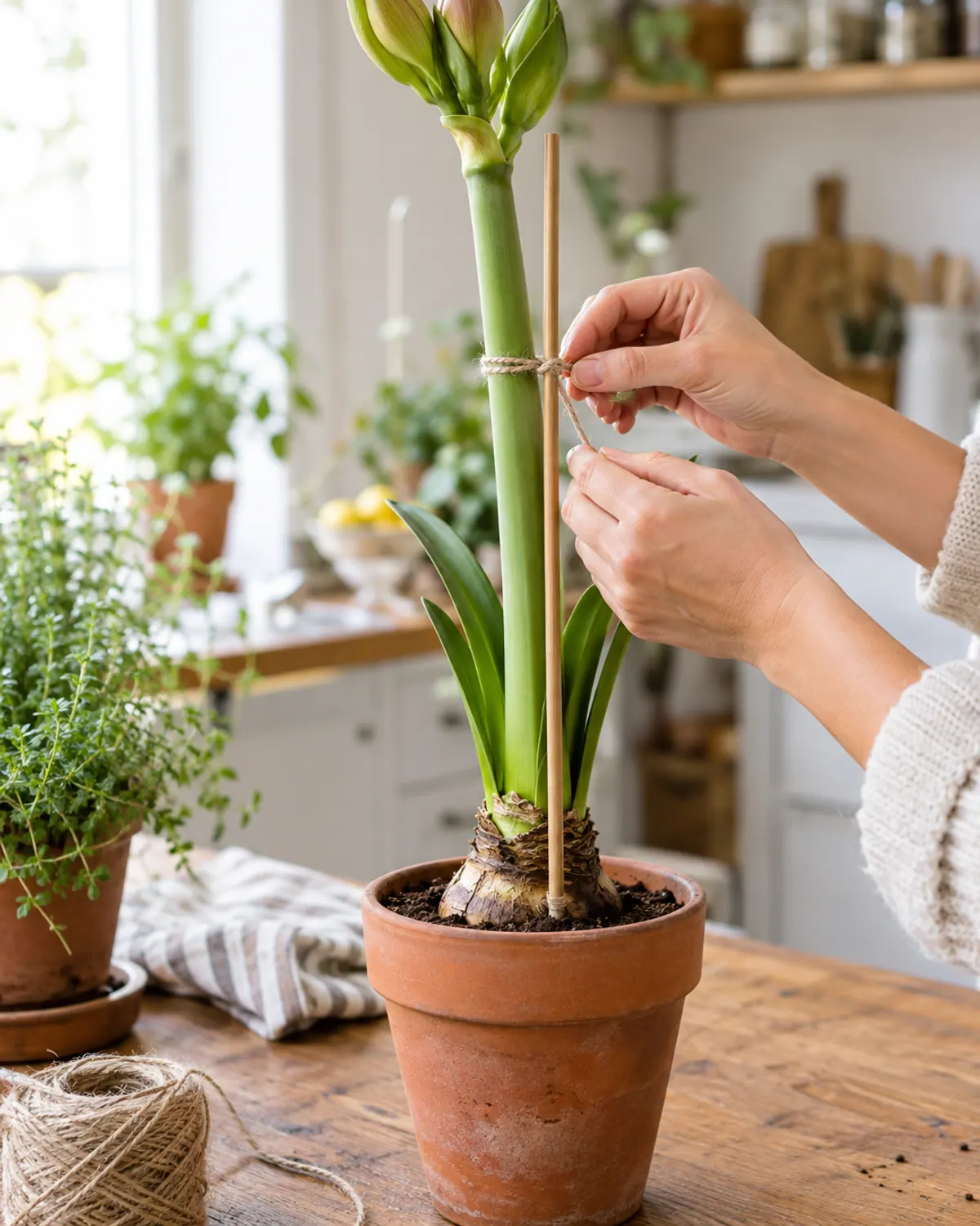
Step 6: Stake tall stalks early
Once the stalk is about a foot tall, push a thin bamboo stake into the mix a little away from the bulb and tie the stalk loosely with soft twine. Staking before the buds open saves you from a stalk that snaps under the weight of the flowers.
-
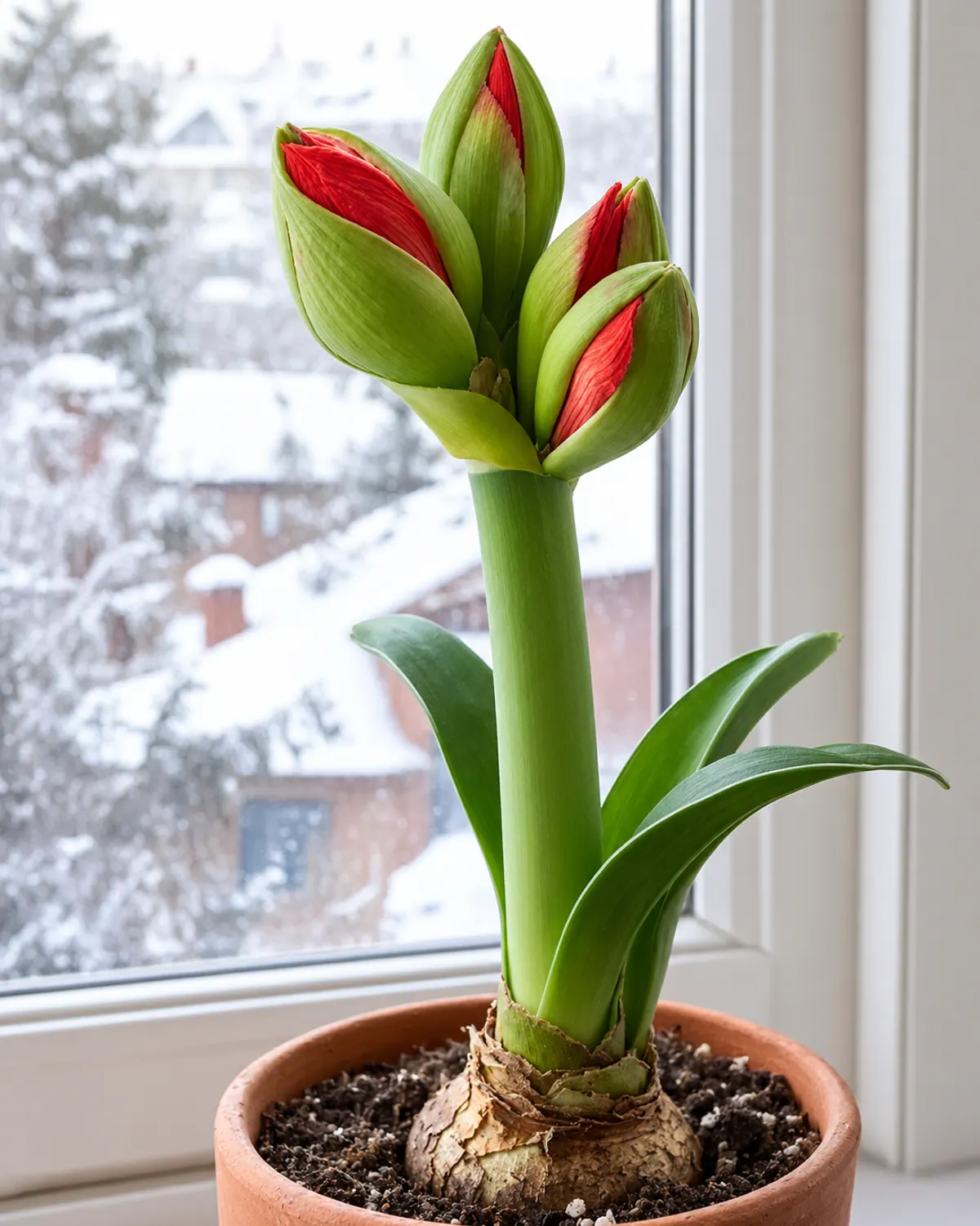
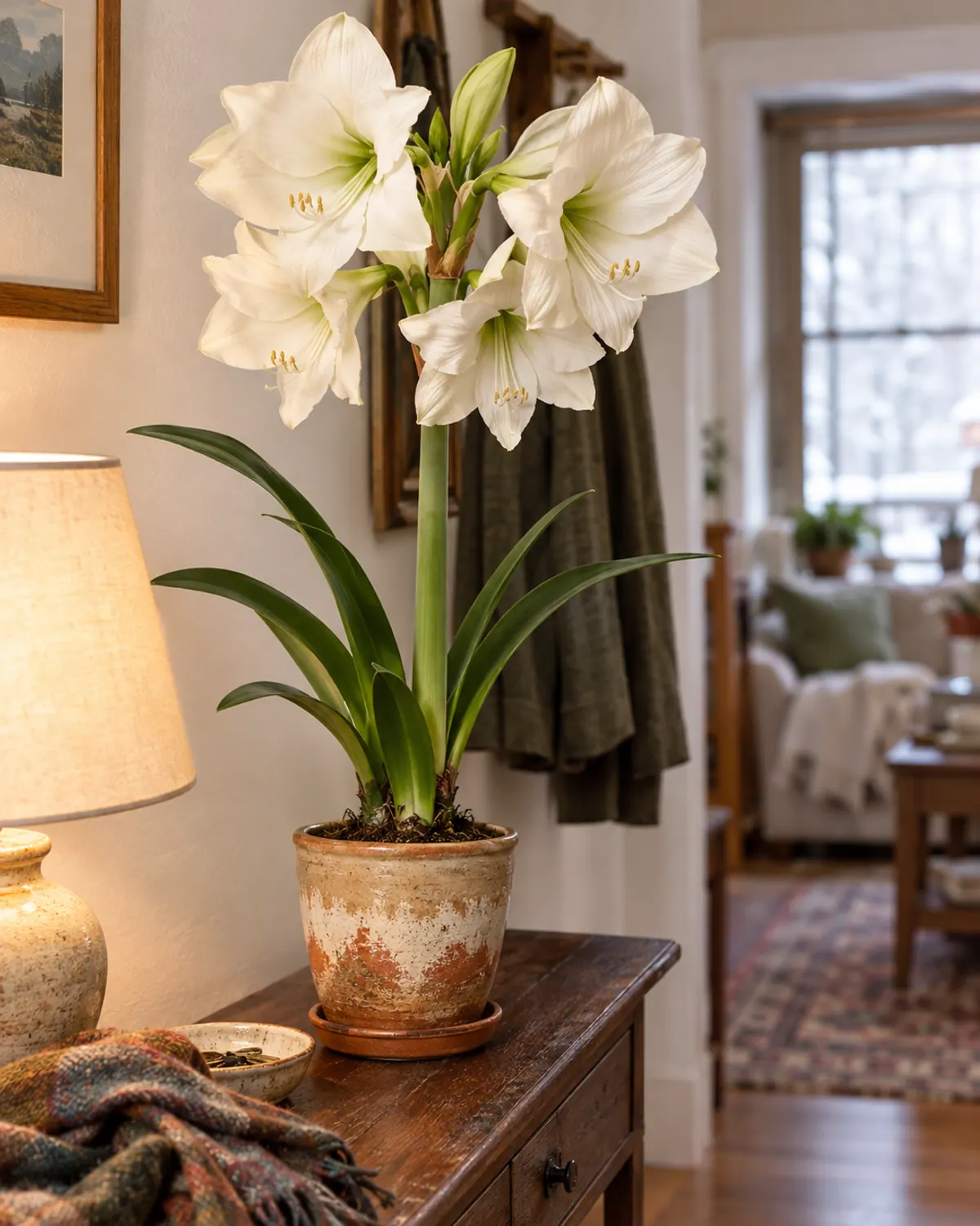
Step 7: Move it somewhere cooler when it blooms
When the buds show color, move the plant out of direct sun to a cooler spot. Flowers last longer in a room in the low to mid 60s°F, away from heater vents and fireplaces.
Amaryllis care after bloom
Don't throw the bulb away when the flowers fade. With a season of leaves in the sun, it can bloom again next winter. Think of the months after flowering as refilling a battery.
-
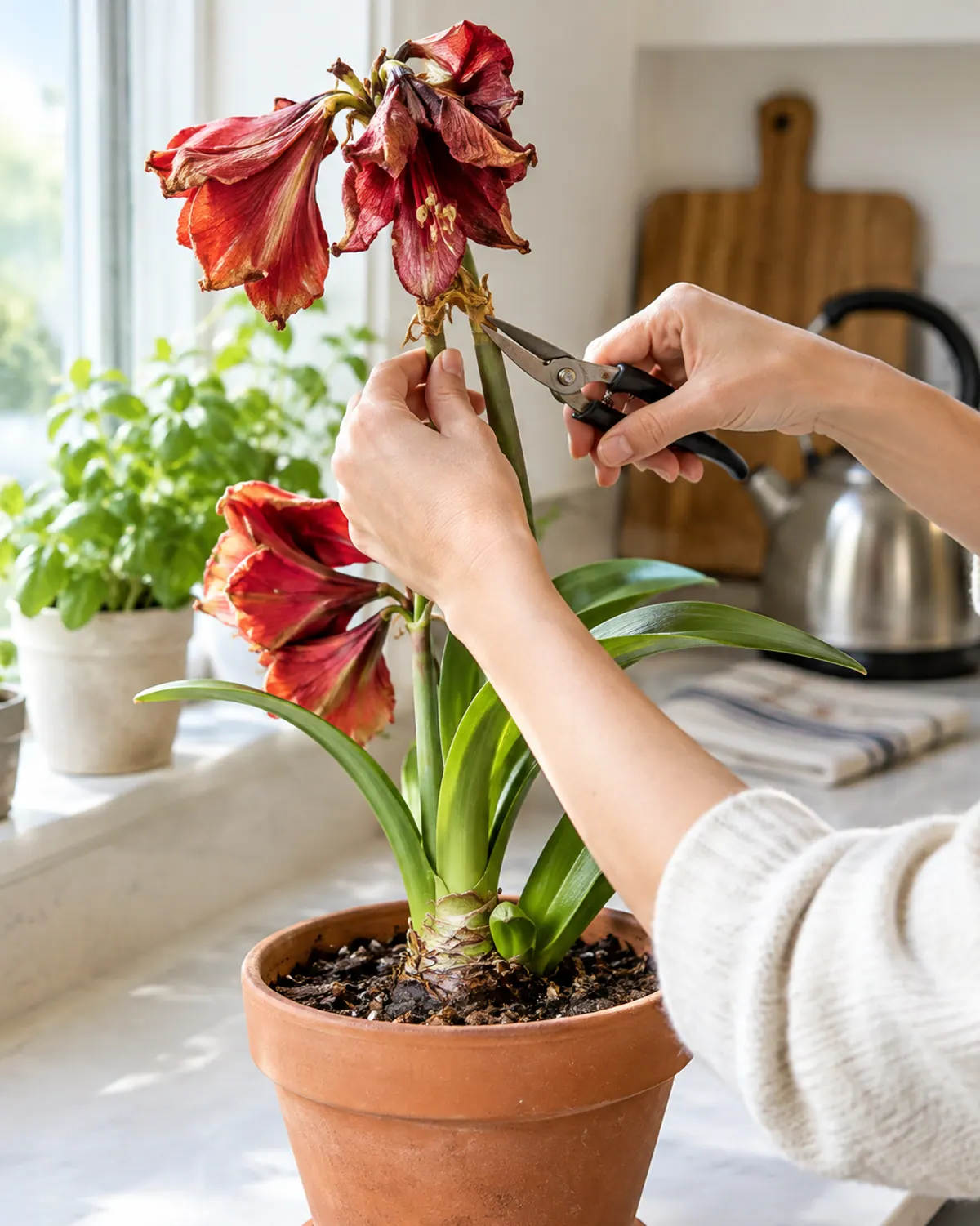
Step 1: Snip off the faded flowers
Cut each spent flower off where it joins the stalk, before seed pods form. Seed-making uses energy the bulb needs. Leave the green stalk in place until it yellows, since it still feeds the bulb, as Illinois Extension notes.
-
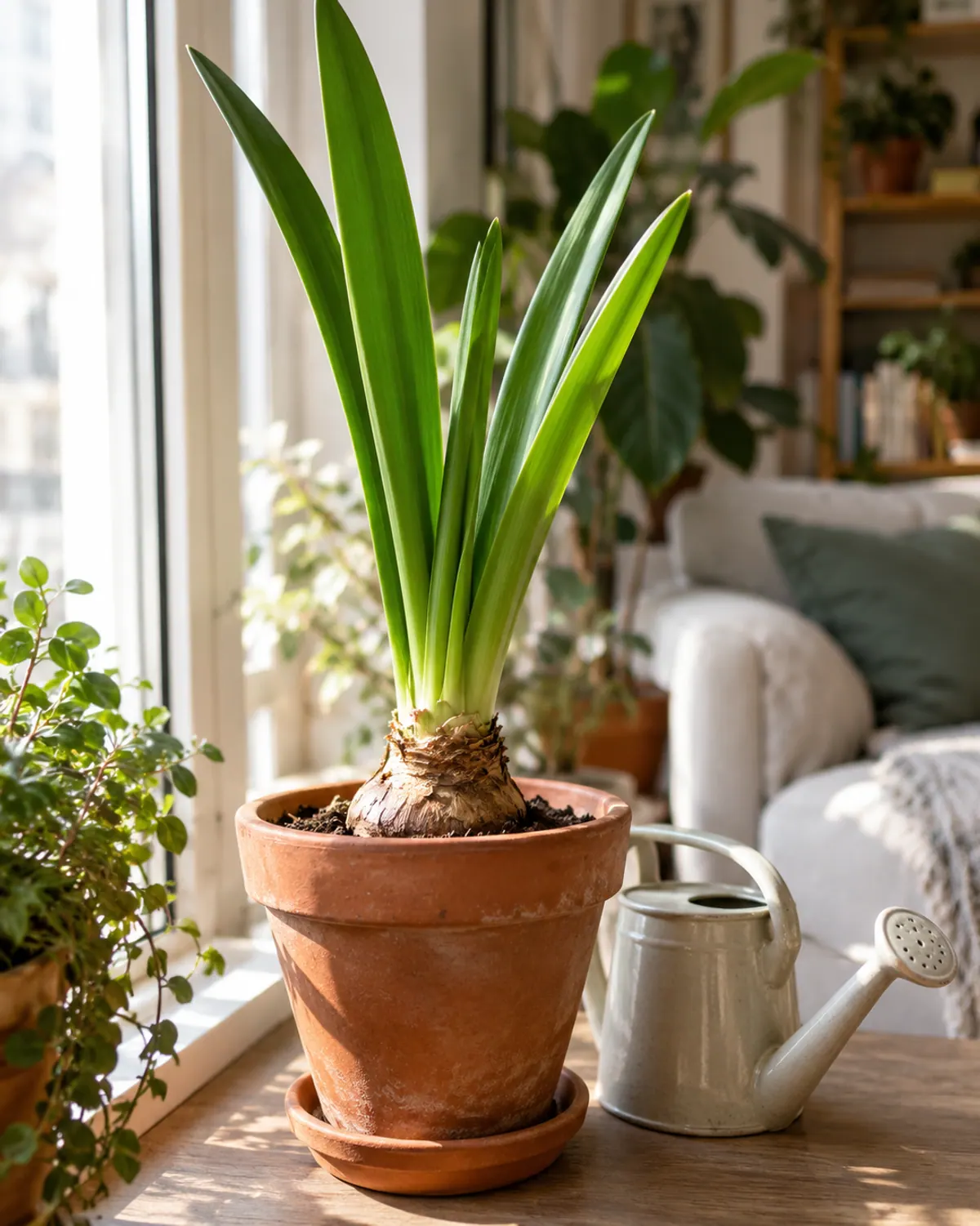
Step 2: Keep the leaves growing in sun
Move the pot back to your sunniest window. Water when the top inch or two of mix is dry and feed with a balanced houseplant fertilizer about once a month. The long strap leaves are doing the work now, so never cut them off while they are green.
-
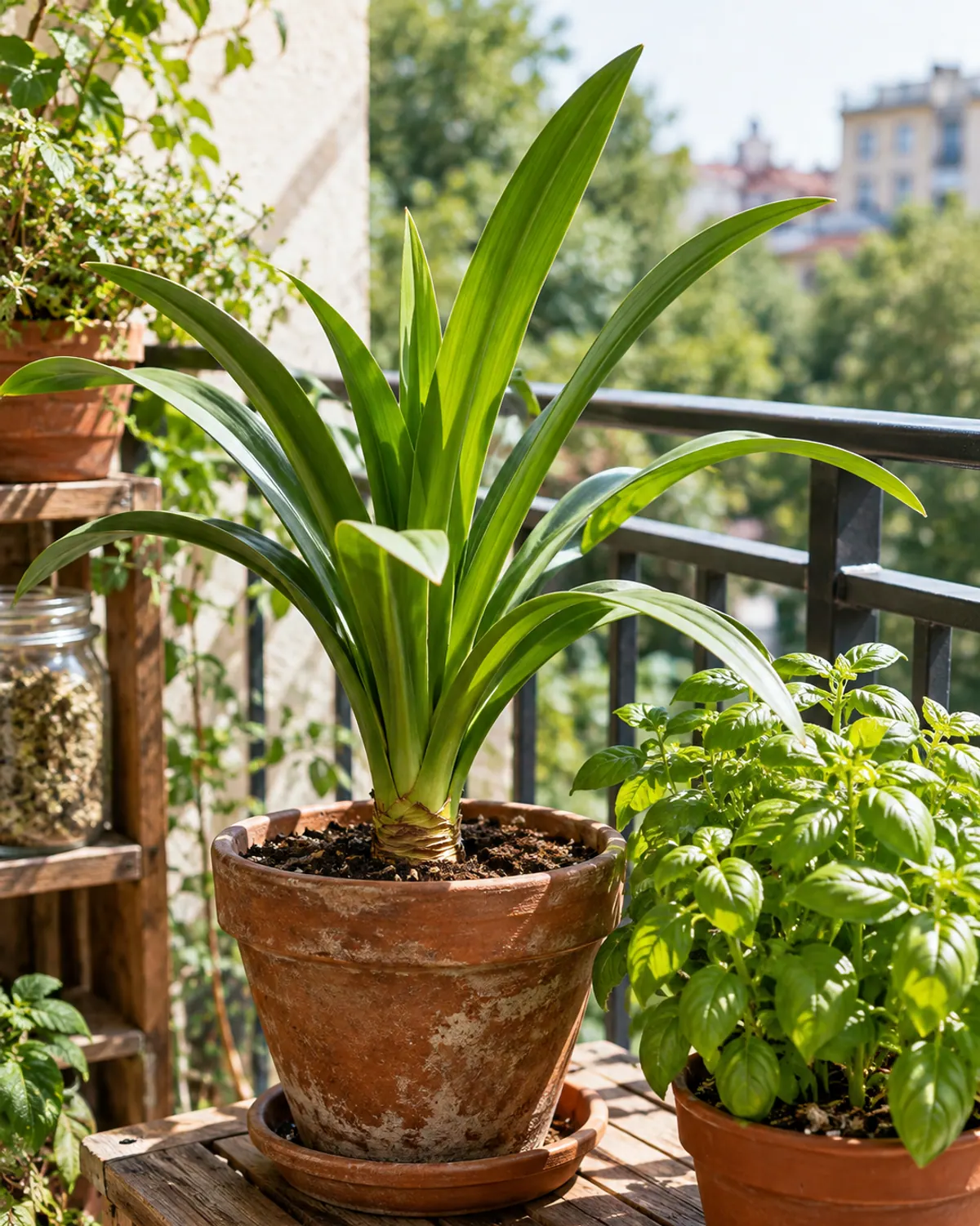
Step 3: Summer outside if you can
After your last frost, the pot can go outside on a balcony or patio. Start in filtered light for a week, then give it more sun, working up to about 6 hours. Bring it back inside before the first fall frost.
-
Step 4: Rest the bulb in early fall (optional)
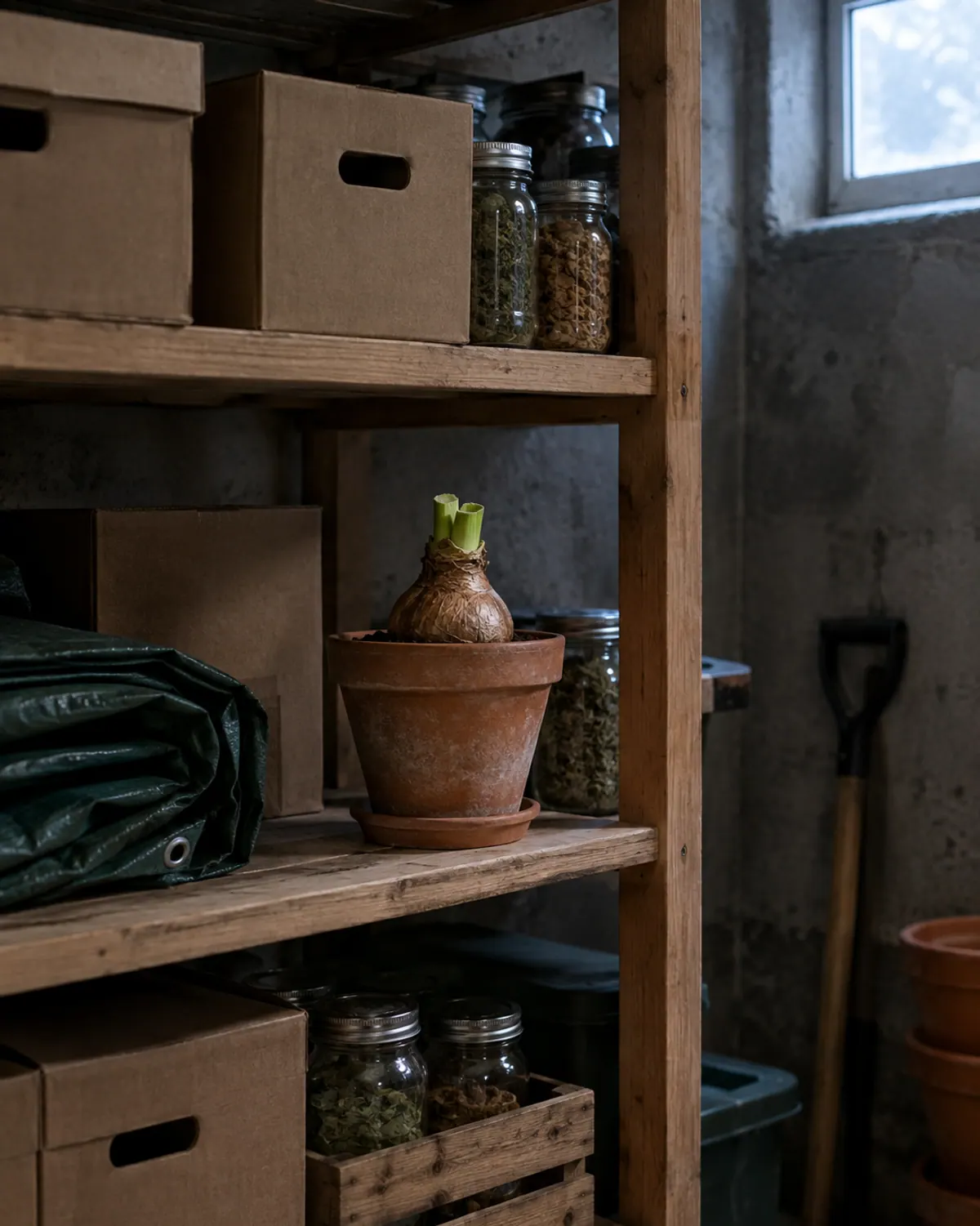
A rest isn't required, but it lets you time the next bloom. Stop watering and set the pot in a cool, dark place around 45 to 55°F for about 8 to 12 weeks. Remove the leaves once they yellow and dry. For holiday flowers, start the rest in early September.
-
Step 5: Wake it up
After the rest, or as soon as you see a new tip, bring the pot back to a warm, bright window and water thoroughly. Flowers usually follow in about 4 to 6 weeks. Repot only every 3 to 4 years, since amaryllis blooms well when snug.
Mistakes that stop amaryllis from blooming
| What you see | Likely cause | What to do |
|---|---|---|
| Soft, mushy bulb or a sour smell | Too much water before roots grew | Water only lightly until growth shows. A rotted bulb rarely recovers. |
| Tall, floppy stalk that leans | Too little light or too much warmth | Move it to brighter light, turn the pot and stake early. |
| Leaves but no flowers the next year | The bulb didn't refill after blooming | Keep leaves growing in full sun and feed monthly through summer. |
| Flowers fade within days | A warm room or a spot over a heater | Move the plant somewhere cooler once buds show color. |
| Red streaks or blotches on leaves and bulb | Red blotch, a common fungal disease | Remove badly spotted leaves, avoid wetting the bulb and give good air flow. |
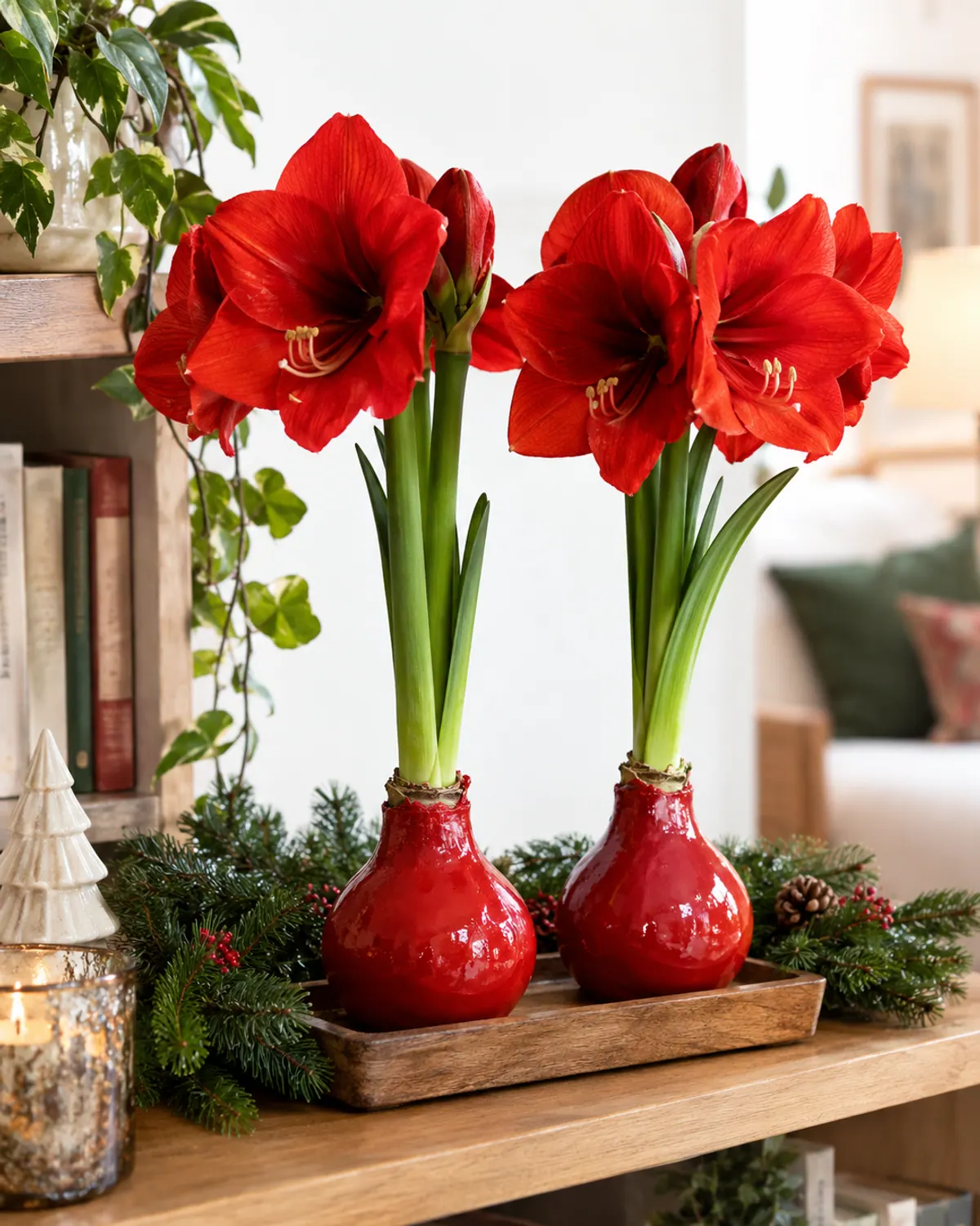
Waxed amaryllis bulbs are dipped in wax and bloom with no pot, soil or water, using the food already stored inside. They make easy gifts, but the wax stops the bulb from rooting, so most gardeners treat them as one-season decorations.
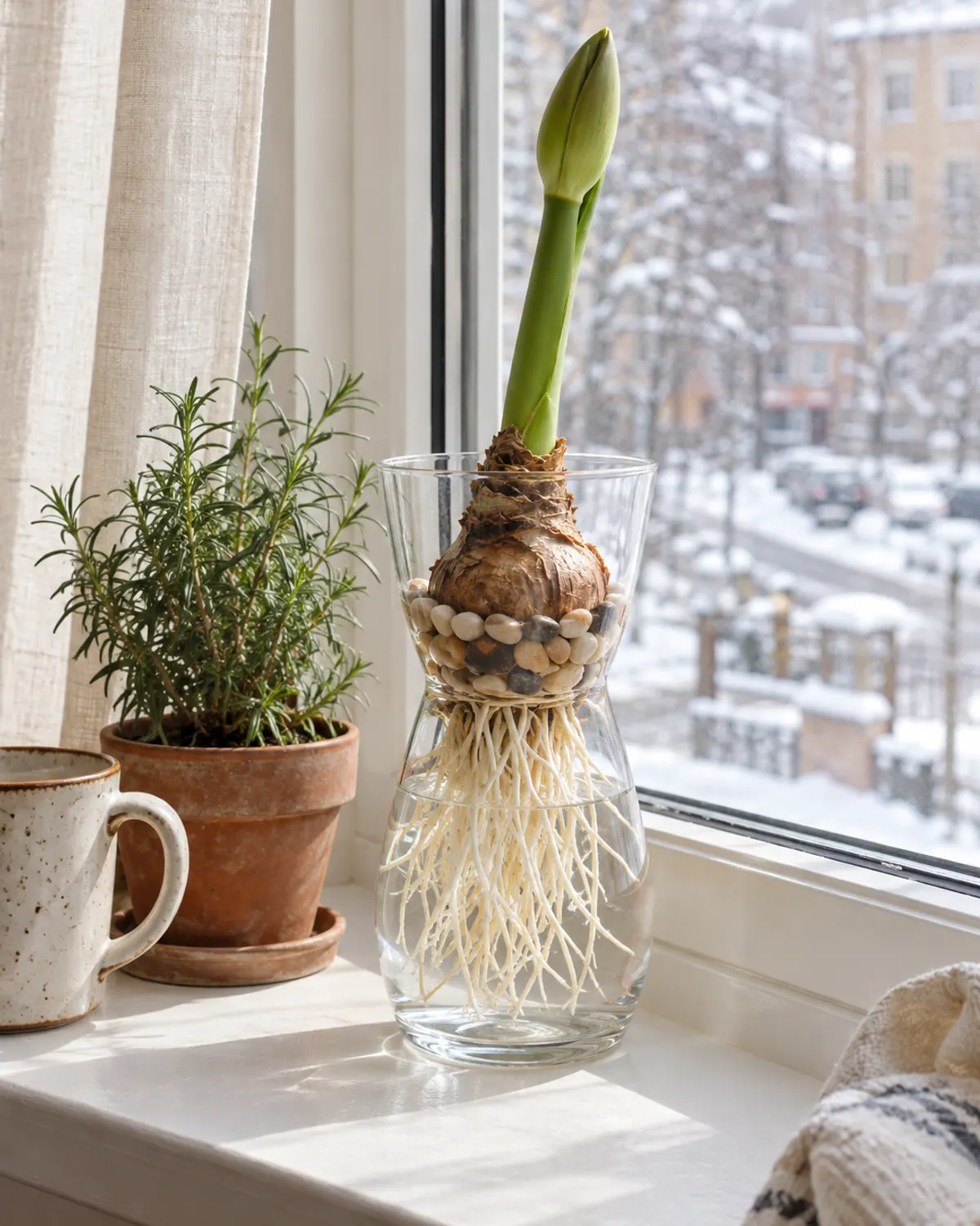
Growing in a vase looks lovely in a bright kitchen. Rest the bulb on pebbles or in a forcing vase so only the roots touch water and the base of the bulb stays dry. A bulb sitting in water rots quickly, and a bulb grown in water alone is usually weaker the next year.
Bonus: pet and kid safety with holiday bulbs
This is the part that is easy to overlook. The ASPCA lists amaryllis as toxic to cats and dogs, from lycorine and related compounds. Signs include vomiting, diarrhea, drooling, belly pain, low energy, loss of appetite and tremors.
The bulb is generally considered the most toxic part, and a loose bulb on a counter looks a lot like a toy to a dog. Plant bulbs soon after you buy them, keep pots on high shelves away from chewers, and wash your hands after handling them. Bulbs aren't food for people either, so keep them away from small children.
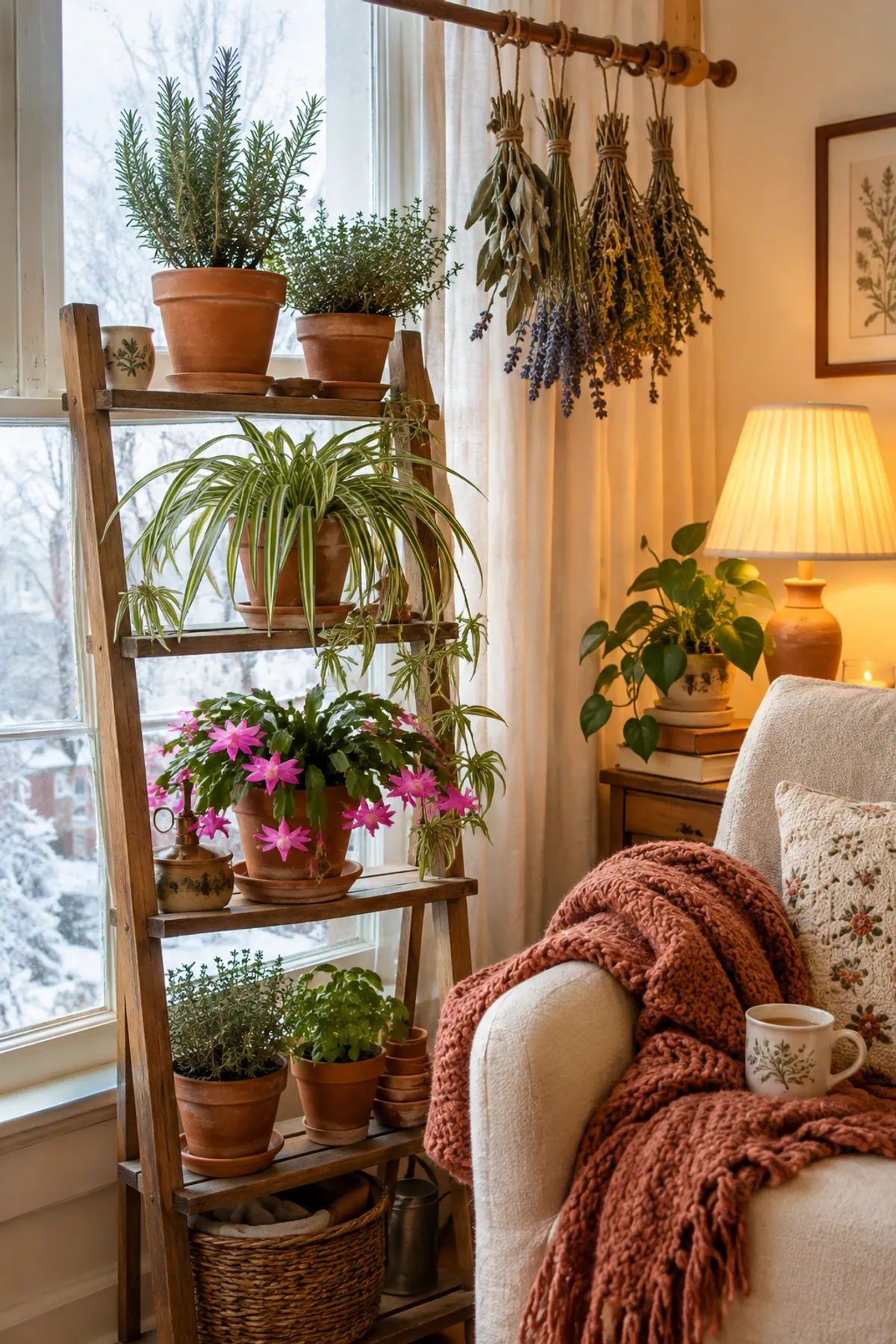
For more winter windowsill color, see our Christmas cactus care guide, a rosemary Christmas tree for the kitchen, and cozy winter plant corner ideas for grouping them.
Amaryllis supplies
Shop the look
- Start here
Large amaryllis bulbs
$10-25 per bulb
Bigger, firm bulbs usually give more stalks and flowers.
Check price on Amazon for Large amaryllis bulbs -
Amaryllis bulb kit with pot
$20-40
Bulb, pot and mix in one box. Check the pot has a drainage hole.
Check price on Amazon for Amaryllis bulb kit with pot -
Heavy terracotta pot, 6 to 7 inch
$10-20
Adds weight so a top-heavy bloom doesn't tip over.
Check price on Amazon for Heavy terracotta pot, 6 to 7 inch -
Green bamboo plant stakes
$6-12
Thin stakes support a tall stalk without crowding the bulb.
Check price on Amazon for Green bamboo plant stakes -
Glass bulb forcing vase
$10-25
Holds the bulb above the water so only the roots get wet.
Check price on Amazon for Glass bulb forcing vase -
Balanced liquid houseplant fertilizer
$8-15
Feeds the leaves monthly after bloom so the bulb refills.
Check price on Amazon for Balanced liquid houseplant fertilizer
We earn from qualifying purchases, which never changes what we recommend. Read our disclosure and editorial guidelines.
Frequently asked questions
How long does it take an amaryllis to bloom?
Most amaryllis bulbs bloom about 6 to 10 weeks after planting, depending on the variety and room temperature. Warmer rooms and bright light speed things up. For December flowers, plant from about mid-October to early November.
How often should I water an amaryllis?
Water thoroughly once after planting, then only lightly until you see growth. Once the stalk or leaves are growing, water when the top inch or two of potting mix is dry, and empty the saucer so the bulb never sits in water.
What do I do with my amaryllis after it blooms?
Snip off faded flowers, leave the stalk until it yellows and keep the leaves growing in your sunniest window. Water and feed monthly through spring and summer. In early fall you can rest the bulb in a cool, dark place for 8 to 12 weeks, then bring it back to warmth and light to bloom again.
Does an amaryllis need a dormant period?
Not strictly. University of Illinois Extension notes a rest isn't required, but it helps you control when the bulb blooms. Without one, the bulb may flower on its own schedule, often later in winter or spring.
Is amaryllis poisonous to cats and dogs?
Yes. The ASPCA lists amaryllis as toxic to cats and dogs. Eating it can cause vomiting, diarrhea, drooling, belly pain and tremors, and the bulb is generally considered the most toxic part. Keep it out of reach and call your vet if a pet chews it.
Why are my amaryllis leaves growing but no flowers?
Usually the bulb didn't store enough energy the year before. Keep the leaves growing in full sun and feed monthly after bloom. Small bulbs, too little light in summer and cutting leaves while they were green are common causes.
Save it for later
Pin this to your Houseplants board so it's there when you need it.
Save to Pinterest