This post contains affiliate links. As an Amazon Associate we earn from qualifying purchases, at no extra cost to you. Read our disclosure.
Safety first: Herbs can be powerful. If you are pregnant, nursing, take medication or have a health condition, check with your doctor or pharmacist first. Please read our herbal & garden safety notes before you start.
Key takeaways
- 1 teaspoon dried equals about 1 tablespoon fresh; add dried herbs early in cooking.
- Resinous herbs (oregano, thyme, rosemary, sage, bay) dry best.
- Soft herbs like basil, parsley and chives lose most flavor when dried.
- Whole dried leaves keep about 1 to 3 years in airtight jars; crushed herbs fade faster.
- Herbal teas are not medical advice; check with a doctor if pregnant, and keep herbs away from pets.
In this post8 sections
Most cooks use dried herbs the same way: early in the pot, at about a third of the fresh amount. What changes from herb to herb is the food it suits and how well it keeps its flavor once dry.
Which herbs are worth buying or drying
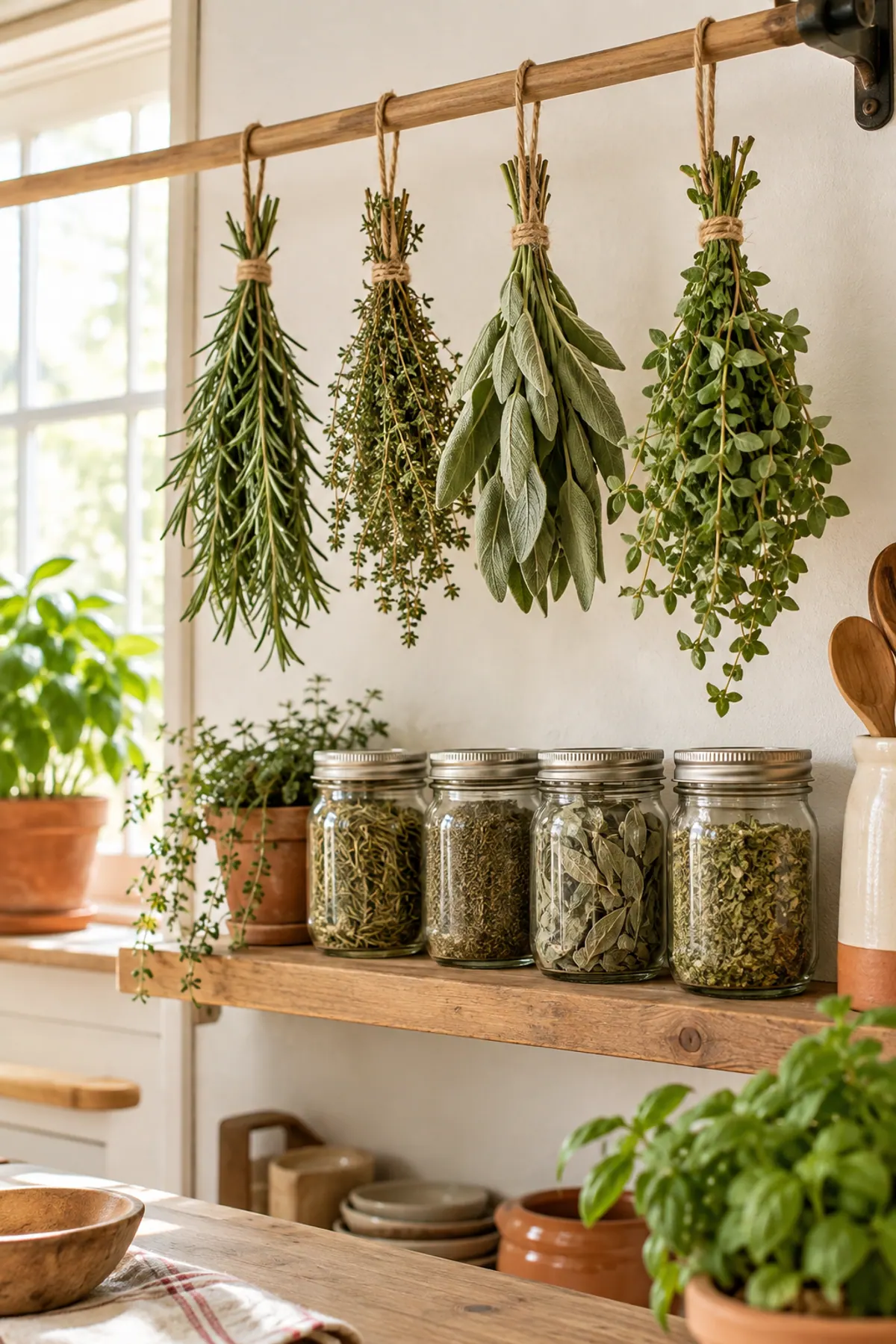
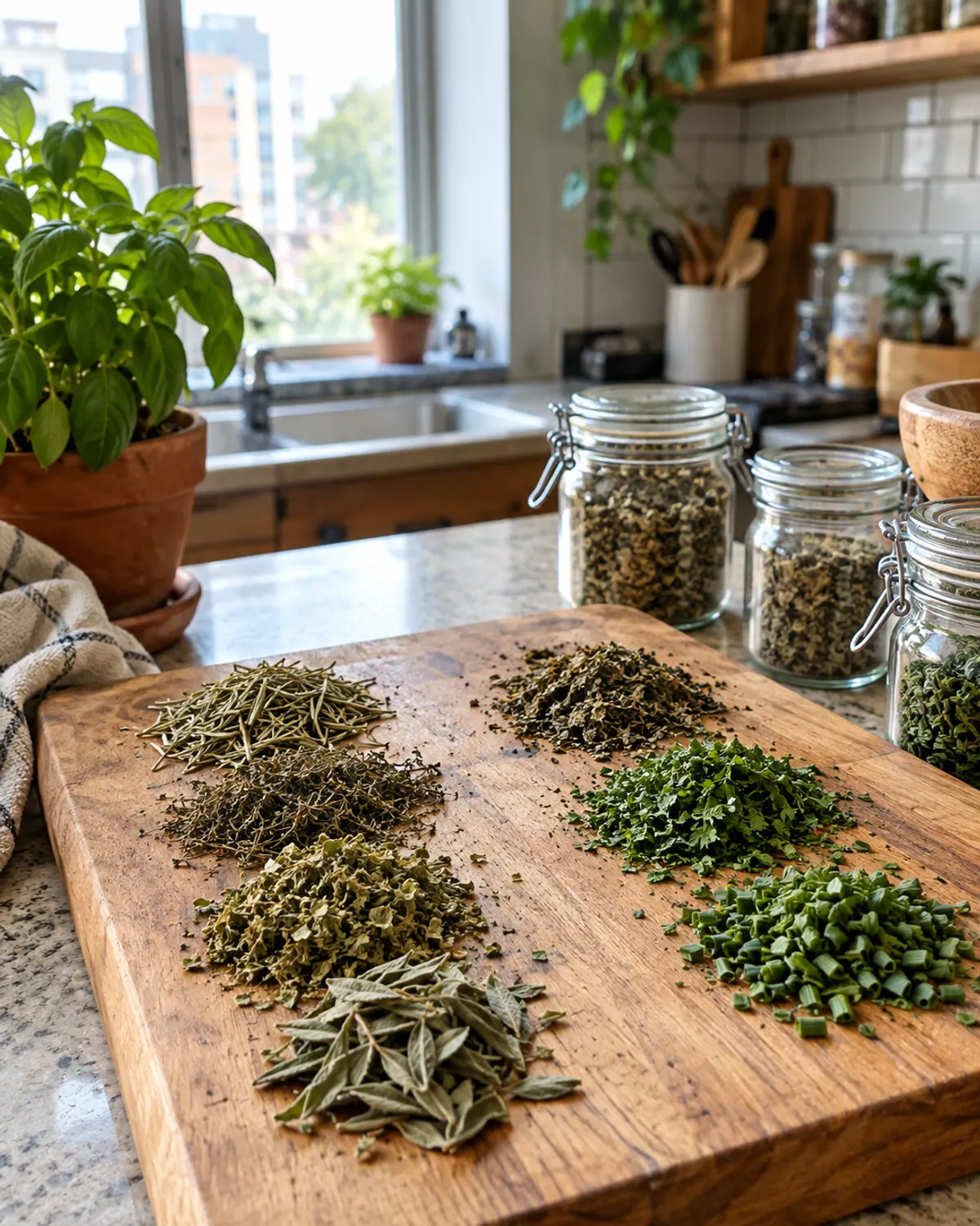
Woody, resinous herbs such as rosemary, thyme, oregano, sage and bay hold their oils when dried, so they taste close to fresh. Soft, leafy herbs such as basil, parsley, chives and cilantro lose much of their flavor and are better fresh or frozen.
Dry well
- Oregano and marjoram
- Thyme
- Rosemary
- Sage
- Bay leaves
- Mint and dill (used sparingly)
Better fresh or frozen
- Basil
- Parsley
- Chives
- Cilantro
- Tarragon loses some of its anise flavor
Dried herbs and their uses: the kitchen chart
Use this chart as a starting point for pairings. These are general kitchen uses, not health claims.
| Herb | Flavor | Common uses | Note |
|---|---|---|---|
| Oregano | Bold, earthy | Tomato sauce, pizza, beans, Greek-style dishes | One of the few that tastes stronger dried |
| Thyme | Savory, woody | Roast vegetables, soups, stews, stuffing | Pairs with almost any savory dish |
| Rosemary | Piney, strong | Potatoes, roast chicken, bread, white beans | Crush the needles; use a little |
| Sage | Earthy, slightly bitter | Stuffing, squash, brown butter pasta, pork | Rub between fingers before adding |
| Bay leaves | Subtle, herbal | Soups, stocks, rice, braises | Remove before serving |
| Marjoram | Sweet, mild oregano | Eggs, mushrooms, sausage, vegetable soups | Add near the end; it is delicate |
| Basil | Sweet, mild when dry | Long-simmered tomato sauce, soups | Much weaker than fresh |
| Parsley | Grassy, mild | Soups, rubs, breadcrumbs | Mainly color; use fresh for flavor |
| Dill | Bright, tangy | Yogurt dips, potato salad, fish, pickled vegetables | Add late; heat fades it |
| Mint | Cool, strong | Tea, yogurt sauces, lentils, Middle Eastern dishes | Dried mint is strong; use sparingly |
| Tarragon | Anise-like | Chicken, eggs, creamy sauces | Fresh is better; dried is milder |
| Chives | Mild onion | Eggs, potatoes, dips | Freeze-dried keeps more flavor |
| Lavender (culinary) | Floral, strong | Shortbread, lemonade, sugar | A pinch only; too much tastes soapy |
| Chamomile | Apple-like, floral | Herbal tea, blends | Mostly for tea; allergy note below |
How much dried herb to use
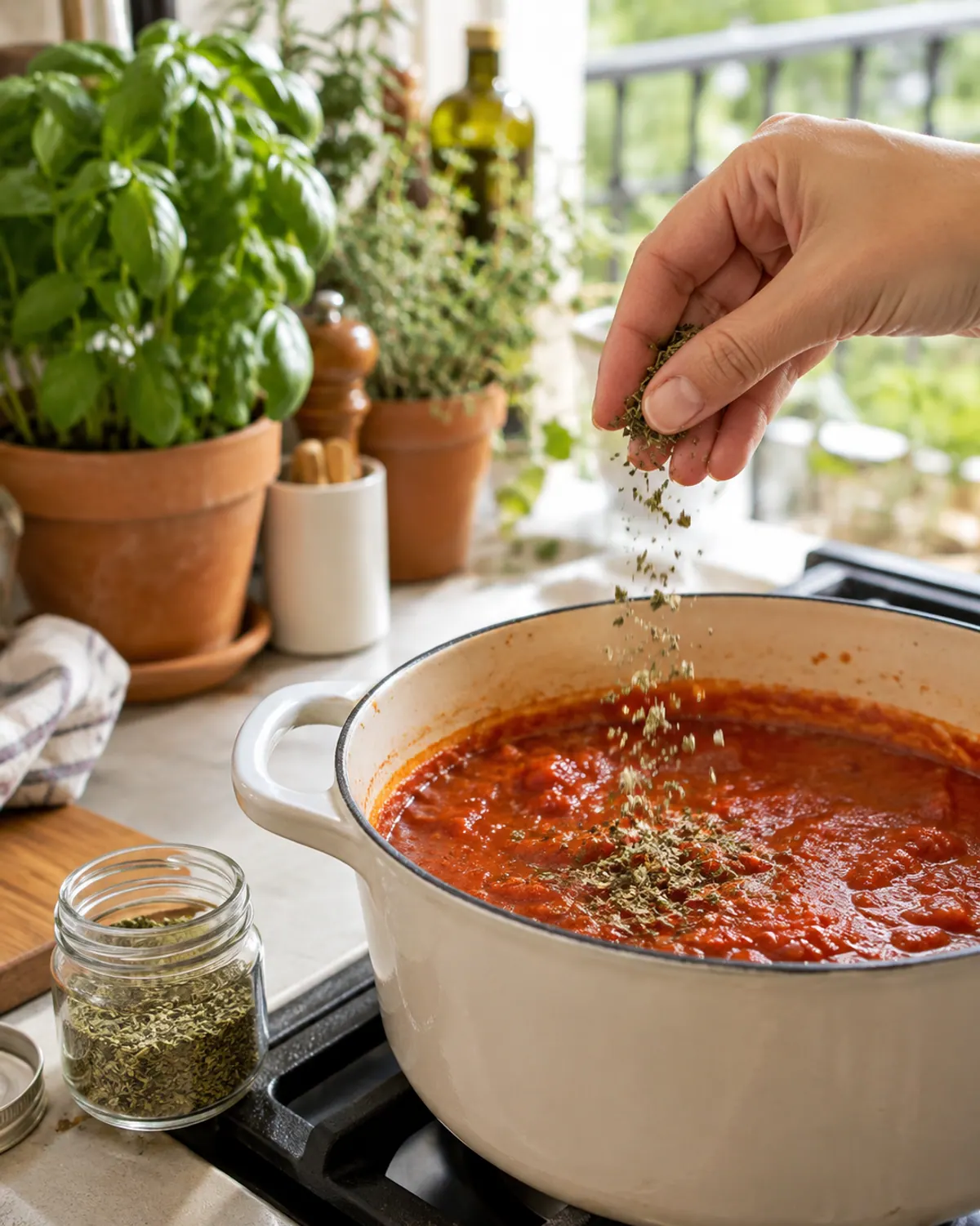
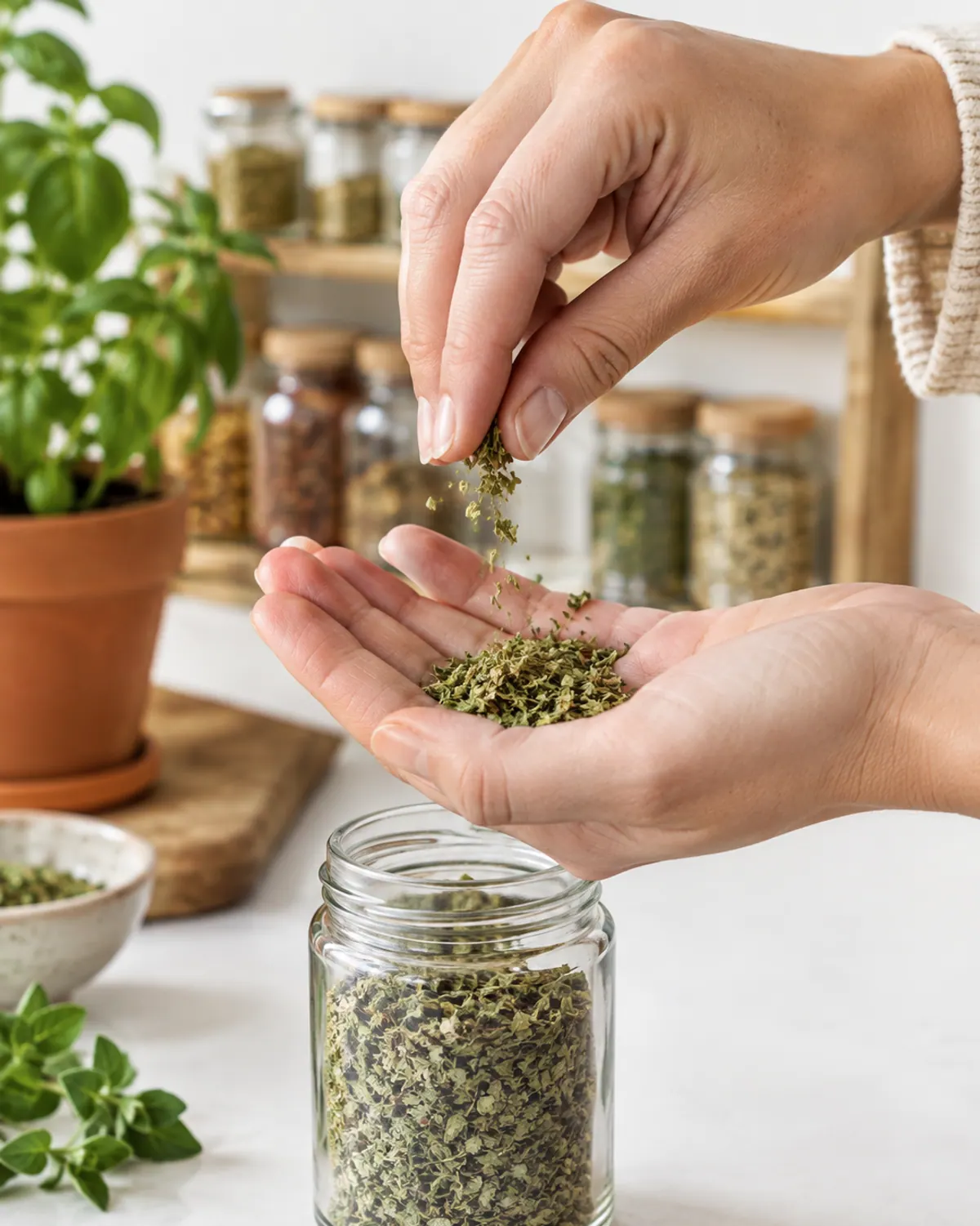
Health Canada and most cooking guides use the same rule: 1 teaspoon of dried herb equals about 1 tablespoon of fresh, since drying concentrates the flavor. Crumble dried leaves between your fingers as you add them to wake up the oils.
Uses by dish
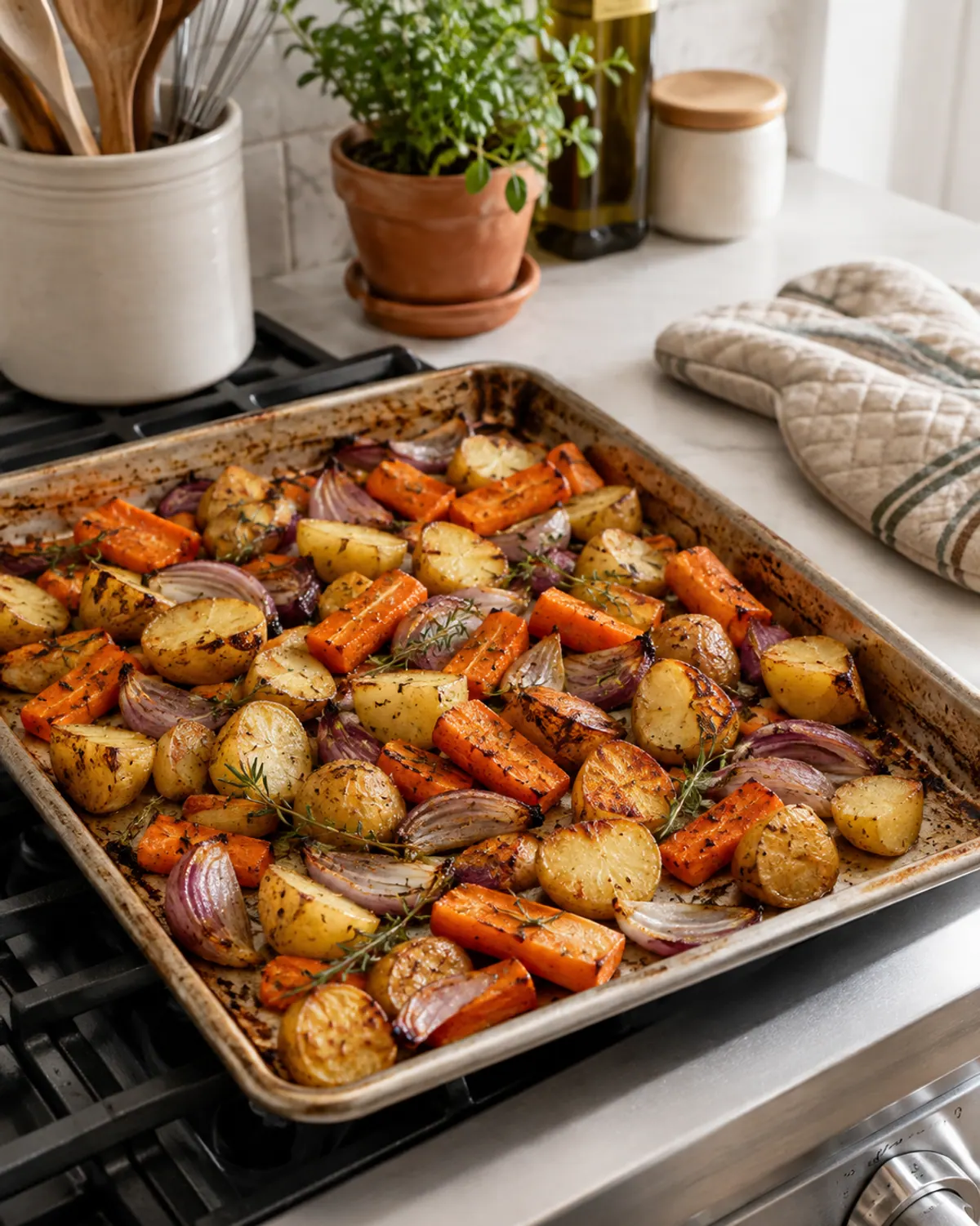
Roasted vegetables and potatoes: thyme, rosemary and oregano, tossed with oil before roasting.
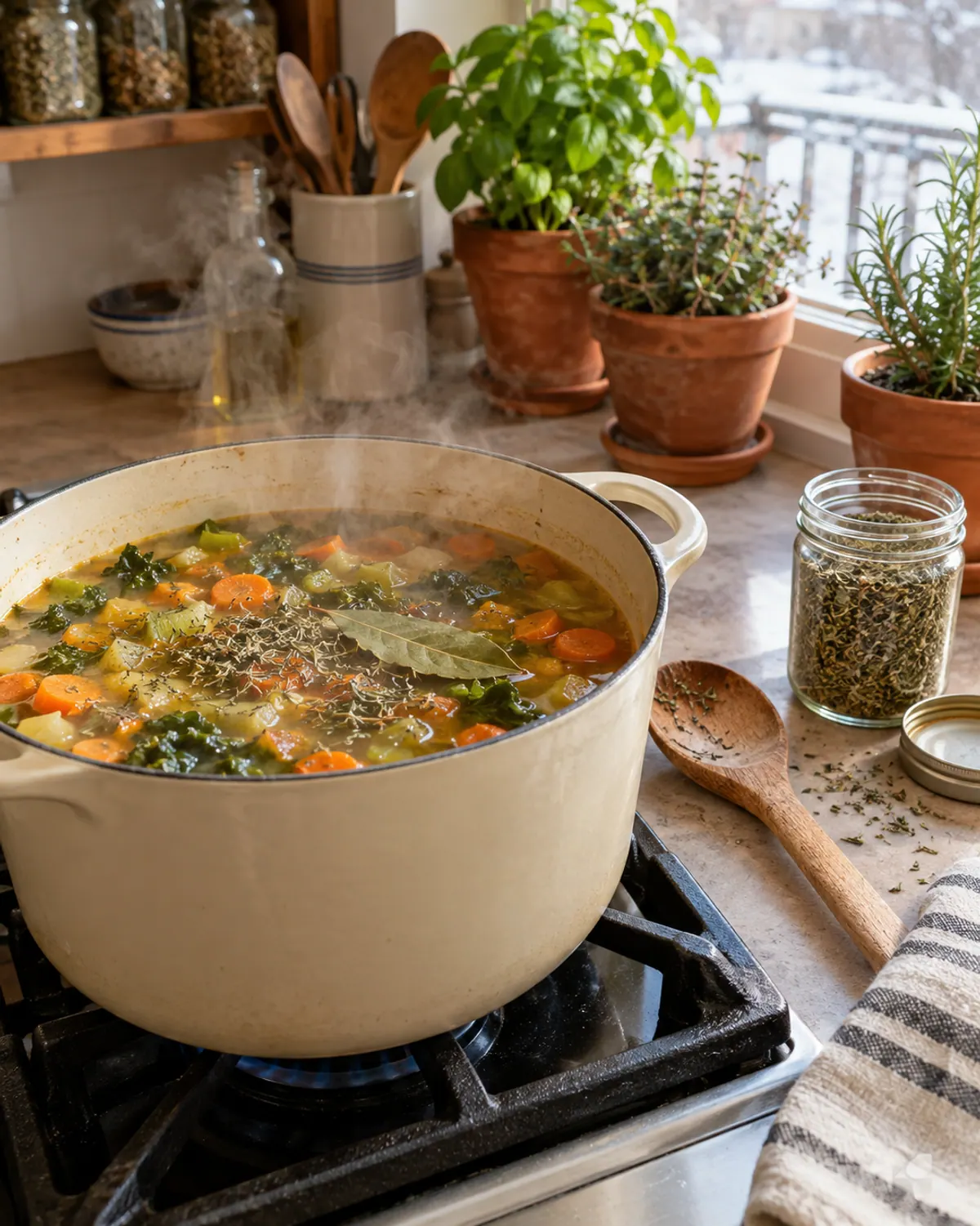
Soups and stews: bay, thyme, sage and parsley, added early.
Tomato dishes: oregano, basil and marjoram.
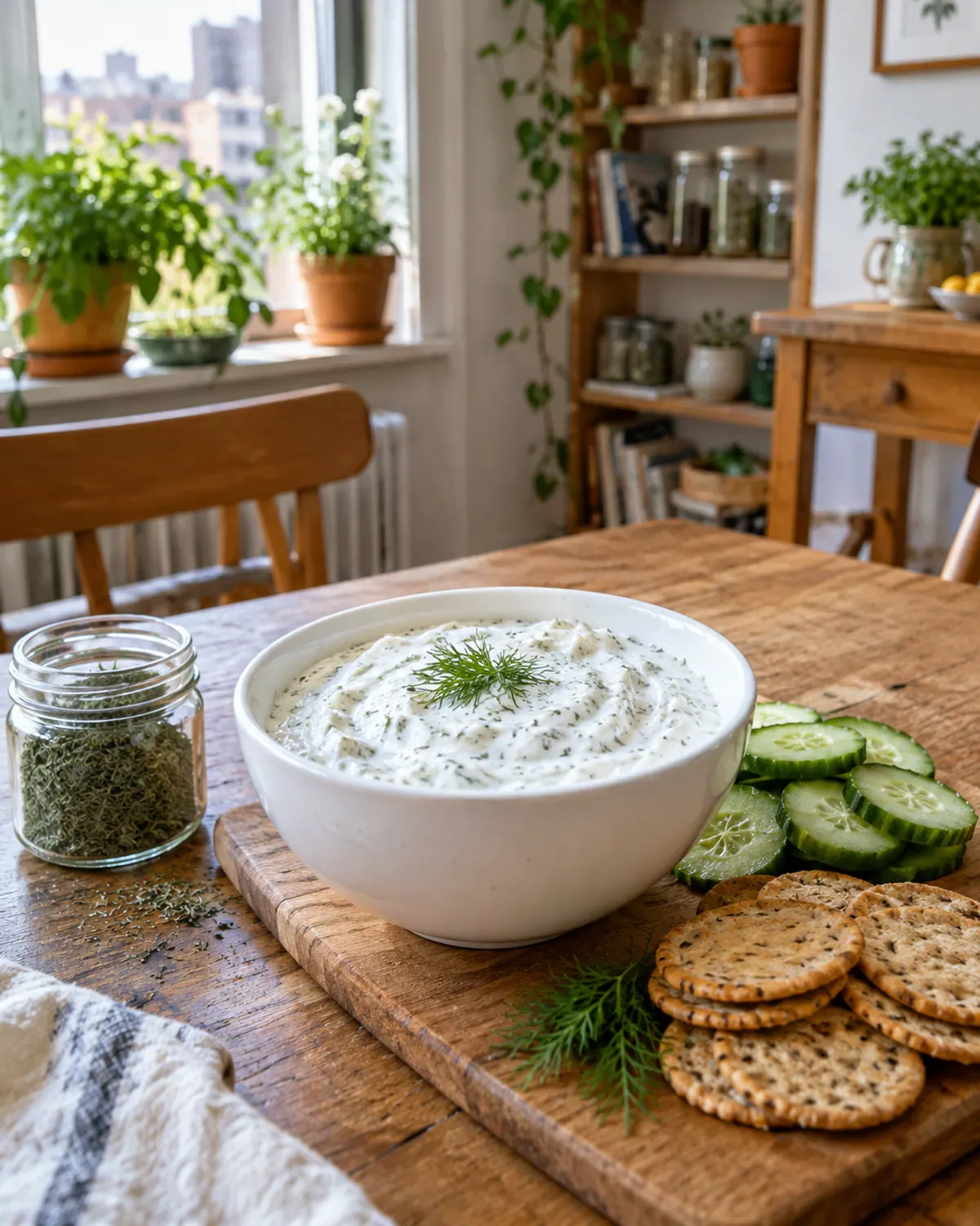
Dips and dressings: dill, mint and chives, stirred into yogurt and left to sit for 30 minutes so the herbs soften.
Eggs: chives, tarragon and marjoram.
Beans and lentils: mint, oregano, sage and bay.
Beyond cooking: tea, sachets and gifts
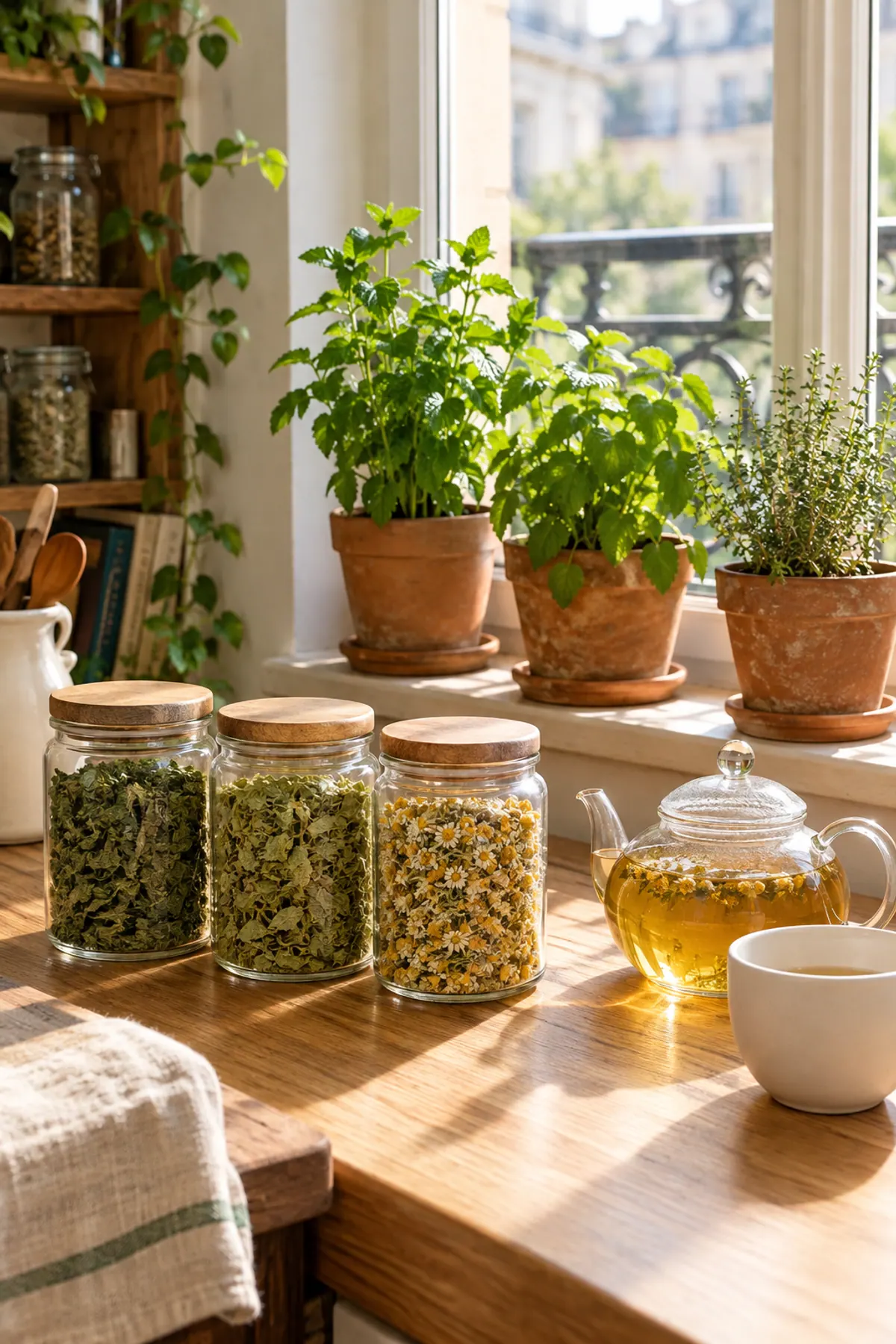
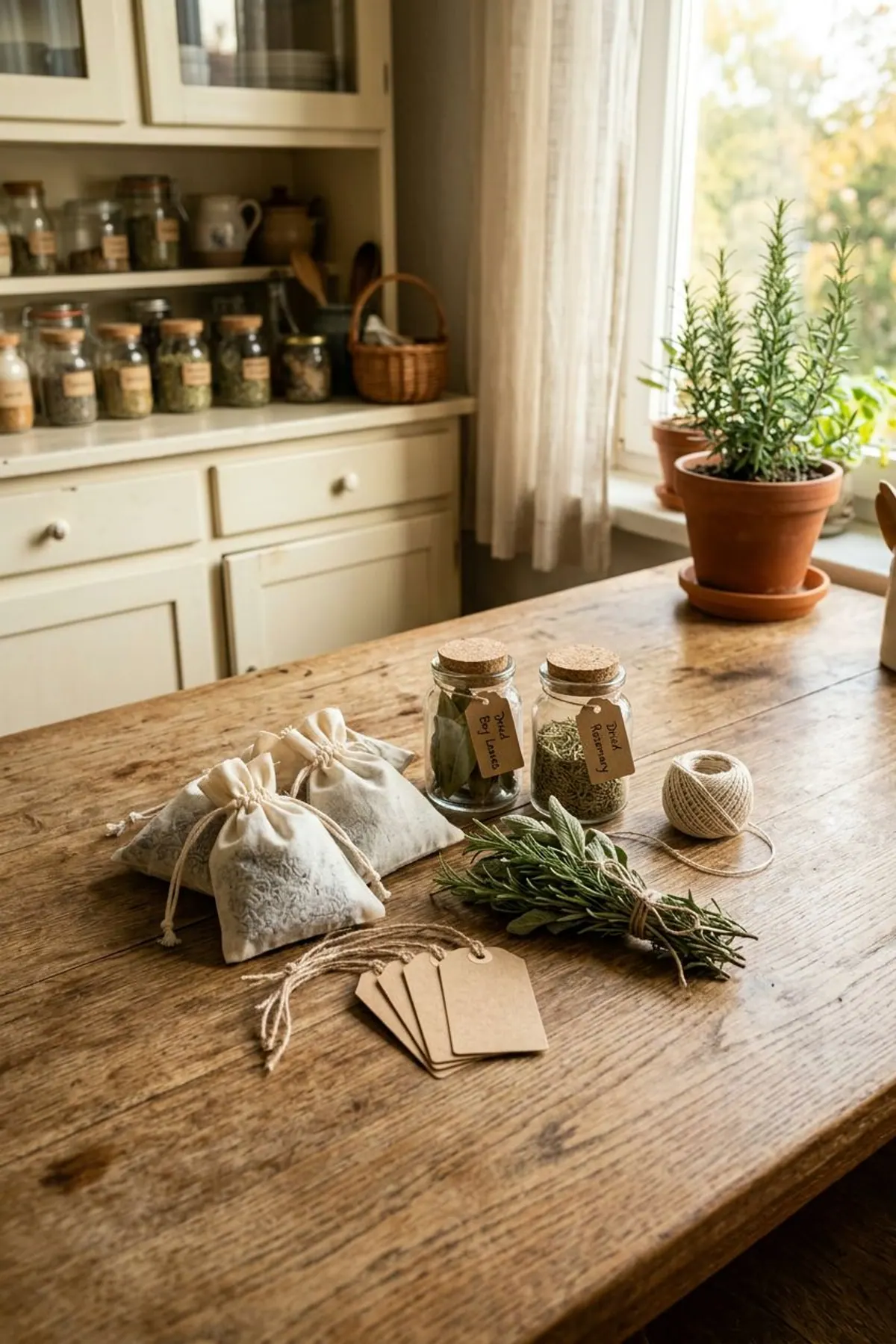
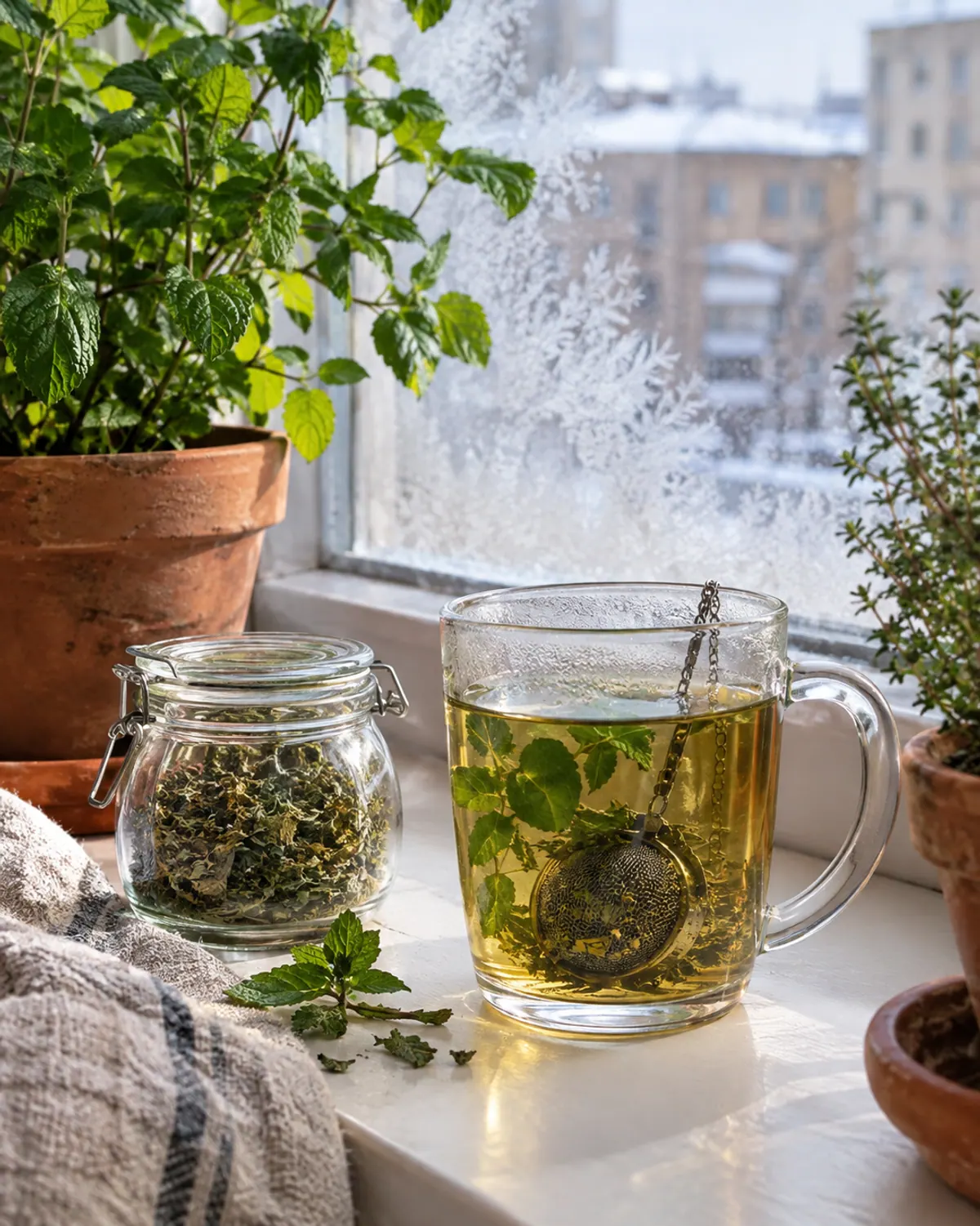
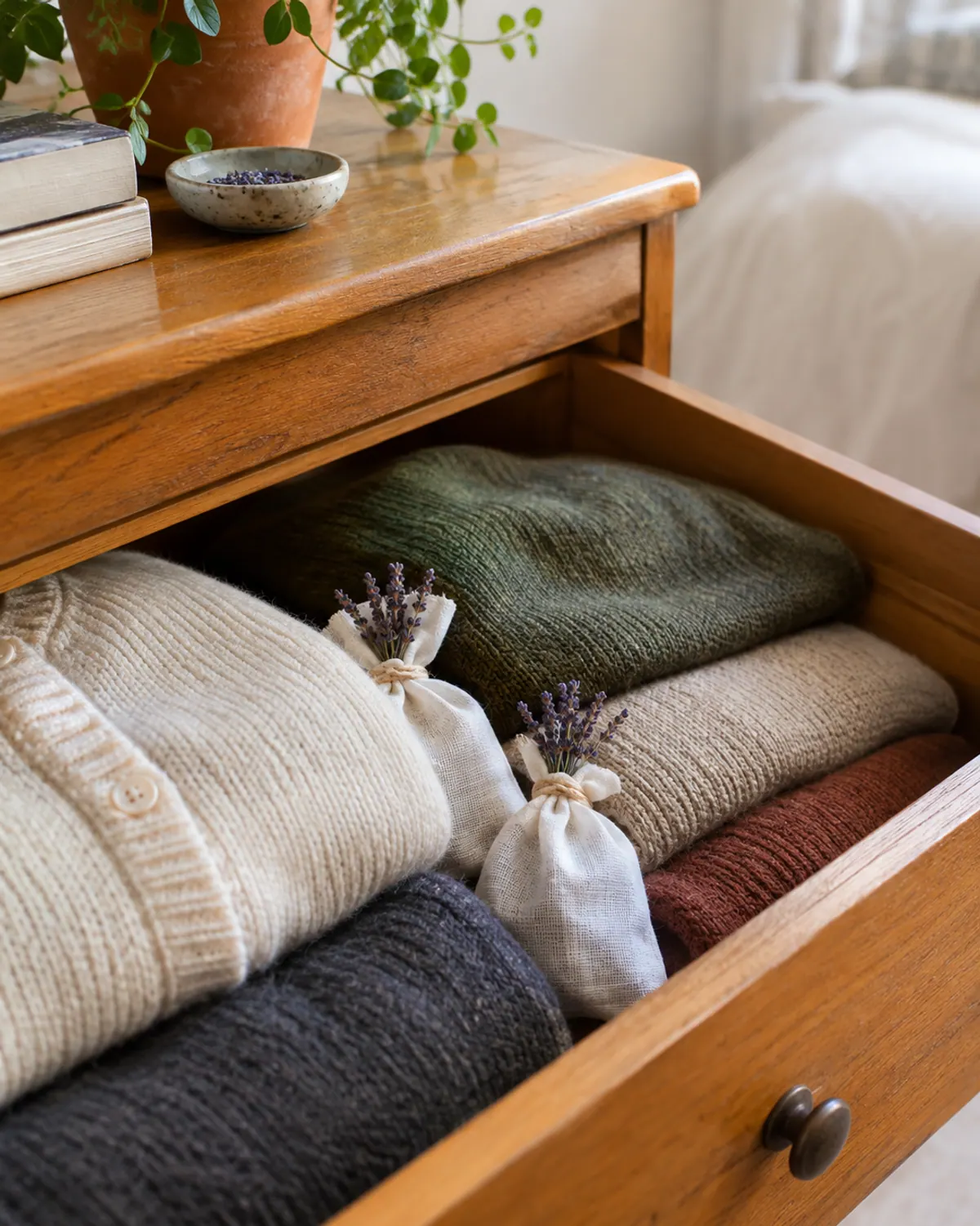
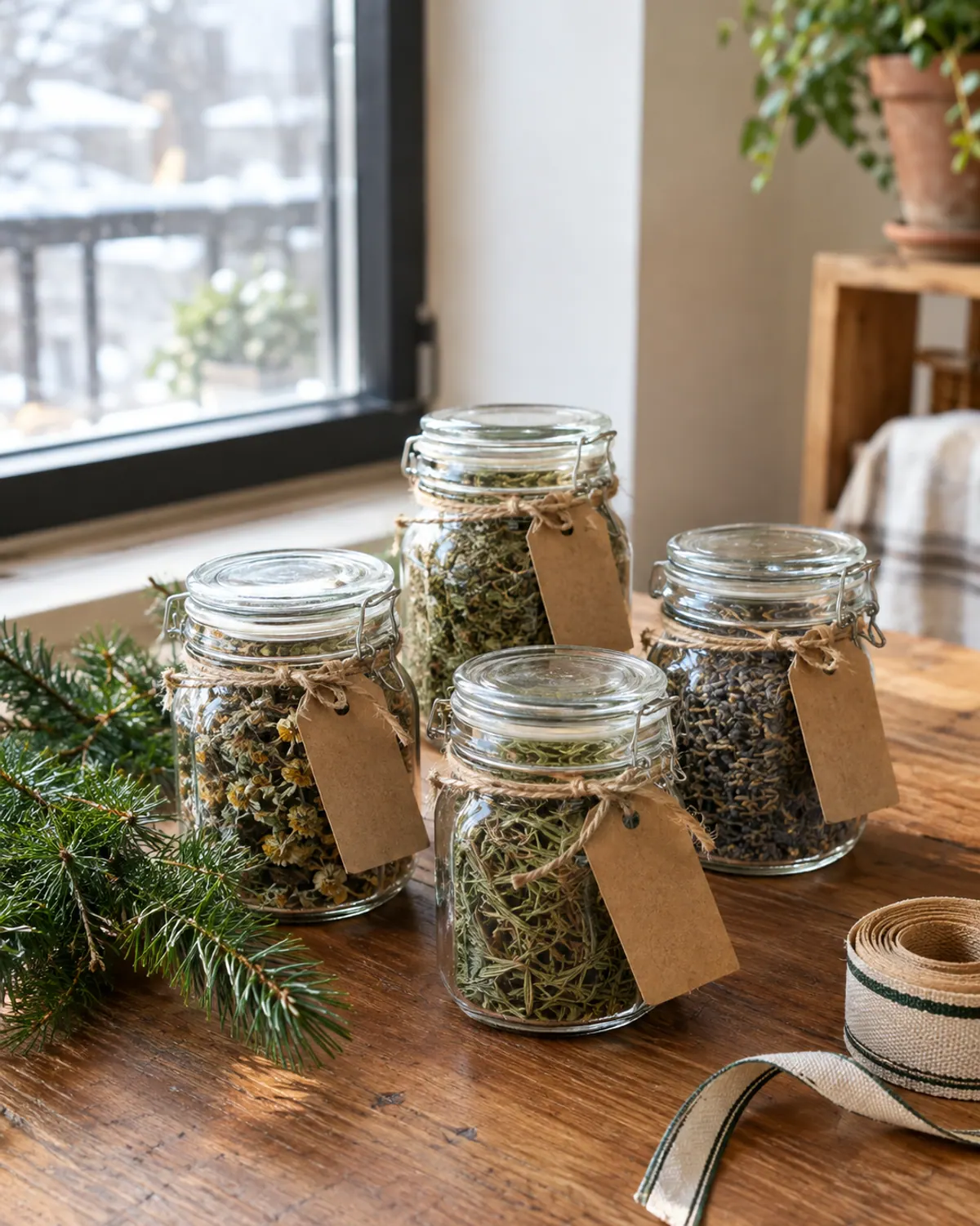
Dried mint, chamomile, lemon balm and lavender are popular for herbal tea; our herbal tea blends for beginners has 12 simple combinations. Lavender and rosemary also go into drawer sachets, and dried herbs in small jars make easy gifts.
For gift ideas, see herbal tea gift sets and herbal bath salts.
How long dried herbs last
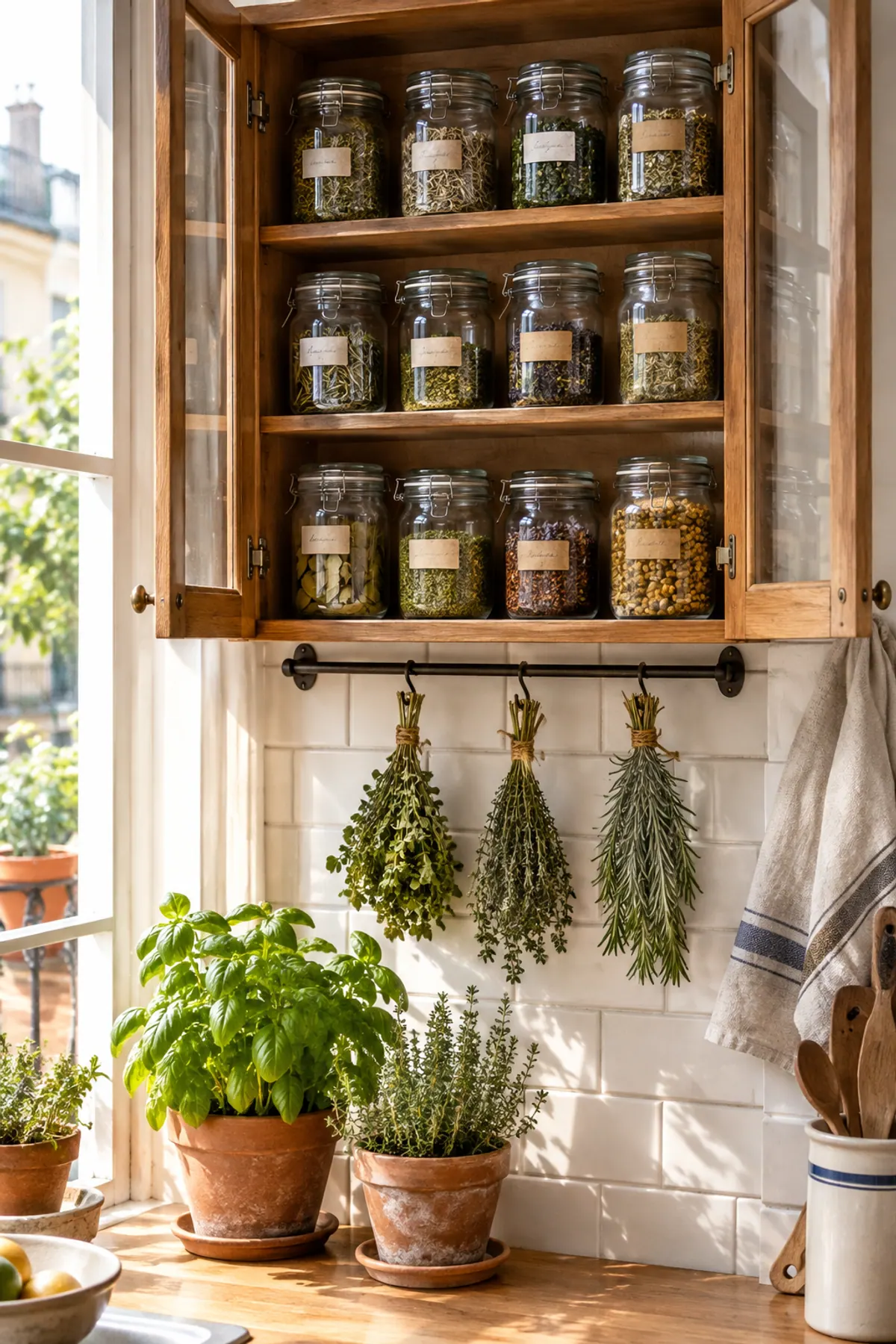
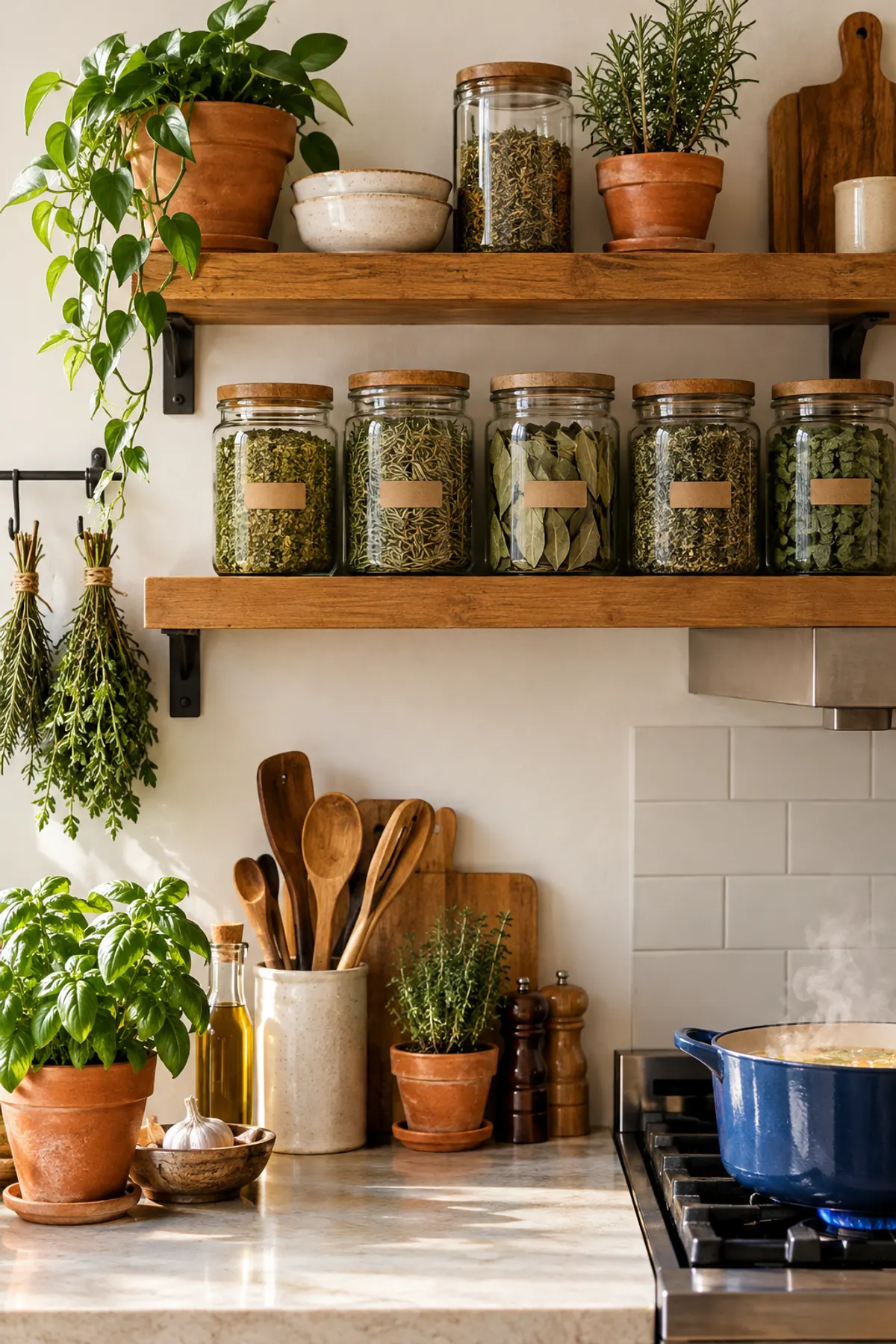
Whole dried leaves usually keep good flavor for about 1 to 3 years; crushed or ground herbs fade sooner, often within a year. Store them in airtight jars away from the stove, sunlight and steam. To test, crush a pinch: if the smell is faint or the color is dull and grey, replace it.
Dried herb pantry checklist
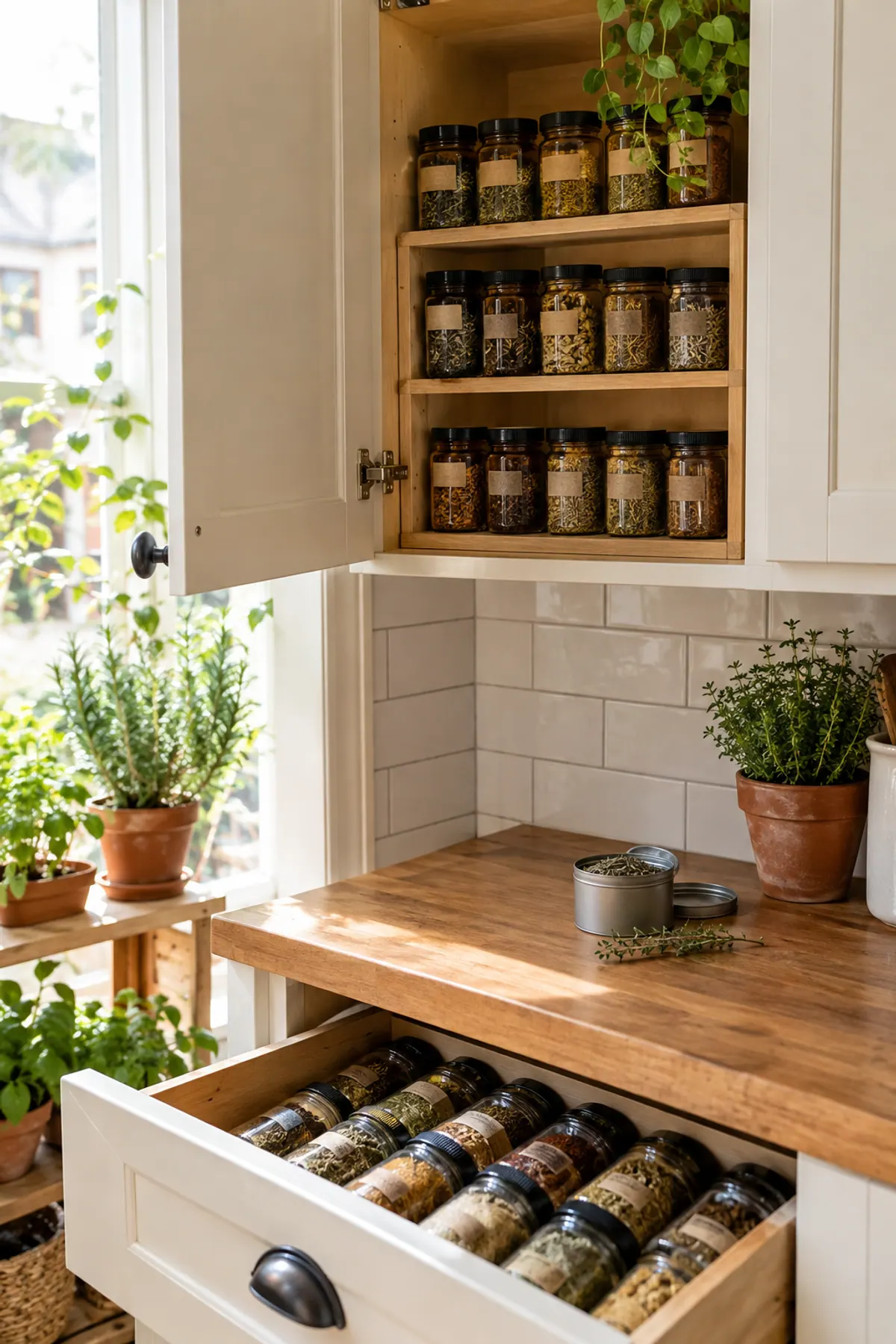
To stock the jars from your own pots, see how to dry herbs at home, and for shelves and labels, dried herb storage ideas.
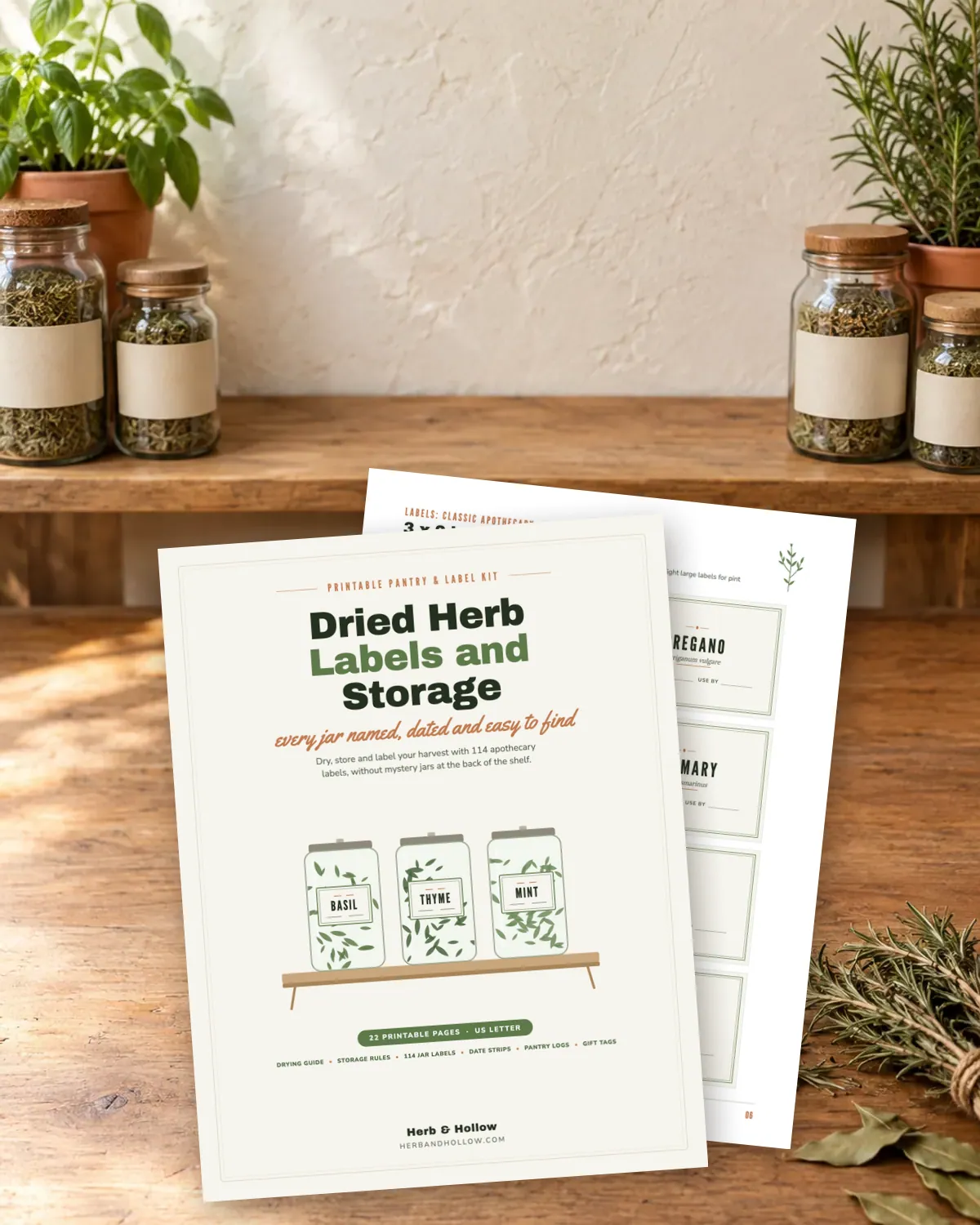
Our Kitchen Herb Pantry and Label Kit has 114 printable jar labels, use-by strips and a herb-by-herb table for 13 herbs, so every jar says what it is and when to replace it.
Dried herb kitchen tools
Tools for a dried herb pantry
- Start here
Glass spice jars with labels
Typically $15 to $30 for a set
Airtight jars keep color and aroma longer.
Check price on Amazon for Glass spice jars with labels -
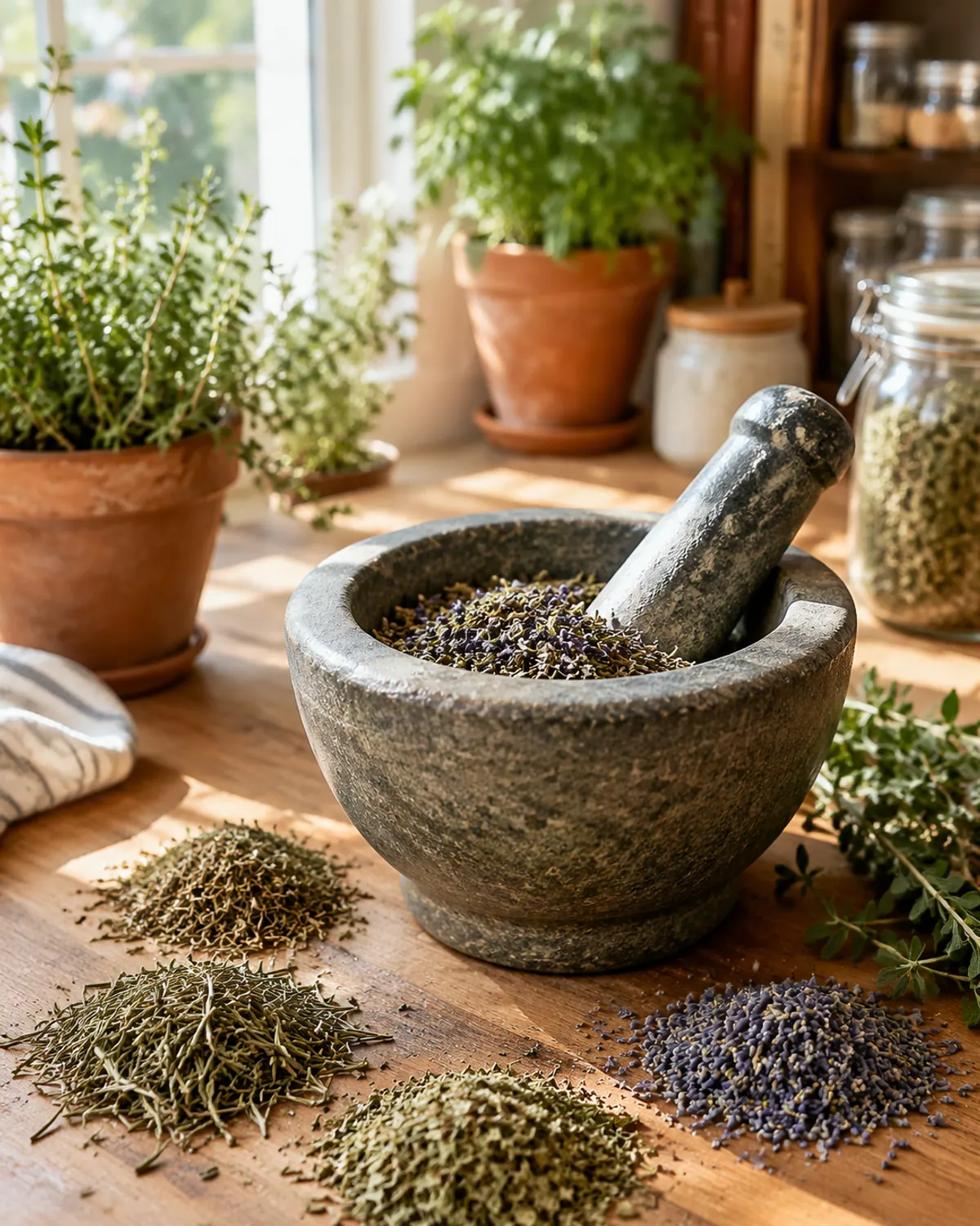
Granite mortar and pestle
Typically $20 to $40
Crushes leaves and mixes blends as you cook.
Check price on Amazon for Granite mortar and pestle -
Muslin drawstring bags
Typically $8 to $15
For lavender sachets and loose tea.
Check price on Amazon for Muslin drawstring bags -
Mesh tea infuser
Typically $8 to $15
Steeps dried mint or chamomile in a mug.
Check price on Amazon for Mesh tea infuser -
Herb grinder or mill
Typically $10 to $25
Grinds rosemary needles finely.
Check price on Amazon for Herb grinder or mill
We earn from qualifying purchases, which never changes what we recommend. Read our disclosure and editorial guidelines.
Frequently asked questions
What are the most useful dried herbs to keep?
Oregano, thyme, rosemary, bay leaves and sage cover most savory cooking and taste close to fresh when dried. Add dill and mint if you make yogurt dips or tea.
How much dried herb replaces fresh?
Use about one third: 1 teaspoon of dried herb for 1 tablespoon of fresh. Taste and add more near the end if needed.
When should dried herbs go into a dish?
Early, with the onions, oil or liquid, so they have time to soften and release their flavor. Delicate ones like dill and marjoram can go in a little later.
How do I know if dried herbs are still good?
Crush a pinch between your fingers. If the smell is weak or the color is dull grey or brown, the flavor has faded and it is time to replace them.
Are dried herb teas safe for everyone?
Not always. This is not medical advice: ask a doctor or pharmacist if you are pregnant, nursing, on medication or have a health condition. Chamomile can affect people with ragweed allergies, and mint, lavender and chamomile are toxic to cats and dogs.

Save it for later
Pin this to your Kitchen Apothecary board so it's there when you need it.
Save to Pinterest