This post contains affiliate links. As an Amazon Associate we earn from qualifying purchases, at no extra cost to you. Read our disclosure.
Safety first: Herbs can be powerful. If you are pregnant, nursing, take medication or have a health condition, check with your doctor or pharmacist first. Please read our herbal & garden safety notes before you start.
Key takeaways
- Short answer: many vegetable seeds keep 3 to 5 years in a cool, dry spot, but onion and sweet corn are 1 to 2 years, and most herb ranges start at 1 year
- Sources differ: Iowa State Extension and Johnny's Seeds give different years for the same crop, so every row below names its source
- The real answer: a 10-seed paper towel test tells you how many of your own seeds still sprout, whatever any chart says
- Storage matters more than age: Colorado State Extension says seed moisture and storage temperature are the two biggest factors
In this post11 sections
- How long do seeds last? The short answer
- Vegetable seed shelf life: 17 crops, two sources
- Herb seed shelf life: 13 herbs, one source
- Why the sources do not agree
- The 10-seed paper towel test
- What your count means: keep, sow thick or toss
- How to store seed packets so they last longer
- Your next step: write the results down once
- Supplies for testing and storing seed
- Sources
- FAQ
How long do seeds last? The short answer
Seeds do not expire on a date, they slowly lose the share that will sprout. Iowa State Extension says most vegetable seeds stay viable for several years in a cool, dry spot, and Colorado State Extension says vegetable and flower seeds keep for at least a year on a room-temperature shelf without a big loss. Beyond that, it depends on the crop and on how the packet was stored.
The two tables below show every range we found, with the source named in its own column. Where a source does not list a crop, the cell says so rather than guessing. The last column is our own rule, not a source's: test a packet once it reaches the low end of the shorter range, and never wait past 5 years.
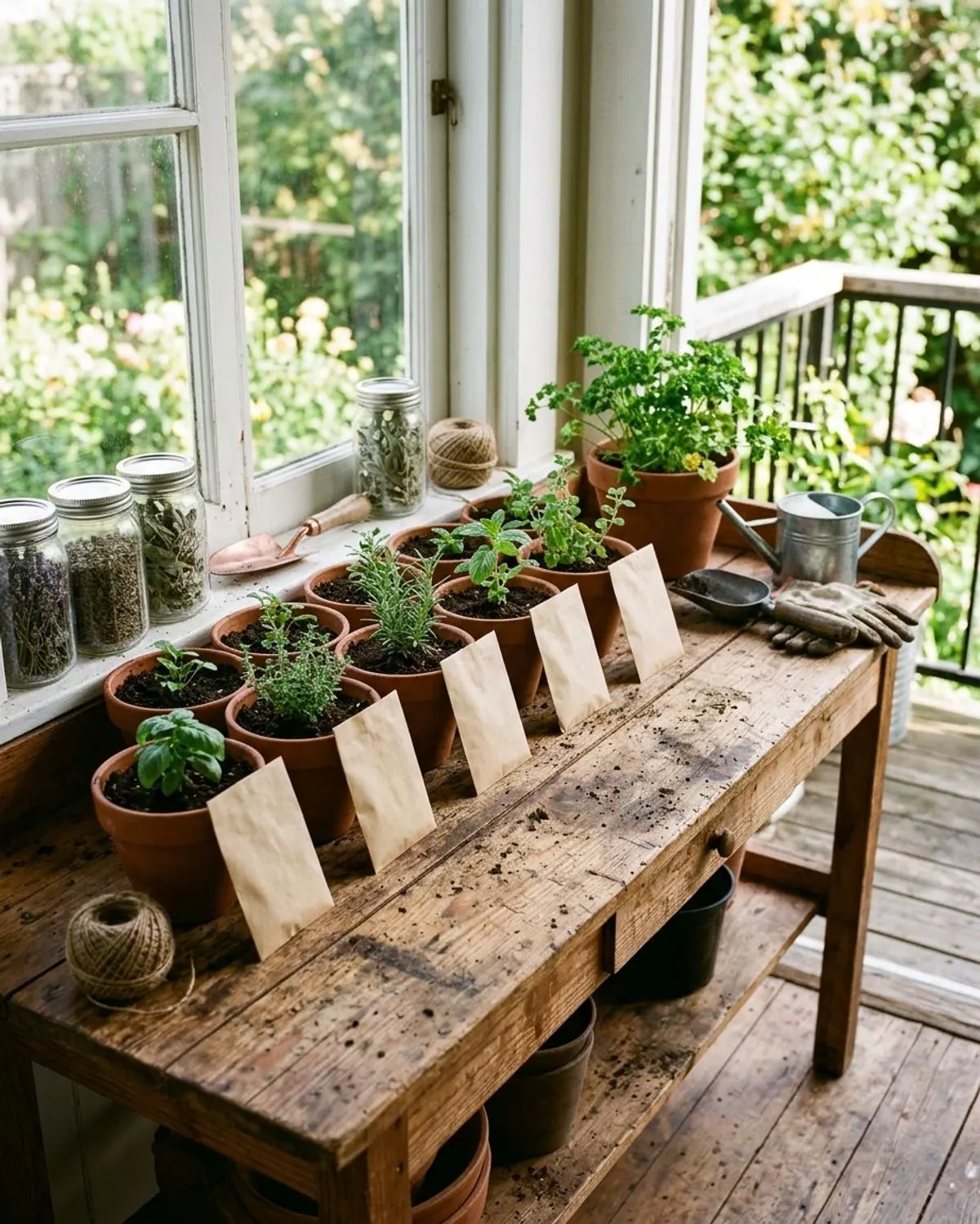
Vegetable seed shelf life: 17 crops, two sources
| Crop | Iowa State Extension | Johnny's Seeds | Test it at (our rule) |
|---|---|---|---|
| Tomato | 3 to 4 years | 3 to 7 years | 3 years |
| Pepper | 3 to 4 years | 2 to 5 years | 2 years |
| Eggplant | 5 years | 4 to 5 years | 4 years |
| Lettuce | not listed | 1 to 6 years | 1 year |
| Spinach | not listed | 1 to 5 years | 1 year |
| Arugula | not listed | 6 years | 5 years |
| Kale | not listed | 3 to 5 years | 3 years |
| Swiss chard | not listed | 2 to 5 years | 2 years |
| Broccoli | 5 years | 3 to 5 years | 3 years |
| Radish | 5 years | 4 to 5 years | 4 years |
| Peas | 3 to 4 years | 2 to 4 years | 2 years |
| Carrot | 3 to 4 years | 3 to 4 years | 3 years |
| Beet | not listed | 2 to 5 years | 2 years |
| Beans (snap or bush) | 3 to 4 years | 2 to 4 years | 2 years |
| Cucumber | 5 years | 3 to 6 years | 3 years |
| Summer squash | 5 years | 3 to 6 years | 3 years |
| Onion | 1 to 2 years | 1 to 2 years | 1 year |
Iowa State's figures come from one short FAQ page, last updated August 26, 2024. It lists cabbage, broccoli, cucumber, squash, watermelon, eggplant and radish at about 5 years, snap bean, carrot, pea, pepper, tomato, cauliflower and pumpkin at 3 to 4, and sweet corn and onion at 1 to 2. Johnny's Seeds is a seed company, not an extension service, and its chart gives wider ranges that it calls averages from its experience and expert sources.
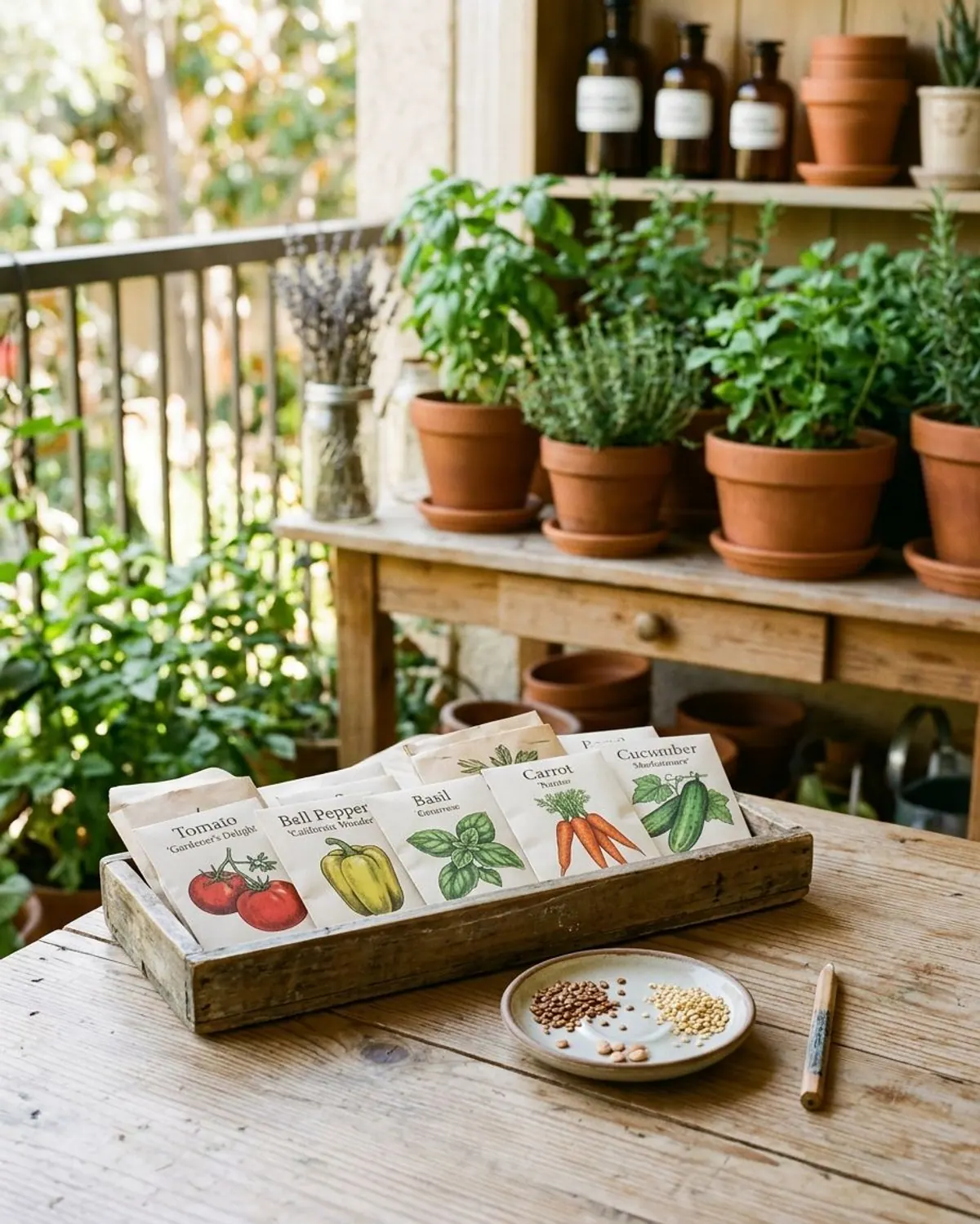
Herb seed shelf life: 13 herbs, one source
Iowa State does not list herbs, and we found no other extension chart for them, so the herb table rests on Johnny's alone. Treat it as a guide, and lean on the germination test below. Johnny's lists mint seed only for two wild types, so we left mint out; most gardeners grow it from cuttings or plants anyway.
| Herb | Johnny's Seeds | Test it at (our rule) |
|---|---|---|
| Basil, sweet | 3 to 5 years | 3 years |
| Chamomile | 4 years | 4 years |
| Chives | 1 to 3 years | 1 year |
| Cilantro | 1 to 4 years | 1 year |
| Dill | 1 to 4 years | 1 year |
| Lavender | 4 on the herb chart, 1 to 3 on the flower chart years | 1 year |
| Lemon balm | 1 to 4 years | 1 year |
| Marjoram | 1 to 4 years | 1 year |
| Oregano | 4 years | 4 years |
| Parsley | 1 to 4 years | 1 year |
| Rosemary | 1 to 4 years | 1 year |
| Sage | 1 to 3 years | 1 year |
| Thyme | 1 to 4 years | 1 year |
Johnny's also lists lavender twice: 4 years on its herb chart and 1 to 3 on its flower chart. That is a good picture of how loose these numbers are, even inside one company. If you grow herbs mainly for the kitchen, our herbs to grow from seed guide says which ones sprout most easily.
Why the sources do not agree
Seed life is an average, not a promise. Johnny's says actual storage life depends on the seed's viability and moisture when it went into storage, the variety, and the conditions it has sat in since. A packet that spent a summer in a hot garage can be worse off at 2 years than one kept in a fridge for 6.
Johnny's also makes a point most charts skip: viability usually falls before germination does. Old seed can still sprout and then make weak seedlings, so a packet that germinates can still be a poor bet.
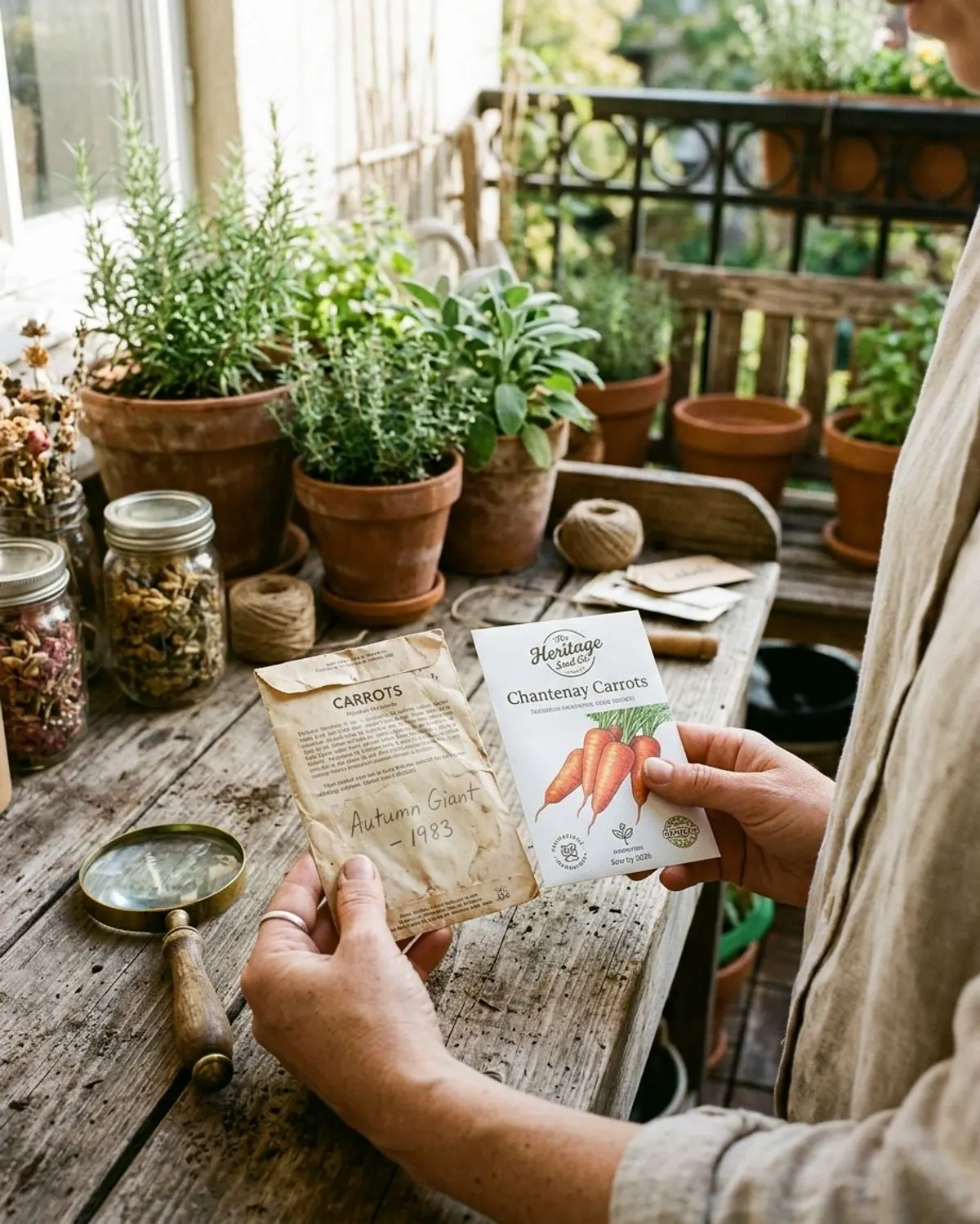
The 10-seed paper towel test
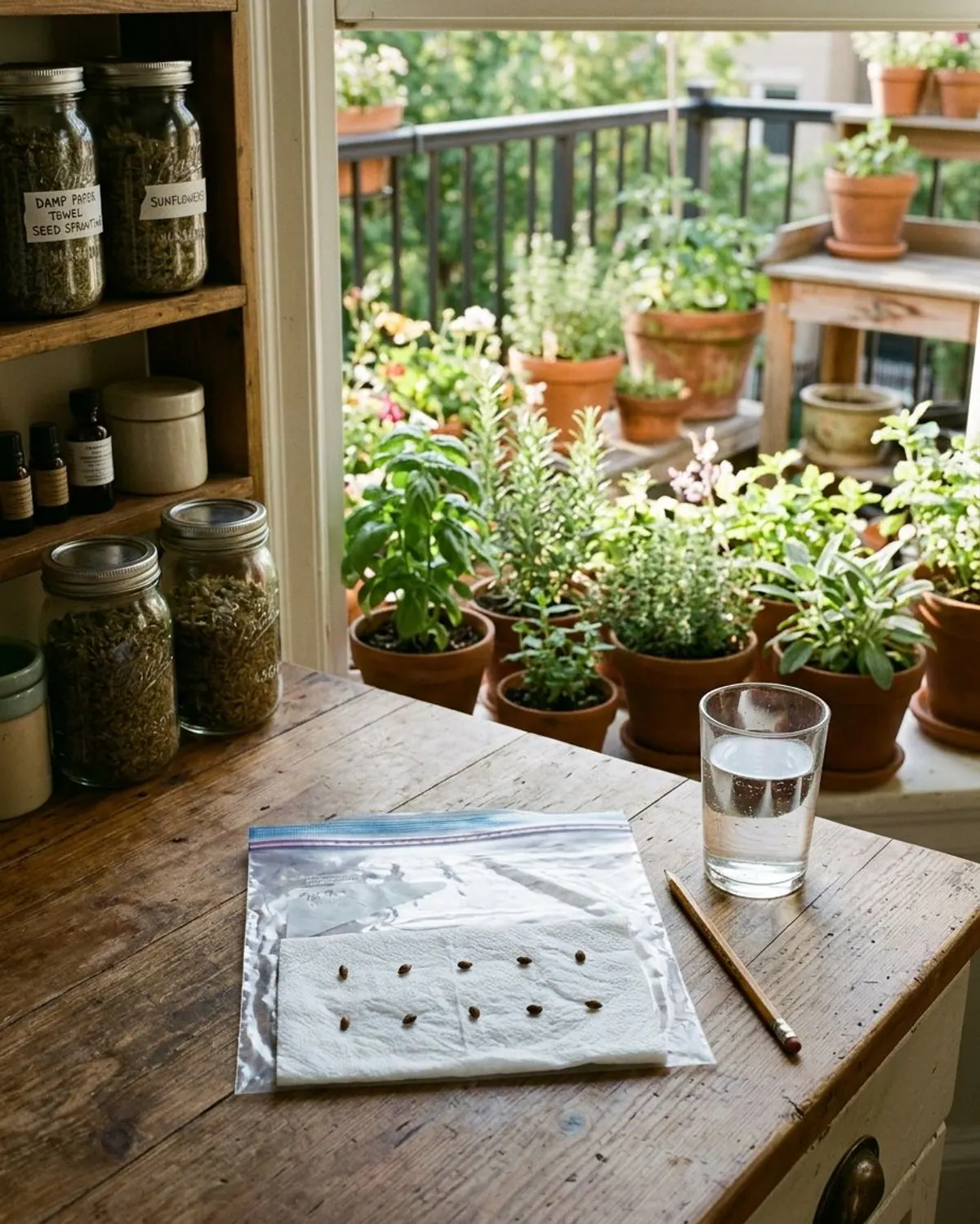
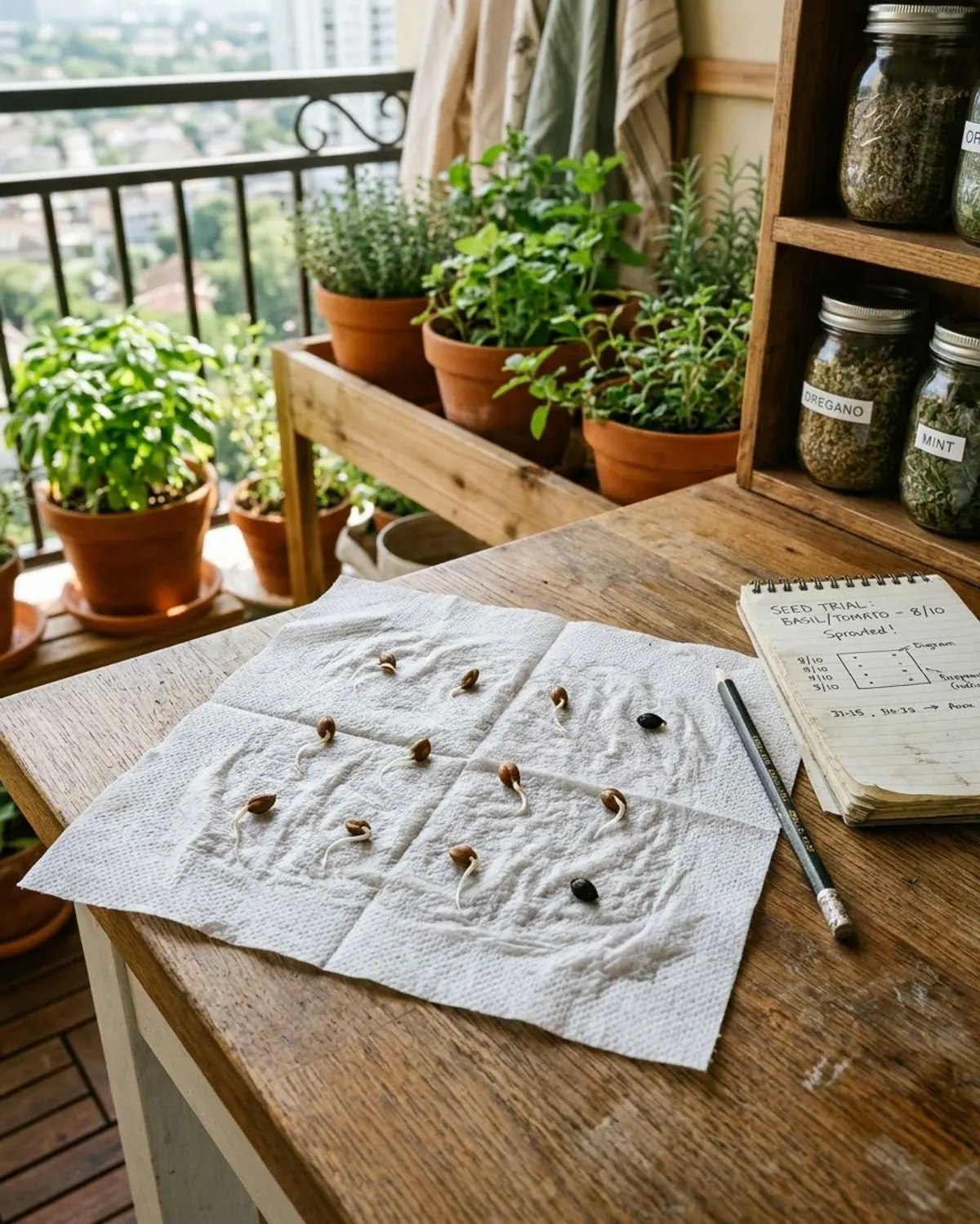
This is the real answer to "is this packet still good?" It is the method Johnny's Seeds describes: damp paper towel, zip bag, a warm spot, and a count. Do it in January, before you order, and it costs you ten seeds.
-
Step 1: Dampen a paper towel
Wet it, then squeeze it until it is damp, not dripping. Fold it in half.
-
Step 2: Space out 10 seeds
Lay ten seeds from the packet in two rows of five. Ten makes the math easy: each sprout is 10 percent.
-
Step 3: Bag it and label it
Slide the towel into a zip-top bag, seal it and write the crop and date on the bag in pencil.
-
Step 4: Keep it warm
Put the bag where it is at the temperature on the back of your seed packet. A warm shelf in the house works for seeds that like warmth.
-
Step 5: Check after several days
Johnny's says to check after several days, or longer for slow varieties. The packet gives the number of days to germination. Count the seeds with a tiny white root.
-
Step 6: Do the math
Eight sprouted out of ten means 80 percent. Write it on the packet before you put it back.
What your count means: keep, sow thick or toss
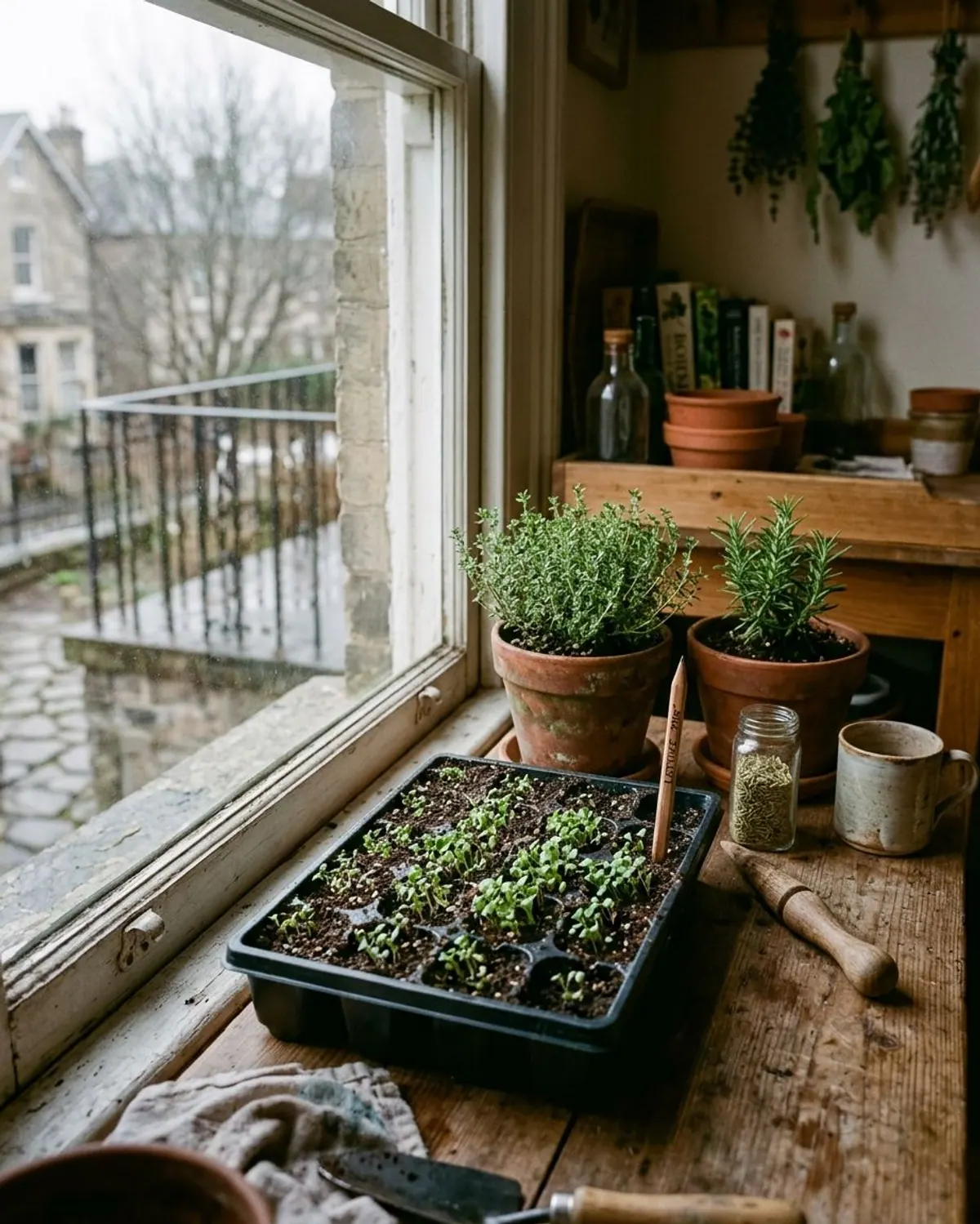
The table below is our rule of thumb, not a published standard. It is meant for small gardens, where a few extra seeds cost nothing.
| Seeds sprouted out of 10 | What to do |
|---|---|
| 8 to 10 | Keep it. Sow at the normal rate. |
| 5 to 7 | Still usable. Sow more seeds per cell or per inch and thin later. Expect some weak seedlings. |
| 1 to 4 | Sow very thickly only if the seed is hard to replace. Otherwise buy fresh seed. |
| 0 | Toss it and note the year on the next packet you buy. |
How to store seed packets so they last longer
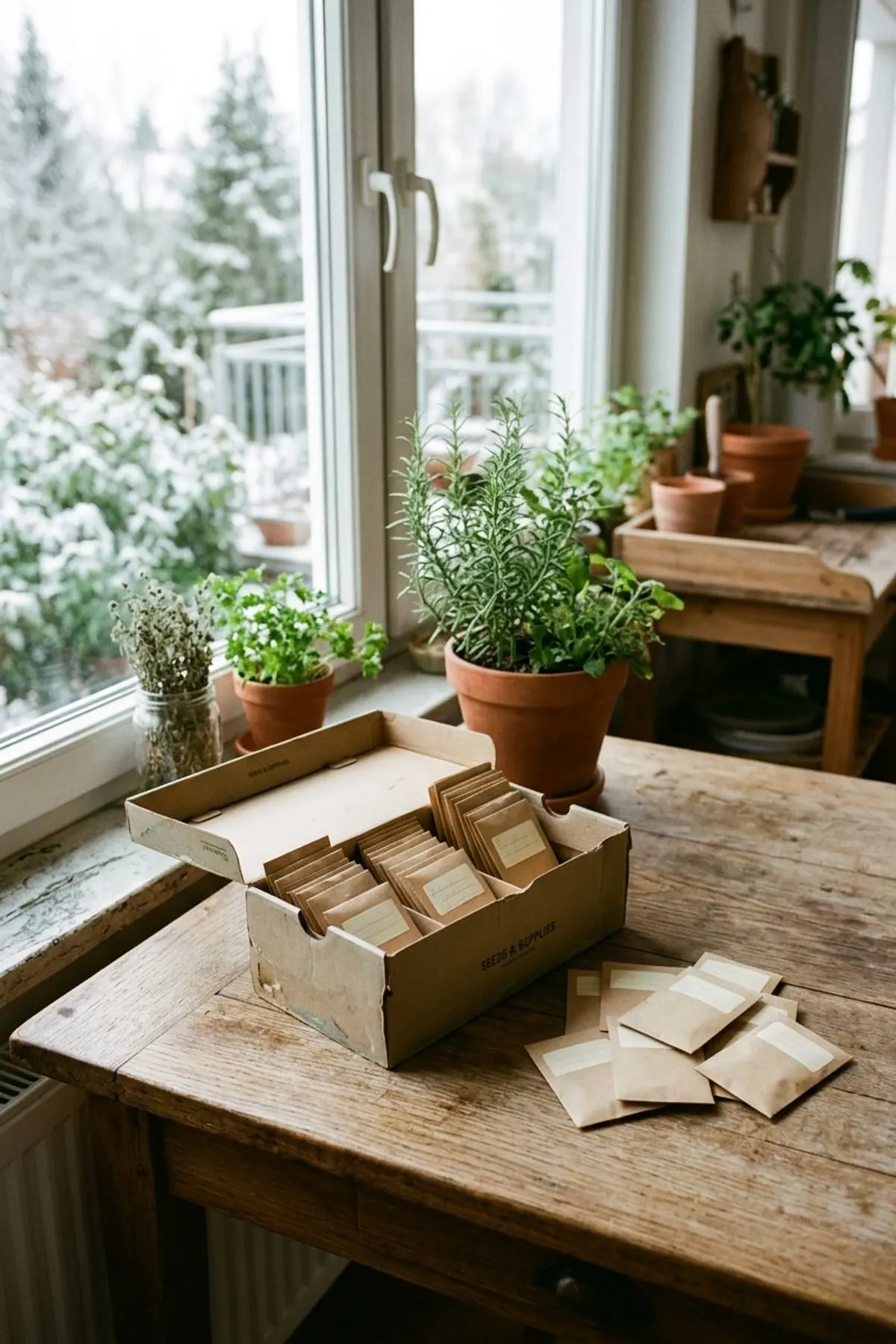
Colorado State Extension says seed moisture and storage temperature are the most important factors in how long seed keeps, and that the drier seed is, the longer it stores. It recommends sealed cans or jars rather than plastic bags. Johnny's suggests a sealed glass jar in the refrigerator, labeled with the crop and the date you stored it, with a desiccant packet inside.
Seed storage checklist
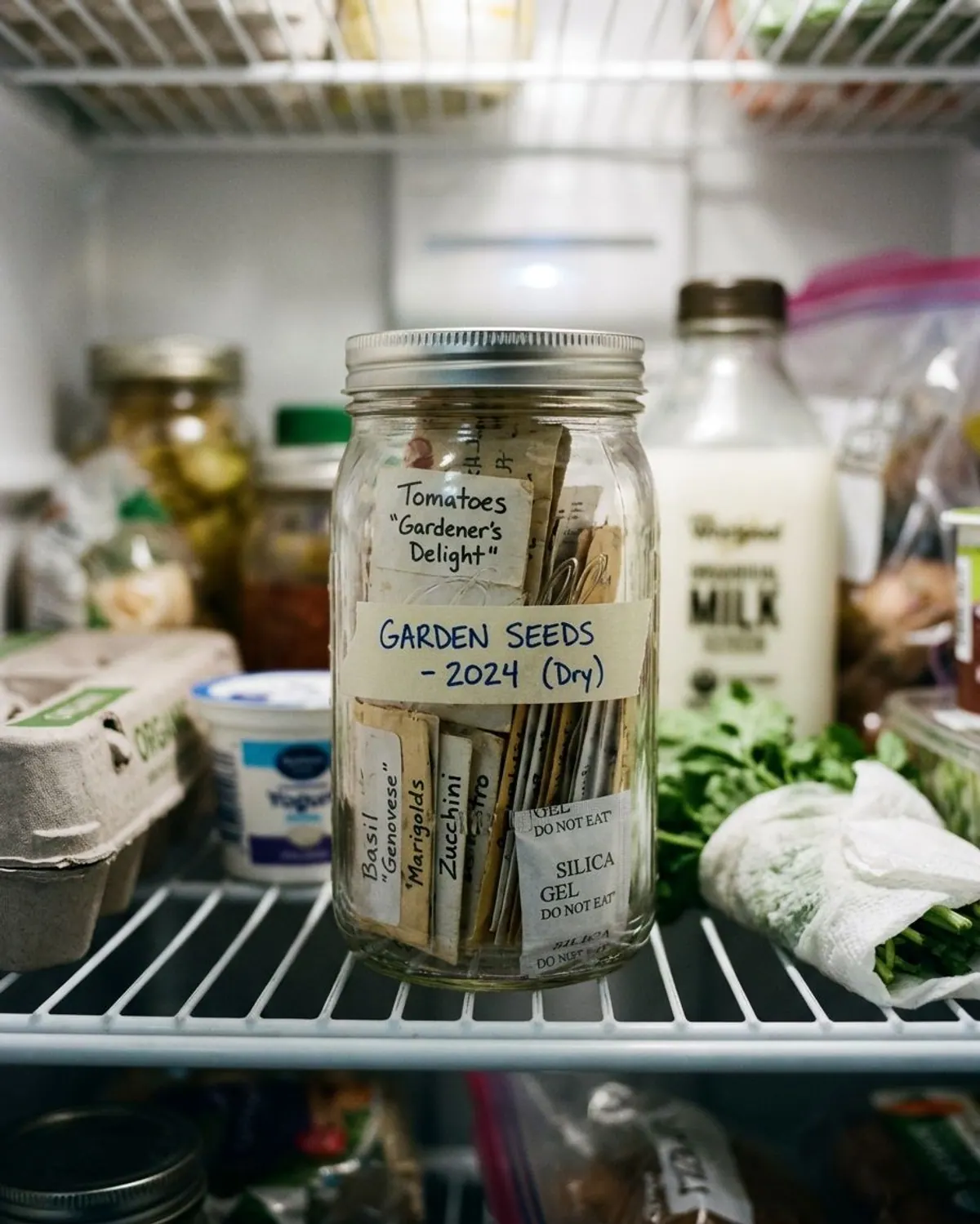
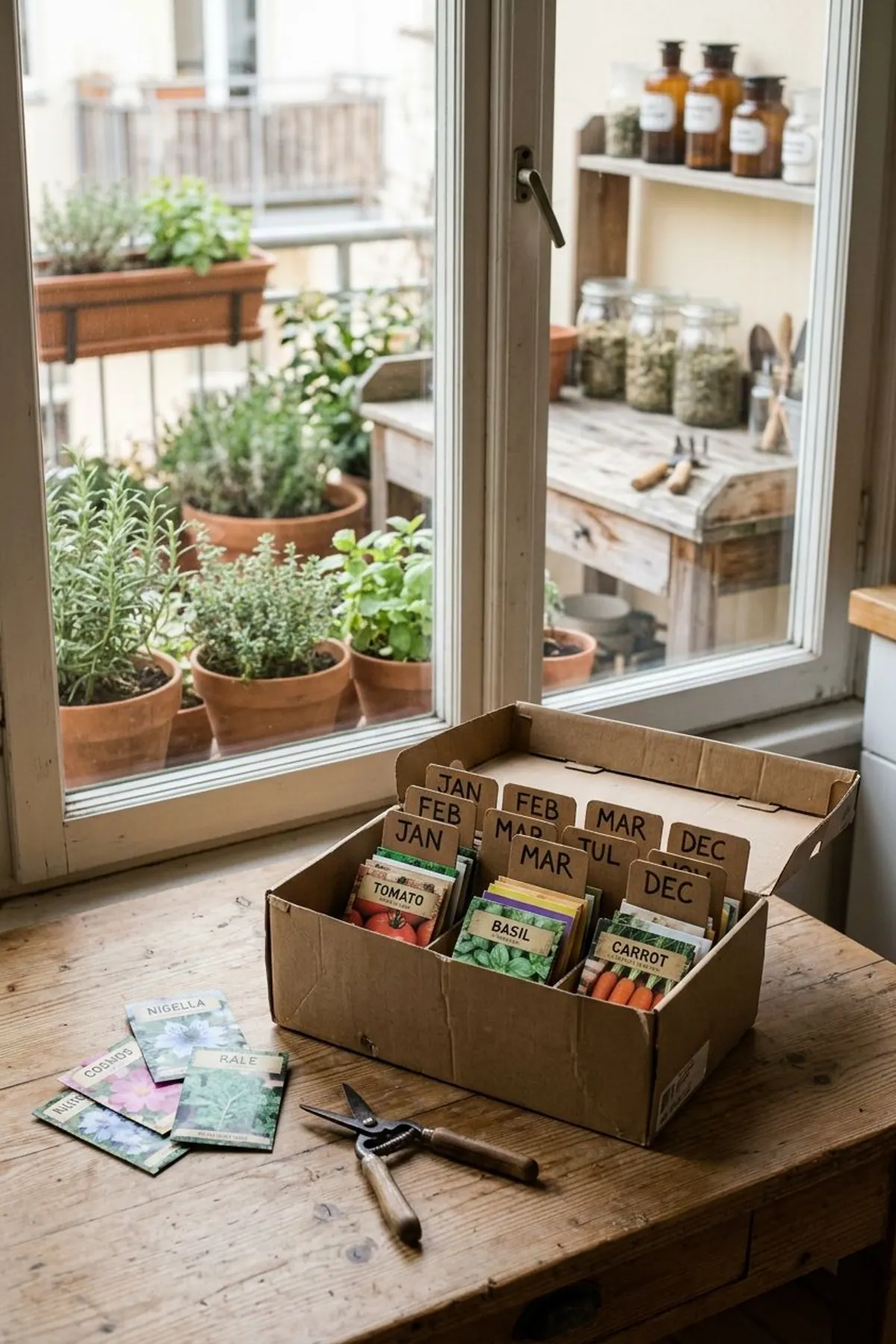
Sort what goes in the jar by sowing month, not by crop name, so you open it once in January and once in spring. Our seed organizer ideas show 12 ways to do that, from a shoebox to a binder.
Your next step: write the results down once
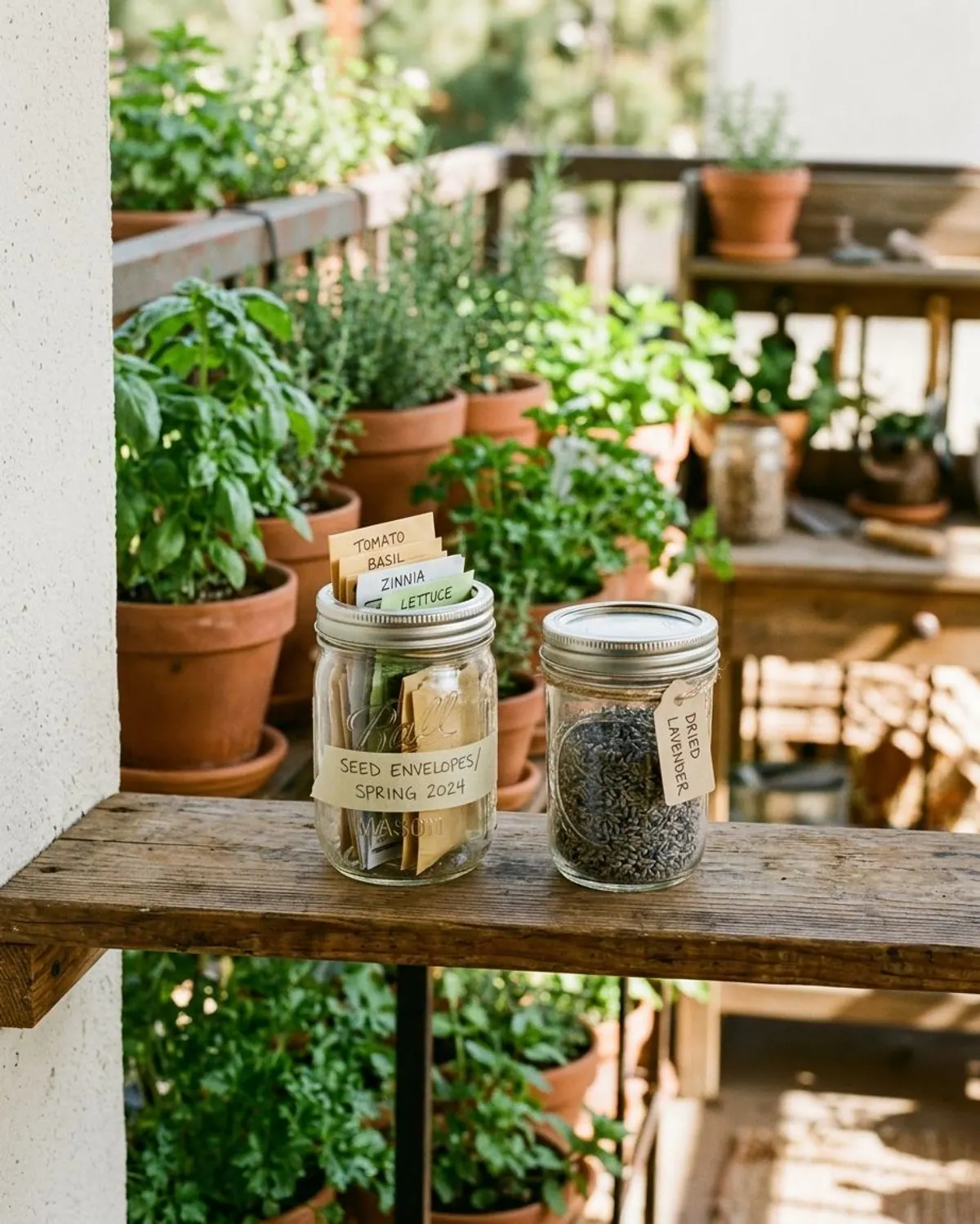
You now know which packets to test. The part people skip is recording the answer, so next winter you do not repeat it.
For sowing dates once you know what is viable, see when to start seeds indoors by zone and the seed starting calendar by zone. For trays, lights and mix, see our seed starting supplies list.
Supplies for testing and storing seed
Supplies for seed storage
- Start here
Glass canning jars with lids, half pint or pint
A sealed glass jar is the storage Johnny's and Colorado State both point to.
Check price on Amazon for Glass canning jars with lids, half pint or pint -
Silica gel desiccant packets
Keeps the jar dry. Check the pack says not for eating, and keep it away from children and pets.
Check price on Amazon for Silica gel desiccant packets -
Zip-top sandwich bags
The bag for the paper towel test.
Check price on Amazon for Zip-top sandwich bags -
Masking tape and a soft pencil
Pencil does not run if a label gets damp.
Check price on Amazon for Masking tape and a soft pencil
Sources
Iowa State University Extension and Outreach, Can you use vegetable seeds from last year?, updated August 26, 2024. Johnny's Selected Seeds, Seed Viability and Seed Storage Guidelines, charts of average storage life for raw seed. Colorado State University Extension, Saving and Storing Vegetable and Flower Seeds, published May 2020. The "test at" column and the count table are our own rules of thumb. Herbs here are for growing and cooking, not medical advice. Chart years are ranges and your results will vary.
We earn from qualifying purchases. Read our disclosure and editorial guidelines.
Frequently asked questions
Do seeds expire?
Not on a fixed date. They lose the share that will sprout over time, and faster in heat and damp. Iowa State Extension says most vegetable seeds stay viable for several years if stored cool and dry, from 1 to 2 years for onion and sweet corn to about 5 for cucumber and radish.
How long do vegetable seeds last?
Iowa State Extension lists about 5 years for cabbage, broccoli, cucumber, squash, eggplant and radish, 3 to 4 for tomato, pepper, pea, carrot and snap bean, and 1 to 2 for onion and sweet corn. Johnny's Seeds gives wider ranges, so check with a germination test.
How can I test if old seeds are still good?
Put 10 seeds between two damp paper towels in a zip bag, keep it at the temperature on the packet, and count the sprouts after several days. Eight of ten means about 80 percent.
How do I store seed packets long term?
Keep them dry and cool. Colorado State Extension names seed moisture and storage temperature as the key factors, and Johnny's suggests a labeled, sealed glass jar with a desiccant in the refrigerator.
Can I plant old seeds anyway?
Yes, if a test shows they still sprout. If only some do, sow more seeds per cell and thin later. Old seed can sprout and still make weak seedlings, so a strong stand is not guaranteed.
Save it for later
Pin this to your Seasonal Garden Tasks board so it's there when you need it.
Save to Pinterest