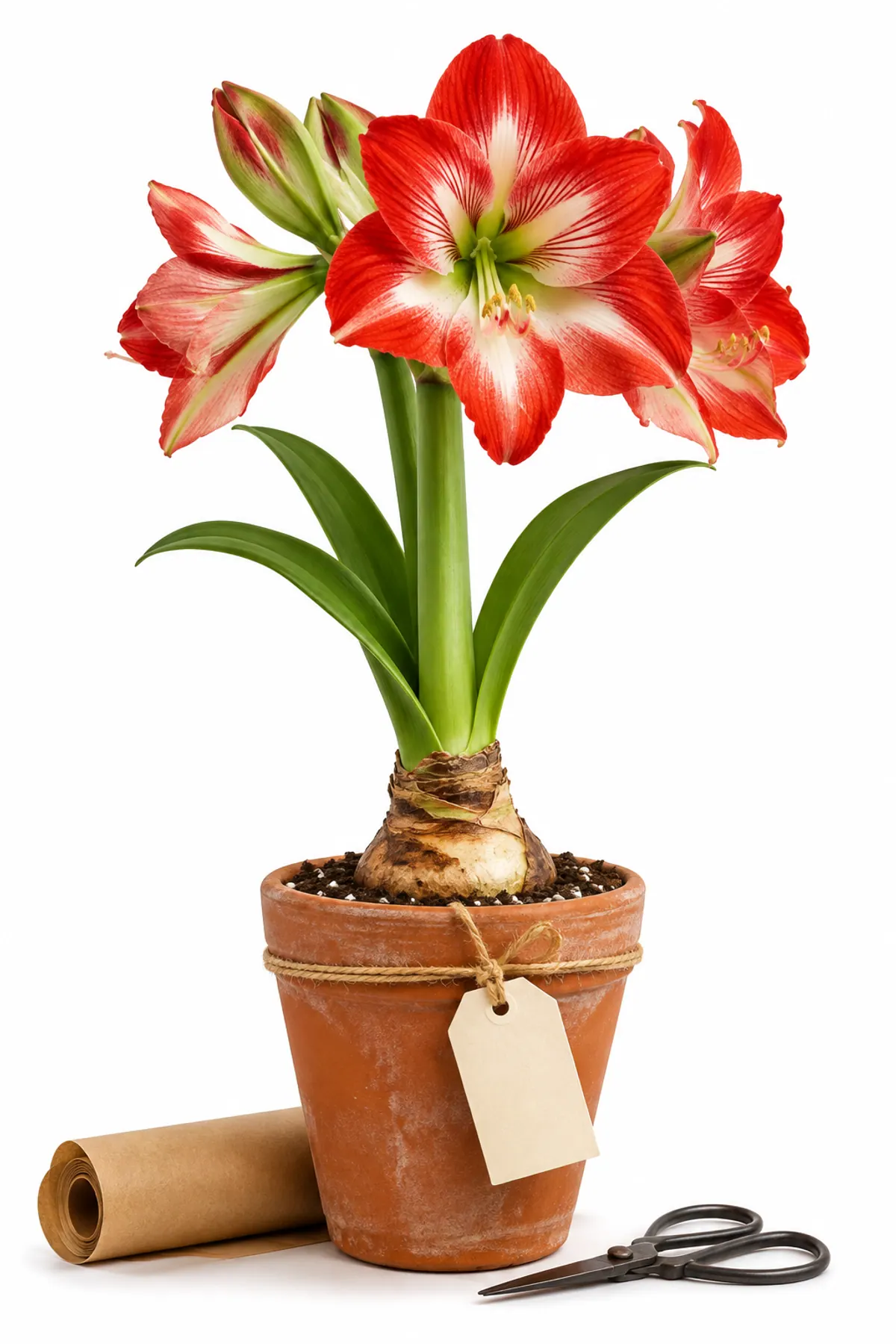
Safety first: Herbs can be powerful. If you are pregnant, nursing, take medication or have a health condition, check with your doctor or pharmacist first. Please read our herbal & garden safety notes before you start.
Key takeaways
- Wrap the pot, not the plant: paper or burlap around the pot, with leaves left in open air
- No sealed plastic on leaves: it can block air and trap moisture, and a sleeve left on too long can make lower leaves yellow and drop
- The cold trip: heat the car first, bring the plant in last and use paper layers with air between them. Nebraska Extension says poinsettias can be damaged below 50°F
- Pets: check each plant on the ASPCA list; rosemary, Norfolk Island pine and thyme are listed as non-toxic, poinsettia, pothos and snake plant as toxic
- Cost: about $17 to $52 if you buy every supply new, and less if you own paper, twine and a saucer
In this post9 sections
- What you need to wrap a plant as a gift (most of it is at home)
- How to wrap a potted plant as a gift in 7 steps
- Wrap by plant: what to cover, what to leave open
- Rosemary tree or Norfolk pine: wrap the pot only
- How to wrap a big plant, a small plant or a basket
- Mistakes that hurt a wrapped plant
- What to write on the care tag
- After the wrap: help them keep it alive
- FAQ
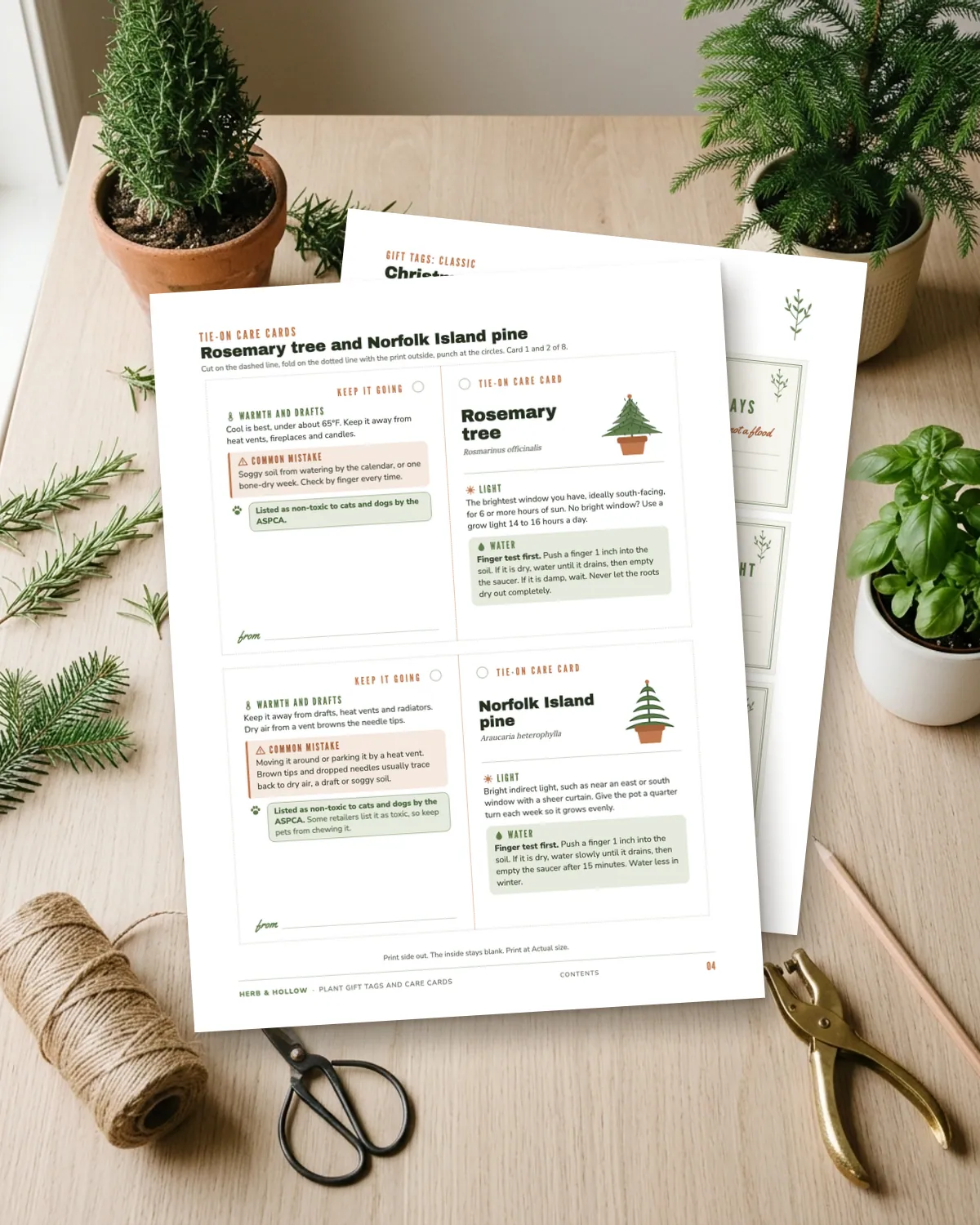
The step most gift wraps skip is the care tag. If you are giving a rosemary tree, a Norfolk Island pine or a herb pot, the Plant Gift Tags and Care Cards ($5) give you 8 tie-on care cards with light, water and pet lines already written, so the plant arrives with instructions and not just paper.
What you need to wrap a plant as a gift (most of it is at home)
Paper, twine and a saucer do the whole job. Fancy plant packaging is optional, and the one thing to avoid buying is sealed plastic for the leaves. The prices below are examples, not quotes.
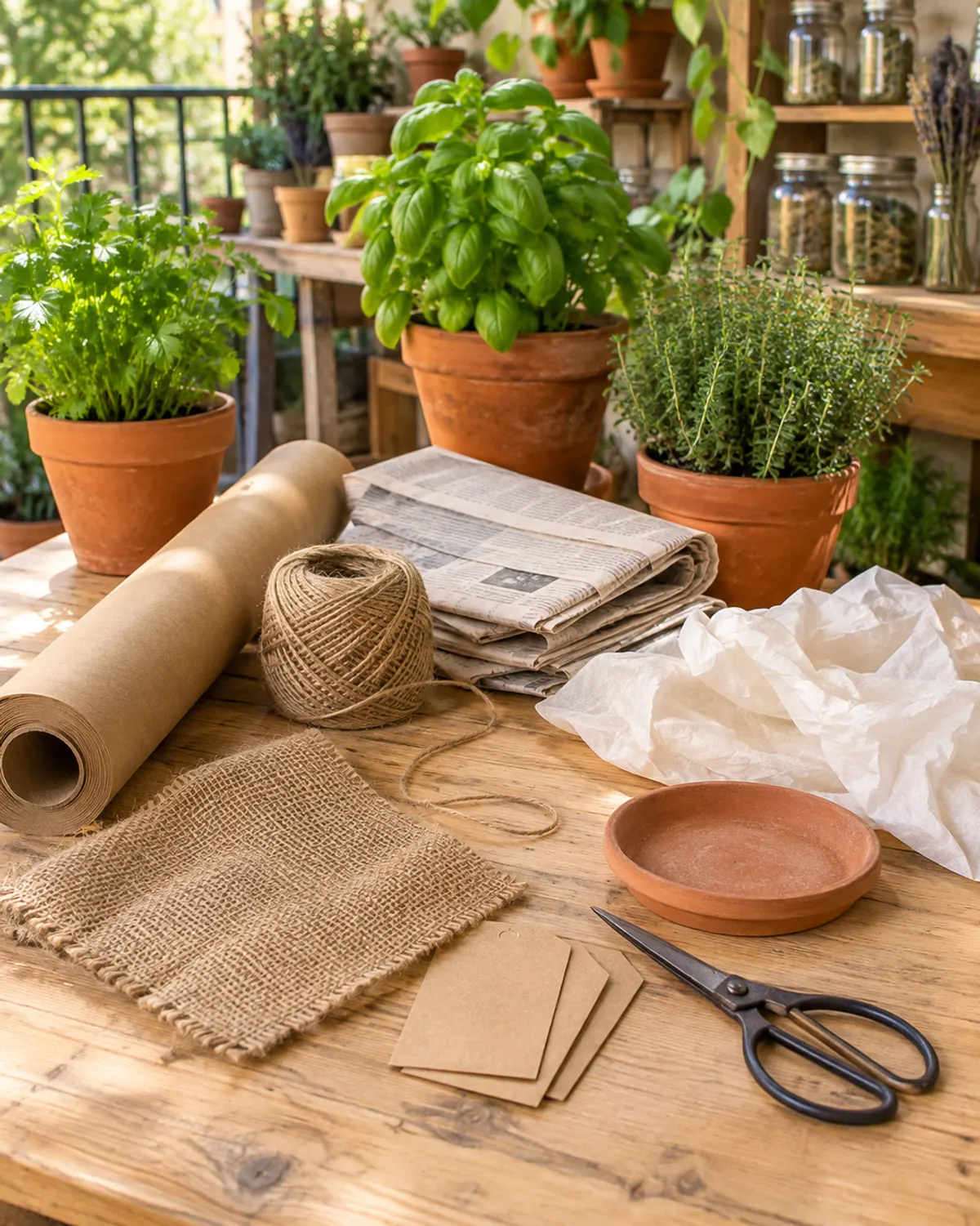
| Item | What it does | Example cost |
|---|---|---|
| Kraft paper or a brown paper bag | Outer wrap around the pot | $5 to $12 |
| Jute twine | Ties the paper at the rim and holds the tag | $3 to $8 |
| Blank kraft tags | Carry the care lines | $4 to $9 |
| Saucer or leak-proof cover pot | Catches water so the paper stays dry | $5 to $15 |
| Newspaper or tissue paper | Padding and an air layer for the cold | $0 to $8 |
| Total if you buy everything new | About $17 to $52 |
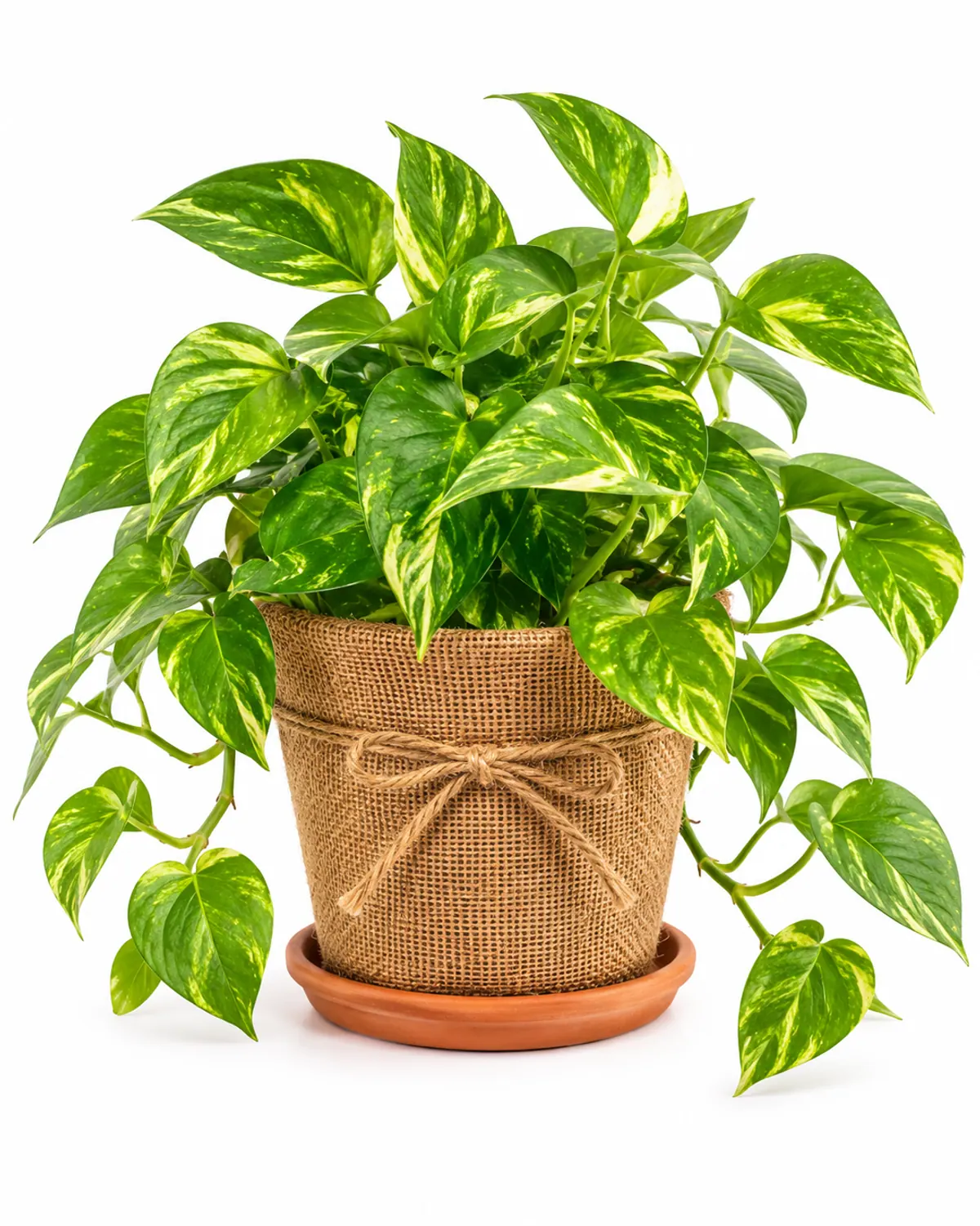
If you already own paper, twine and a saucer, the wrap costs close to nothing. Burlap or fabric works in place of paper, and a reusable tote works in place of both.
How to wrap a potted plant as a gift in 7 steps
These steps are general guidance drawn from university extension advice on carrying and caring for gift plants. Adjust them to your plant and your weather.
-
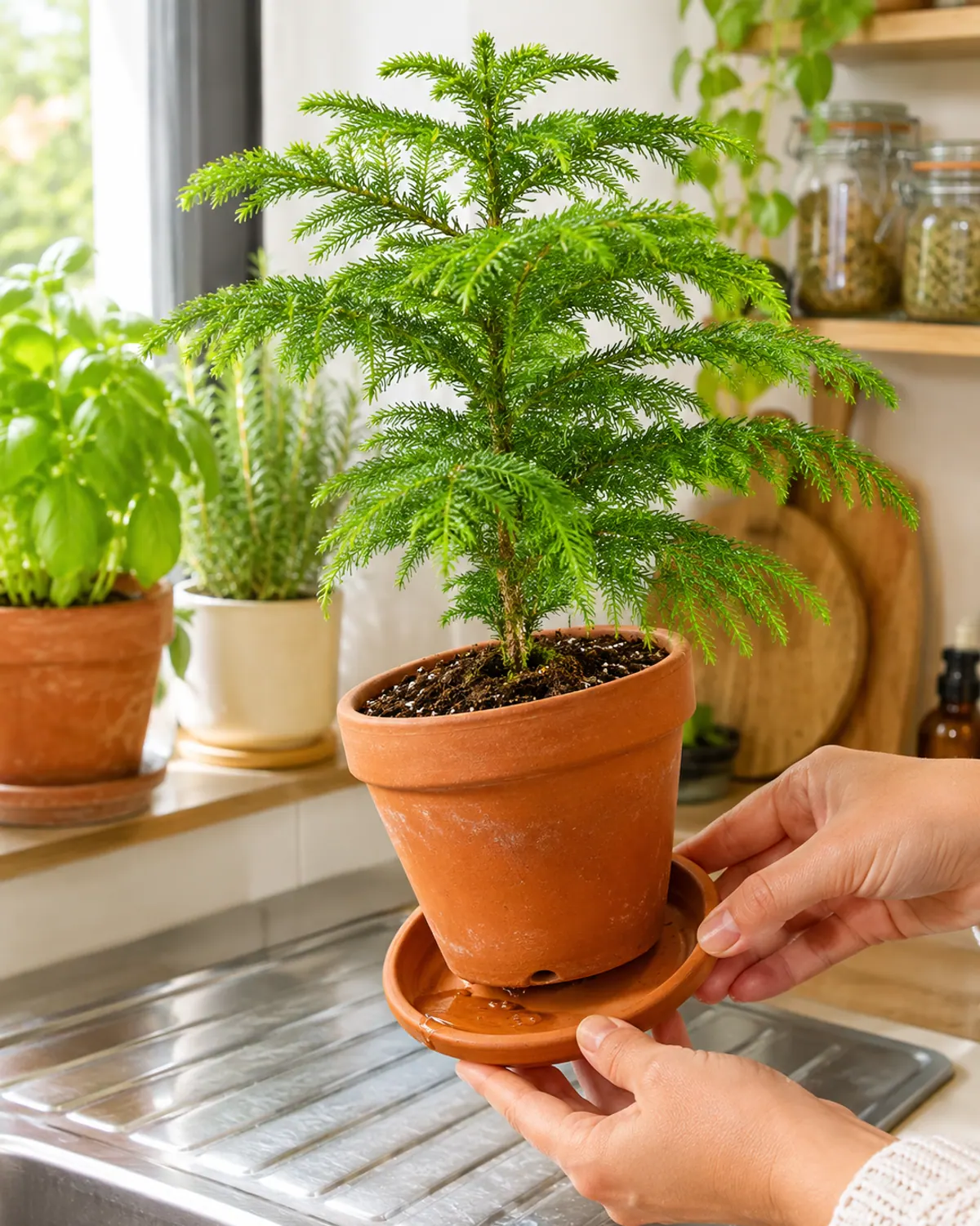
Step 1: Water a day ahead, then let it drain
Push a finger into the soil. If the top inch is dry, water the day before and let the pot drain fully in the sink, then empty the saucer. A pot that still drips will soak the paper and the car seat. Nebraska Extension notes that containers without drainage holes are easy to overwater, so keep the plant in a pot with holes.
-
Step 2: Set the pot on a saucer
Stand the pot on a saucer, or inside a leak-proof cover pot, so nothing drips onto the paper. If you use a decorative cover pot with no hole, leave the plant in its own pot with holes inside it so it can be lifted out to drain.
-
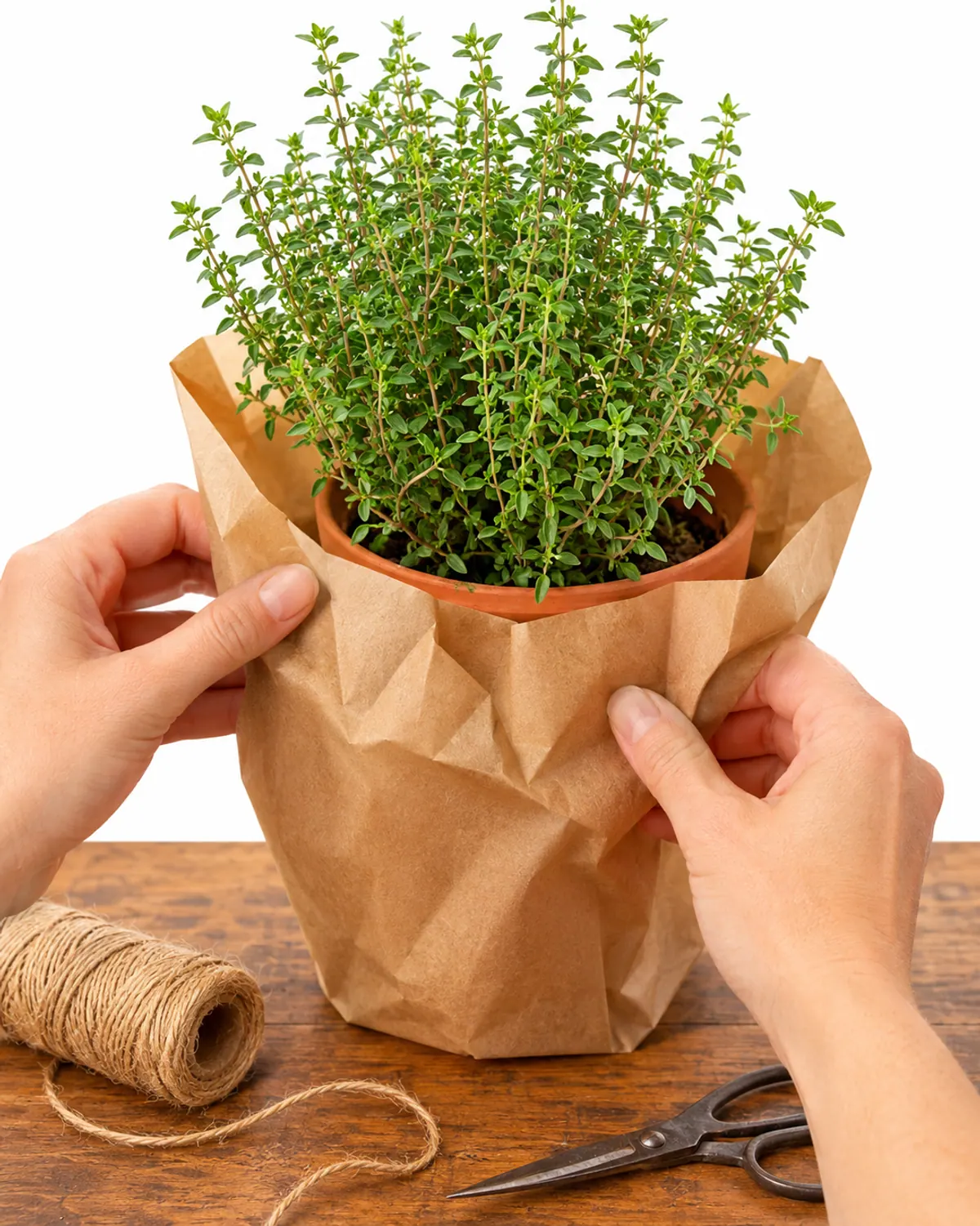
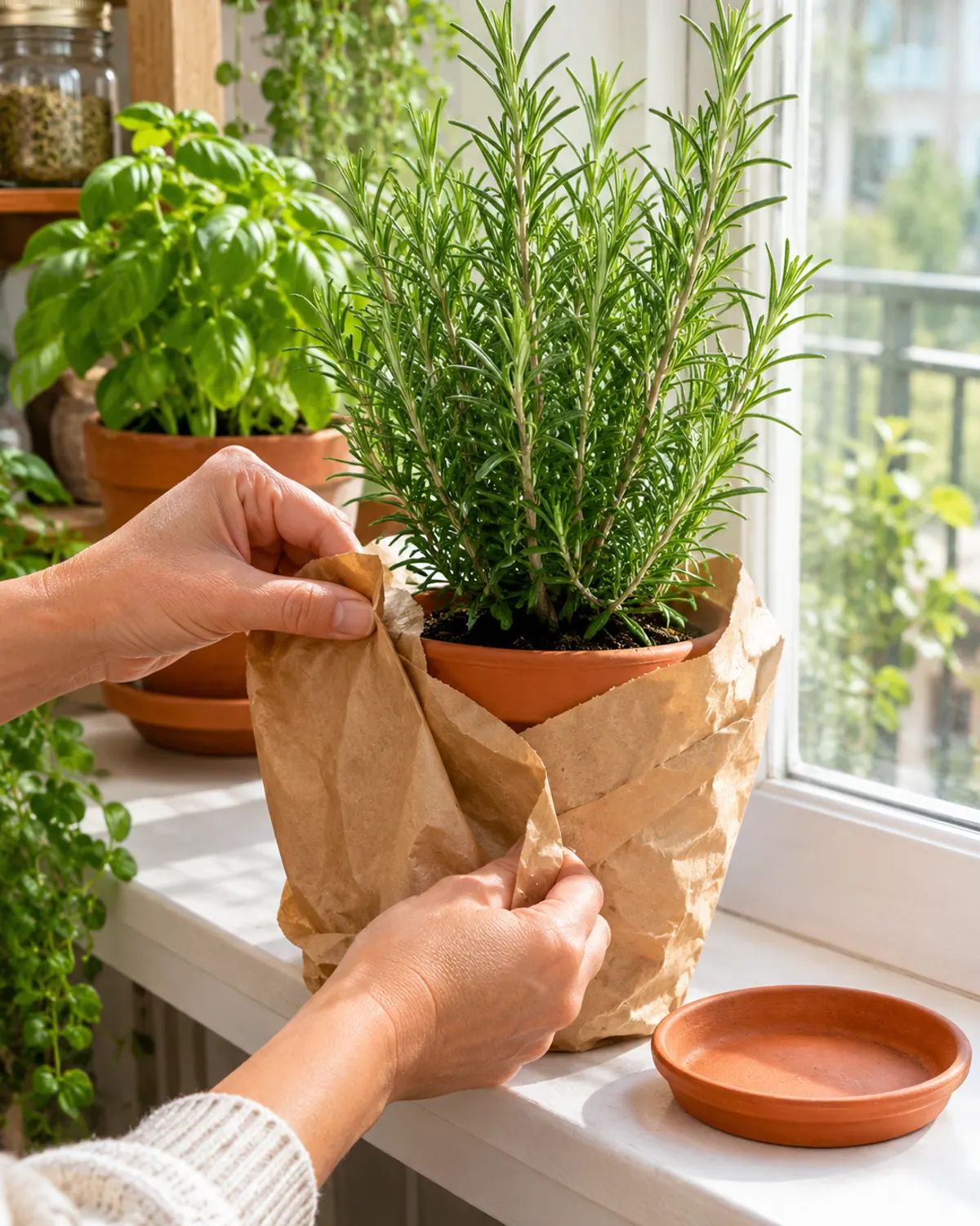
Step 3: Wrap the pot, not the plant
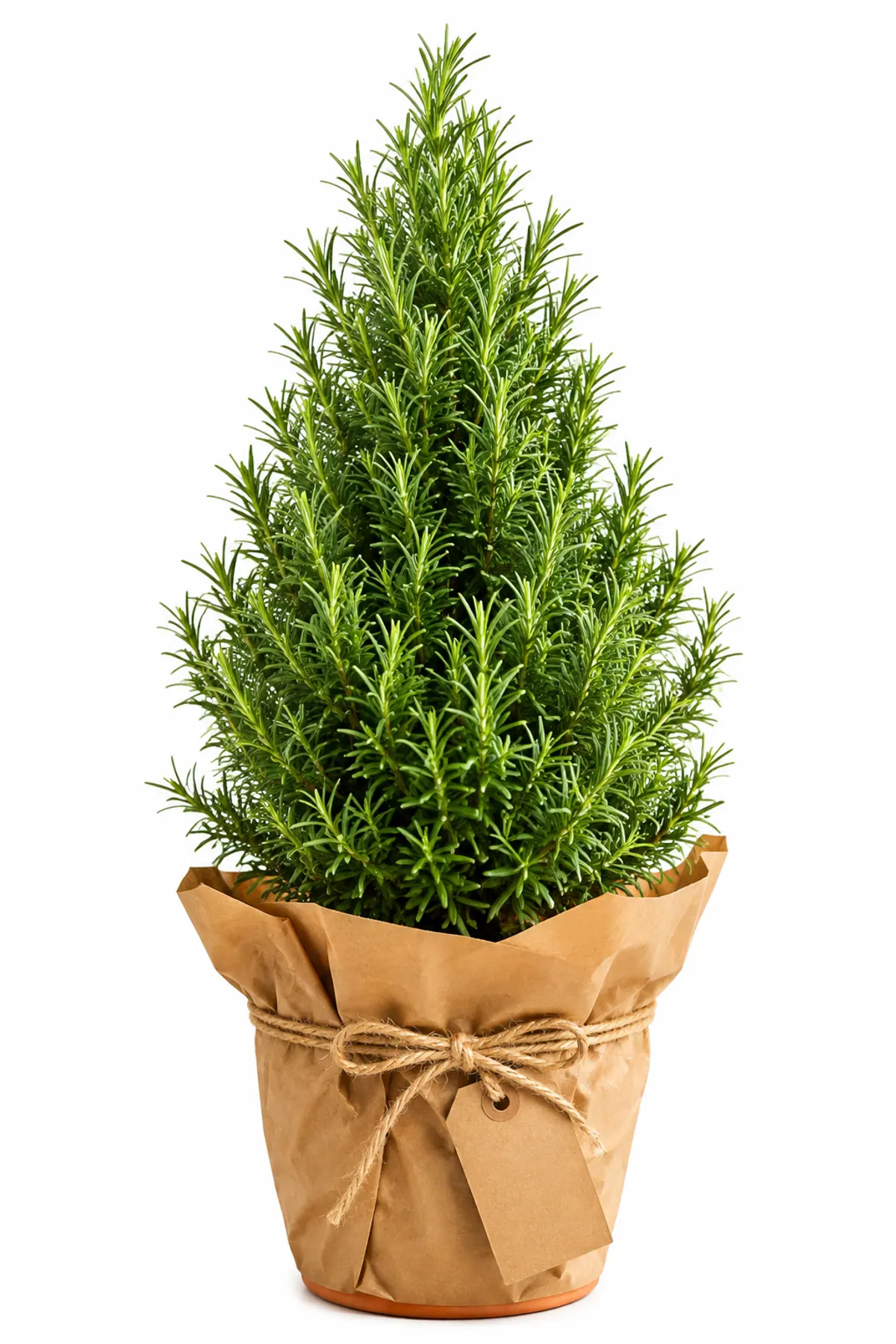
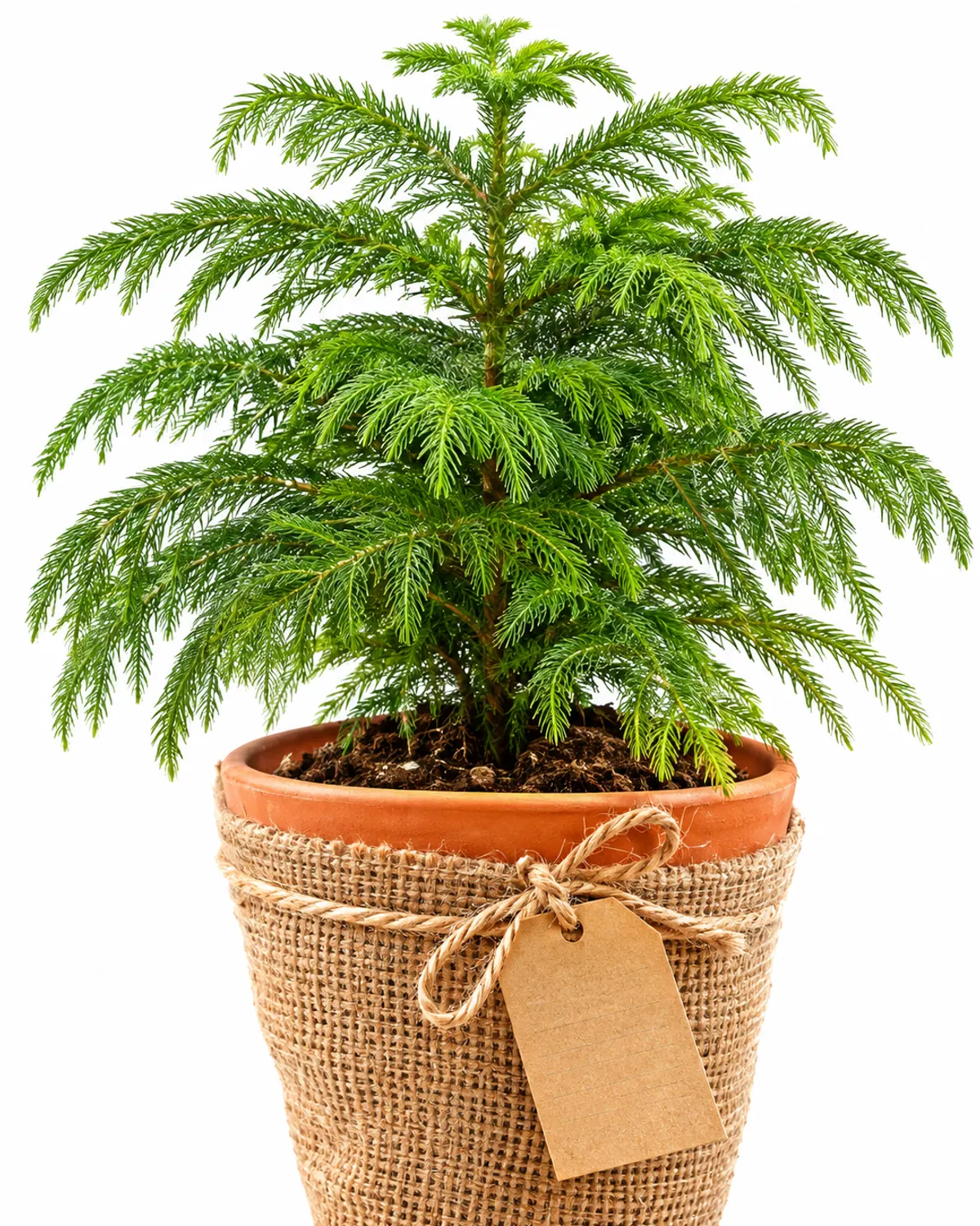
Center the pot on a square of kraft paper. As a rough guide, the square should be about the pot's width plus twice its height, which is about 12 inches for a 4-inch pot. Lift the sides, pleat the paper at the rim and tie it with twine, leaving all the leaves outside the paper. Outdoor frost-protection guides use the same idea: they wrap the container with burlap or bubble wrap instead of wrapping the plant.
-
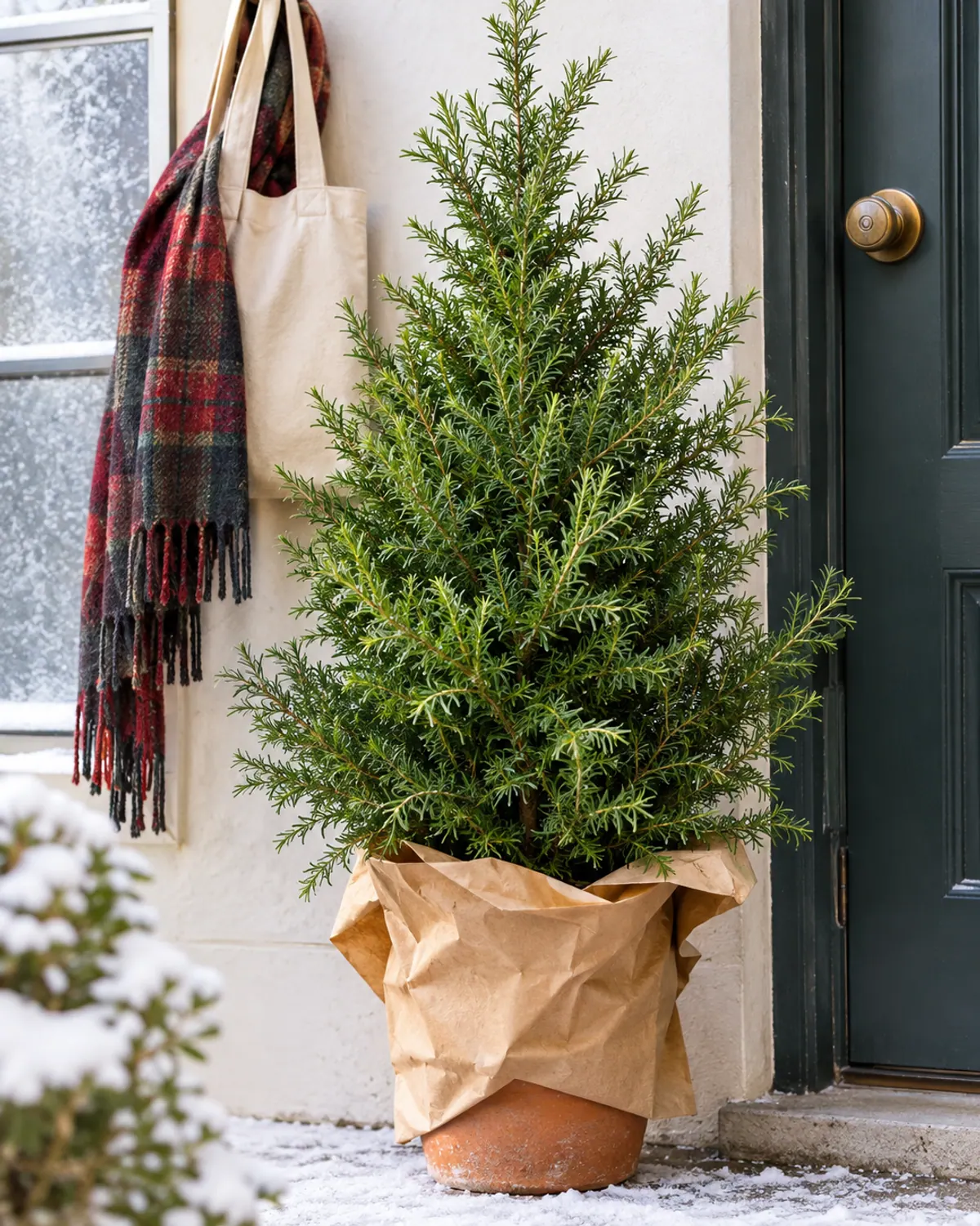
Step 4: Add a second layer for the cold
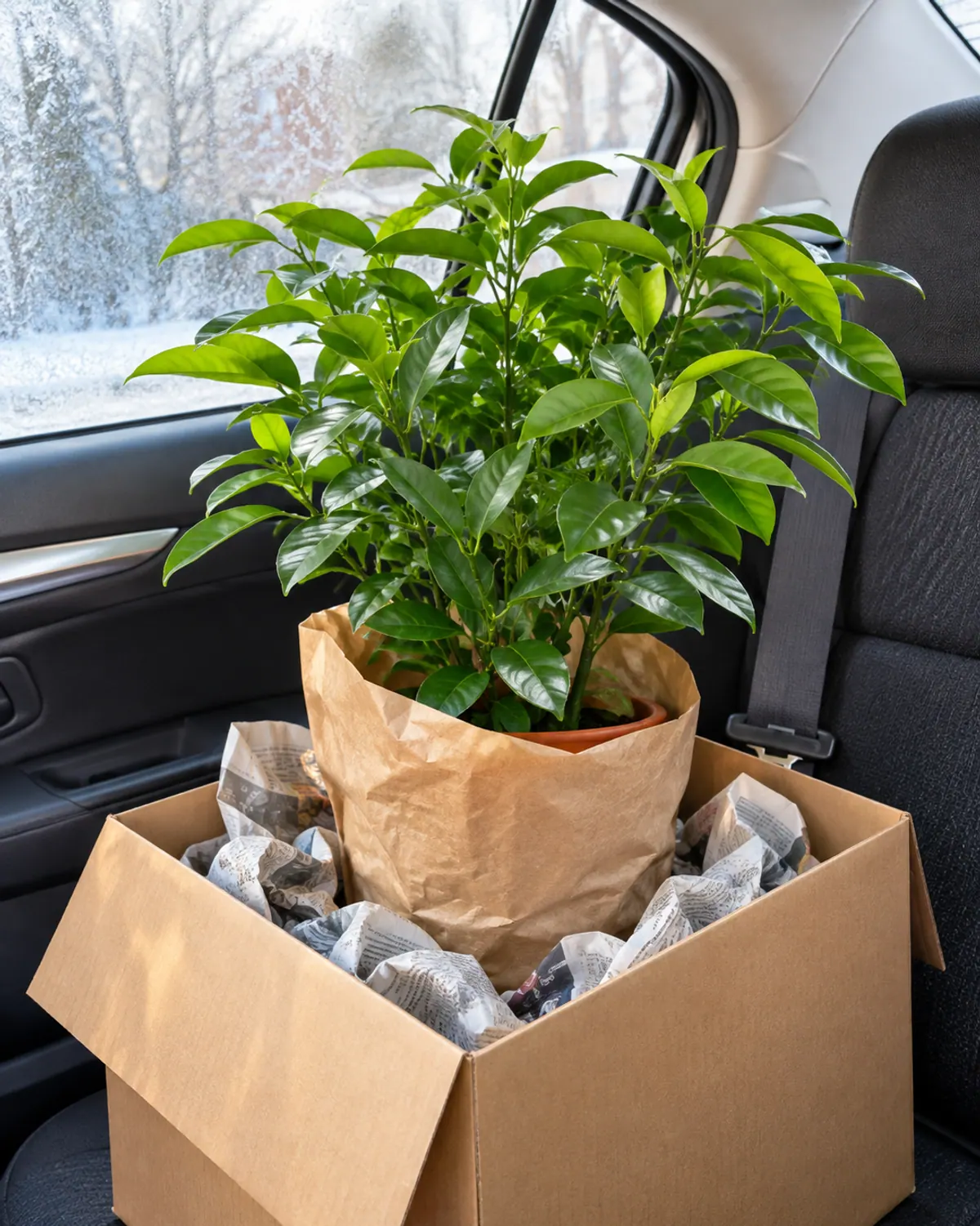
For a trip longer than the walk to a heated car, add a second layer of paper with some air between the layers. Nebraska Extension suggests several layers of paper with dead air space between them before taking a plant outdoors, with a grocery sack or cardboard box as the outer layer. Burlap is a good outer layer if you want a rustic look.
-
Step 5: Keep the leaves in open air
Leave the top open. If the branches need protection on the walk to the car, use a loose paper sleeve that stays open at the top and take it off at the other end. Tight plastic on foliage can block air and trap moisture, according to the outdoor frost-wrap guides we checked, and Nebraska Extension says plants left in a sleeve for a long time can yellow and drop lower leaves because of ethylene buildup.
-
Step 6: Tie on the care tag
Tie a tag to a stem or the pot rim with twine. Write four short lines: where it sits, when to water it, one thing to avoid and a pet note. Our plant care card guide has copy-ready wording and a free card to print, and the care tag section below shows the layout.
-
Step 7: Carry it in a heated car, upright
Run other errands first, heat the car before you load the plant and bring it in last. Purdue Extension advises preheating the car to prevent chilling injury and notes that cold and wind for as short a time as it takes to walk to the car can damage some plants. Stand the plant upright in a box with newspaper packed around the pot so it cannot tip, and keep it in the heated cabin, never in an unheated trunk.
Wrap by plant: what to cover, what to leave open
The pot wrap is the same for every plant. What changes is the top and the pet note, and the pet note is the part worth checking. ASPCA listings below were checked on 2026-11-12, and a listing is a reference and not a guarantee for your pet.
| Plant | Pot | Top | ASPCA listing |
|---|---|---|---|
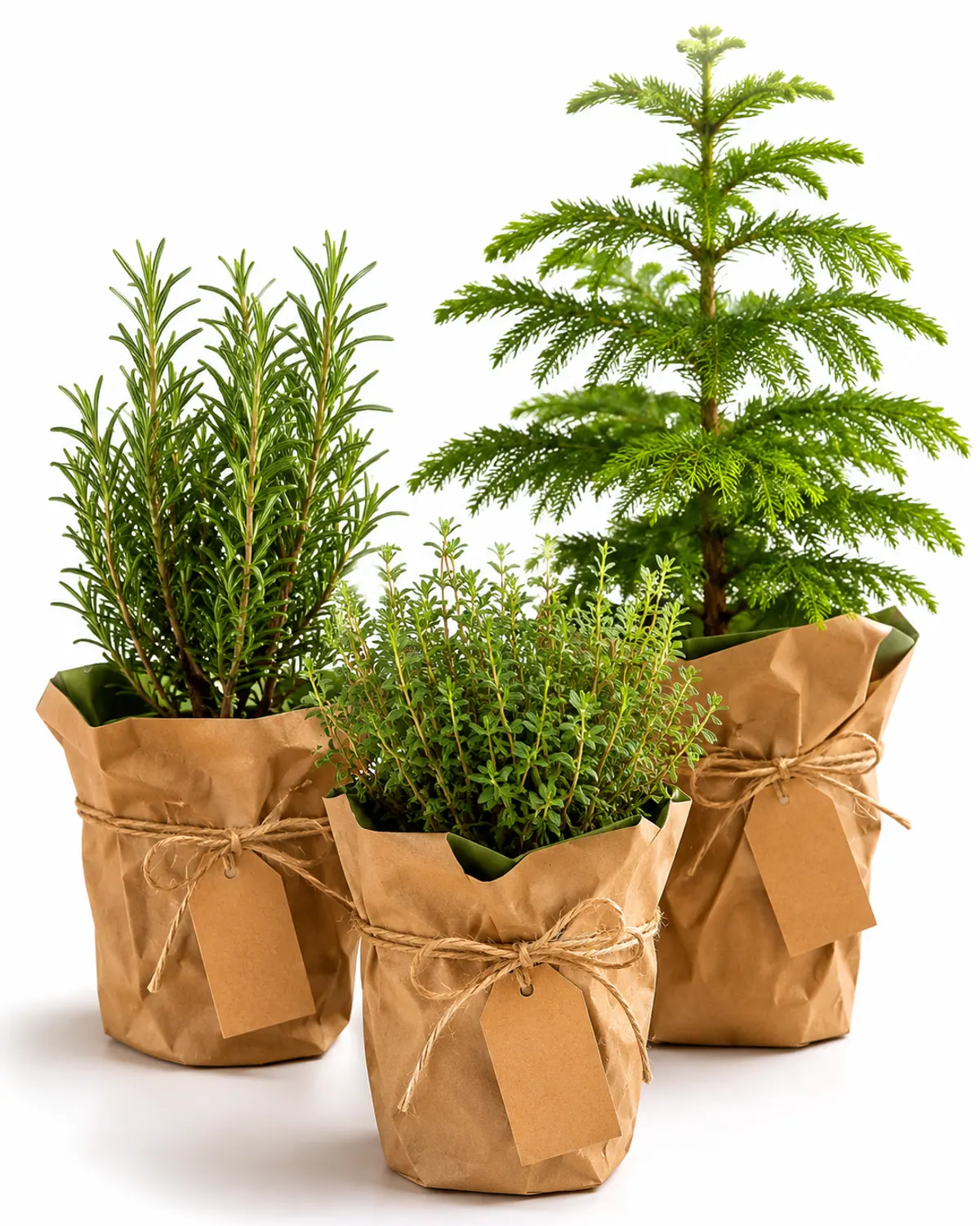
| Rosemary tree | Paper or burlap | Open, loose paper sleeve for the walk only | Non-toxic to dogs, cats and horses |
| Norfolk Island pine | Paper or burlap | Open, keep branches loose | Non-toxic to dogs, cats and horses (listed as Australian pine) |
| Thyme | Paper or burlap | Open | Non-toxic to dogs, cats and horses |
| Poinsettia | Paper | Paper sleeve for the walk, off at home | Toxic to dogs, cats and horses; irritating to the mouth and stomach |
| Pothos | Paper or burlap | Open | Toxic to dogs, cats and horses; mouth irritation, drooling, vomiting |
| Snake plant | Paper or burlap | Open | Toxic to dogs and cats; nausea, vomiting, diarrhea |
If the receiver has a pet, pick a plant the ASPCA lists as non-toxic and say so on the tag. Our Christmas plant gifts with pet safety notes and pet-safe houseplants list cover more plants. This is general information, not veterinary advice. If a pet chews a plant and seems unwell, call your vet or ASPCA Poison Control at (888) 426-4435.
Rosemary tree or Norfolk pine: wrap the pot only
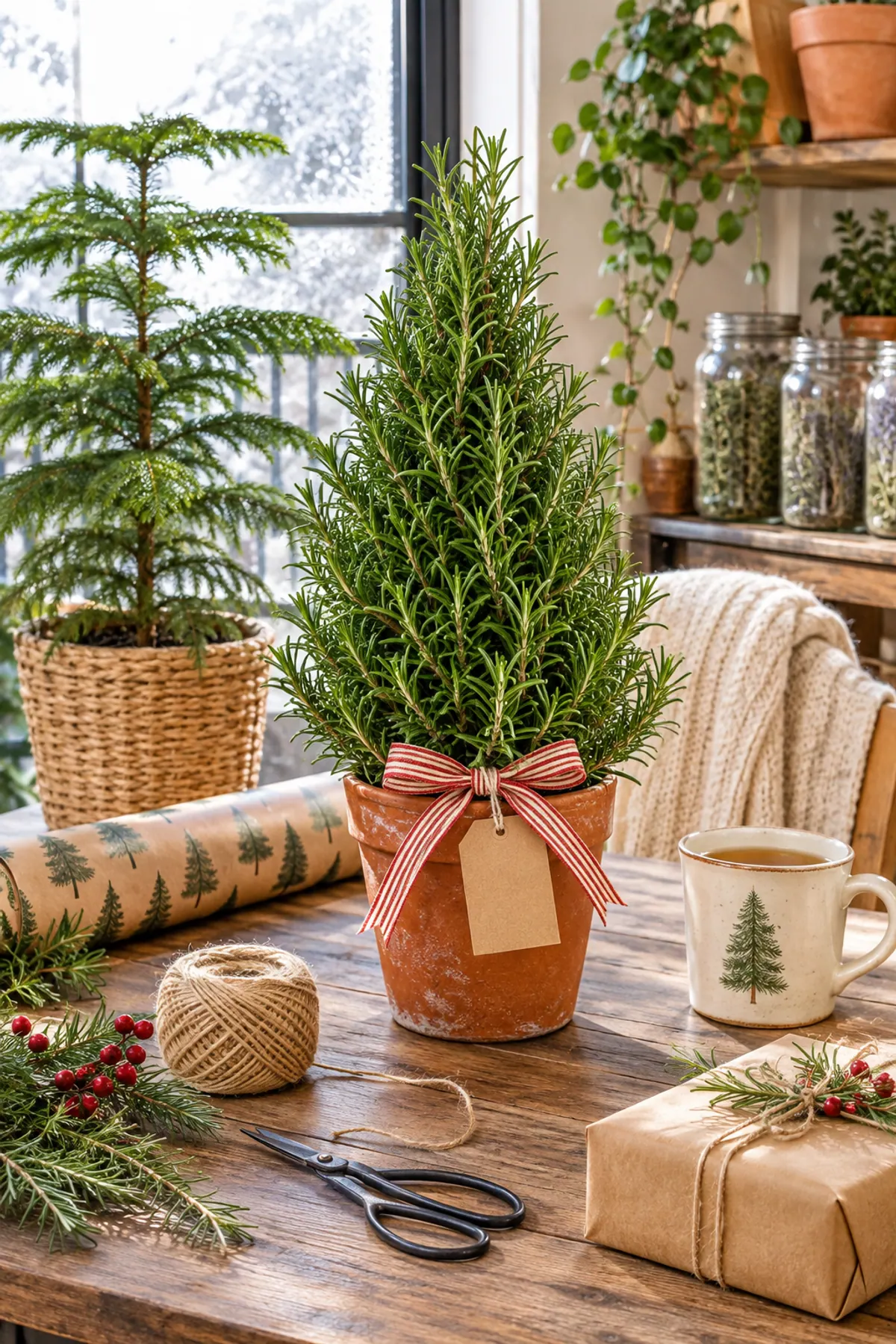
A rosemary Christmas tree and a Norfolk Island pine are the two most common living Christmas gifts, and both go wrong when the foil or plastic stays on. Wrap the pot, leave the tree open and tell the receiver to unwrap it the day they get it. Our guides cover the care after that: the rosemary Christmas tree guide and the Norfolk Island pine care guide.
Before you hand over a wrapped plant
How to wrap a big plant, a small plant or a basket
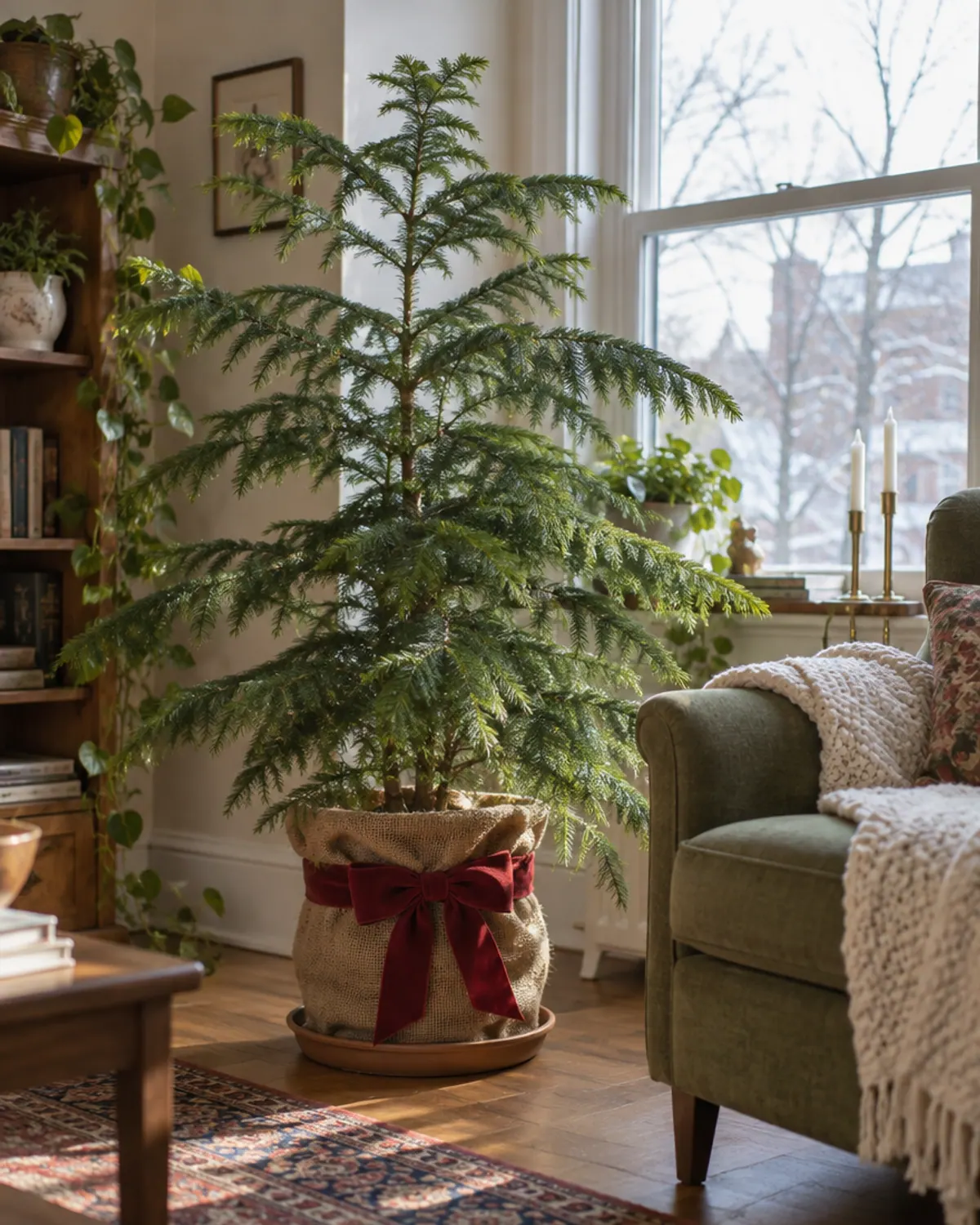
Big plant: skip the full wrap. Cover the pot in burlap or a fabric cover, tie a wide ribbon around the base, set it on a saucer and carry it in a heated car without trying to cover the foliage.
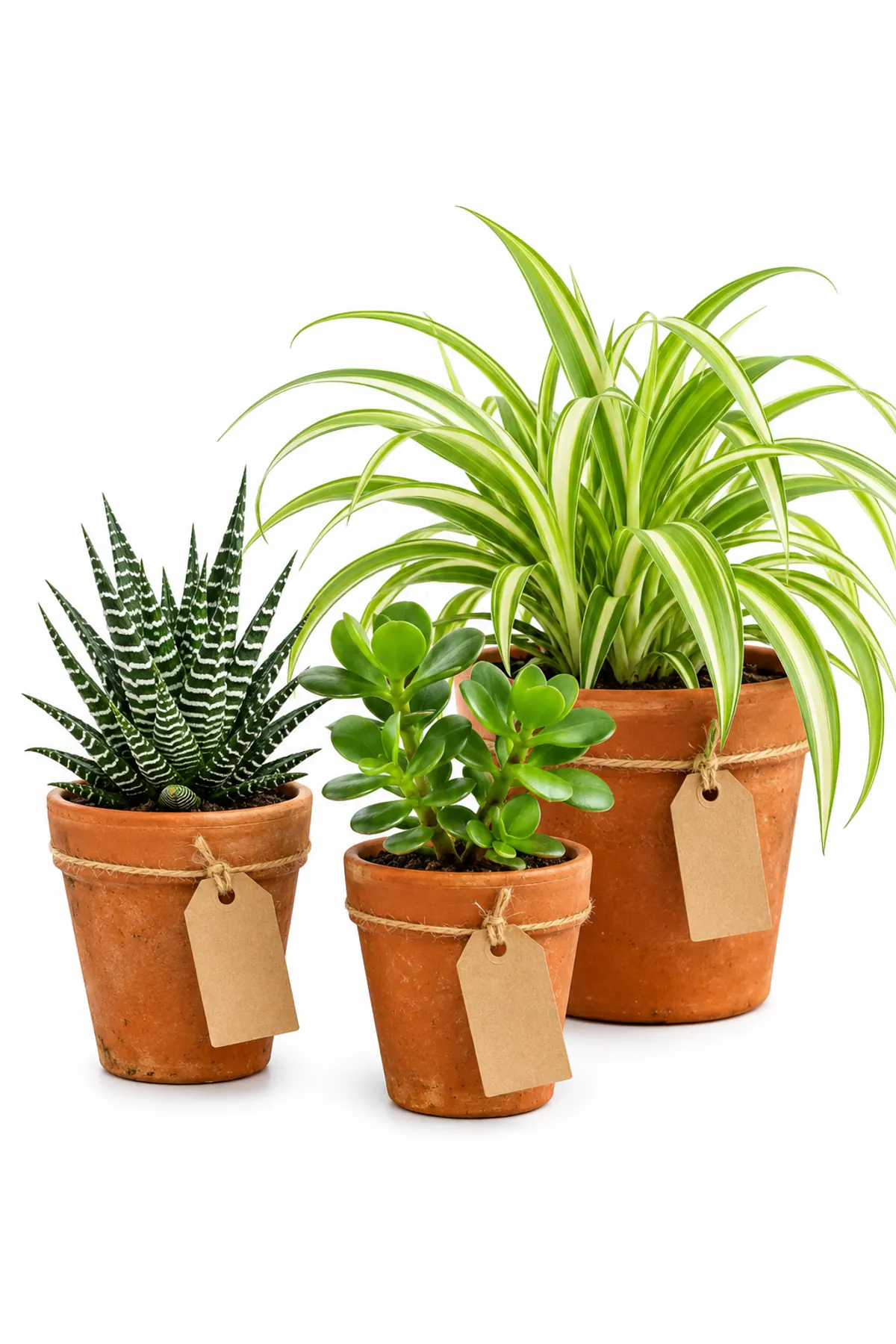
Small plant: slip the nursery pot into a clean mug or jar cover pot, lift it out to water, and tie a tag on the rim.
Several herbs: put the pots in a shallow crate with newspaper between them. Our herb gift basket ideas and the guide to giving potted herbs with labels show full builds.
Mistakes that hurt a wrapped plant
Sealed plastic or cellophane over the leaves: it can block air and trap moisture. Use a paper sleeve that is open at the top.
A foil or plastic pot cover with no hole: it can hold water around the pot. Lift the plant out to water it, or skip the cover.
Watering just before you wrap: the pot drips inside the paper. Water a day ahead.
Leaving the plant in a cold car: run errands first and bring the plant in last.
Leaving the wrap on at home: Purdue Extension says to remove the wrap once the plant is home so air can circulate.
What to write on the care tag
A care tag has room for about 40 words. Write the light (which window), the water rule (check the soil, then water when the top inch is dry), one thing to avoid, such as heat vents, fireplaces and cold glass, and a pet line copied from the ASPCA page. Nebraska Extension also says to keep plants away from cold drafts and from hot air near furnace ducts and fireplaces, which is a good line for the avoid box.
If you want the cards already designed, the Plant Gift Tags and Care Cards ($5) include 8 fold-over care cards for a rosemary tree, Norfolk Island pine, basil, thyme, mint, pothos, snake plant and a generic any-houseplant card, plus 12 gift tags for Christmas, teachers, thank-yous and housewarmings. The free option is the card in our plant care card guide.
After the wrap: help them keep it alive
One plant is easy to look after with a tag. If the person you are giving to owns a shelf of houseplants, the Houseplant Care Tracker ($4) has a plant inventory, a window and light map, a weekly check-in and a 12-month watering and feeding log, so winter care stops being guesswork. For a whole herb year in one download, the Herb Garden Binder ($25) holds all nine Herb & Hollow printables, including the tags and the tracker, which cost $54 bought one at a time. The code HERB20 takes 20% off the binder at checkout.
Care lines here are broad starting points, and the tag on your plant and your own light come first. This guide is gardening information, not medical or veterinary advice.
Frequently asked questions
How do you wrap a potted plant as a gift?
Water a day ahead, set the pot on a saucer, wrap the pot (not the leaves) in kraft paper or burlap and tie it with twine, then add a care tag. Keep the leaves in open air and carry the plant upright in a heated car.
How do you keep a plant warm when you give it in winter?
Heat the car before loading it, bring the plant in last and use several layers of paper with air between them for the cold walk. Nebraska Extension says poinsettias and similar plants can be damaged below 50°F, so treat any potted plant as tender for the trip.
Can you wrap a plant in plastic or cellophane?
Not over the leaves. Tight plastic can block air and trap moisture, and plants left in a sleeve for a long time can yellow and drop lower leaves. Use a loose paper sleeve open at the top, and take it off when you arrive.
How long can a plant stay wrapped?
Only for the trip. Purdue Extension says to remove the wrap once the plant is home so air can circulate, so tell the receiver to unwrap it the day they get it.
How do you wrap a big plant as a gift?
Skip the full wrap. Cover the pot in burlap or fabric, tie a wide ribbon around the base, keep it on a saucer and carry it in a heated car with the leaves left open.
What do you write on a plant care tag?
Four short lines: which window it sits in, water when the top inch of soil is dry, one thing to avoid such as heat vents or cold glass, and a pet note copied from the ASPCA page for that plant.
Save it for later
Pin this to your Houseplants board so it's there when you need it.
Save to Pinterest