This post contains affiliate links. As an Amazon Associate we earn from qualifying purchases, at no extra cost to you. Read our disclosure.
Safety first: Herbs can be powerful. If you are pregnant, nursing, take medication or have a health condition, check with your doctor or pharmacist first. Please read our herbal & garden safety notes before you start.
Key takeaways
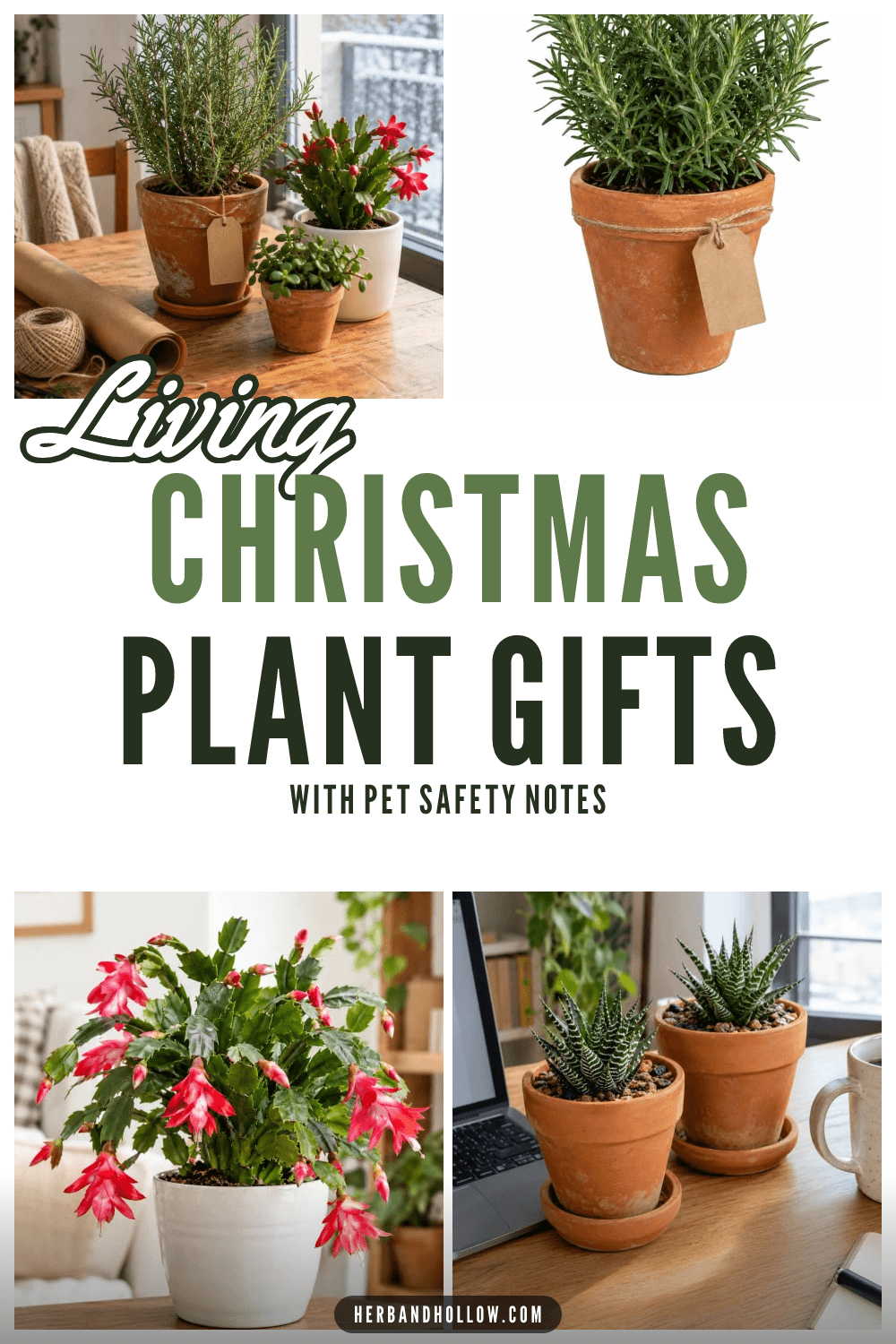
- Rosemary, thyme, Christmas cactus, African violet and haworthia are listed non-toxic to dogs and cats by the ASPCA
- Poinsettia, cyclamen, amaryllis, paperwhites and kalanchoe are listed toxic in some way, so ask before giving them to pet owners
- Norfolk Island pine is non-toxic per the ASPCA but listed as toxic by one retailer, so sources disagree
- A 4 inch herb or succulent plus a handwritten care card costs about $10 to $15
- Prices are typical list ranges, not sale prices, and change often
In this post20 sections
- How we picked these Christmas plant gifts
- Pet-safe plant gifts (ASPCA non-toxic)
- 1. Potted rosemary
- 2. Potted thyme
- 3. Christmas cactus
- 4. African violet
- 5. Haworthia
- Gift a care plan with the plant
- Norfolk Island pine: the sources disagree
- 6. Norfolk Island pine
- Give these only to homes without pets
- 7. Poinsettia
- 8. Cyclamen
- 9. Amaryllis kit
- 10. Paperwhite kit
- 11. Kalanchoe
- First-month care card: copy this onto a tag
- Add-ons under $10 for a plant gift
- What to skip
- FAQ
How we picked these Christmas plant gifts
Most plant gift lists show pretty photos and skip two questions: will this plant poison the recipient's cat, and will it still be alive in February? Each pick below carries its ASPCA pet listing, a short care note and a typical price range. We have not tested these plants by hand. Prices are typical list ranges for a small nursery pot, they change often, and sale prices are not counted.
| Plant | ASPCA pet listing | Care rating (ours) | Typical price |
|---|---|---|---|
| Rosemary | Non-toxic | Medium | $8 to $25 |
| Thyme | Non-toxic | Medium | $5 to $12 |
| Christmas cactus | Non-toxic | Easy | $10 to $25 |
| African violet | Non-toxic | Medium | $8 to $20 |
| Haworthia | Non-toxic | Easy | $6 to $15 |
| Norfolk Island pine | Non-toxic (ASPCA), toxic (one retailer) | Medium | $15 to $40 |
| Poinsettia | Toxic, mild | Easy | $6 to $20 |
| Cyclamen | Toxic, tubers worst | Fussy | $8 to $20 |
| Amaryllis kit | Toxic | Easy | $12 to $30 |
| Paperwhite kit | Toxic | Easy | $10 to $25 |
| Kalanchoe | Toxic | Easy | $6 to $18 |
The care rating is our own judgment of how forgiving a plant is for a beginner, not a figure from a source. If the person you are shopping for has a cat or dog, stay with the first five rows and read the Norfolk pine note.
Pet-safe plant gifts (ASPCA non-toxic)
These are listed by the ASPCA as non-toxic to dogs and cats. Non-toxic does not mean a pet should eat them, since any plant can upset a stomach, but they are the lowest-worry choices. For a longer list, see our pet-safe houseplants guide.
1Potted rosemary
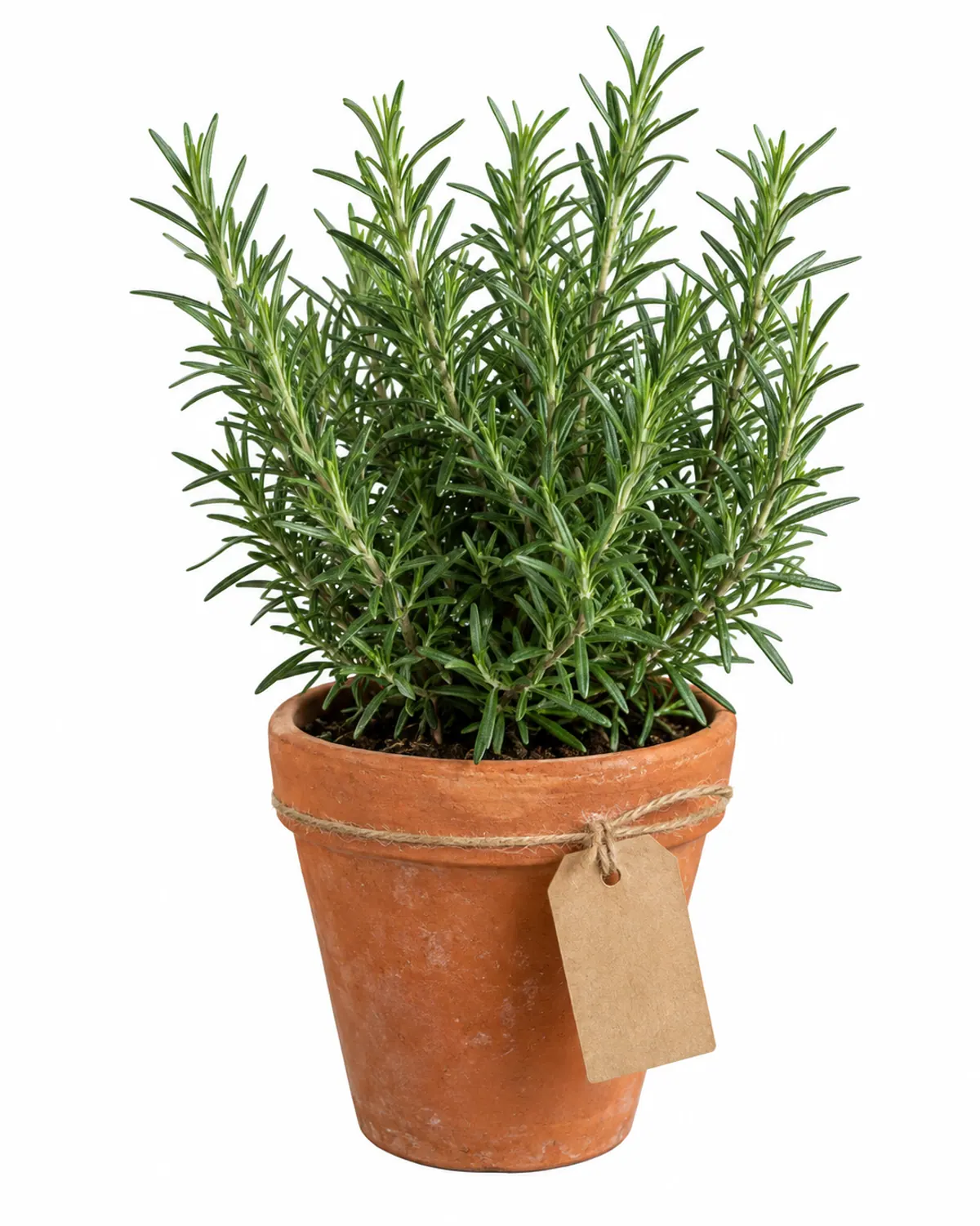
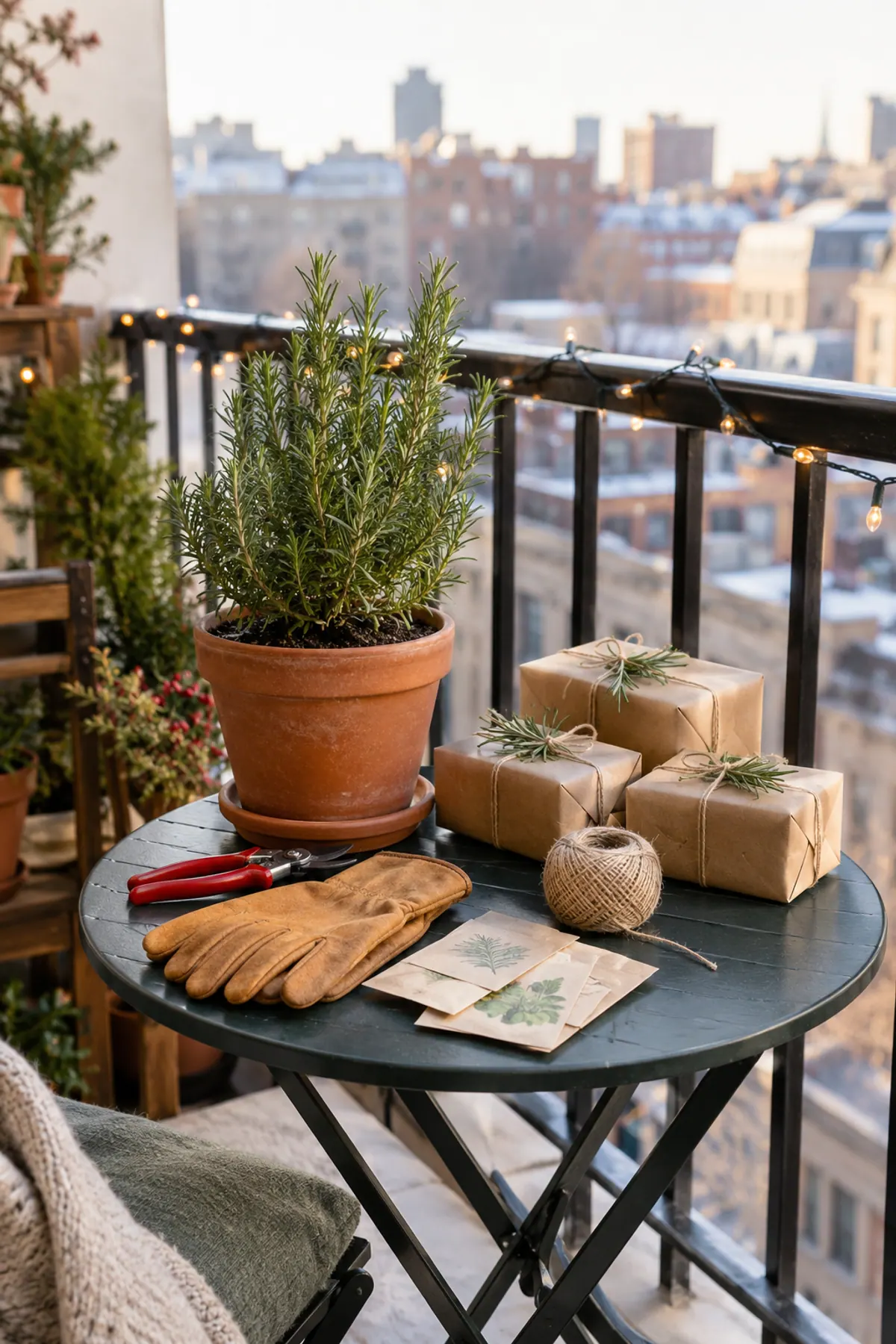
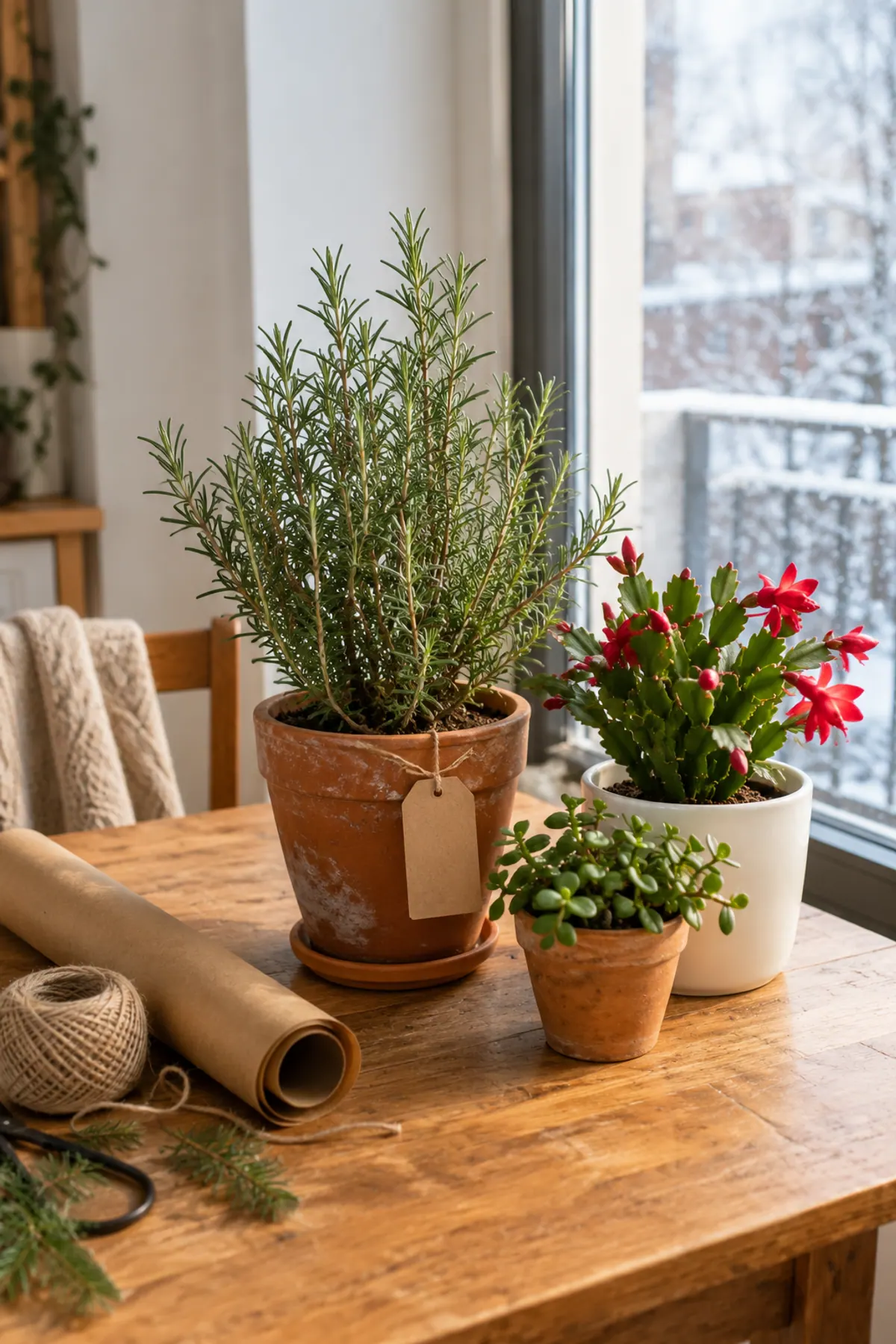
The ASPCA lists rosemary as non-toxic to dogs, cats and horses. It also smells like the holidays, and the leaves go straight into cooking. Iowa State Extension says rosemary wants at least six hours of direct sun, water only when the soil is dry, and never water left sitting in the saucer (Iowa State). That makes it a good gift for someone with a sunny south window, and a poor one for a dim north room.
- Tie a card to the pot that says: sunny window, water only when dry, empty the saucer.
Choose a bushy plant with no brown stems; the tree-shaped ones cost more
2Potted thyme
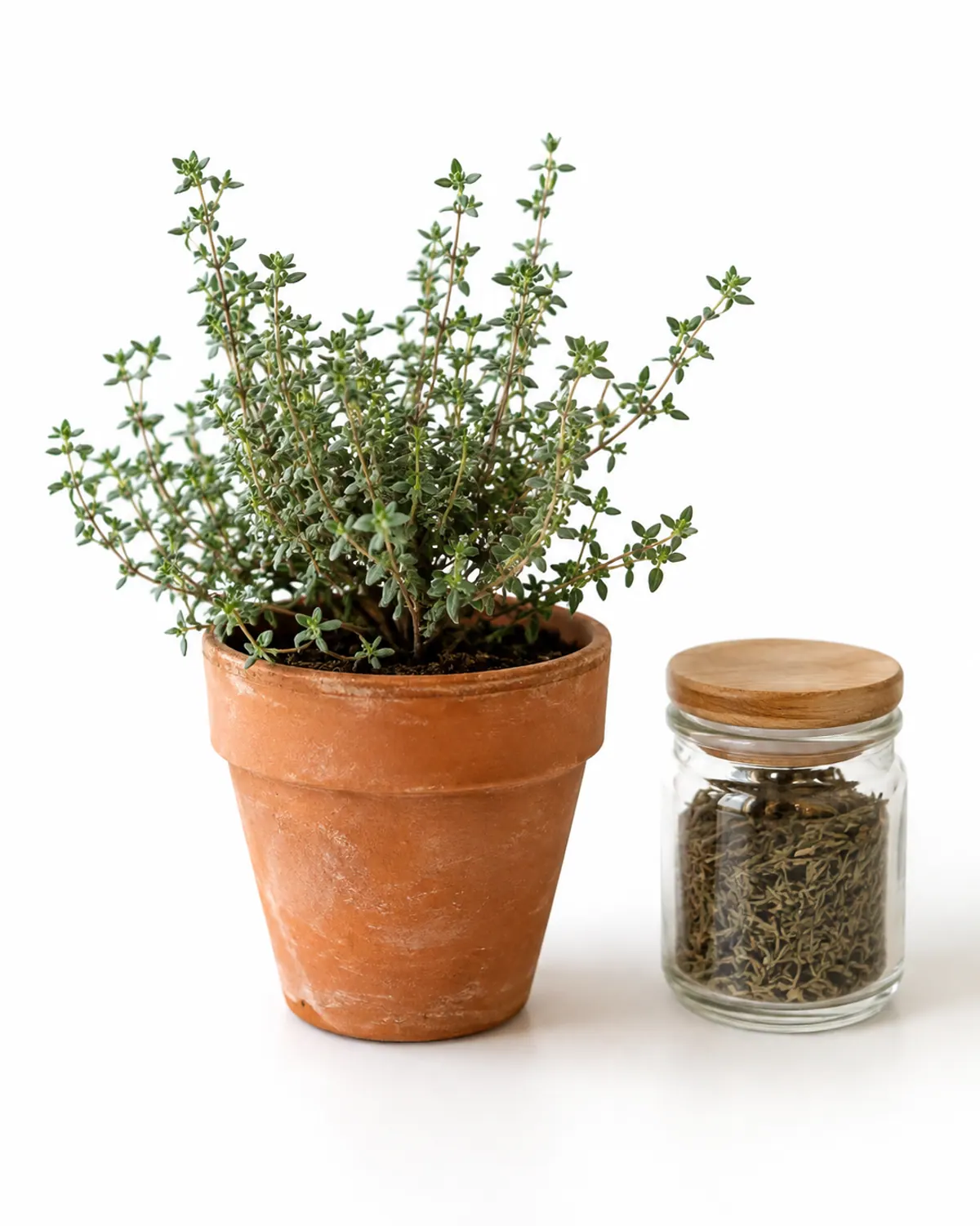
The ASPCA lists thyme (Thymus vulgaris) as non-toxic to dogs, cats and horses. Thyme is a small, low herb that stays tidy on a kitchen sill and tastes good in cooking. Like rosemary it is a sun-loving Mediterranean herb, so it does best on the brightest window in the home. It is a cheap stocking-stuffer plant, but it will sulk in a dark corner.
- Pair a thyme pot with a small jar of dried thyme so the gift can be used the same day.
A cheap herb gift that suits stocking and teacher gifts
3Christmas cactus
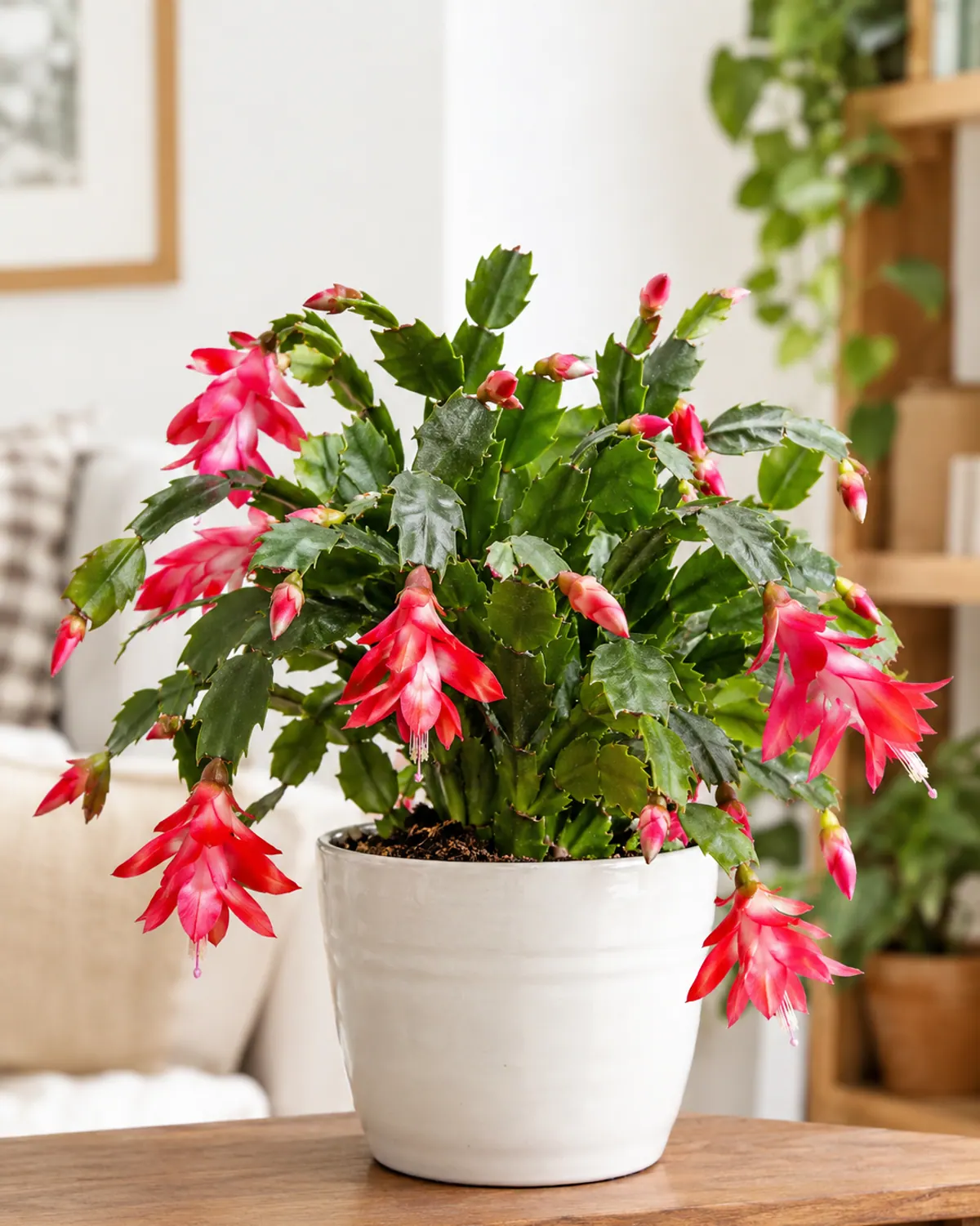
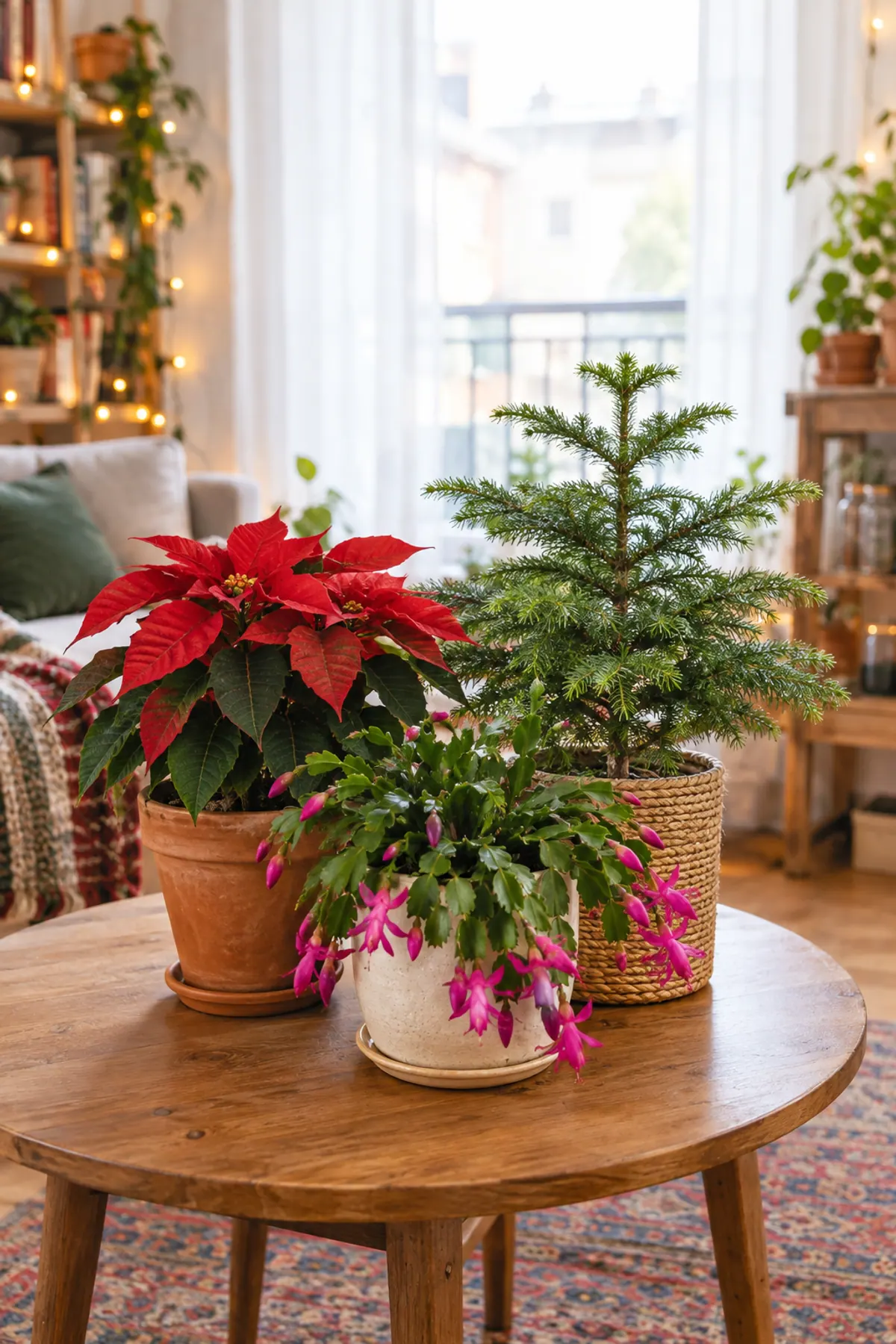
The ASPCA lists Christmas cactus as non-toxic to dogs, cats and horses, and Penn State Extension also rates it non-toxic (Penn State). It blooms in the weeks around the holidays and is forgiving, which is why it is the classic safe plant gift. Our Christmas cactus care guide covers watering and rebloom, and the Christmas cactus vs Thanksgiving cactus page helps if the label is missing.
- Buy one with many unopened buds, not one already in full bloom.
Often sold in bloom in November and December; check the buds
4African violet
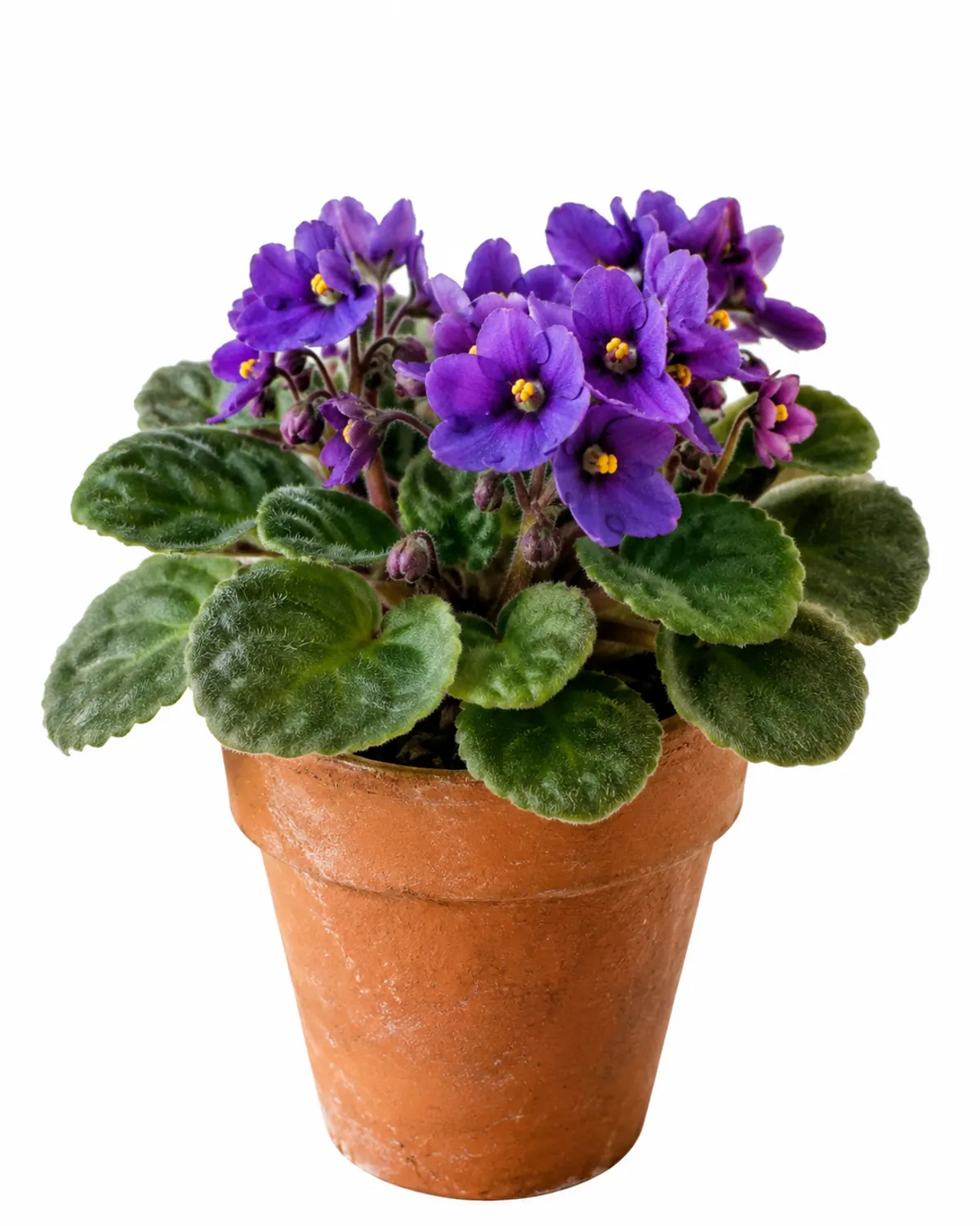
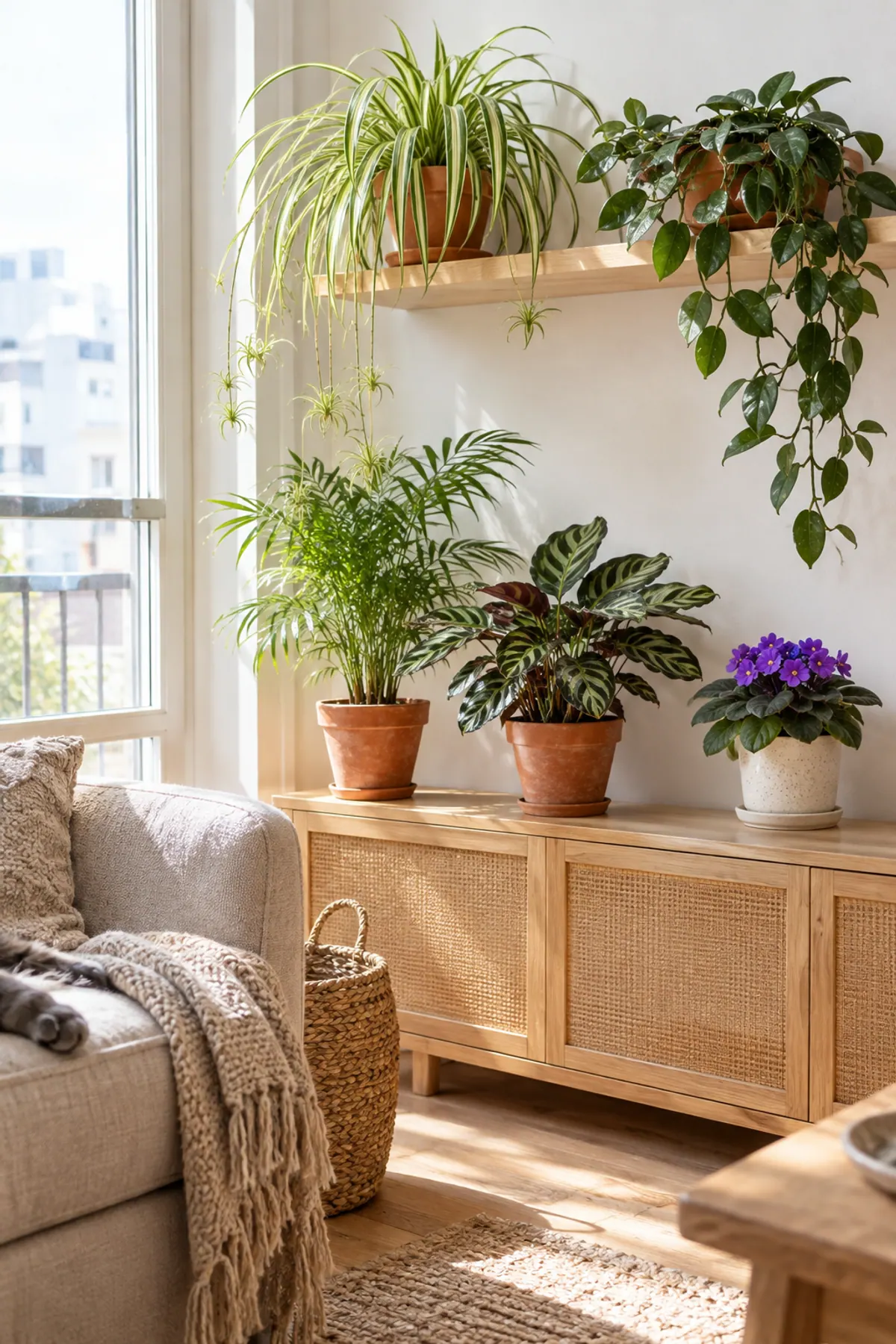
The ASPCA lists African violet (Saintpaulia) as non-toxic to dogs and cats. It is a small flowering plant that fits a narrow sill, which suits apartments. Violets are a little fussier than the plants above, so include a note to read the label that comes with the pot.
- A violet in a small ceramic cachepot looks more like a gift than a plastic nursery pot does.
Flowers in a small pot; a good desk or sill plant
5Haworthia
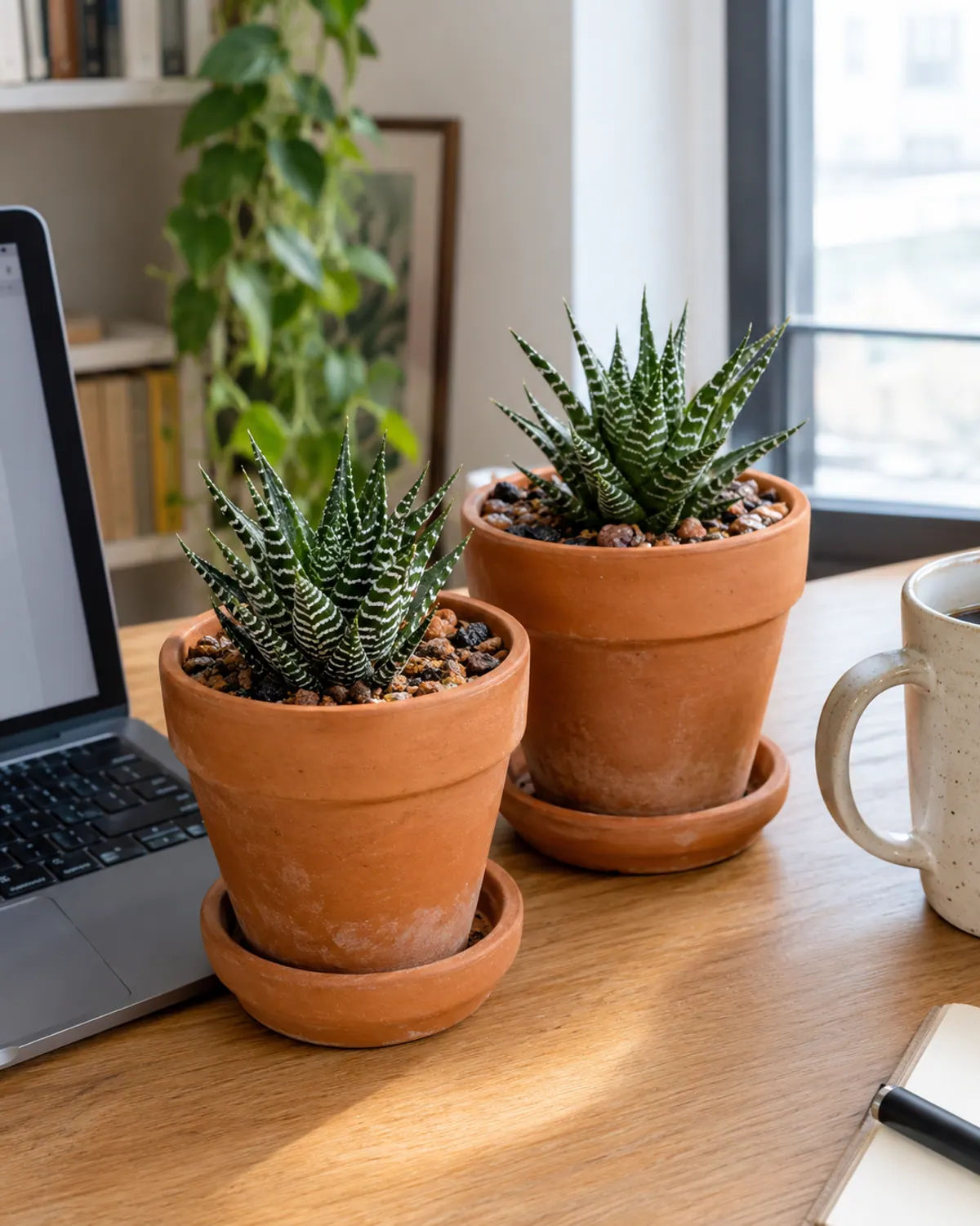
The ASPCA lists haworthia as non-toxic to dogs and cats, and Jackson and Perkins also names it pet-safe (Jackson and Perkins). It is a small, slow succulent that handles a desk or a dim shelf better than a sun-hungry herb does. It makes a good office or secret Santa gift for someone who forgets to water.
- Give it in a pot with a drainage hole, since succulents rot in standing water.
Low effort and a small footprint
Gift a care plan with the plant
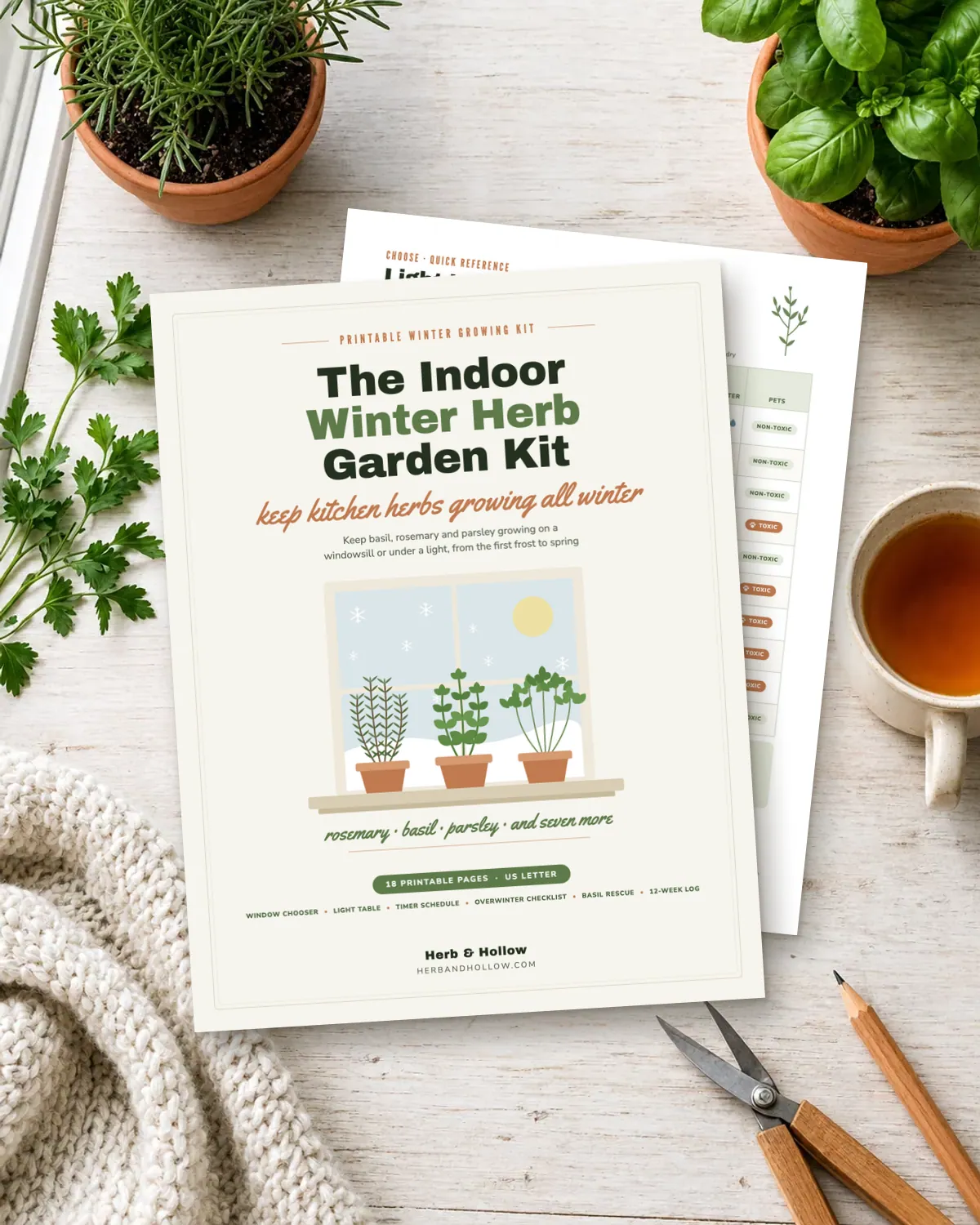
A potted rosemary or thyme is easier to keep alive when the person knows how to water it in winter. Pair the plant with the Houseplant Care Tracker ($4), a printable with one page per plant for the finger test, the pot-weight test and a log of the last check. It is a gift that fixes the most common winter problem, which is watering on a calendar instead of by the soil.
Norfolk Island pine: the sources disagree
6Norfolk Island pine
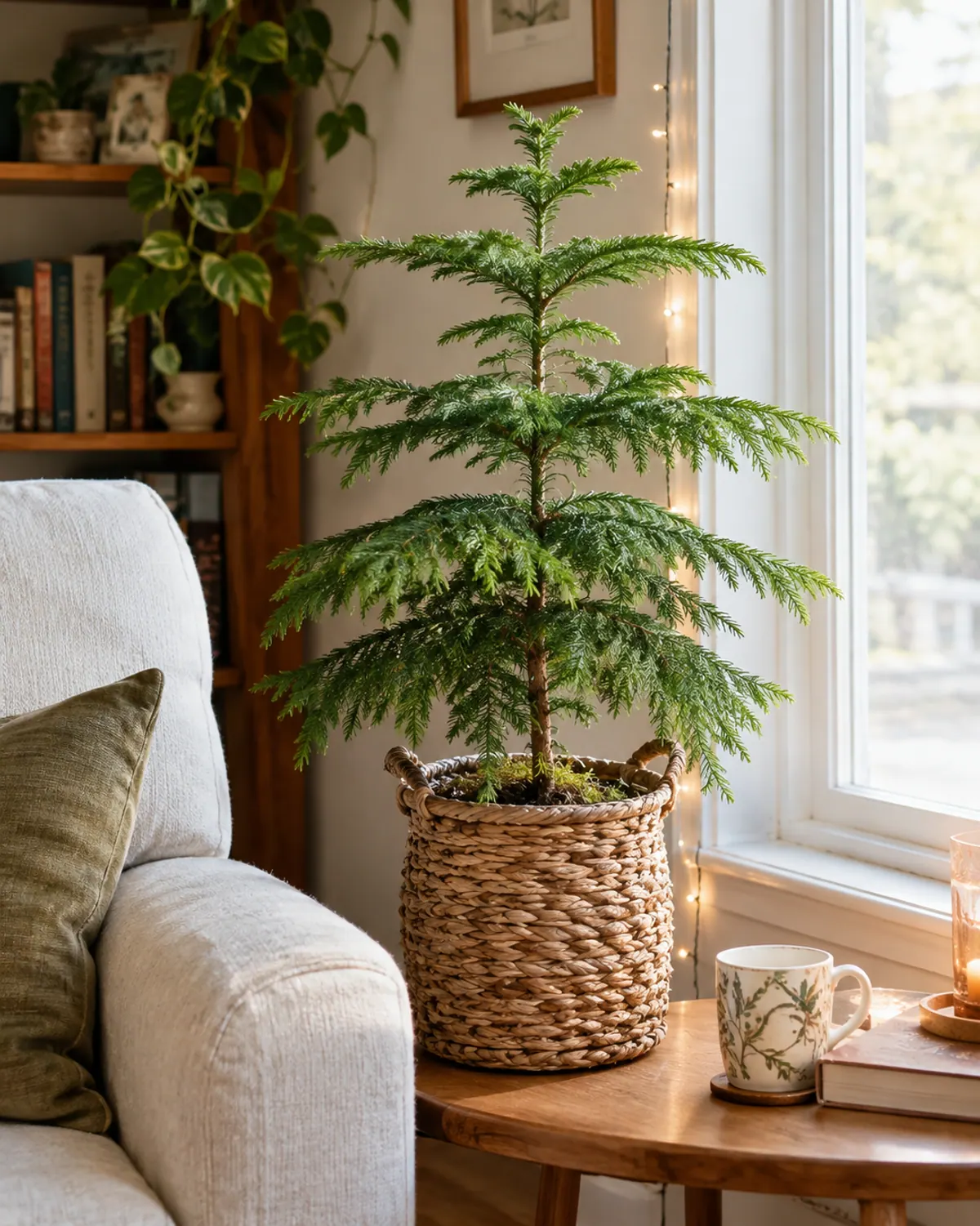
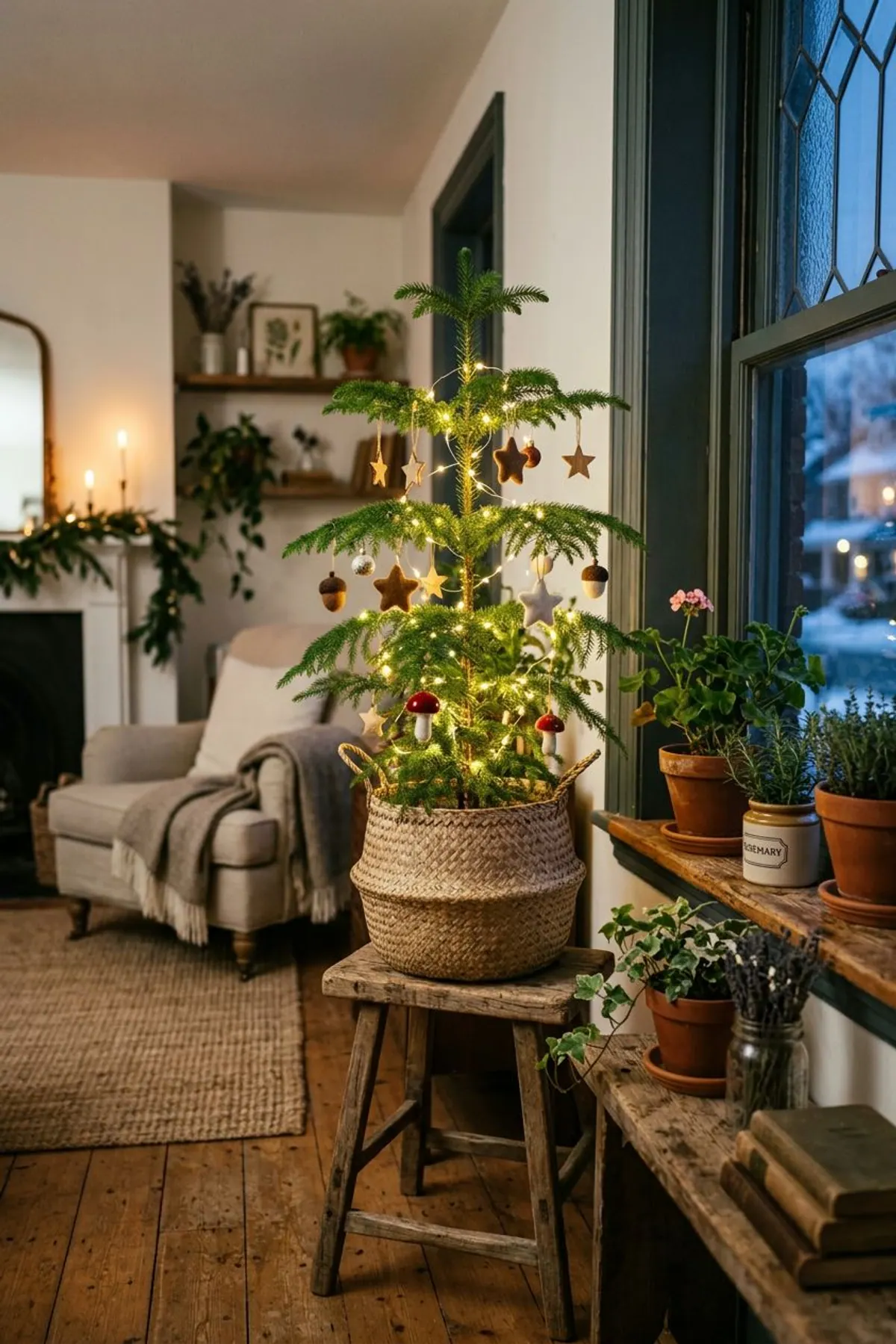
This is the one gift where we cannot give a single answer. The ASPCA page for Australian pine (Araucaria heterophylla, the Norfolk Island pine) lists it as non-toxic to dogs and cats. Jackson and Perkins lists Norfolk Island pine in its toxic table, with irritants causing stomach upset (Jackson and Perkins). We follow the ASPCA, the animal poison control source, and still tell pet owners to keep the tree from being chewed. Iowa State suggests bright light near an east, west or south window, a weekly turn and a humidifier or pebble tray (Iowa State). More in our Norfolk Island pine care guide.
- A tabletop size in a basket works as a gift tree that outlasts December.
Keep it lightly decorated and away from heat vents
Give these only to homes without pets
The ASPCA lists the plants below as toxic to cats and dogs in some way. That does not make them bad gifts for a home without pets or toddlers. It means you should ask first, put a note on the card and never send them to a cat household as a surprise. If a pet eats a plant and seems ill, call a vet or the ASPCA Animal Poison Control Center at (888) 426-4435. A consultation fee may apply. This is general information, not veterinary advice.
7Poinsettia
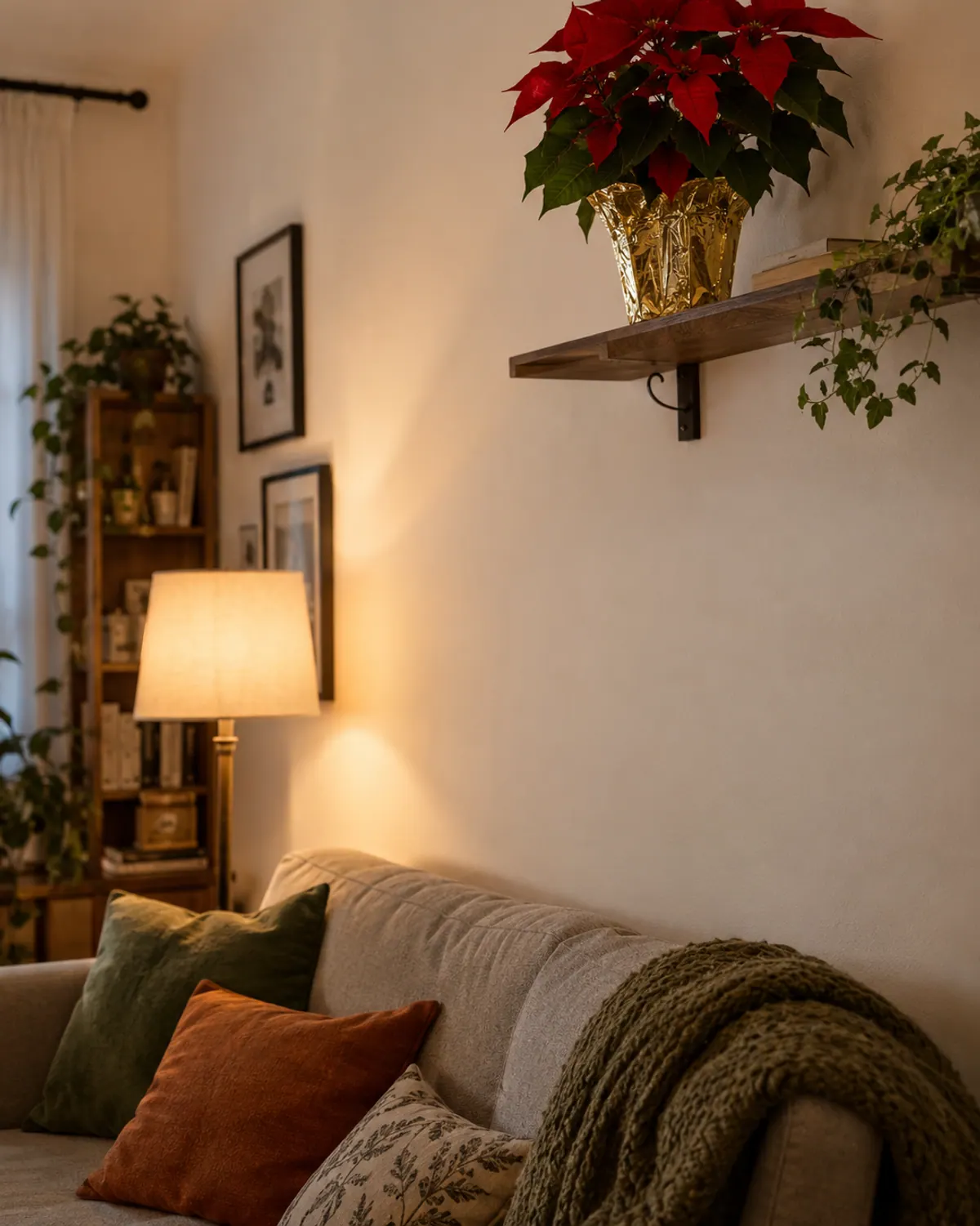
The ASPCA lists poinsettia as toxic to dogs, cats and horses because of an irritant sap, causing mouth and stomach irritation and sometimes vomiting, and says its toxicity is generally over-rated. Penn State Extension agrees the danger is greatly exaggerated and the milky sap may upset a stomach but should pass (Penn State). Jackson and Perkins still puts poinsettia in its toxic table (Jackson and Perkins). So both sides agree it can cause stomach upset, and they differ on how worried to be. Our poinsettia care guide covers keeping it alive.
- Punch drainage holes in the foil sleeve, or lift the pot out to water it.
Sold everywhere in December; keep out of a pet's reach
8Cyclamen
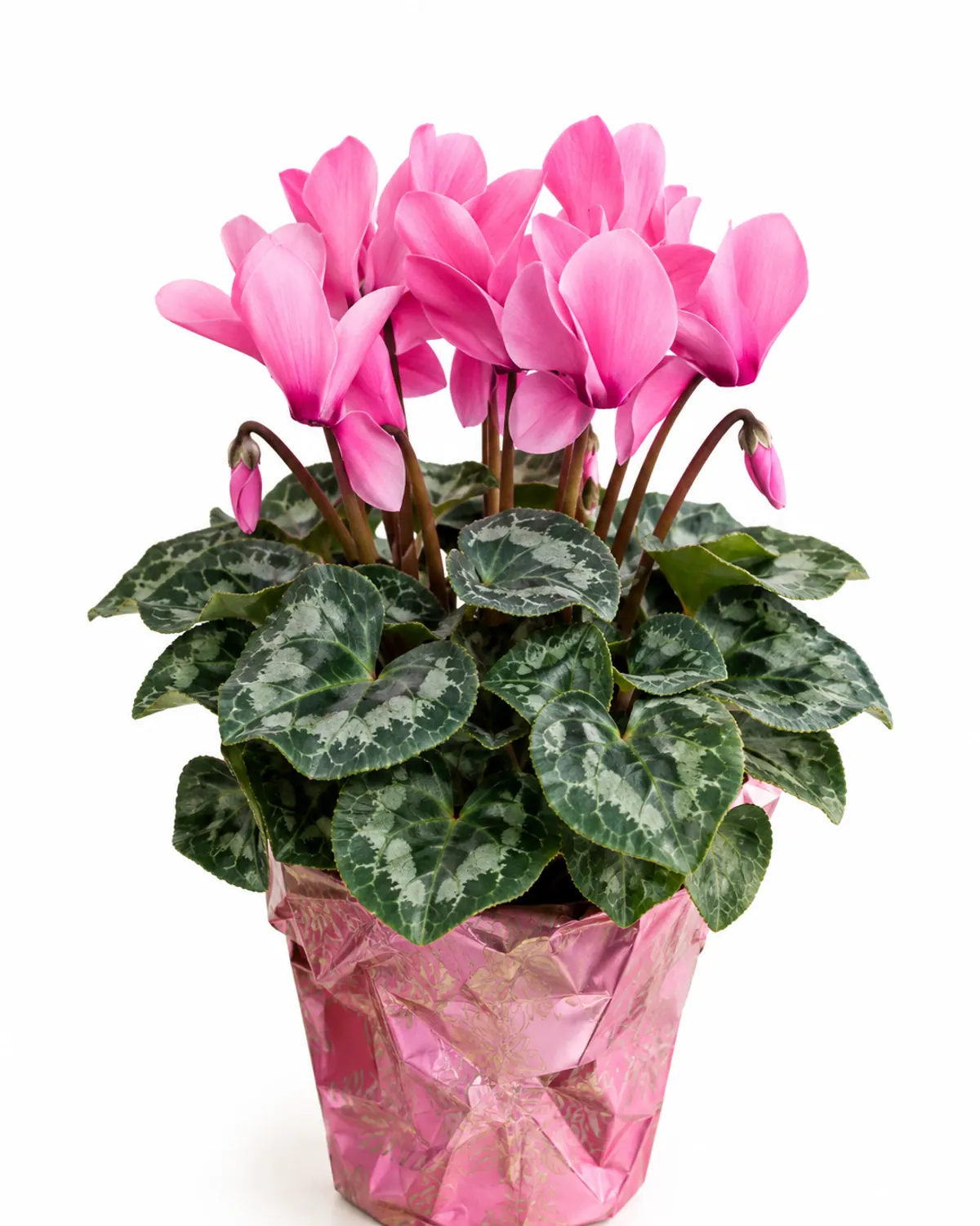
The ASPCA lists cyclamen as toxic to dogs, cats and horses, with drooling, vomiting and diarrhea, and heart rhythm changes, seizures and death after large amounts of tuber. Cut flowers and leaves are less of a worry than a dug-up tuber, but keep it from pets all the same. It also needs cool air, so it is a gift for a bright, cool room. See our cyclamen care guide.
- Tell the recipient to take off the foil or punch holes in it so water can drain.
Best for a cool, bright room with no pets
9Amaryllis kit
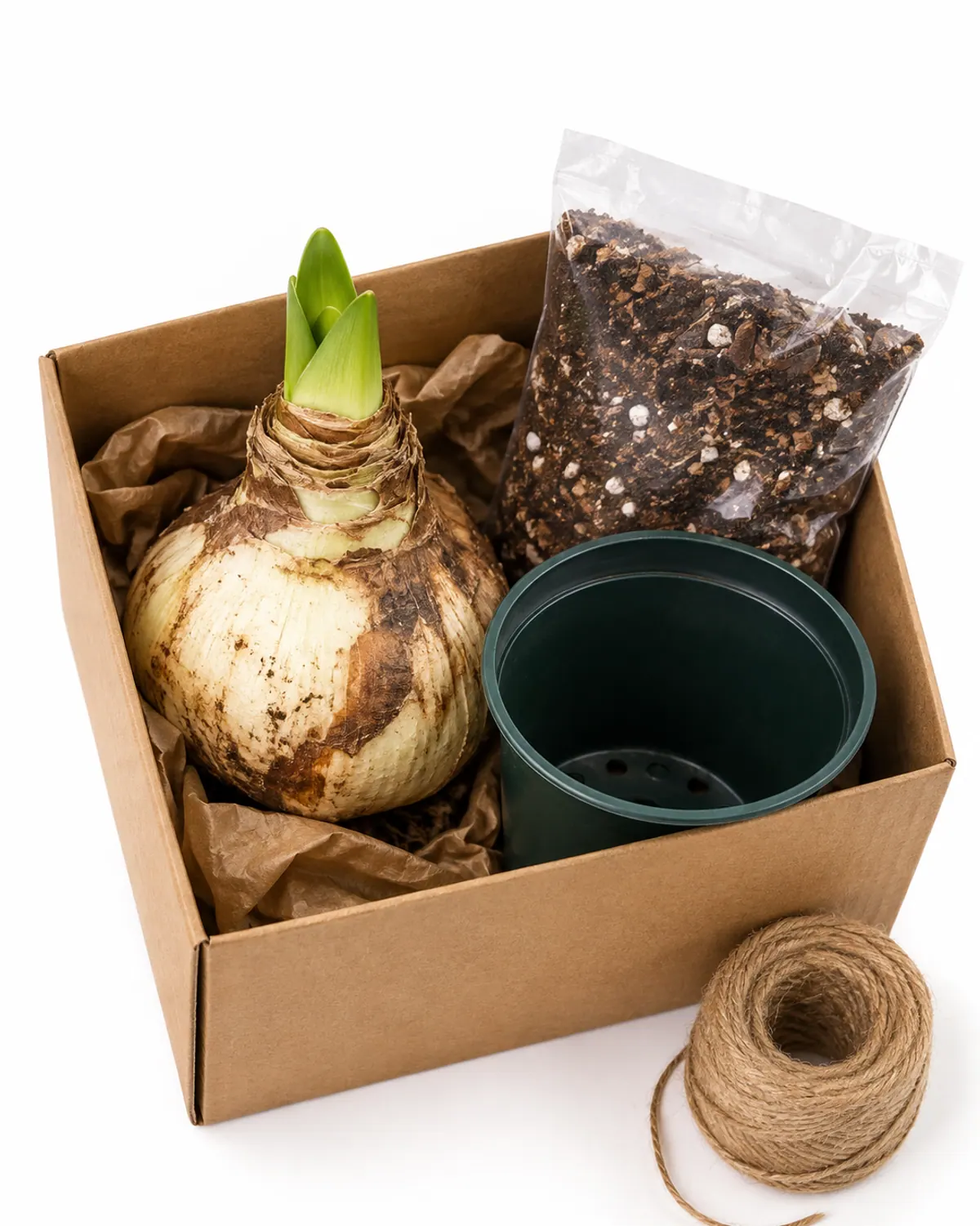
The ASPCA lists amaryllis as toxic to dogs and cats because of lycorine, with vomiting, depression, diarrhea, abdominal pain, drooling and tremors. Penn State puts it on the 'naughty list' too and says the bulb holds the most toxin (Penn State). A kit is an easy gift that needs only water, and our amaryllis care guide covers after-bloom care.
- Skip it for any household with a dog that digs or chews bulbs.
A big bloom in weeks; for homes without pets
10Paperwhite kit
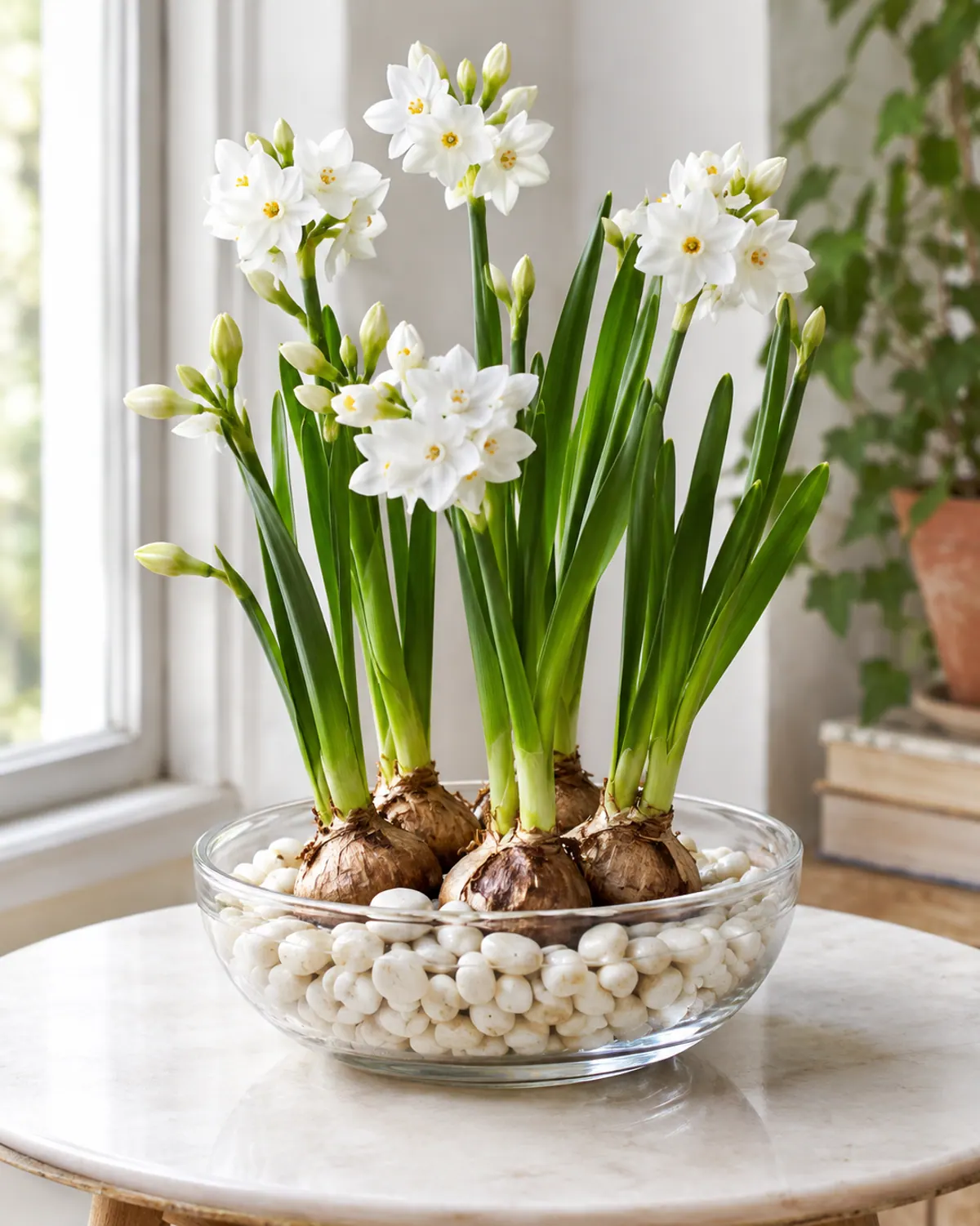
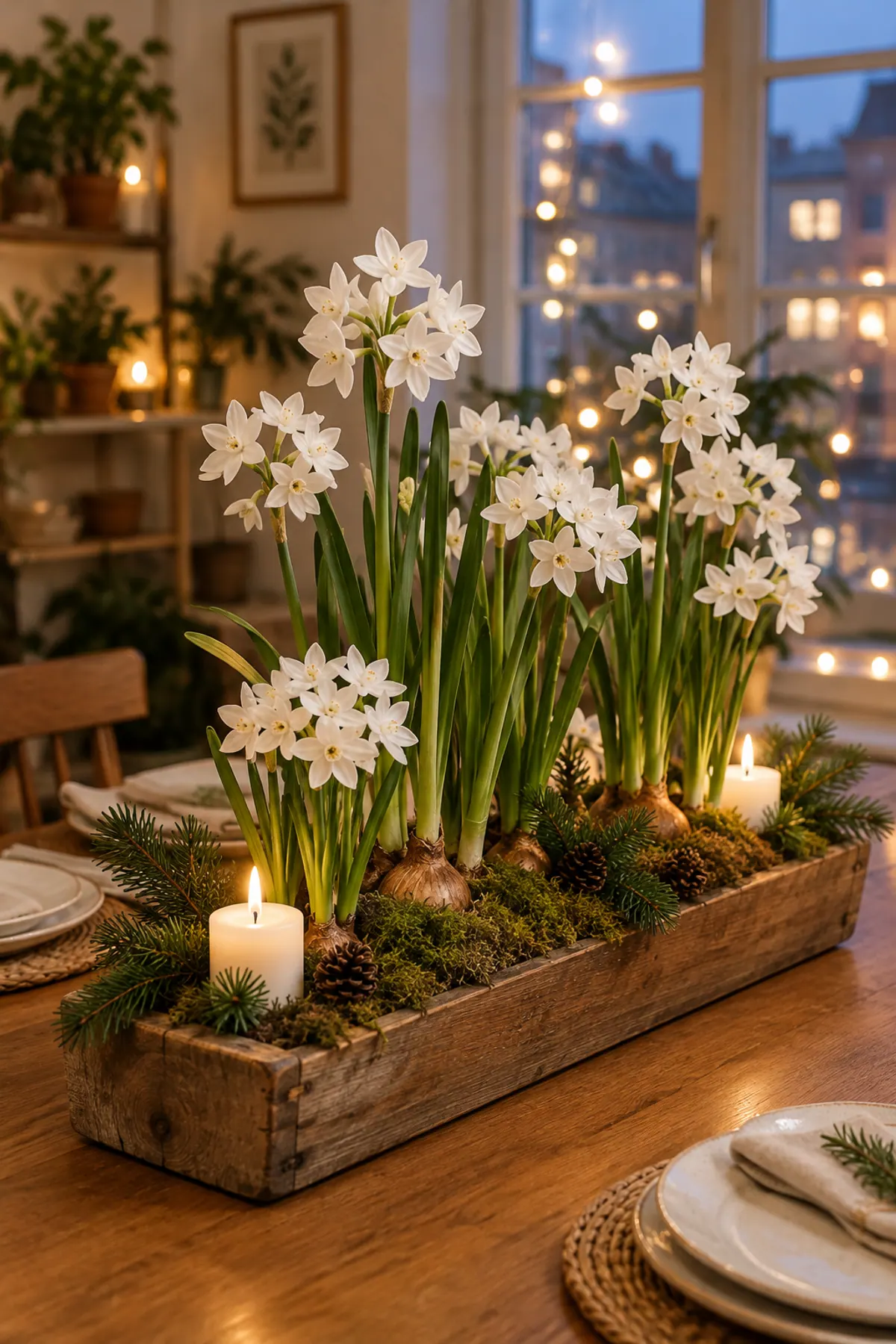
The ASPCA lists narcissus, including paper whites, as toxic to dogs and cats, with the bulbs most poisonous and large amounts causing convulsions, low blood pressure, tremors and heart rhythm changes. Penn State agrees (Penn State). See our paperwhite centerpiece ideas for pet-free homes.
- Because the show is short, tell the recipient the bloom is the whole point.
Quick to bloom; for homes without pets
11Kalanchoe
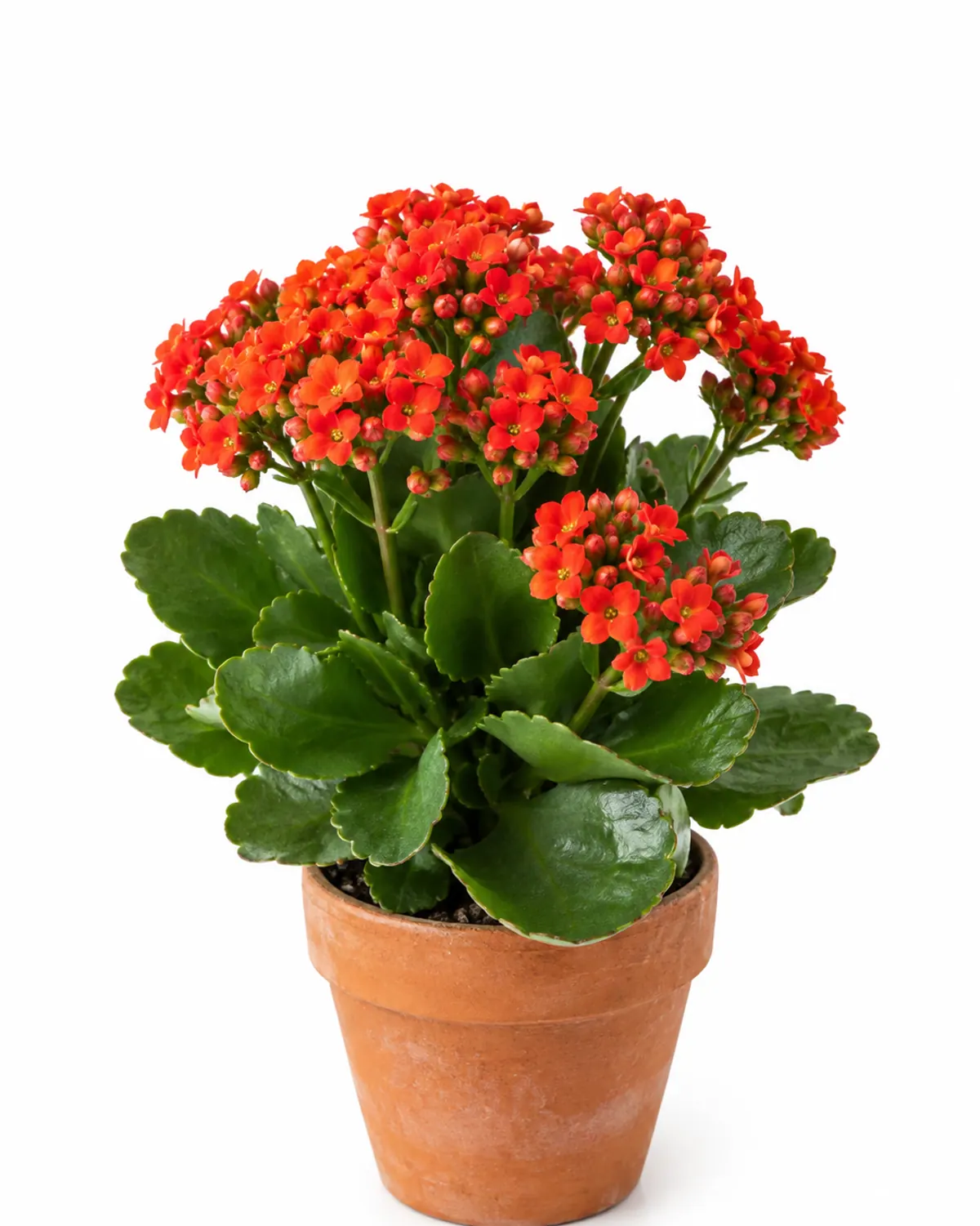
The ASPCA lists kalanchoe as toxic to dogs and cats, with vomiting, diarrhea and rarely an abnormal heart rhythm. It is a sturdy succulent with long-lasting small flowers, and a common supermarket gift. Choose it for a bright sill in a pet-free home.
- Check that the pot has a drainage hole before you wrap it.
Cheap and long-blooming; not for homes with cats or dogs
First-month care card: copy this onto a tag
Most plant gifts die from a missing instruction, not from bad luck. Write the plant's three needs on a card and tie it to the pot. Our template has five lines, so it fits on a kraft tag.
Care card (write one per plant)
Add-ons under $10 for a plant gift
A small add-on turns a plant into a gift that lasts. These are example prices as of November 10, 2026, not checked in a store, so look at the current price before you buy. Our own tracker is the one fixed price here.
| Add-on | Example price | What it does for the person getting it |
|---|---|---|
| Houseplant Care Tracker printable | $4 | One page per plant for the last check and the soil test, so they water by what the soil says |
| Plant labels or markers | Typically $5 to $10 | Names each pot and the date it was given; see our DIY plant markers for a cheaper way |
| Seed packet of an easy herb | Varies by brand and store, often under $10 | Something to sow in January, with the sowing dates on the back |
Want the full watering guide to tuck in with the plant? Our plant watering schedule by light level chart shows starting ranges for bright, medium and low light, with the soil check first.
If you want to give something that keeps teaching after the plant is gone, the Small-Space Garden Binder holds our herb printables, a seed-starting calendar and a start-here kit in one download. See the prices and what is inside before you buy. The binder also includes the Houseplant Care Tracker along with seven other printables, 197 pages in all, at $23.
A plant given without care instructions is easy to overwater, so tie the light, water and pet note on with it.
What to skip
What we like
- Herbs and a Christmas cactus suit almost any home, including homes with pets
- A 4 inch plant with a care card is a real gift at $10 to $15
- A living gift outlasts cut flowers by months
Keep in mind
- Toxic picks need a pet check and a note on the card
- Foil sleeves and cold car rides stress cyclamen and poinsettia
- Bulb kits bloom once and may not suit people who want something that lasts
Wrapping and add-ons for a plant gift
-
Kraft gift tags with twine
Typically $5 to $10
For the care card
Check price on Amazon for Kraft gift tags with twine -
Small ceramic cachepot with a drainage saucer
Typically $8 to $20
Turns a nursery pot into a gift
Check price on Amazon for Small ceramic cachepot with a drainage saucer -
Plant mister and watering can for small plants
Typically $10 to $20
A long spout reaches under leaves
Check price on Amazon for Plant mister and watering can for small plants -
Terracotta pots with saucers, 4 inch
Typically $8 to $18
Good for rosemary and thyme
Check price on Amazon for Terracotta pots with saucers, 4 inch -
Moisture meter for houseplants
Typically $8 to $15
A second opinion on watering
Check price on Amazon for Moisture meter for houseplants
Frequently asked questions
What is a good Christmas plant gift for someone with cats?
Rosemary, thyme, Christmas cactus, African violet and haworthia are listed by the ASPCA as non-toxic to cats and dogs. Skip cyclamen, amaryllis, paperwhites and kalanchoe, which it lists as toxic.
Are poinsettias poisonous to cats and dogs?
The ASPCA lists poinsettia as toxic because the sap irritates the mouth and stomach and can cause vomiting, but says its toxicity is generally over-rated. Penn State Extension also calls the danger exaggerated. Keep it out of reach anyway.
Is a Norfolk Island pine safe for pets?
Sources disagree. The ASPCA lists Norfolk Island pine (Australian pine) as non-toxic to dogs and cats, while Jackson and Perkins lists it as toxic with stomach upset. We follow the ASPCA and still keep pets from chewing it.
What is a cheap plant gift under $15?
A 4 inch rosemary, thyme or haworthia plant, often $5 to $15, with a handwritten care card. Prices change, so check at purchase.
What should I do if my pet eats a houseplant?
Call your vet or the ASPCA Animal Poison Control Center at (888) 426-4435. A consultation fee may apply. This is general information, not veterinary advice.
Save it for later
Pin this to your Houseplants board so it's there when you need it.
Save to Pinterest