This post contains affiliate links. As an Amazon Associate we earn from qualifying purchases, at no extra cost to you. Read our disclosure.
Safety first: Herbs can be powerful. If you are pregnant, nursing, take medication or have a health condition, check with your doctor or pharmacist first. Please read our herbal & garden safety notes before you start.
Key takeaways
- Buy in this order: golden pothos, snake plant, spider plant, ZZ plant, heartleaf philodendron. Each one forgives a missed week.
- One rule keeps all 21 alive: push a finger into the soil, and water only when the top inch or two is dry.
- Pet homes: spider plant, cast iron plant, parlor palm, peperomia, hoya, haworthia, ponytail palm and Christmas cactus are listed non-toxic by the ASPCA. Pothos, snake plant, philodendron, peace lily, jade and aloe are toxic.
- Budget: most plants here cost $10 to $30 in a 4 to 6 inch pot, and a moisture meter is the only tool worth adding.
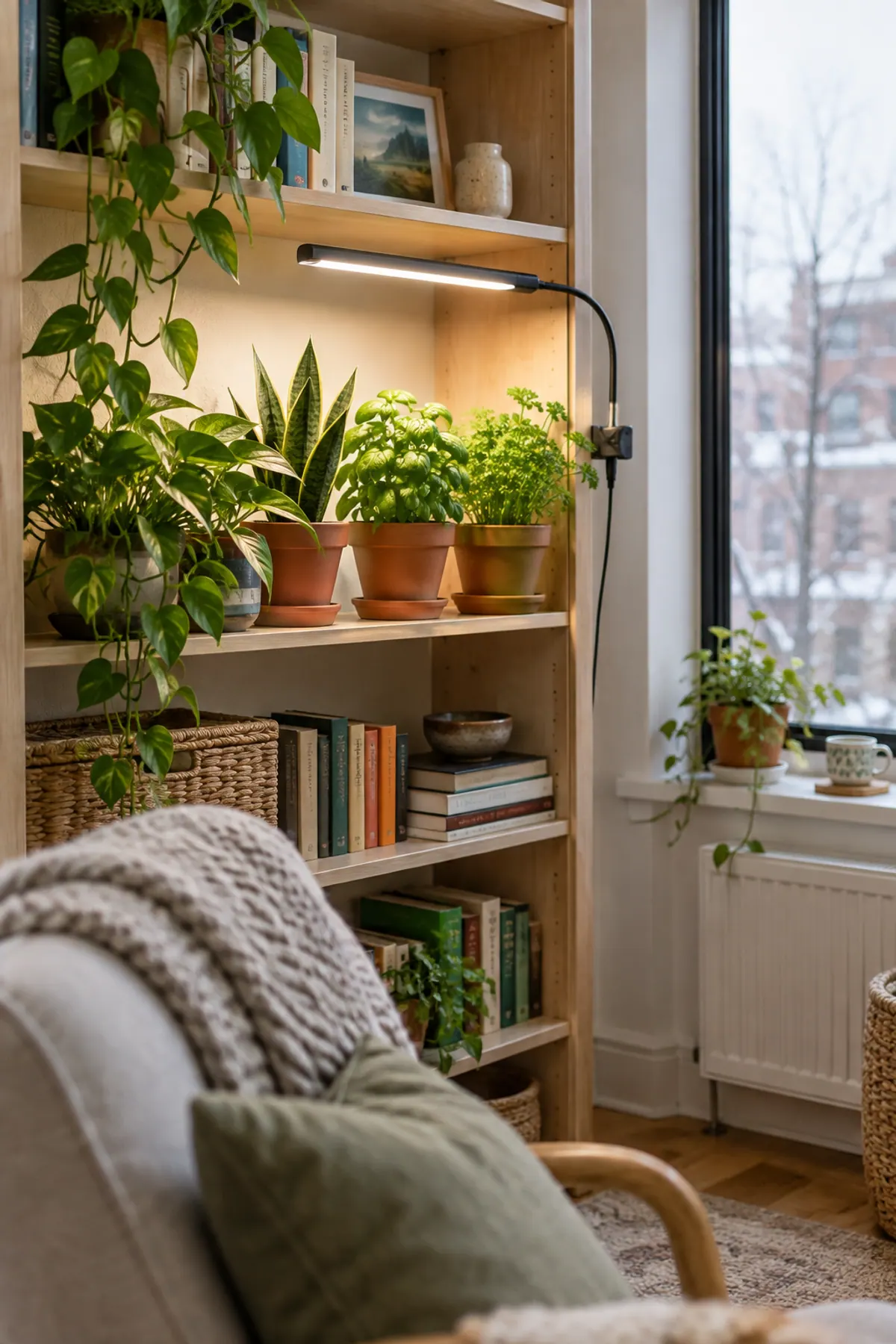
- Low light is not no light. Every plant needs a window in the room, or a small clip-on grow light.
In this post32 sections
- How we ranked houseplants for beginners: light, missed waterings, pets, price
- The first 5 to buy (in order) for a one-window apartment
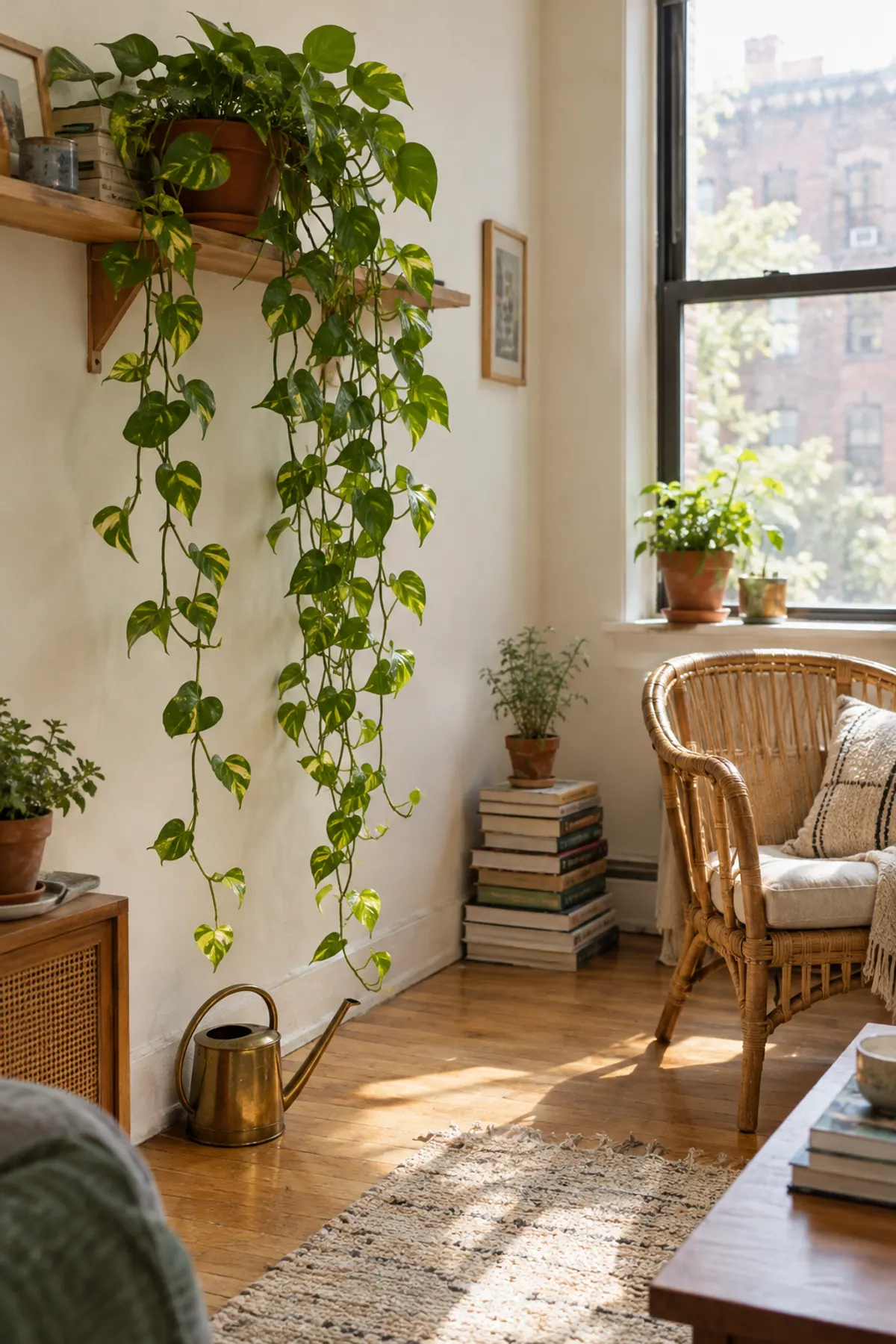
- 1. Golden pothos (Epipremnum aureum)
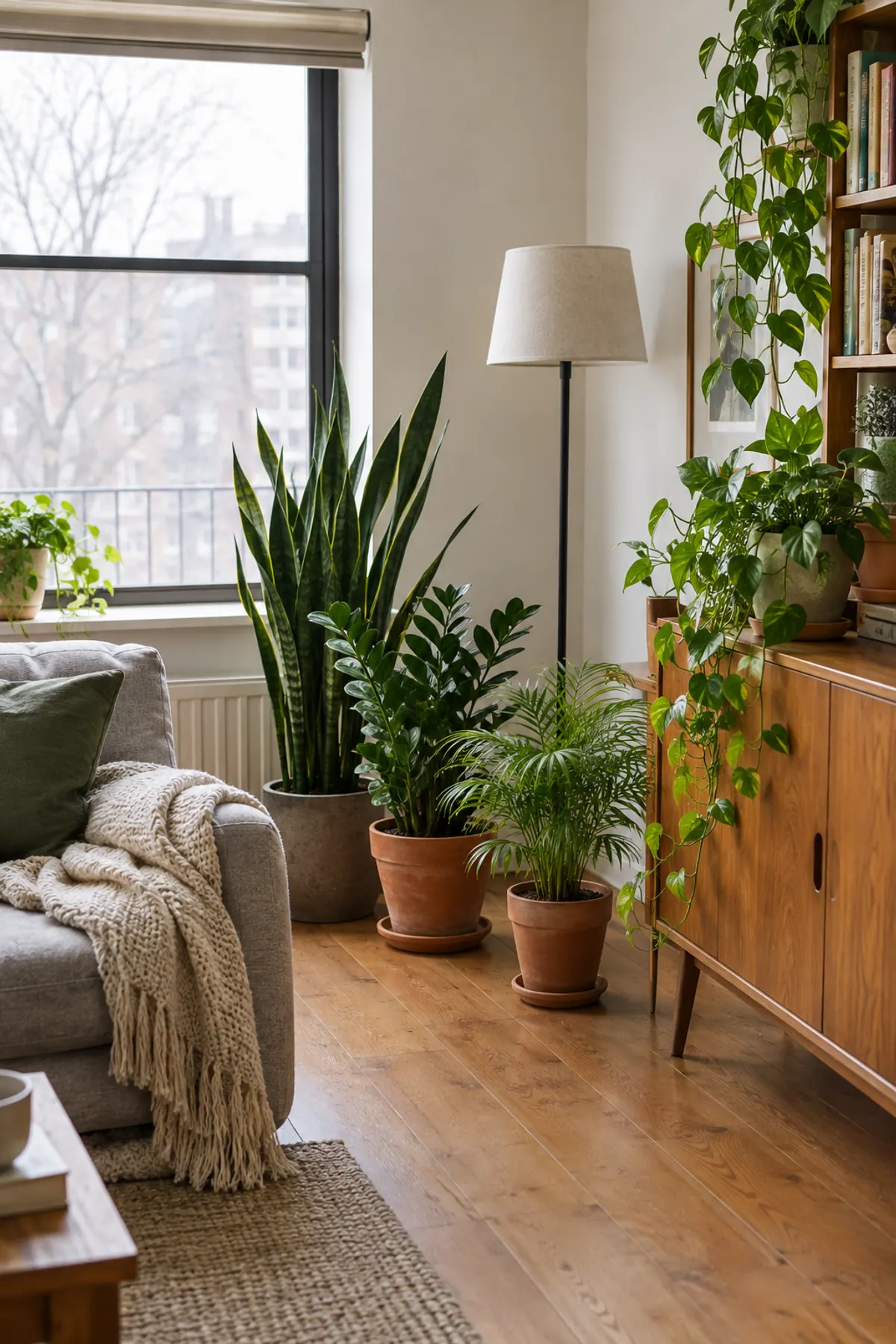
- 2. Snake plant (Dracaena trifasciata)
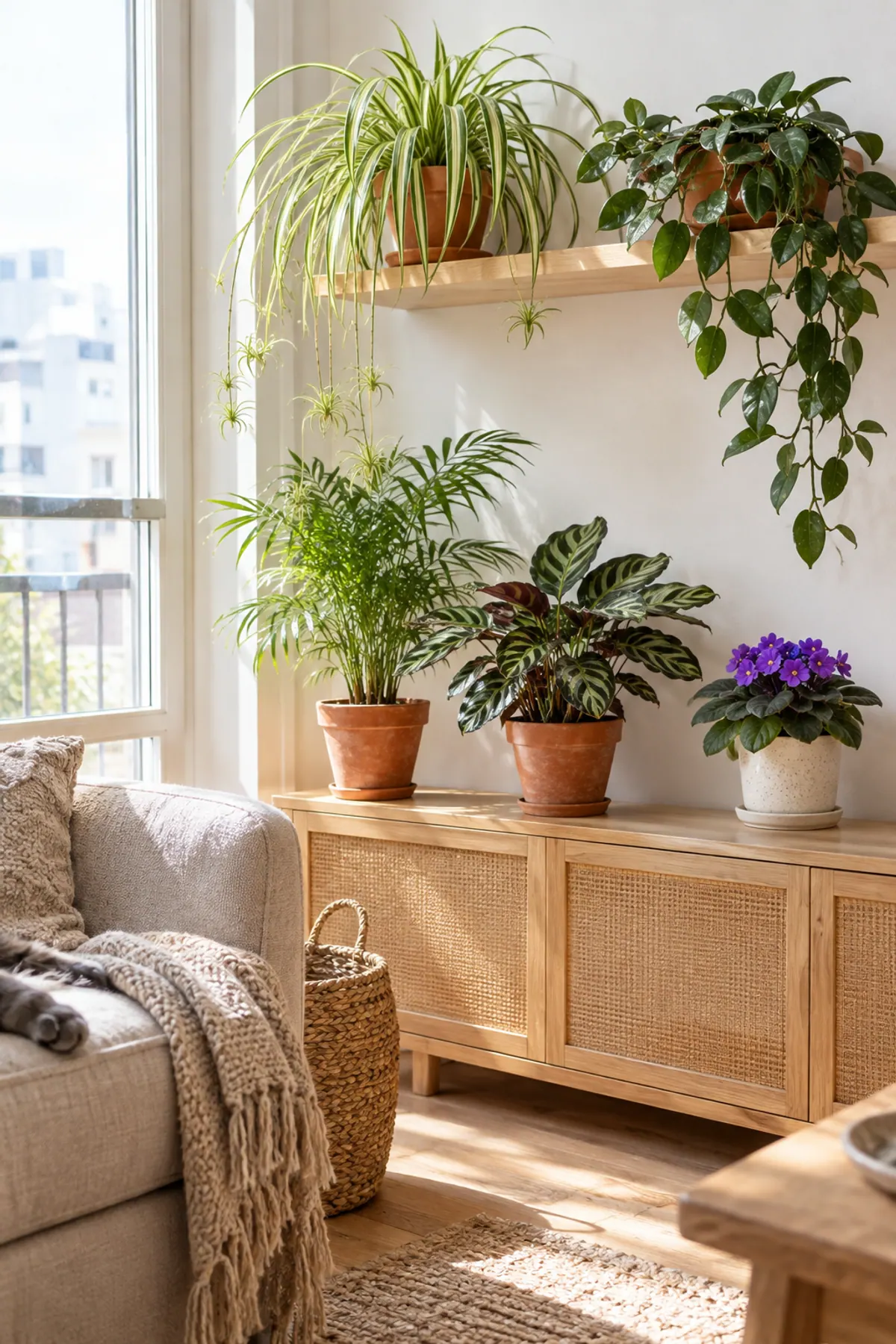
- 3. Spider plant (Chlorophytum comosum)
- 4. ZZ plant (Zamioculcas zamiifolia)
- 5. Heartleaf philodendron (Philodendron hederaceum)
- Easiest houseplants for beginners that tolerate low light
- 6. Cast iron plant (Aspidistra elatior)
- 7. Chinese evergreen (Aglaonema)
- 8. Peace lily (Spathiphyllum)
- 9. Dracaena 'Janet Craig' (Dracaena deremensis)
- 10. Parlor palm (Chamaedorea elegans)
- Pet safe beginner plants (and the popular ones that are not)
- 11. Baby rubber plant (Peperomia obtusifolia)
- 12. Hoya (Hoya carnosa)
- 13. Zebra haworthia (Haworthiopsis fasciata)
- 14. Ponytail palm (Beaucarnea recurvata)
- 15. Christmas cactus (Schlumbergera)
- Best big beginner houseplants for an empty corner
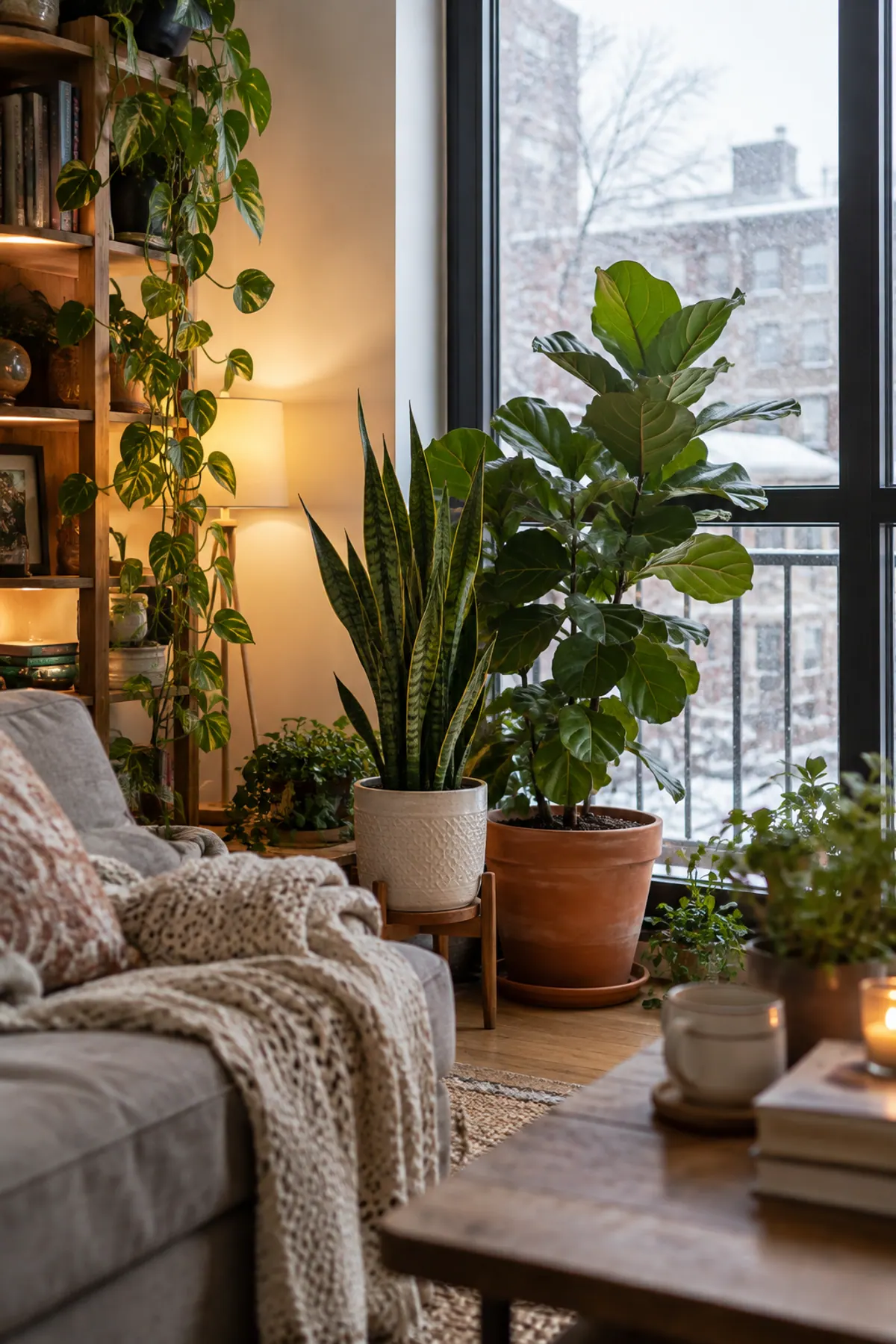
- 16. Rubber plant (Ficus elastica)
- 17. Monstera (Monstera deliciosa)
- 18. Kentia palm (Howea forsteriana)
- Small beginner plants for shelves and desks
- 19. Jade plant (Crassula ovata)
- 20. Aloe vera (Aloe barbadensis)
- 21. Inch plant (Tradescantia zebrina)
- Easy houseplants to propagate so one plant becomes five
- The one watering rule that keeps all 21 alive
- Beginner houseplant mistakes to avoid
- Beginner houseplant starter list
- FAQ
How we ranked houseplants for beginners: light, missed waterings, pets, price
Most beginner lists stop at "easy" and leave you guessing. We scored each plant on four things that matter in a real small apartment: how little light it takes, how many missed waterings it shrugs off, whether the ASPCA lists it as safe for cats and dogs, and what it typically costs in a small pot.
| Score | What it means | How to check at home |
|---|---|---|
| Light | Low = fine across the room from a window; Medium = within 6 feet of a window; Bright = right by the glass | Try to read a paperback at the spot at midday with no lamp. Easy reading means medium or better. |
| Neglect | How long it copes if you forget to water: 1 week, 2 weeks or 3 to 4 weeks | Thick leaves and fat stems store water, so they score highest. |
| Pets | Listed non-toxic or toxic to cats and dogs on the ASPCA plant list | Match the botanical name on the nursery tag to the ASPCA page. |
| Price | Typical cost for a 4 to 6 inch pot in the US | Garden centers and grocery stores often beat online for small sizes. |
If your room is really dim, our low light houseplants guide sorts plants by light tier. If you have a chewing pet, the pet safe houseplants list goes deeper on the safe picks here.
The first 5 to buy (in order) for a one-window apartment
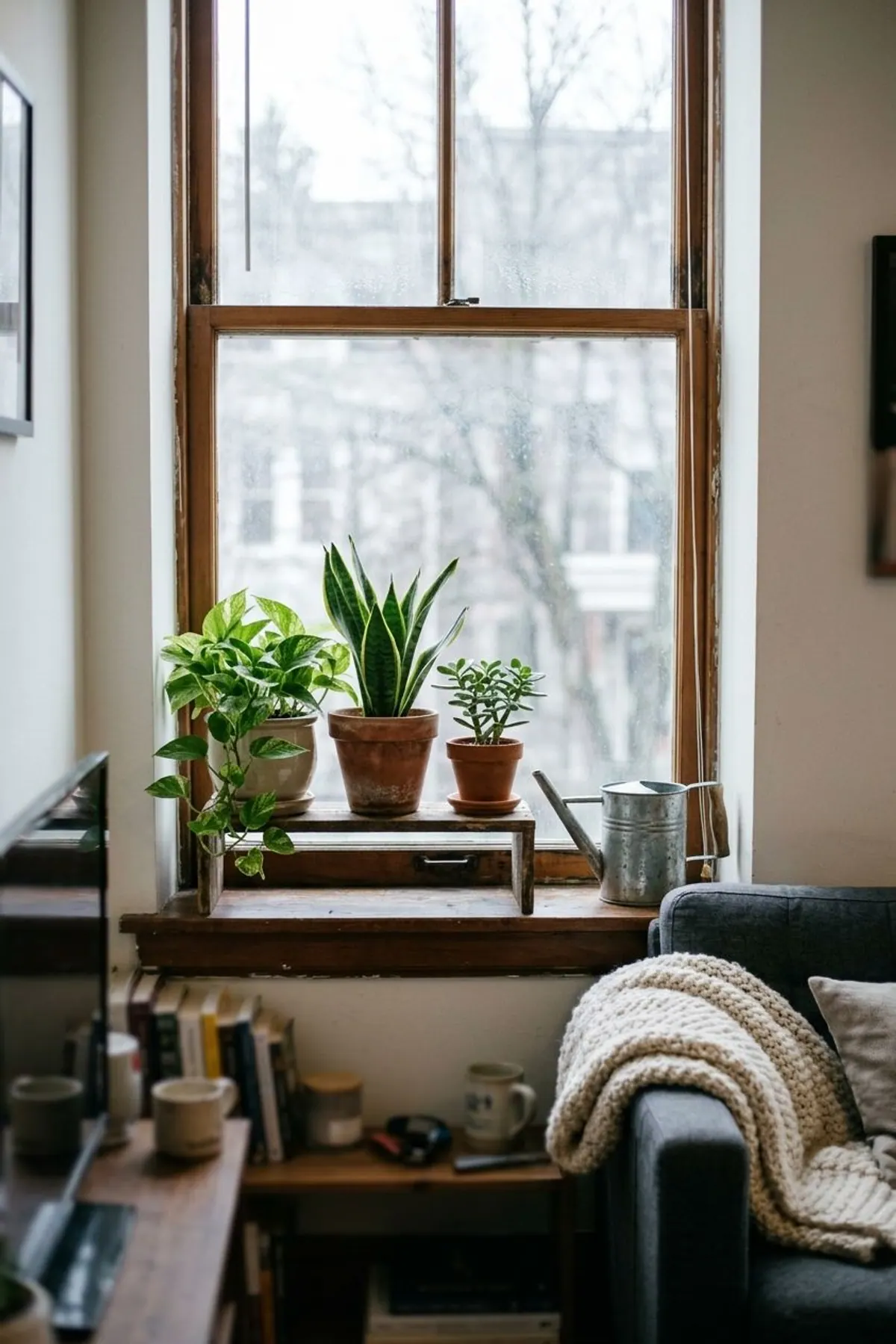
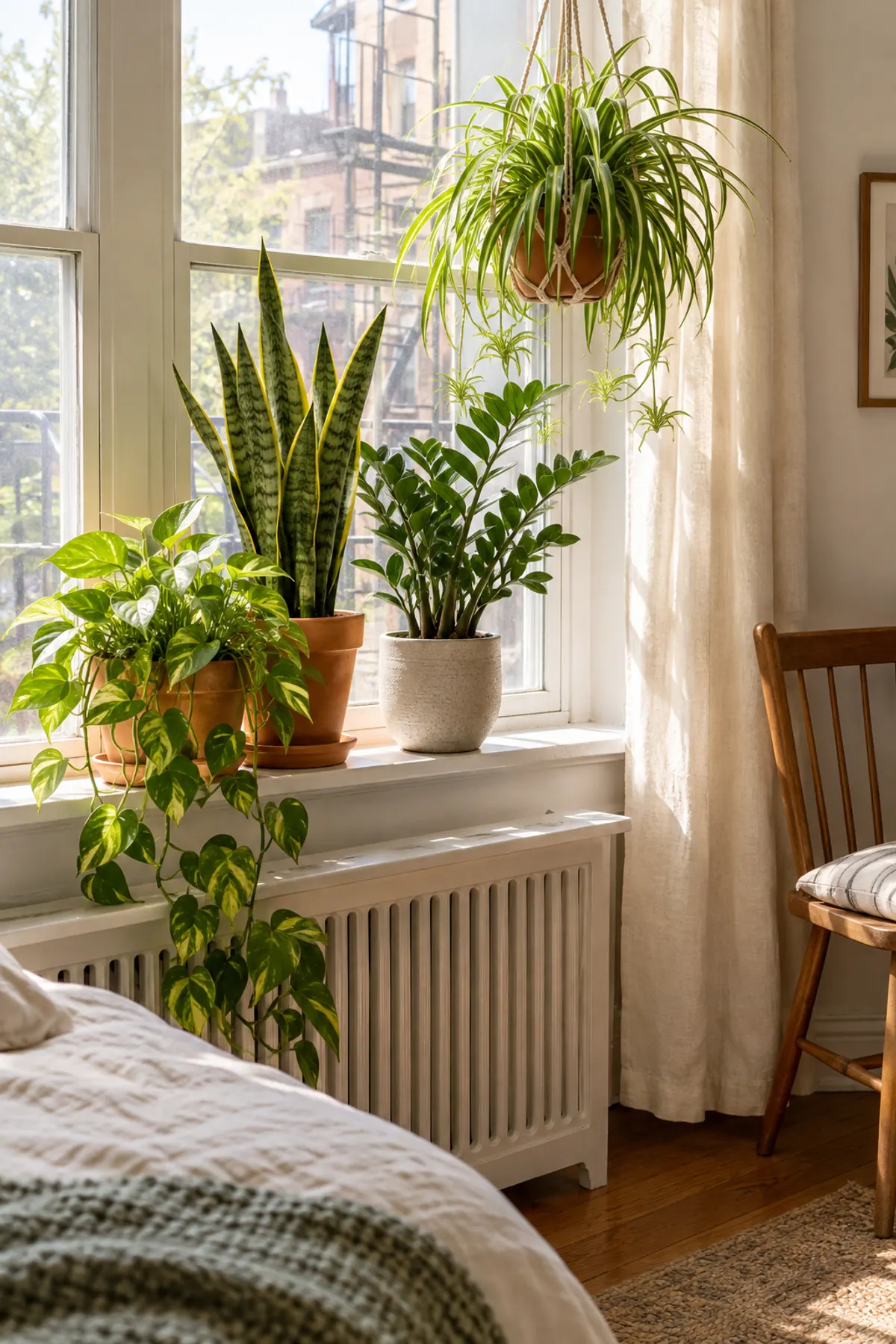
Start with number one and add the next only when the first has lived a month. Five plants bought in this order cost about $60 to $120 and cover a windowsill, a shelf and a dim corner.
1Golden pothos (Epipremnum aureum)
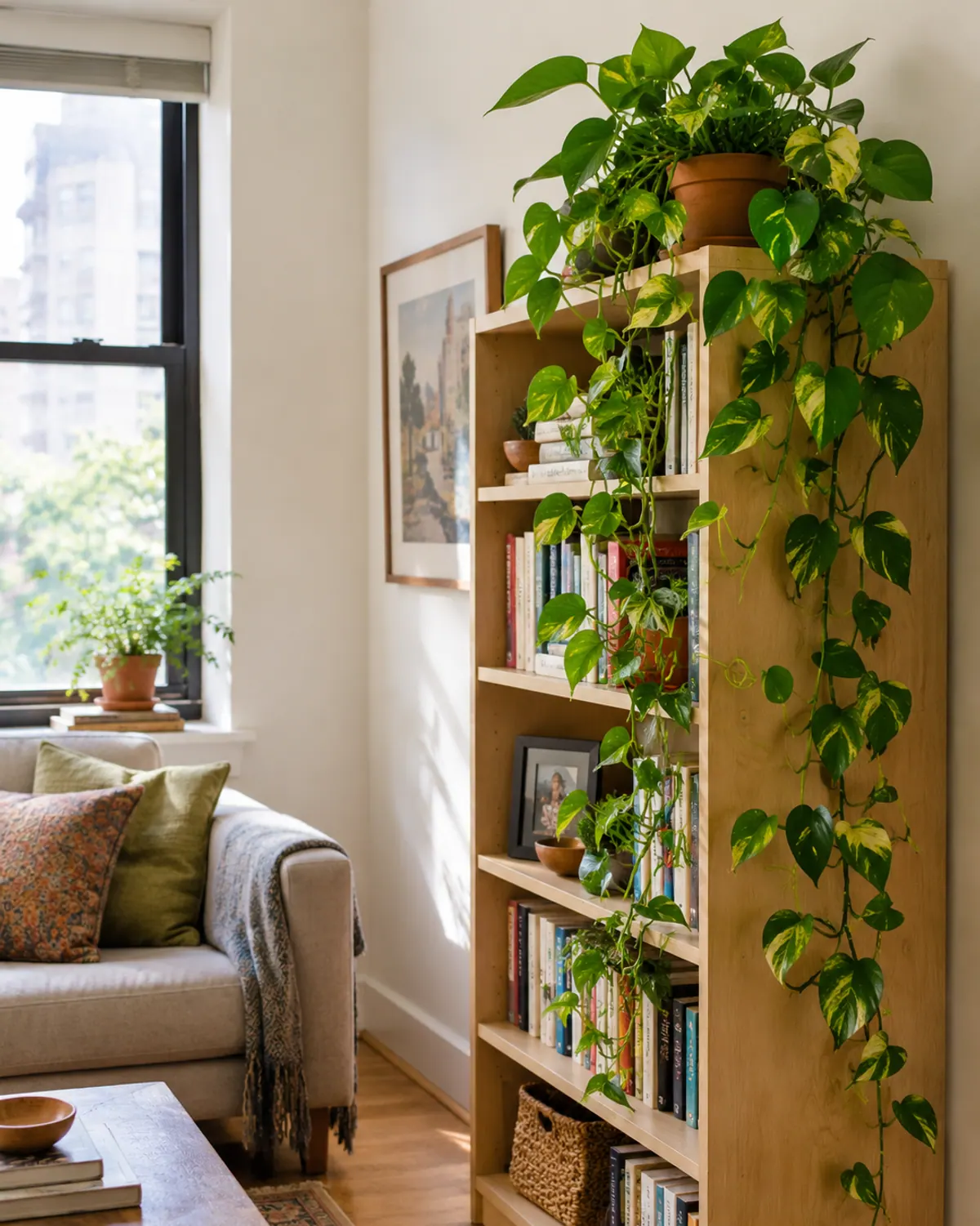
Pet tag: toxic to cats and dogs (ASPCA), so hang it high.
Light: low to medium.
Neglect: 2 weeks.
Price: typically $10 to $20.
Pothos is the first plant for a reason. It grows in a north window or across the room from a south one, it droops a little when thirsty and perks up an hour after a drink, and a cutting in a glass of water roots in two weeks. Our full pothos care guide covers the varieties and how to train it along a shelf.
- Let the top 2 inches of soil dry before you water. Yellow leaves almost always mean too much water, not too little.
The first houseplant for a dim rented room.
2Snake plant (Dracaena trifasciata)
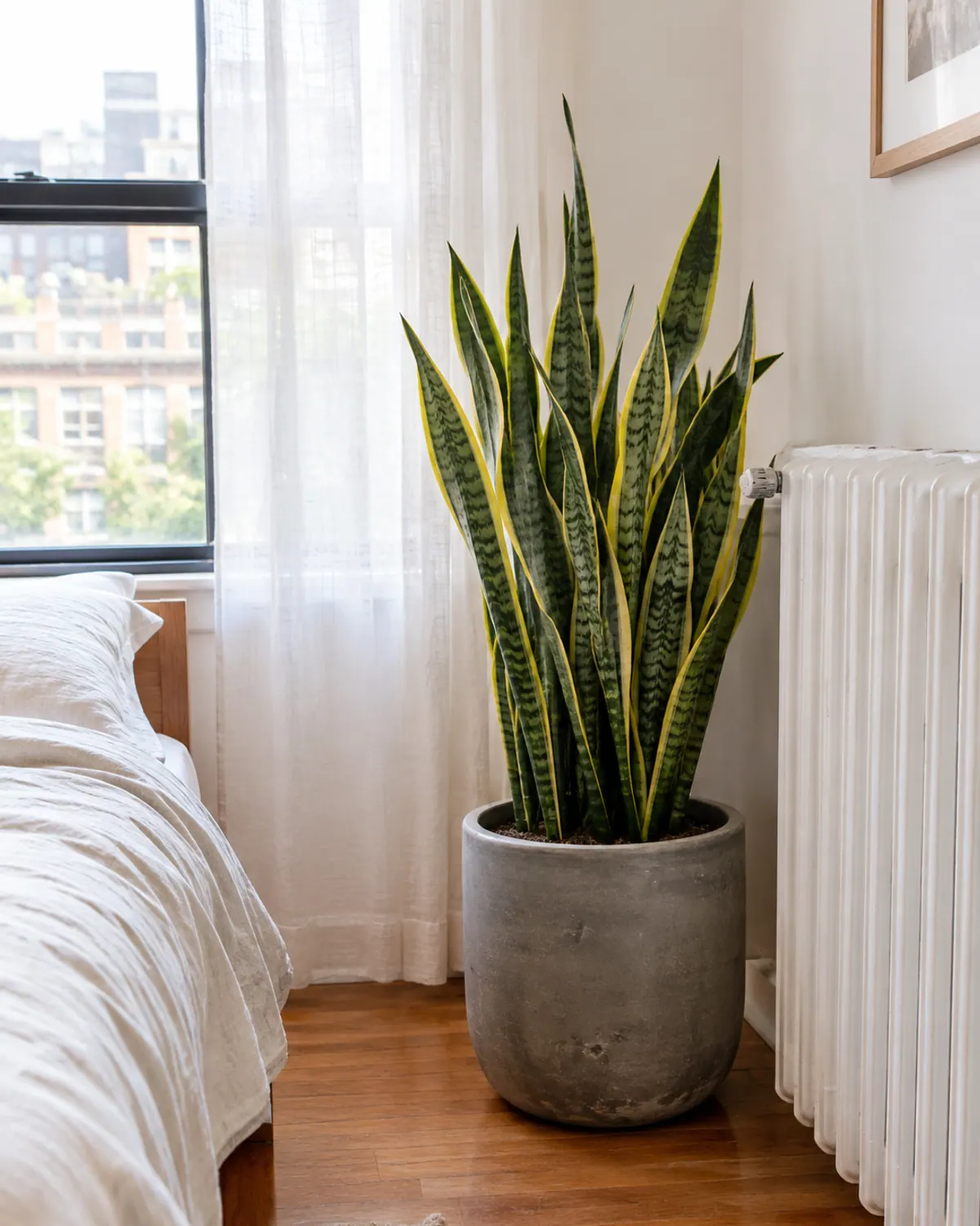
Pet tag: toxic to cats and dogs (ASPCA), so keep it out of reach.
Light: low to bright.
Neglect: 3 to 4 weeks.
Price: typically $15 to $35.
Stiff upright leaves store water for weeks, so the snake plant survives the dim corner, the radiator and the two-week vacation. It was moved from the genus Sansevieria to Dracaena, and tags use both names. In winter, water it about once a month.
- Use a heavy pot. A tall snake plant in a light plastic nursery pot tips over.
Survives a month without water (not for pet homes).
3Spider plant (Chlorophytum comosum)
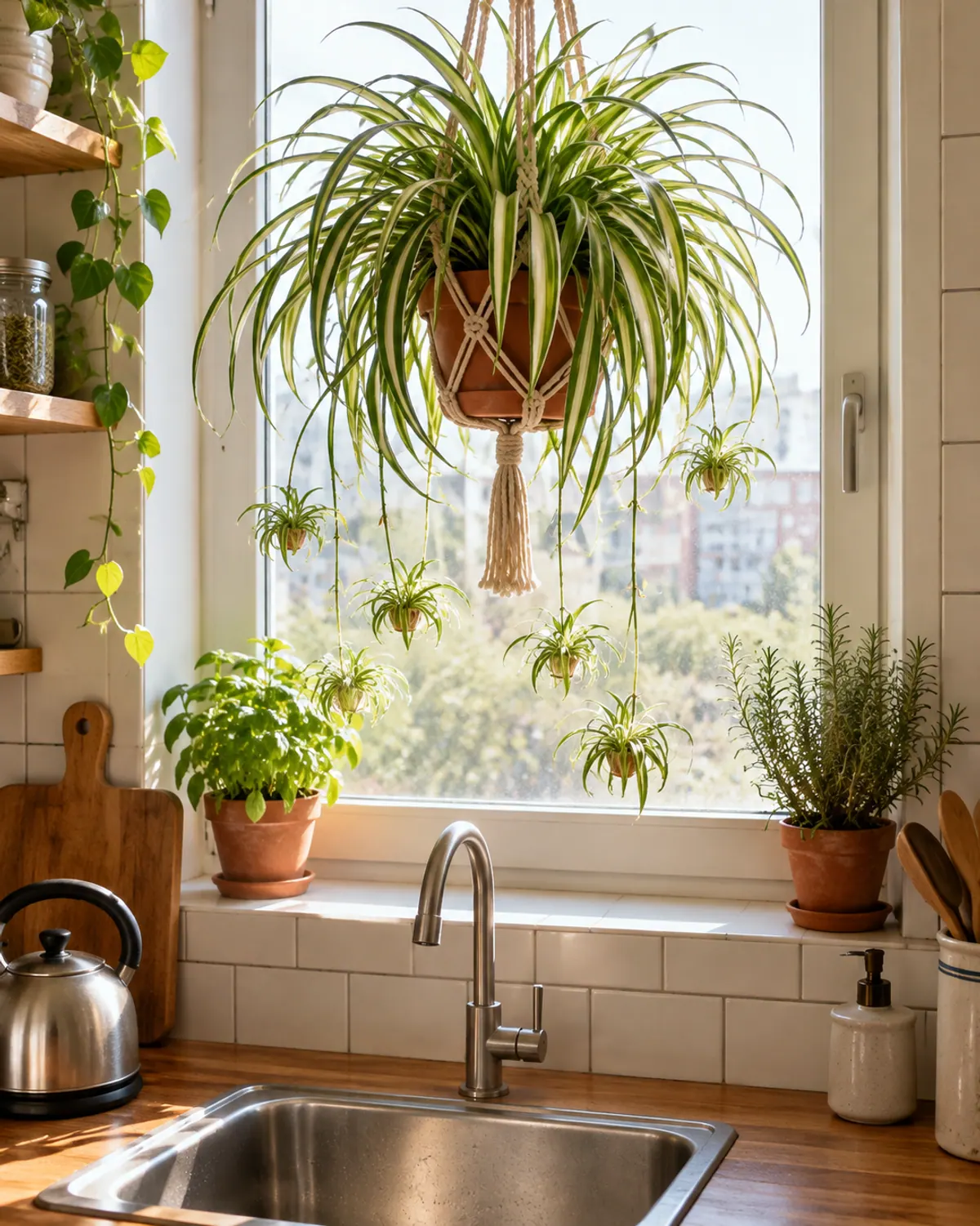
Pet tag: non-toxic to cats and dogs (ASPCA).
Light: medium.
Neglect: 1 to 2 weeks.
Price: typically $10 to $25.
The spider plant is the first pet safe pick and the first one that gives you free plants. Arching striped leaves send out runners with baby plants on the ends, and each baby roots in water or soil. Brown tips usually come from dry heated air or fluoride in tap water, not from your care.
- Snip brown tips with scissors at an angle, and use filtered or rested tap water if tips keep browning.
Pet safe, and it makes babies you can share.
4ZZ plant (Zamioculcas zamiifolia)
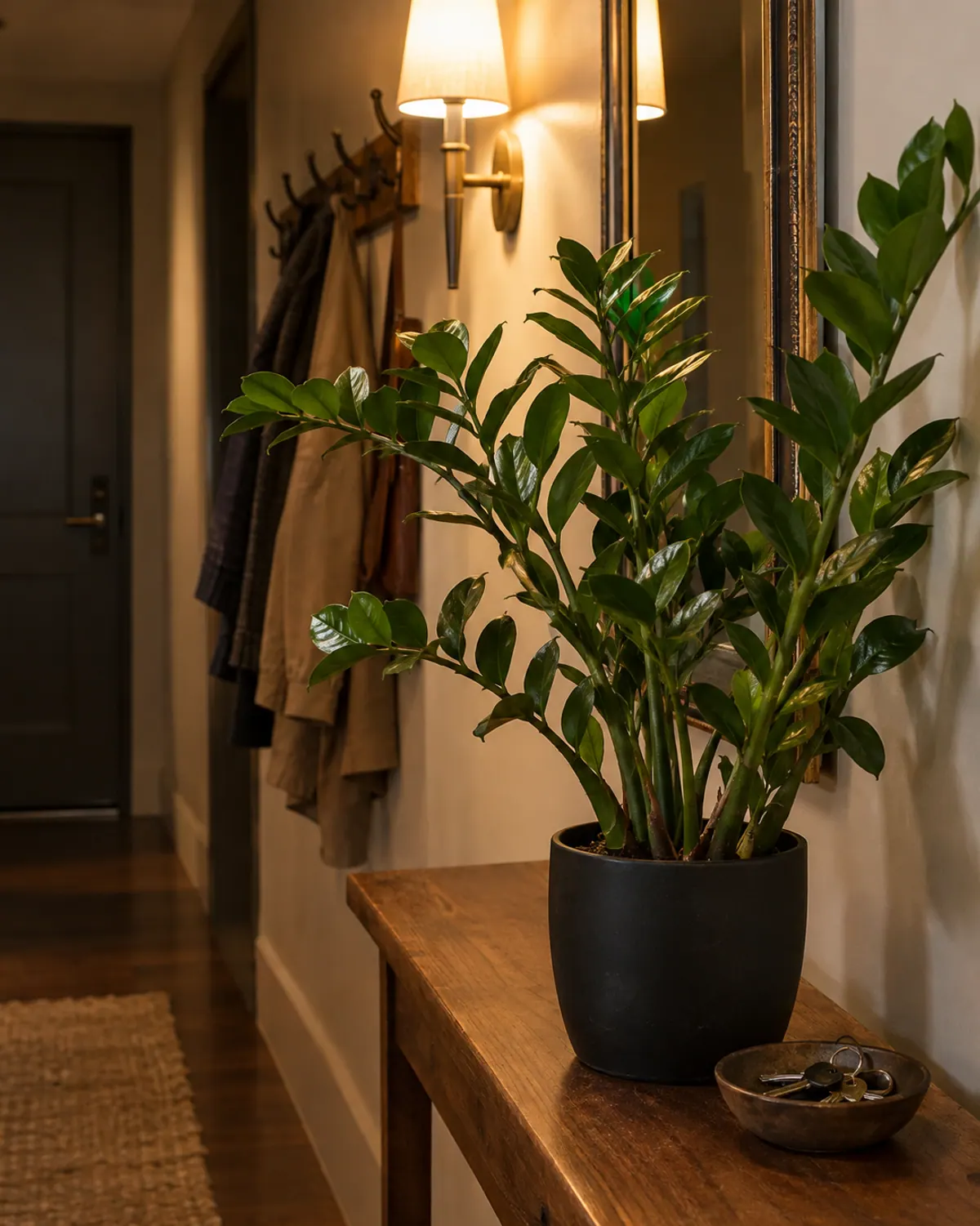
Pet tag: not on the ASPCA list, so we do not call it pet safe; ask your vet.
Light: low to medium.
Neglect: 3 to 4 weeks.
Price: typically $18 to $40.
The ZZ plant stores water in potato-like rhizomes under the soil, so it is the plant for the dark hallway, the windowless office desk and the person who travels. Glossy leaves on arching stems look polished with zero effort. Overwatering is the only reliable way to lose one.
- If you are unsure, skip the watering. A ZZ plant can go a month between drinks in winter.
The toughest pick for a dim hallway.
5Heartleaf philodendron (Philodendron hederaceum)
Pet tag: toxic to cats and dogs (ASPCA), so hang it or shelve it high.
Light: low to medium.
Neglect: 2 weeks.
Price: typically $10 to $20.
It looks like a plain green pothos with softer, more heart-shaped leaves, and it is just as forgiving. Vines grow fast in a hanging pot or along the top of a bookcase. Trim long vines and stick the cuttings back in the pot to make it fuller.
- Cut just below a leaf node and root the cutting in water. Roots show in about two weeks.
A fast trailing vine for a high shelf (not for pet homes).
Easiest houseplants for beginners that tolerate low light
These five handle the room across from the window, a north window shaded by the building next door, or a bathroom with one small pane. They grow slowly there, and that is normal. Water them even less than the first five, because dim rooms dry soil slowly.
6Cast iron plant (Aspidistra elatior)
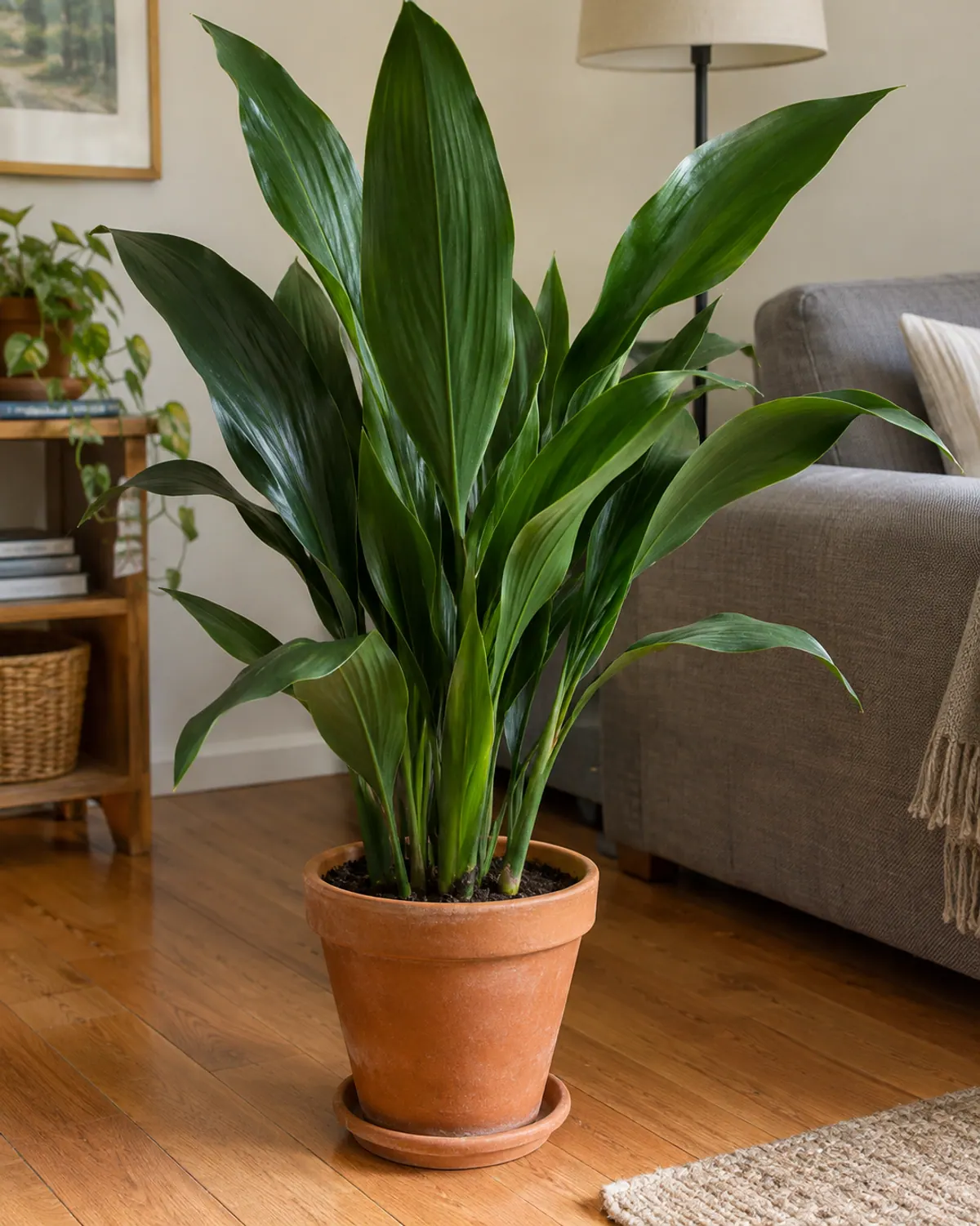
Pet tag: non-toxic to cats and dogs (ASPCA).
Light: low.
Neglect: 2 to 3 weeks.
Price: typically $20 to $45.
The Victorians grew this in gaslit parlors, which tells you all you need to know. Long dark leaves rise straight from the soil and tolerate dim light, dry air and drafts. It is the pet safe answer for a corner where a snake plant would otherwise go.
- It grows slowly, so buy the size you want rather than waiting for it to fill out.
The pet safe pick for true low light.
7Chinese evergreen (Aglaonema)
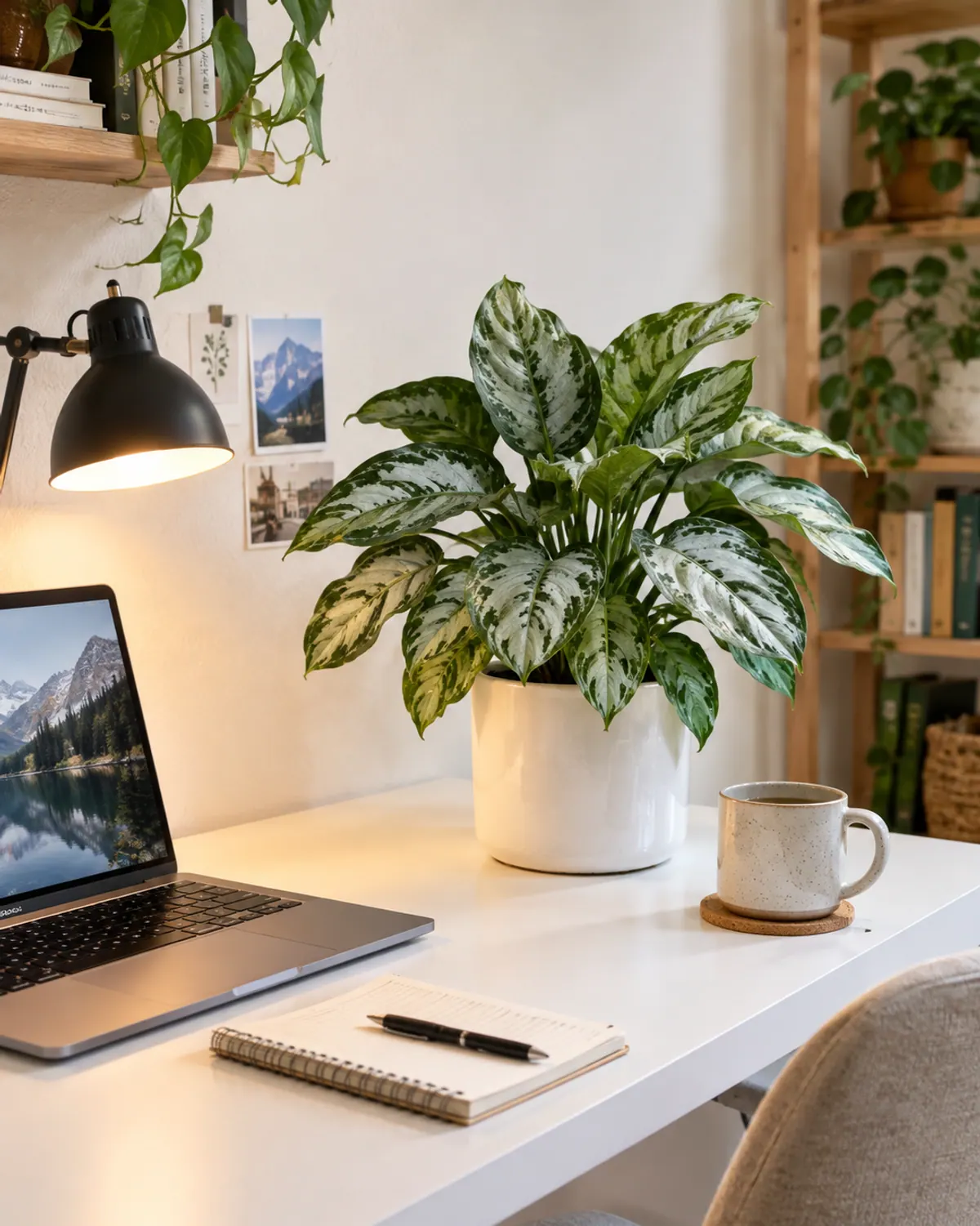
Pet tag: toxic to cats and dogs (ASPCA), so keep it out of reach.
Light: low to medium.
Neglect: 2 weeks.
Price: typically $15 to $30.
Patterned leaves in silver, green or pink on a plant that copes with office light. Darker green types tolerate the dimmest spots; pink and silver ones want a bit more. It dislikes cold, so keep it away from a drafty door in winter.
- Wipe the broad leaves with a damp cloth every month so dust does not block the little light it gets.
Patterned leaves for a dim desk (not for pet homes).
8Peace lily (Spathiphyllum)
Pet tag: toxic to cats and dogs (ASPCA), so keep it out of reach.
Light: low to medium.
Neglect: 1 week.
Price: typically $15 to $35.
The peace lily is the one beginner plant that tells you when it is thirsty. The whole plant droops, you water it, and it stands back up within a day. It flowers in medium light and just grows leaves in low light. It is not a true lily, but the ASPCA still lists it as toxic.
- Water when the leaves first soften, not when they collapse. Repeated full collapses leave brown edges.
Droops to tell you it needs water (not for pet homes).
9Dracaena 'Janet Craig' (Dracaena deremensis)
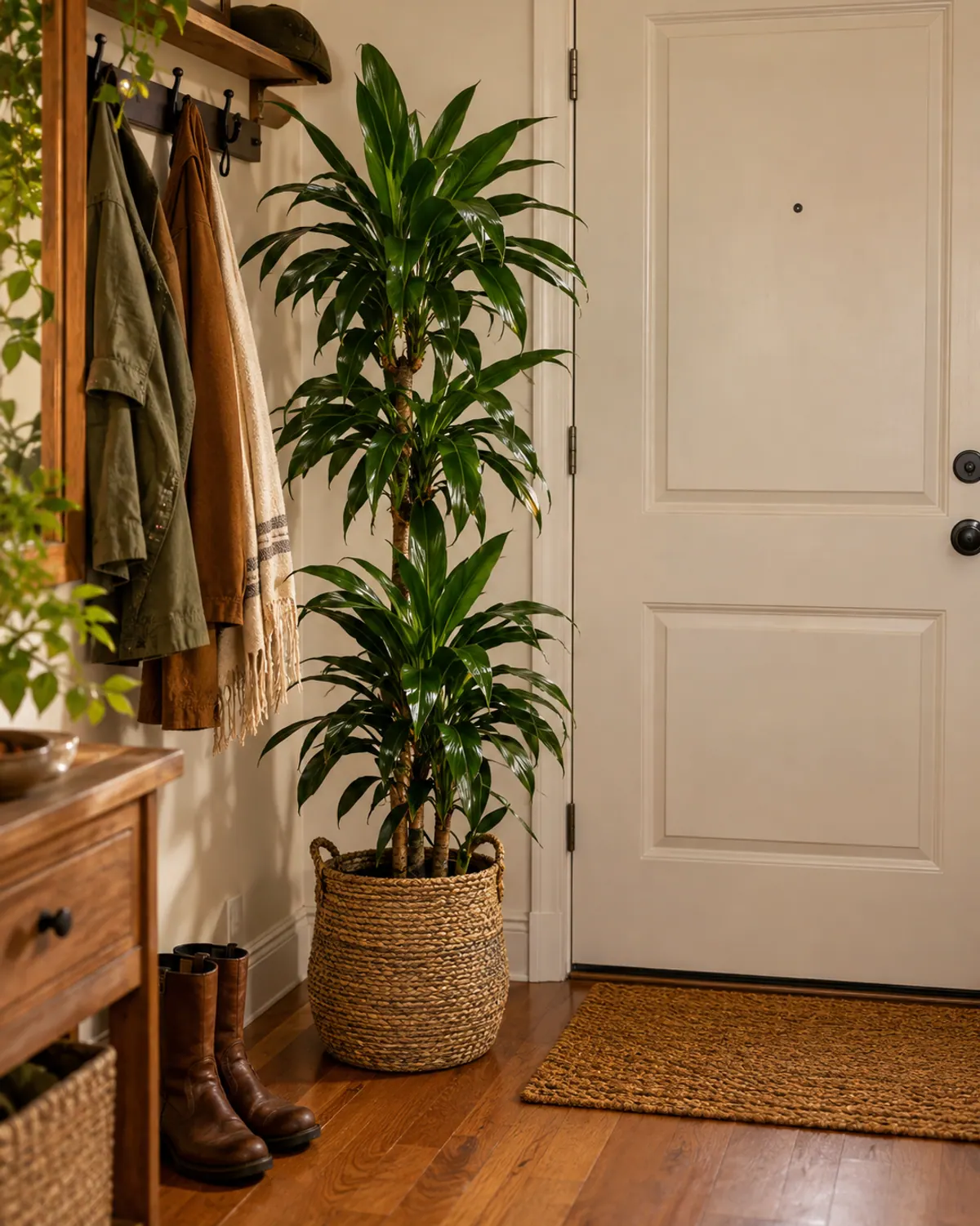
Pet tag: toxic to cats and dogs (ASPCA), so keep it out of reach.
Light: low to medium.
Neglect: 2 weeks.
Price: typically $20 to $45.
Glossy dark green leaves on a cane that slowly grows into a small floor plant. It is one of the few taller plants that stays healthy away from the window, which makes it an entryway favorite. Brown leaf tips point to dry air or fluoride in tap water rather than a mistake.
- Let the top 2 inches dry out, then water well and empty the saucer.
A tall, dim-corner plant (not for pet homes).
10Parlor palm (Chamaedorea elegans)
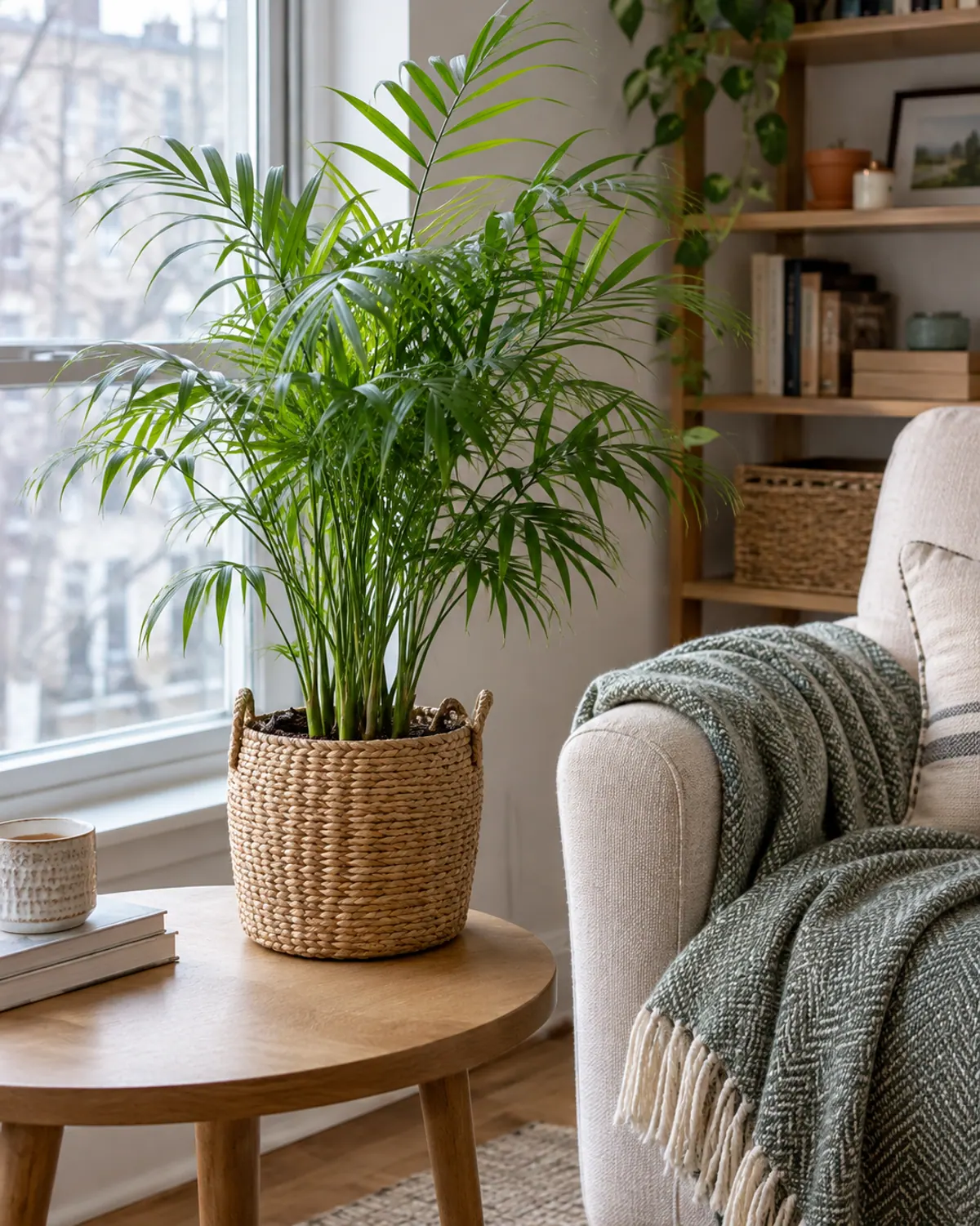
Pet tag: non-toxic to cats and dogs (ASPCA).
Light: low to medium.
Neglect: 1 to 2 weeks.
Price: typically $15 to $35.
A soft, feathery palm that stays small and handles a north window better than almost any other palm. It is pet safe and happy on a side table or a bathroom shelf. Keep it away from heating vents, which brown the frond tips.
- Water when the top inch is dry. It would rather be slightly dry than wet.
A pet safe palm for a dim corner.
Pet safe beginner plants (and the popular ones that are not)
Four of the most popular "easy" plants, pothos, snake plant, philodendron and peace lily, are all listed toxic by the ASPCA. These five are listed non-toxic and still forgive a missed week. If a pet eats any plant, call ASPCA Animal Poison Control at (888) 426-4435 (a fee may apply).
11Baby rubber plant (Peperomia obtusifolia)
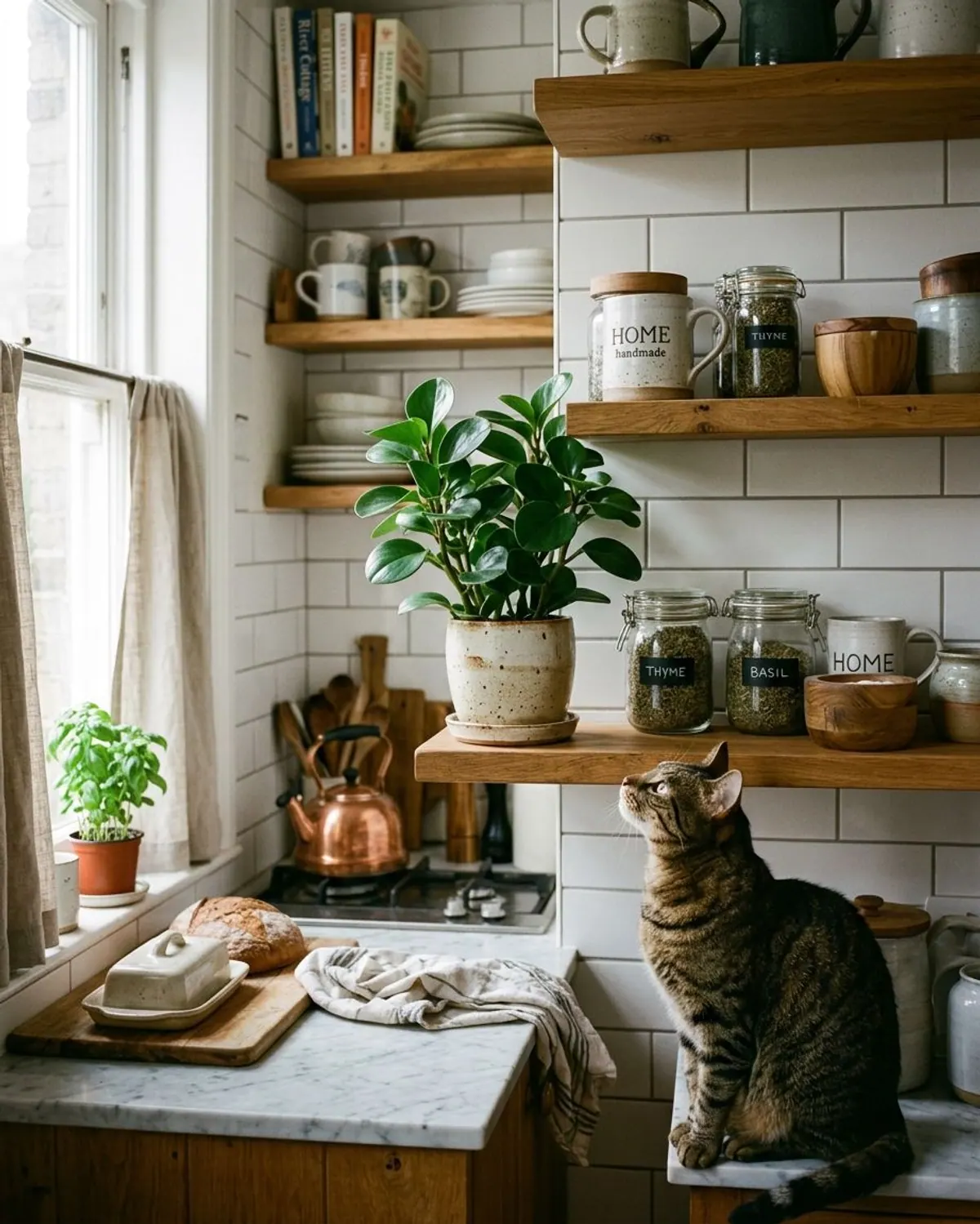
Pet tag: non-toxic to cats and dogs (ASPCA).
Light: medium.
Neglect: 2 to 3 weeks.
Price: typically $8 to $20.
Thick, glossy, spoon-shaped leaves store water, so this small plant forgives forgetfulness. It stays compact, which suits a kitchen shelf or a bedside table. Variegated types want a bit more light than plain green ones.
- Water when the pot feels light and the soil is dry halfway down.
Small, pet safe and forgiving.
12Hoya (Hoya carnosa)
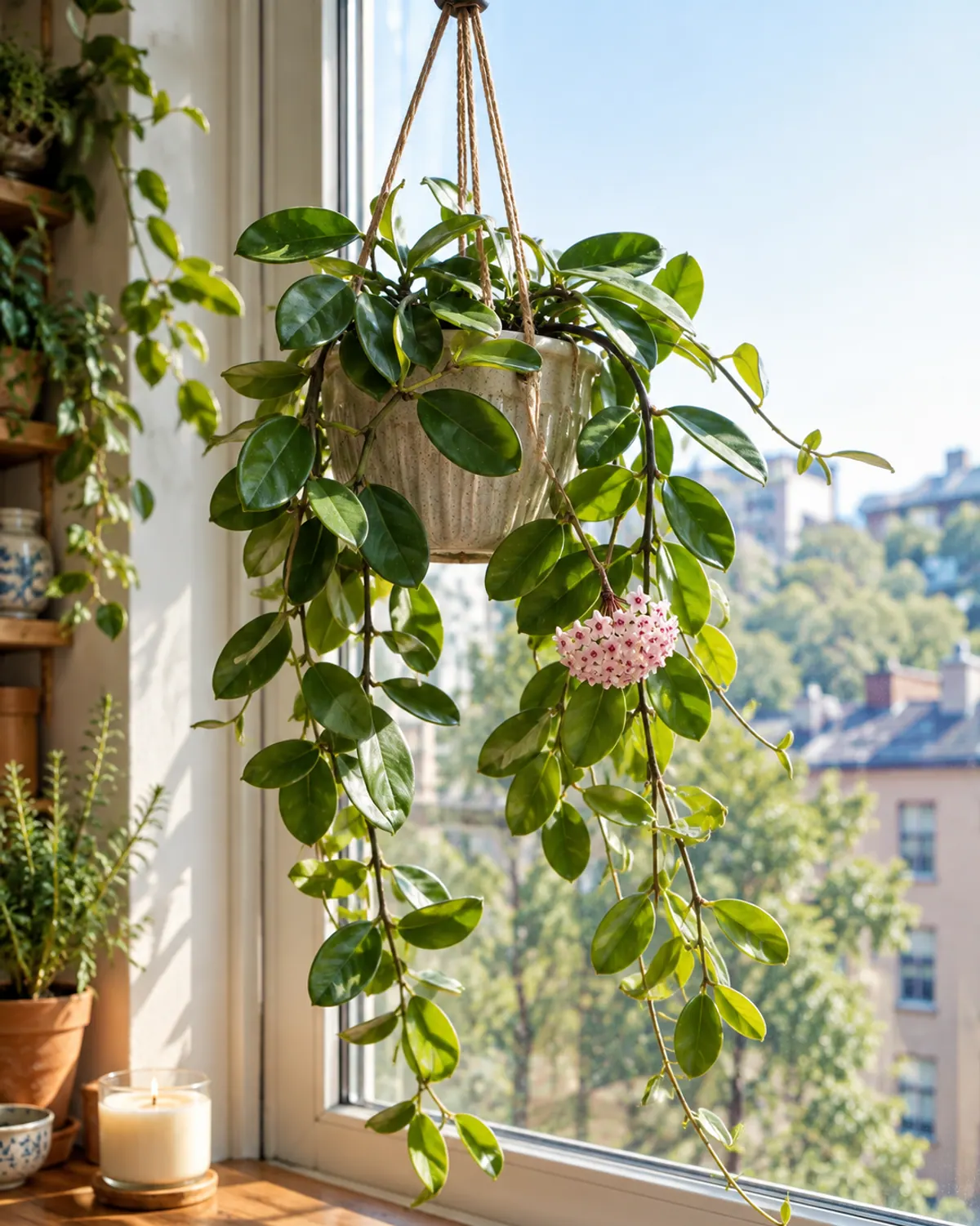
Pet tag: non-toxic to cats and dogs (ASPCA).
Light: medium to bright.
Neglect: 2 to 3 weeks.
Price: typically $12 to $30.
From across the room a hoya looks like a pothos, and it is the pet safe swap for one. Waxy leaves hold water, the vines trail or climb, and an older plant in bright light sends out clusters of star-shaped flowers that smell sweet at night.
- Do not cut off the bare stalk after flowers fade. Hoyas bloom again from the same spur.
The pet safe trailing swap for pothos.
13Zebra haworthia (Haworthiopsis fasciata)
Pet tag: non-toxic to cats and dogs (ASPCA).
Light: medium to bright.
Neglect: 3 to 4 weeks.
Price: typically $6 to $15.
A tiny striped succulent that looks like a small aloe but is listed non-toxic. It lives for years in a 3 inch pot on a windowsill and needs water about every three weeks. Unlike most succulents, it tolerates a slightly less sunny spot.
- Water the soil, not the rosette. Water sitting in the center can rot the crown.
A pet safe succulent for a sunny sill.
14Ponytail palm (Beaucarnea recurvata)
Pet tag: non-toxic to cats and dogs (ASPCA).
Light: bright.
Neglect: 3 to 4 weeks.
Price: typically $12 to $30.
Not a palm at all, but a desert plant with a swollen trunk that stores water for weeks. Long curly leaves spill over the pot like a fountain. Give it your brightest window and water it rarely; it is one of the few plants that is fine with a sunny south sill and a radiator below.
- Let the soil dry completely between waterings, especially in winter.
Pet safe and nearly impossible to underwater.
15Christmas cactus (Schlumbergera)
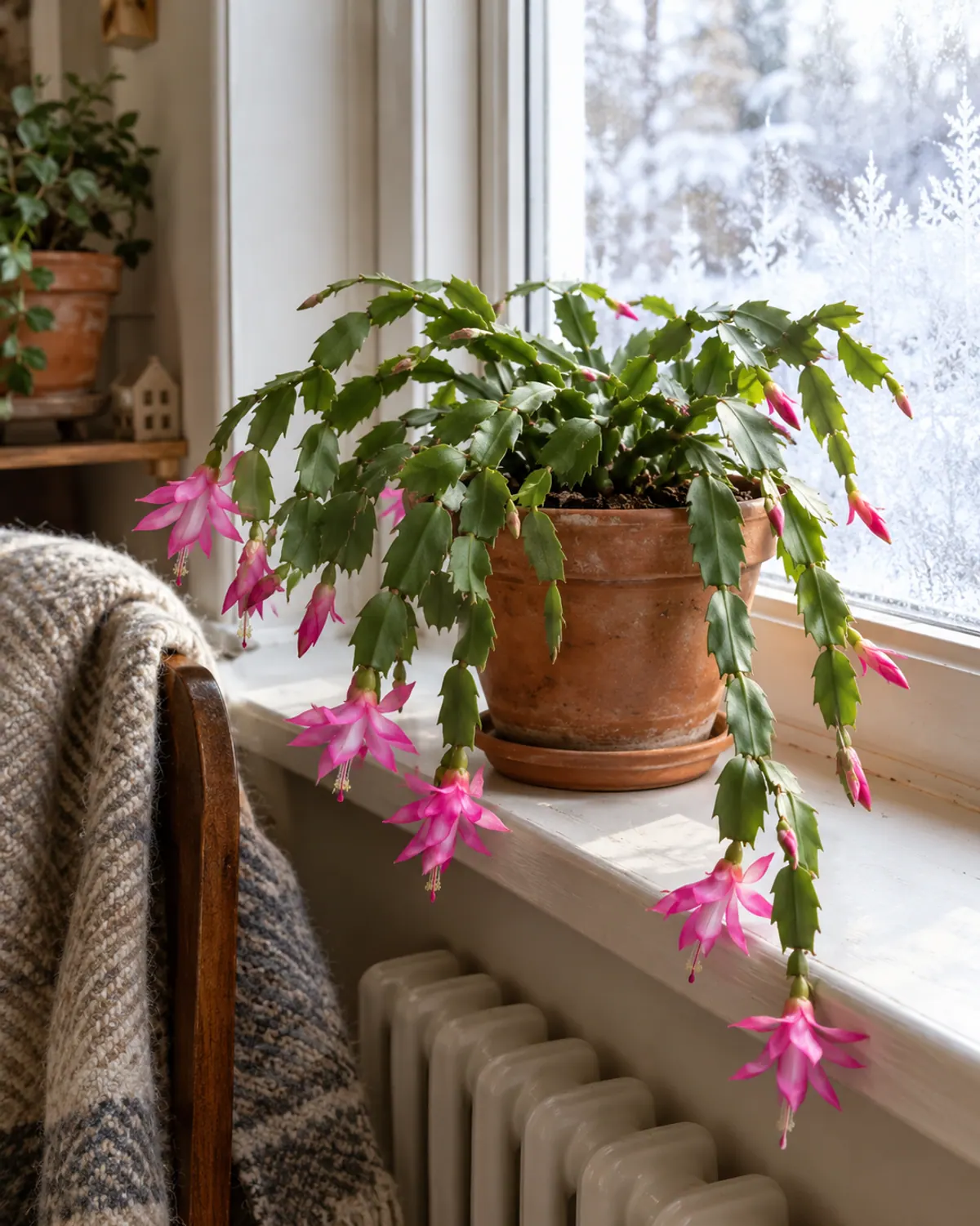
Pet tag: non-toxic to cats and dogs (ASPCA).
Light: medium to bright.
Neglect: 2 weeks.
Price: typically $10 to $25.
A jungle cactus with flat segmented stems that flowers in pink, red or white around the holidays. It is pet safe, it lives for decades, and it forgives a dry week. It wants more water than a desert cactus, so treat it like a normal houseplant. Our Christmas cactus care guide covers getting it to bloom.
- Cool nights and shorter days in fall set the flower buds. A cool bedroom window does the job.
Pet safe, long-lived and it flowers in winter.
Best big beginner houseplants for an empty corner
A single tall plant does more for a small room than five little ones. These three fill a corner, cost more up front, and still forgive a beginner. Buy them small if money is tight; they grow.
16Rubber plant (Ficus elastica)
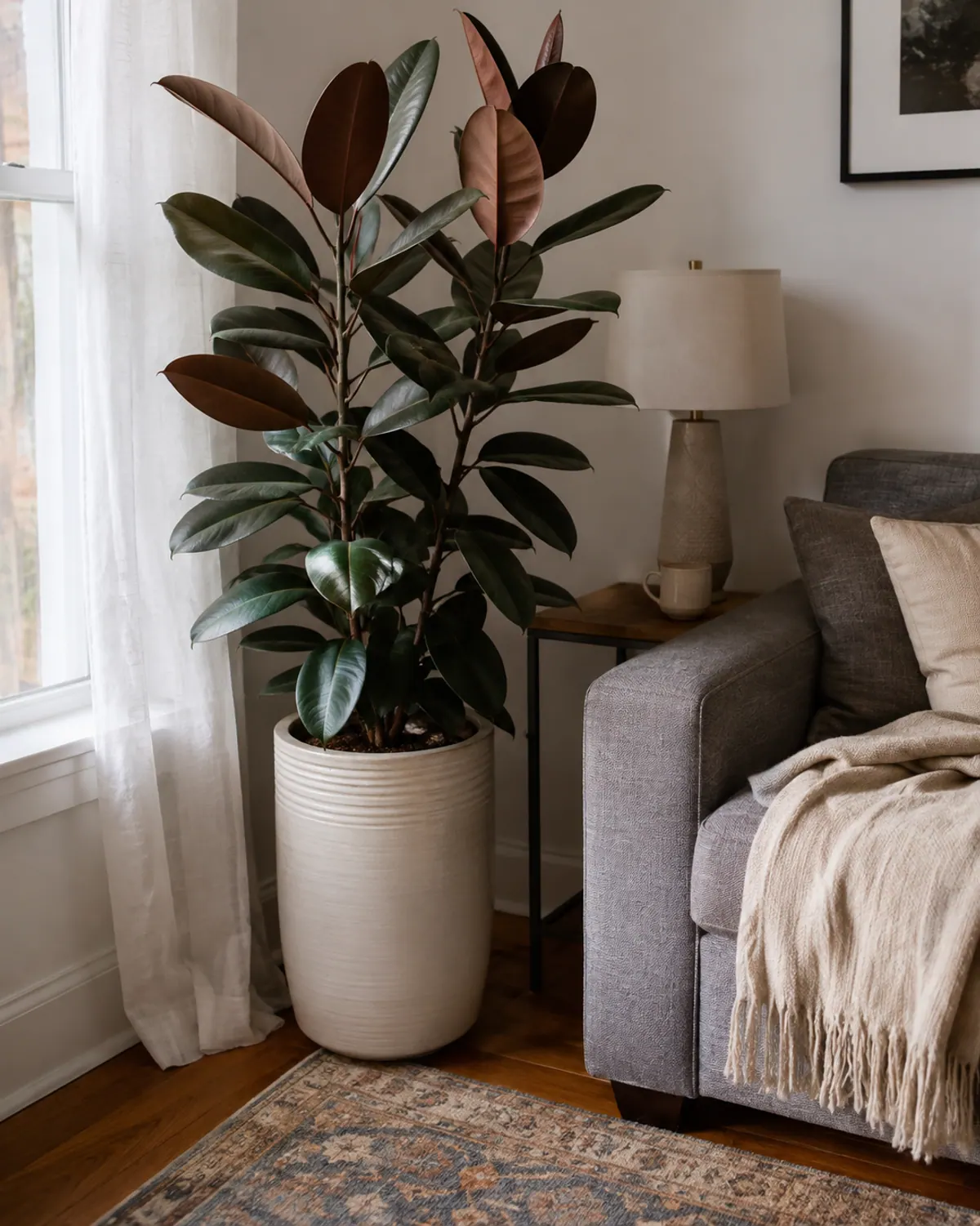
Pet tag: toxic to cats and dogs (ASPCA), so keep it out of reach.
Light: medium to bright.
Neglect: 2 weeks.
Price: typically $20 to $50.
Big glossy leaves in deep green or burgundy on a plant that grows into a small tree over a few years. It is far more forgiving than its cousin the fiddle leaf fig. Wipe the leaves, keep it near a window and let the top 2 inches dry between waterings.
- The milky sap can irritate skin, so wear gloves when you prune.
The easy big-leaf tree (not for pet homes).
17Monstera (Monstera deliciosa)
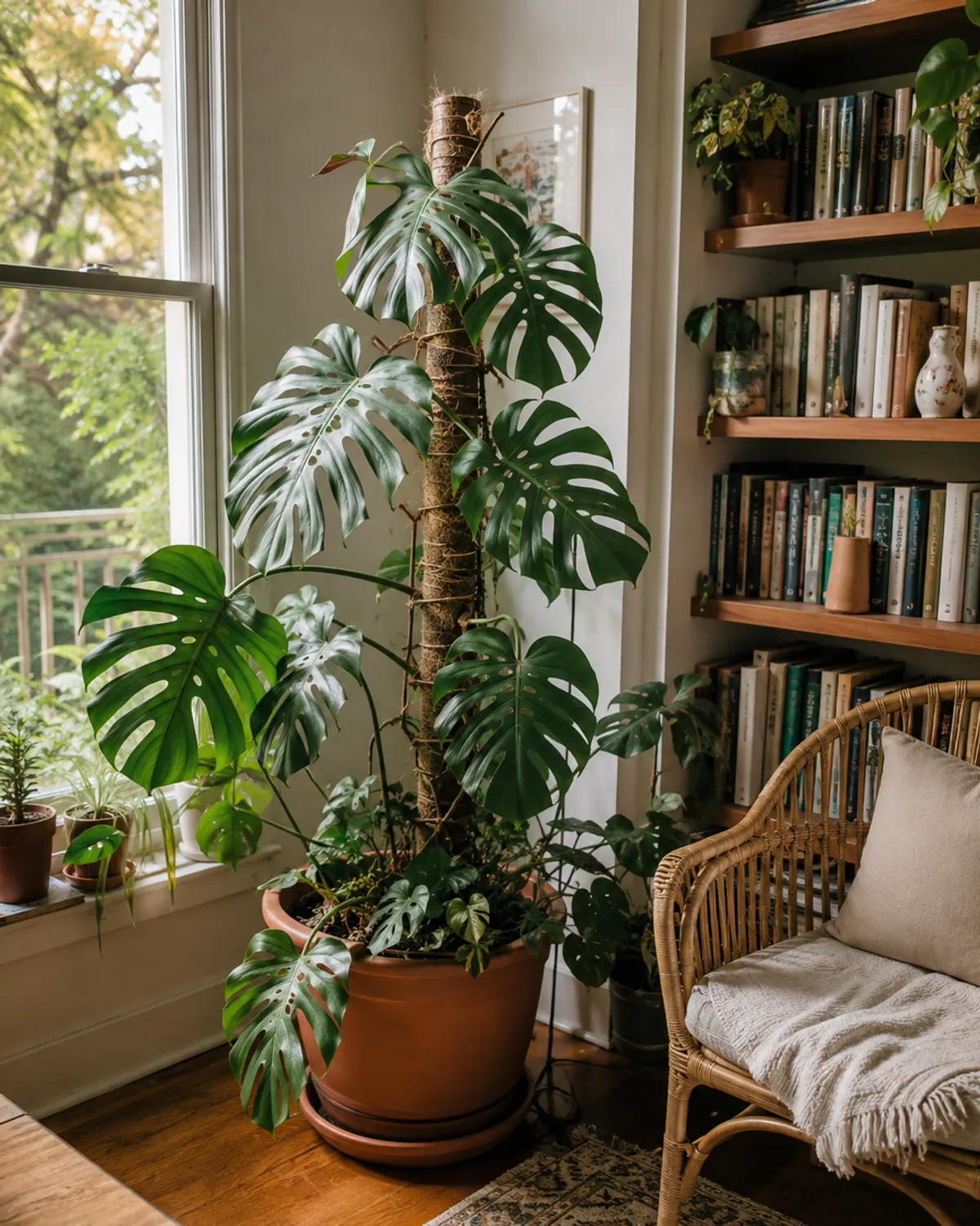
Pet tag: toxic to cats and dogs (ASPCA), so keep it out of reach.
Light: medium to bright.
Neglect: 2 weeks.
Price: typically $20 to $50.
The split-leaf plant from every apartment photo is easier than it looks. It wants a bright spot out of direct sun, water when the top 2 inches are dry, and a moss pole or stake once it leans. New leaves only split once the plant has enough light.
- Tie the stem loosely to a moss pole and it grows up instead of across your floor.
The statement plant that forgives beginners (not for pet homes).
18Kentia palm (Howea forsteriana)
Pet tag: non-toxic to cats and dogs (ASPCA).
Light: low to medium.
Neglect: 2 weeks.
Price: typically $40 to $120.
The tall palm from hotel lobbies, chosen because it copes with lower light than other palms and is listed pet safe. It grows slowly, so a floor-size plant costs more, but it will hold that corner for years. Water when the top inch is dry.
- Turn the pot a quarter turn every few weeks so it does not lean toward the window.
A tall, pet safe palm for a dim corner.
Small beginner plants for shelves and desks
These three stay small, cost under $20 and suit a sunny sill, a desk by the window or the top of a dresser. They are also the easiest to share, because every one of them roots from a cutting.
19Jade plant (Crassula ovata)
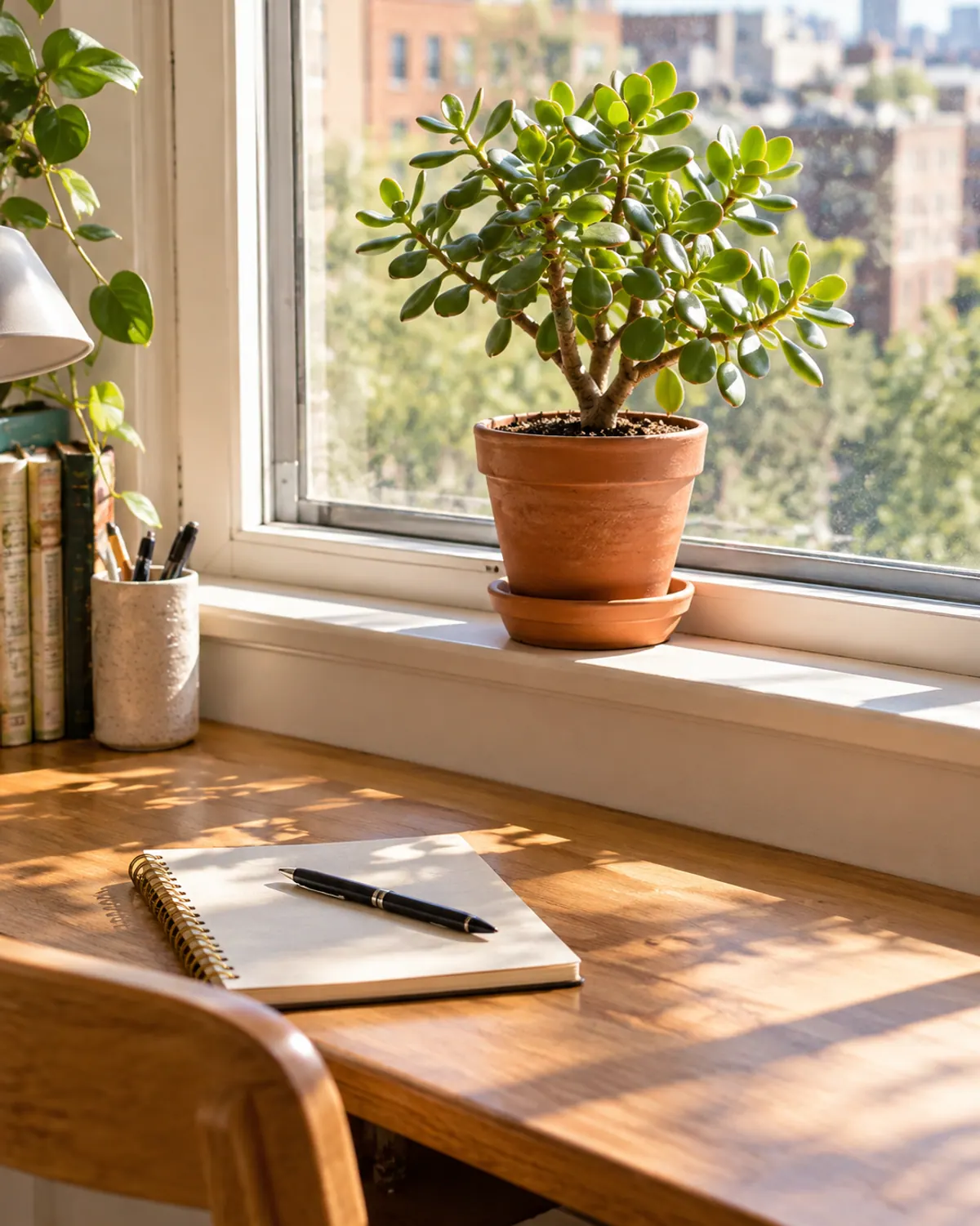
Pet tag: toxic to cats and dogs (ASPCA), so keep it out of reach.
Light: bright.
Neglect: 3 to 4 weeks.
Price: typically $8 to $20.
Fat oval leaves on a thick stem that slowly turns into a tiny tree. It wants a sunny windowsill and water only when the soil is fully dry. A single leaf laid on soil grows a new plant, and jade plants often outlive the people who bought them.
- Wrinkled leaves mean thirsty. Soft, mushy leaves mean you watered too soon.
A sunny-sill succulent that lives for decades (not for pet homes).
20Aloe vera (Aloe barbadensis)
Pet tag: toxic to cats and dogs (ASPCA), so keep it out of reach.
Light: bright.
Neglect: 3 to 4 weeks.
Price: typically $8 to $20.
Thick spiky leaves store water, so aloe handles a sunny kitchen windowsill and weeks of neglect. It sends up pups around the base that you can pot up and give away. We cover it here as a houseplant only; any use of the gel on skin is outside this guide and is not medical advice.
- Use a gritty cactus mix and a pot with a drainage hole. Wet soil is the only thing that kills aloe.
A sunny-window succulent that makes pups (not for pet homes).
21Inch plant (Tradescantia zebrina)
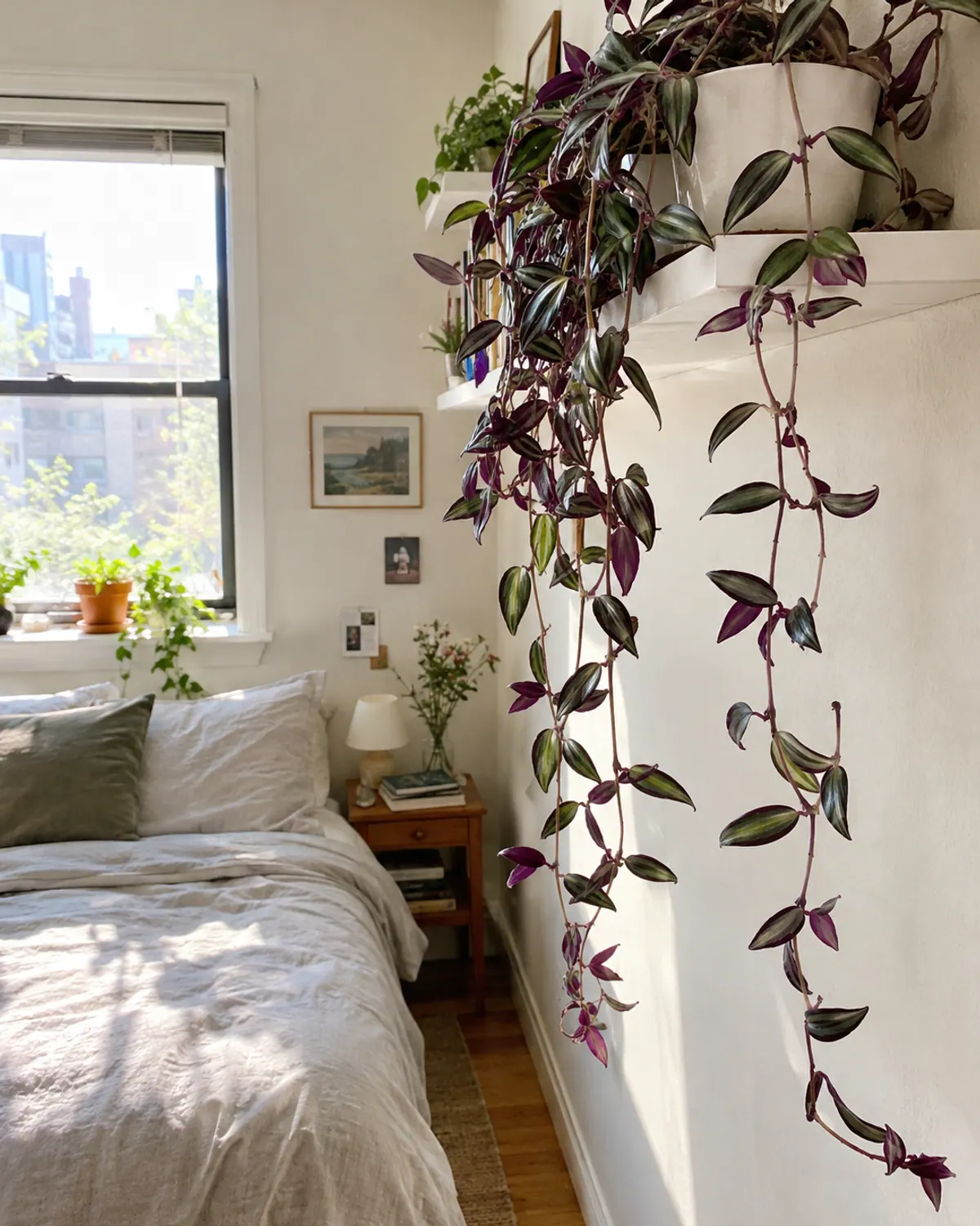
Pet tag: toxic to cats and dogs (ASPCA), so hang it high.
Light: medium to bright.
Neglect: 1 week.
Price: typically $8 to $18.
Purple and silver striped leaves on vines that grow an inch a week in a bright spot. It gets leggy over time, but that is fine, because every cut piece roots in water in days. Treat it as a plant you remake every year from its own cuttings.
- Pinch the tips often. A bushy inch plant is just one that has been trimmed a lot.
Fast purple color for a high shelf (not for pet homes).
Easy houseplants to propagate so one plant becomes five
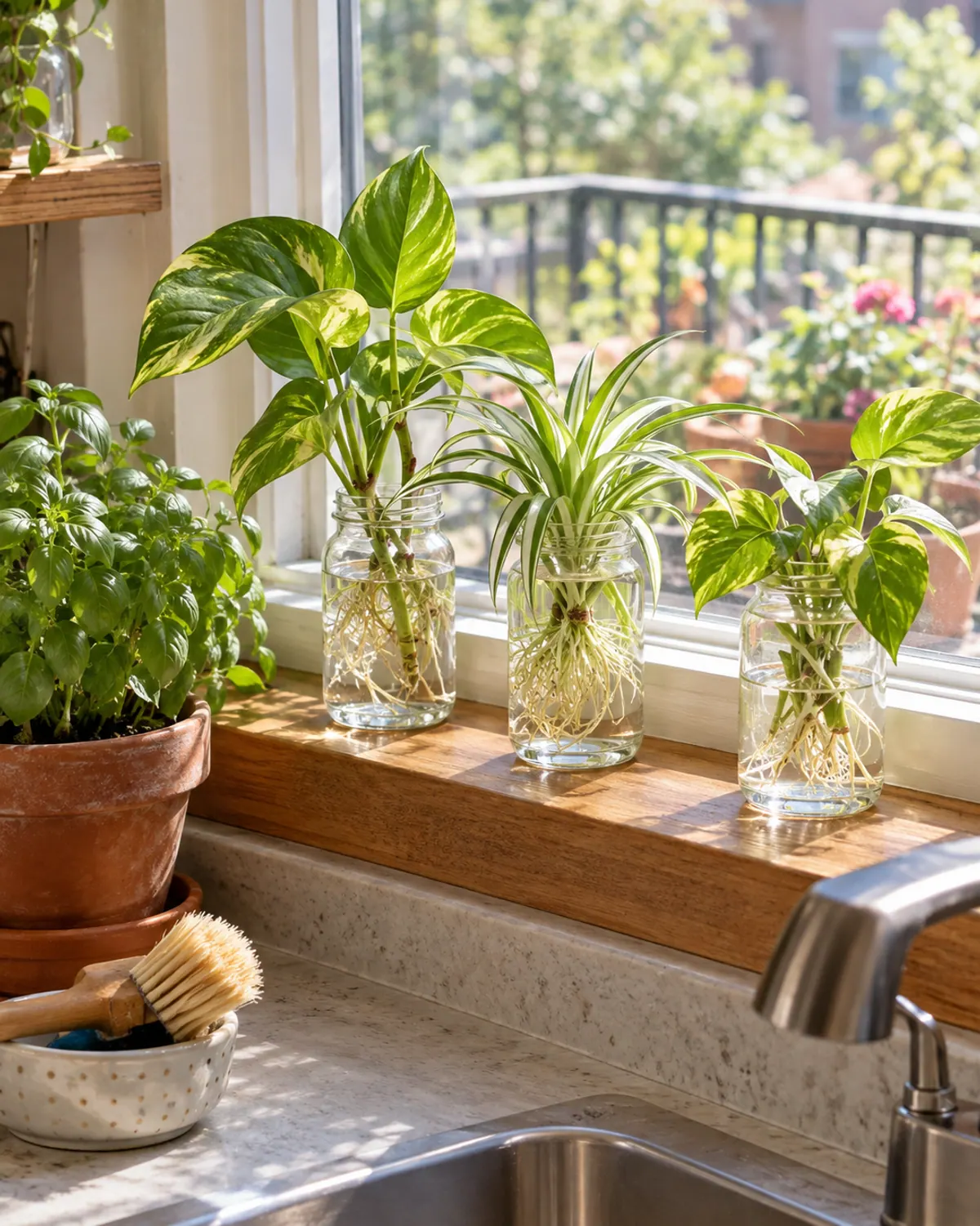
Seven plants on this list root in a glass of water on the windowsill: pothos, heartleaf philodendron, spider plant babies, hoya, inch plant, Chinese evergreen and peperomia. Cut just below a leaf node, strip the lowest leaf, and set the stem in water. Change the water weekly and pot the cutting once roots are an inch long, usually in two to four weeks.
Succulents work differently. Lay a jade leaf or a haworthia offset on dry cactus mix, leave it alone for a week, then mist it lightly until a tiny plant forms. Aloe and ponytail palm make pups at the base that you can cut away with a bit of root attached.
The one watering rule that keeps all 21 alive
Beginners kill houseplants with kindness. Nearly every plant here dies from wet soil, not dry soil, so the rule is simple: check before you water, and water only when the soil is dry at the depth the plant likes. A finger works. A $10 moisture meter works better in a deep pot. In winter the gaps get longer, and our watering schedule by light level shows how long to wait in bright, medium and low light.
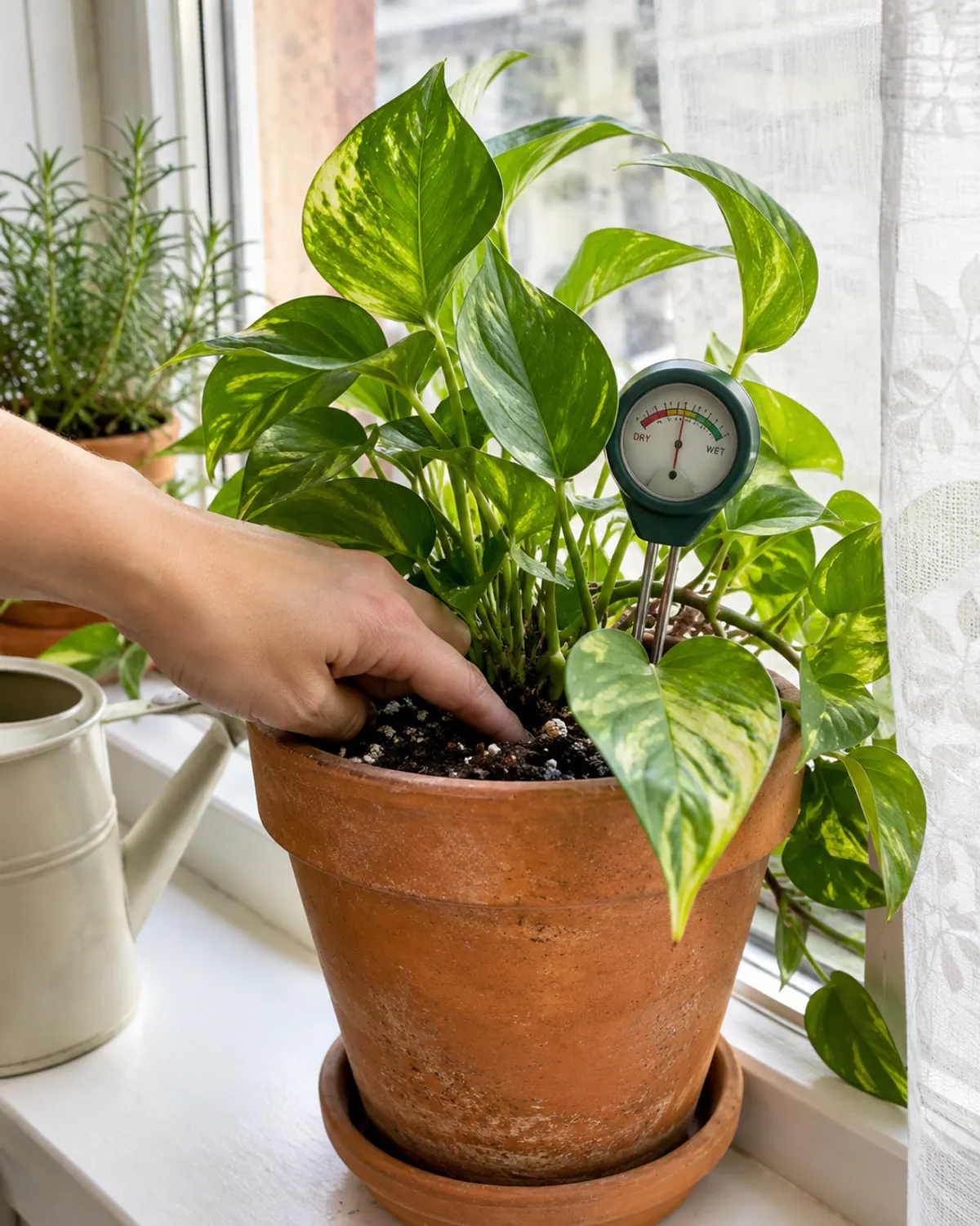
Beginner watering habits
Beginner houseplant mistakes to avoid
Do
- Buy one plant at a time and learn it before adding the next
- Match the plant to the light you actually have
- Check the ASPCA list before you bring a plant home to a pet
- Repot into a pot with drainage in the first month
Avoid
- Watering on a schedule instead of checking the soil
- Putting a plant in a windowless room with no grow light
- Setting a tropical plant on top of a radiator
- Repotting into a much bigger pot, which stays soggy for weeks
Winter is the hardest season for a first plant. Our winter houseplant care tips cover dry heated air and cold glass, and the grow lights for small spaces roundup helps if your one window faces north.
Beginner houseplant starter list
The first five plants and the only tools you need
- Start here
Live golden pothos, 4 to 6 in pot
Typically $10 to $20
Buy this one first.
Check price on Amazon for Live golden pothos, 4 to 6 in pot -
Live snake plant, 6 in pot
Typically $15 to $35
Survives a month without water.
Check price on Amazon for Live snake plant, 6 in pot - Pet safe
Live spider plant, 4 to 6 in pot
Typically $10 to $25
The pet safe pick that makes babies.
Check price on Amazon for Live spider plant, 4 to 6 in pot -
Live ZZ plant, 6 in pot
Typically $18 to $40
For the dim hallway.
Check price on Amazon for Live ZZ plant, 6 in pot - Pet safe
Live hoya carnosa
Typically $12 to $30
The pet safe trailing plant.
Check price on Amazon for Live hoya carnosa -
Soil moisture meter
Typically $8 to $15
Stops overwatering in deep pots.
Check price on Amazon for Soil moisture meter -
6 inch pots with drainage and saucers
Typically $10 to $25
Drainage is the whole game.
Check price on Amazon for 6 inch pots with drainage and saucers -
Small indoor watering can, 1 quart
Typically $10 to $20
A long spout reaches pots on high shelves.
Check price on Amazon for Small indoor watering can, 1 quart -
Clip-on LED grow light
Typically $15 to $35
Makes a north window workable.
Check price on Amazon for Clip-on LED grow light
We earn from qualifying purchases, which never changes what we recommend. Read our disclosure and editorial guidelines.
Frequently asked questions
What is the easiest houseplant to keep alive?
For most apartments it is the golden pothos. It tolerates low light, droops to tell you it is thirsty and roots from cuttings in water. If you forget to water for weeks at a time, a snake plant or ZZ plant is even harder to kill.
Which houseplants are hardest to kill?
Snake plant, ZZ plant, cast iron plant, ponytail palm, jade plant and zebra haworthia all go three to four weeks without water. Overwatering is the only common way to lose them.
What houseplant is best for beginners with low light?
Cast iron plant, ZZ plant, snake plant, pothos and Chinese evergreen all cope with a spot across the room from a window. Low light is not no light, though: a windowless room needs a small grow light.
Are beginner houseplants safe for cats and dogs?
Some are. The ASPCA lists spider plant, cast iron plant, parlor palm, peperomia, hoya, haworthia, ponytail palm, Christmas cactus and kentia palm as non-toxic. Pothos, snake plant, philodendron, peace lily, Chinese evergreen, dracaena, rubber plant, monstera, jade, aloe and inch plant are listed toxic, so keep them out of reach.
How often should a beginner water houseplants?
There is no schedule that works for every plant. Push a finger into the soil and water only when it is dry at the top inch or two, which might be weekly for a peace lily and monthly for a snake plant in winter.
What is the best first houseplant for an apartment?
A golden pothos in a 4 to 6 inch pot, for about $10 to $20. It handles one window, dry heated air and a missed watering. If you share the apartment with a cat or dog, start with a spider plant instead.

Save it for later
Pin this to your Houseplants board so it's there when you need it.
Save to Pinterest