This post contains affiliate links. As an Amazon Associate we earn from qualifying purchases, at no extra cost to you. Read our disclosure.
Safety first: Herbs can be powerful. If you are pregnant, nursing, take medication or have a health condition, check with your doctor or pharmacist first. Please read our herbal & garden safety notes before you start.
Key takeaways
- Sort first: soft, woody and cold-sensitive herbs each need a different method
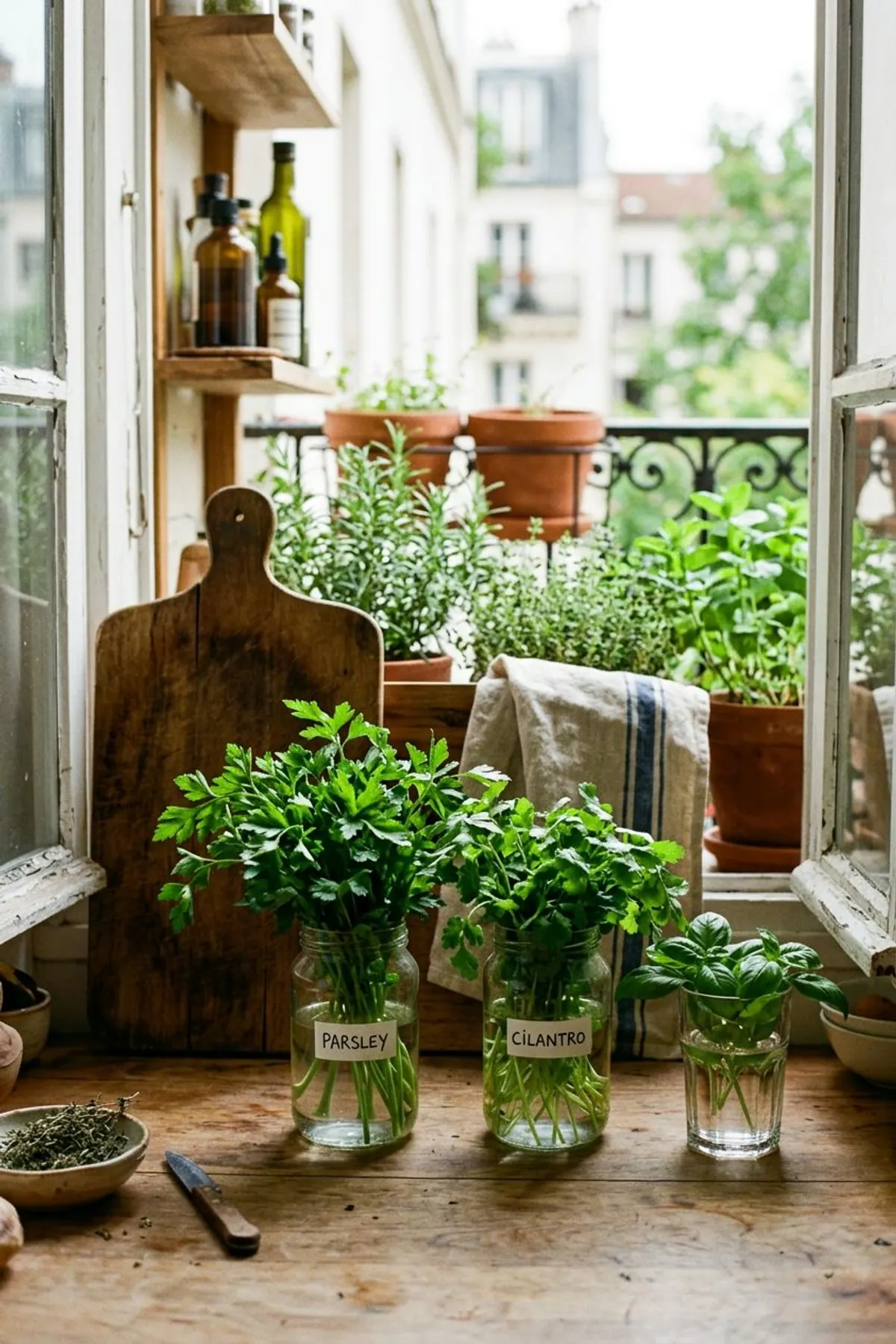
- Soft herbs: stand parsley, cilantro, dill and mint in a jar of water in the fridge with a loose bag
- Basil: keep it on the counter in a glass of water, since most guides say cold darkens it
- Woody herbs and chives: wrap in a damp paper towel inside a container
- Oil: Oregon State Extension says herbs in oil must be refrigerated and used within four days, or frozen
- Pets: the ASPCA lists mint, oregano, chives and parsley as toxic, so keep trimmings away from them
- Not medical advice: this guide covers kitchen storage only
In this post9 sections
- Why herbs go bad: match the method to the herb
- Soft herbs: parsley, cilantro, dill and mint in water
- Basil is the exception: keep it on the counter
- Woody herbs and chives in a damp towel
- Freeze what you cannot use in time
- Dry the rest, or grow your own
- Pet and safety notes for fresh herbs
- Tools that make storage easier
- FAQ
Why herbs go bad: match the method to the herb
Fresh herbs spoil for two opposite reasons. Soft herbs such as parsley and cilantro wilt when their stems dry out, and basil turns dark when it gets cold. So the same fridge shelf that saves one herb ruins another. The fix is to sort the bunch by type before it goes anywhere, then use the method that suits it.
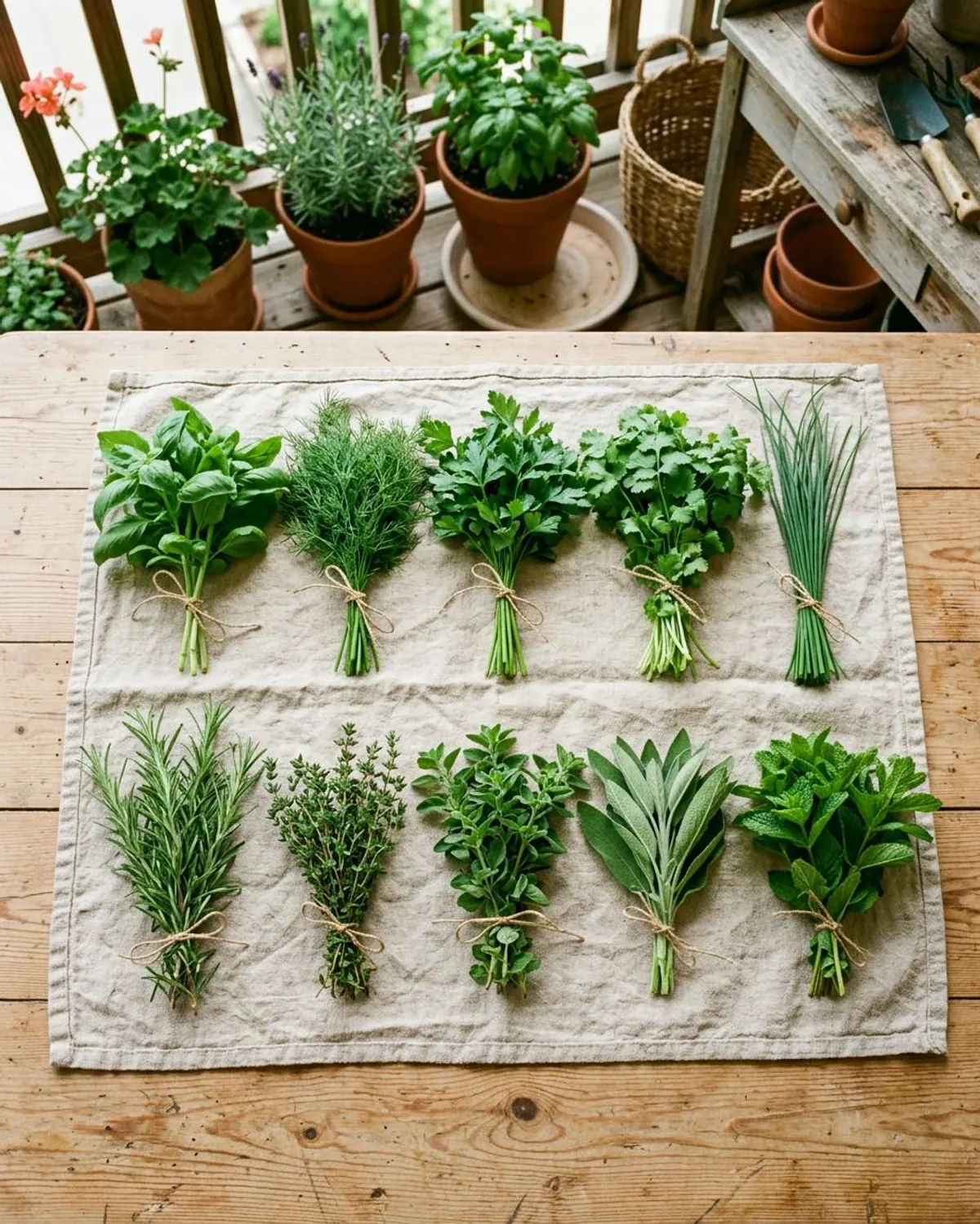
Below are ten common herbs and the method for each. We have not run a storage test of our own, so this follows common kitchen guidance, and we note where a point is a consensus of guides rather than an extension finding. We give no day counts, because freshness depends on how fresh the bunch was at the store. Look at the leaves each day and use or toss whatever looks slimy or smells off.
| Herb | Type | Method | Where |
|---|---|---|---|
| Parsley | Soft | Stems in a jar of water, loose bag on top | Fridge |
| Cilantro | Soft | Stems in a jar of water, loose bag on top | Fridge |
| Dill | Soft | Stems in a jar of water, loose bag on top | Fridge |
| Mint | Soft | Stems in a jar of water, loose bag on top | Fridge |
| Basil | Soft, cold-sensitive | Stems in a glass of water, no bag | Counter |
| Chives | Grass-like | Rolled in a damp paper towel in a container | Fridge |
| Rosemary | Woody | Wrapped in a damp paper towel in a container | Fridge |
| Thyme | Woody | Wrapped in a damp paper towel in a container | Fridge |
| Sage | Woody | Wrapped in a damp paper towel in a container | Fridge |
| Oregano | Woody | Wrapped in a damp paper towel in a container | Fridge |
If you want to label and date jars as you go, our Kitchen Herb Pantry Label Kit ($6) has printable labels for fresh, frozen and dried herbs.
Soft herbs: parsley, cilantro, dill and mint in water
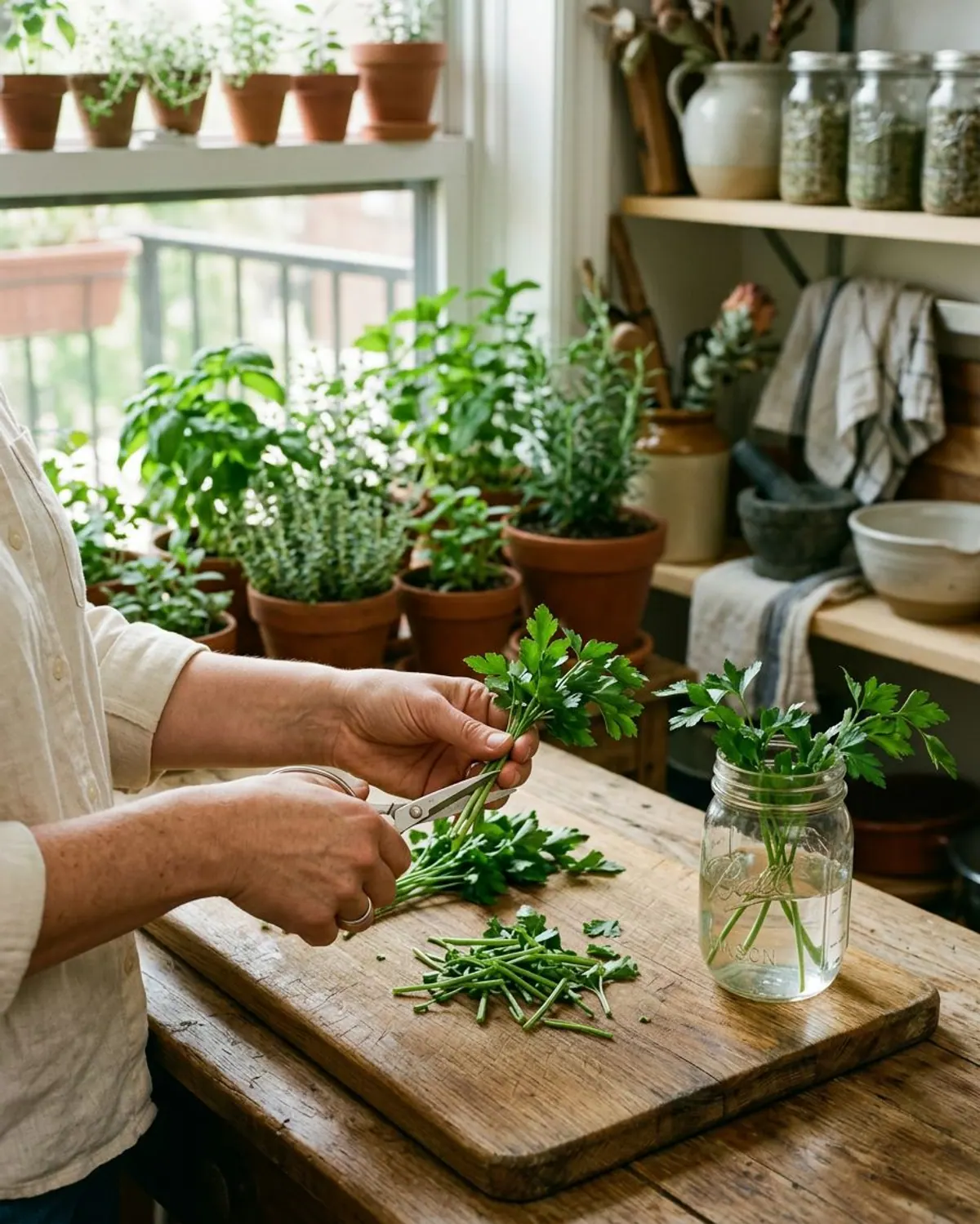
Treat a bunch of soft herbs like cut flowers. The stems drink, and the leaves stay crisp. Start at the counter before they go in the fridge.
-
Step 1: Trim the stem ends
Cut a little off the bottom of the stems with scissors or a knife, so they can take up water.
-
Step 2: Pick off bad leaves
Remove any yellow, slimy or wilted leaves now, since one bad leaf can spread.
-
Step 3: Stand the stems in a jar
Use a jar with about an inch of water and keep the leaves above the water line.
-
Step 4: Cover loosely
Set a loose bag over the leaves, not a tight seal, so air still moves.
-
Step 5: Change the water when it clouds
Rinse the jar and refill when the water looks cloudy, and trim the stems again if they feel soft.
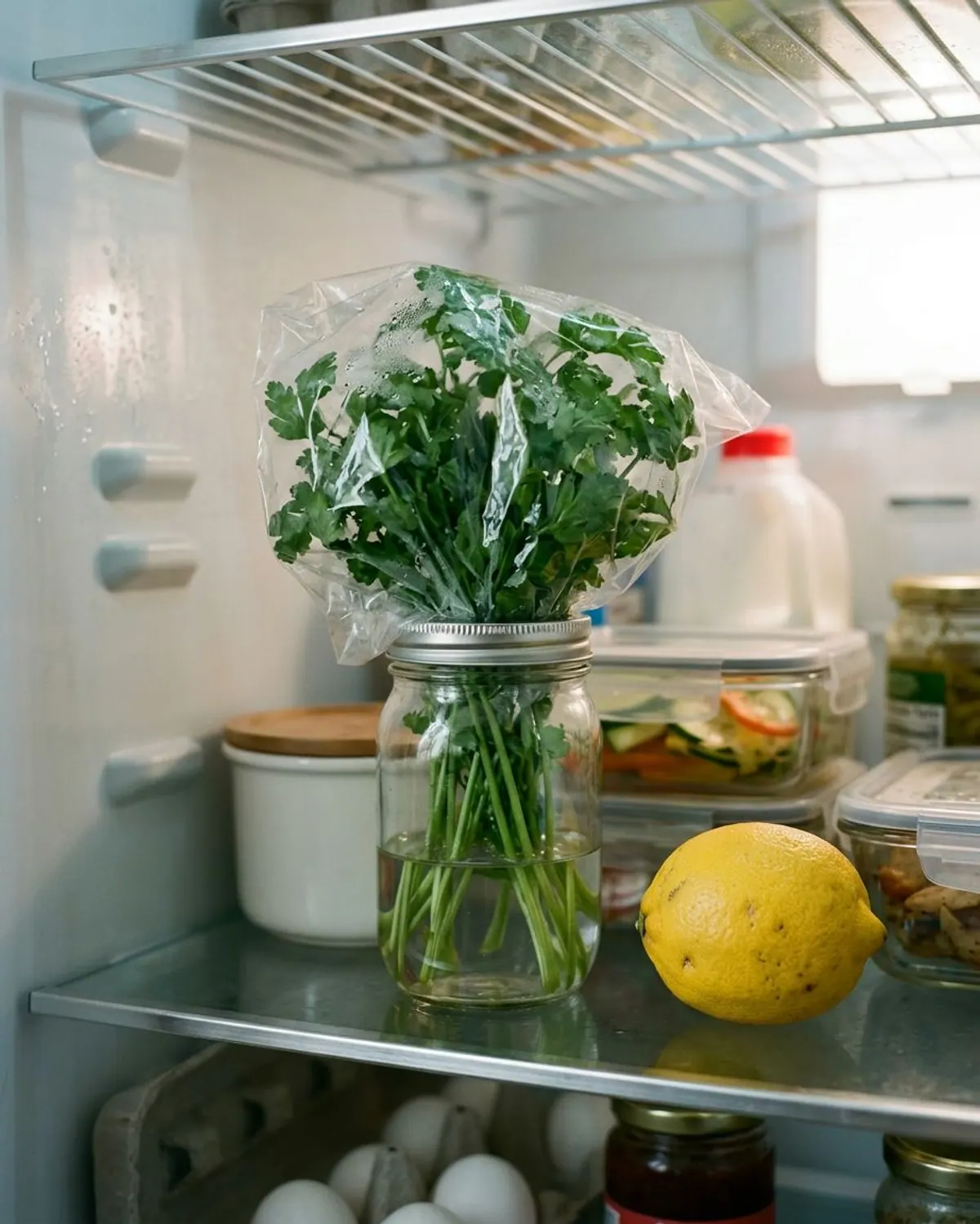
Wash the herbs just before you use them, since extra water on the leaves is a common cause of rot in most storage guides. Mint is happy in the same jar, and it can take over a pot, so a bunch is often easier than a plant. Our growing mint indoors guide covers keeping it contained.
Basil is the exception: keep it on the counter
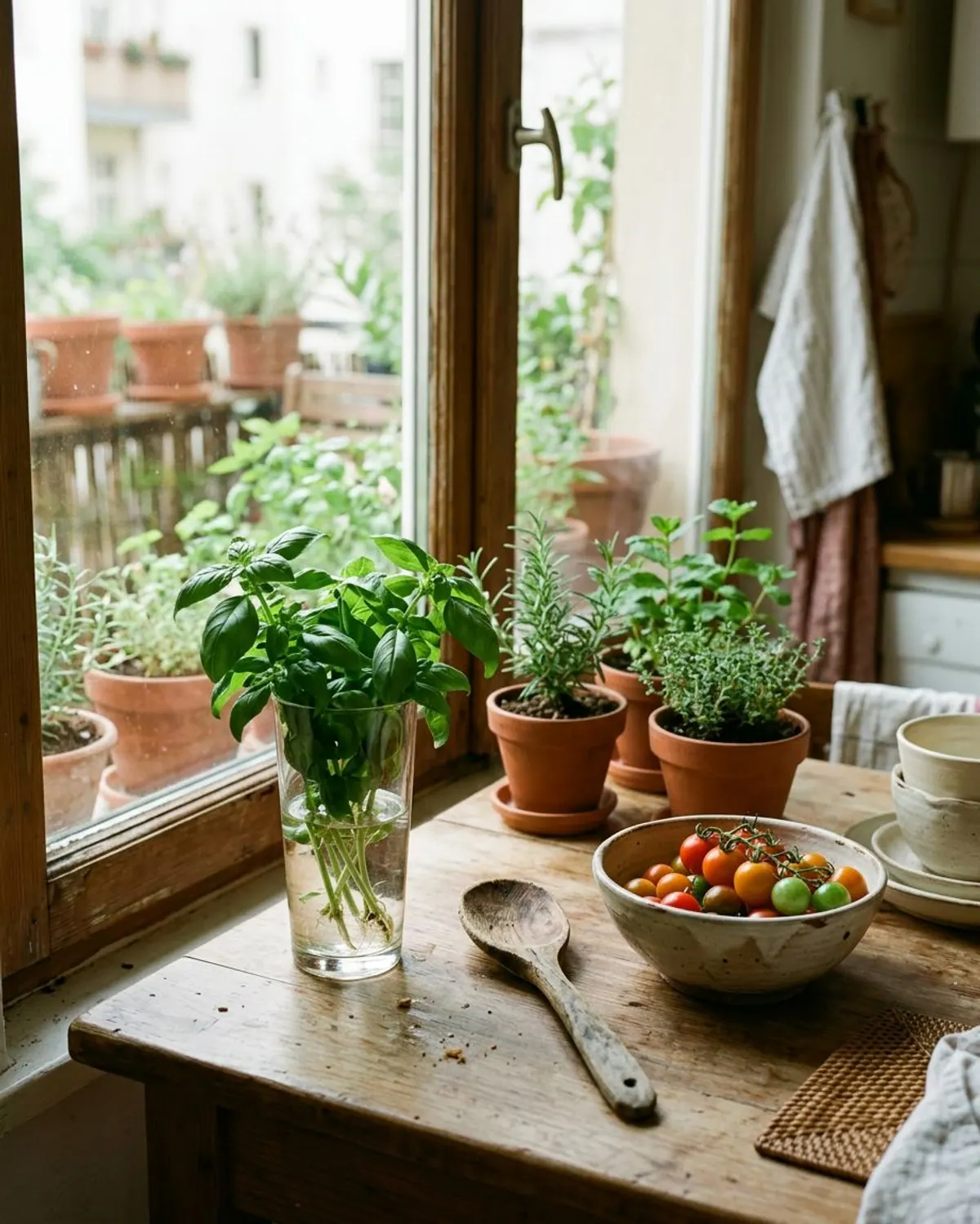
Most storage guides keep basil out of the fridge because the cold tends to blacken the leaves. That is a consensus of guides, not an extension finding, but it matches what most home cooks see. Trim the stems, stand them in a glass of water on a counter away from direct sun and cold drafts, and change the water when it clouds.
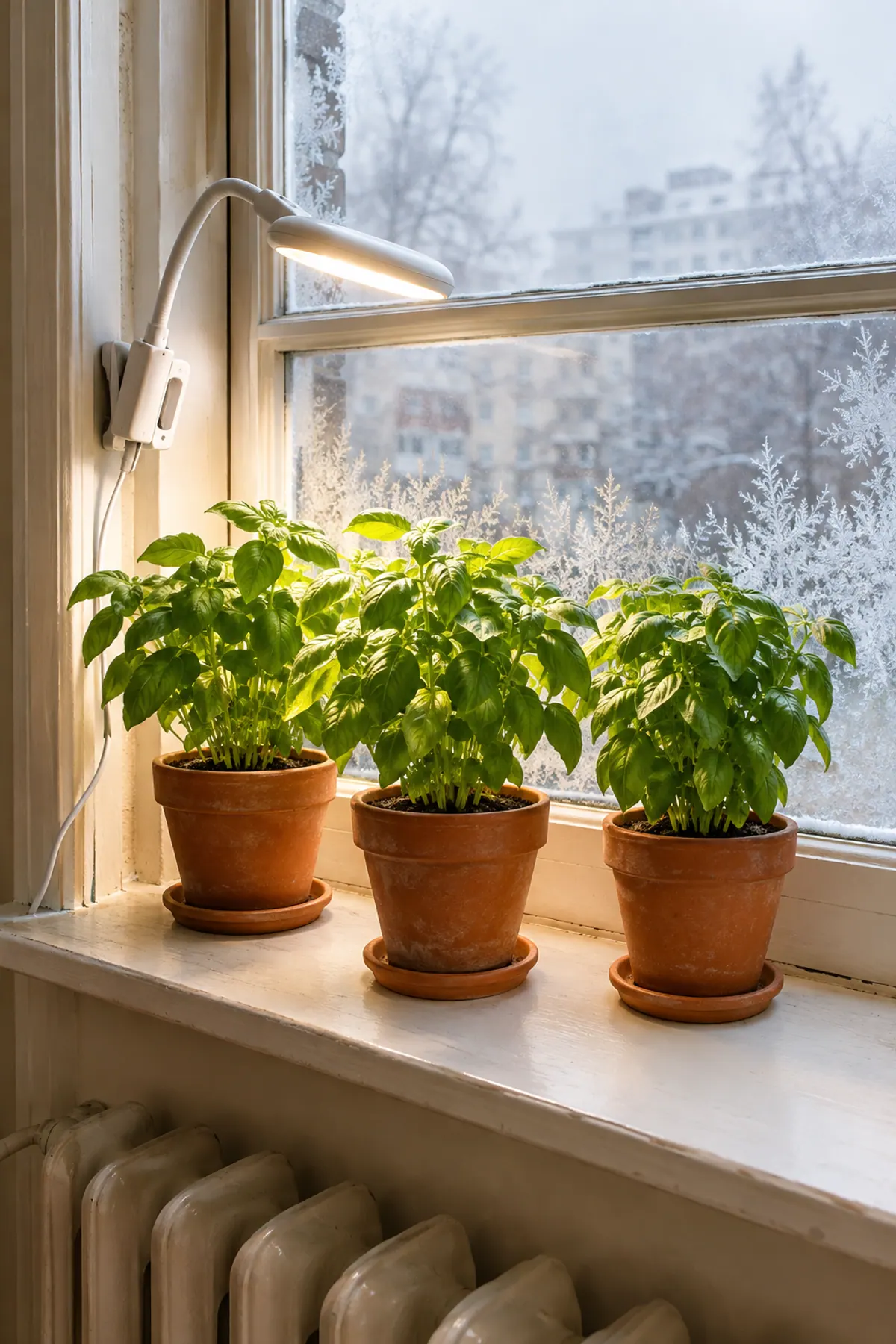
If you buy basil often, a living plant may beat a bunch. Our basil care guide shows how to keep one alive on a winter sill.
Woody herbs and chives in a damp towel
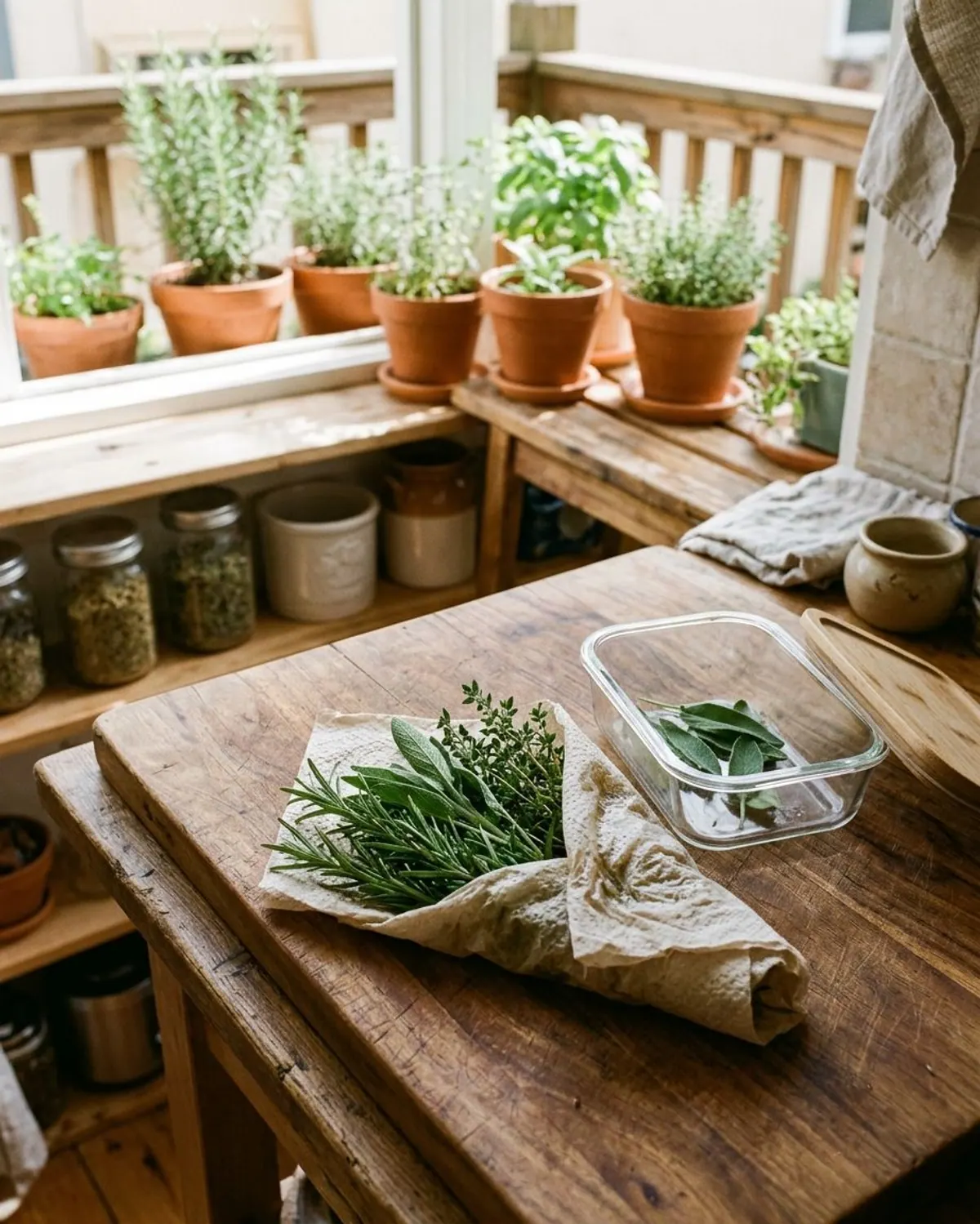
Rosemary, thyme, sage and oregano have tougher stems that do not drink well from a jar, and they can mold when wet. A damp paper towel gives them a little moisture without sitting in water. Wrap the sprigs loosely, place them in a container with the lid slightly open and keep them in the fridge.
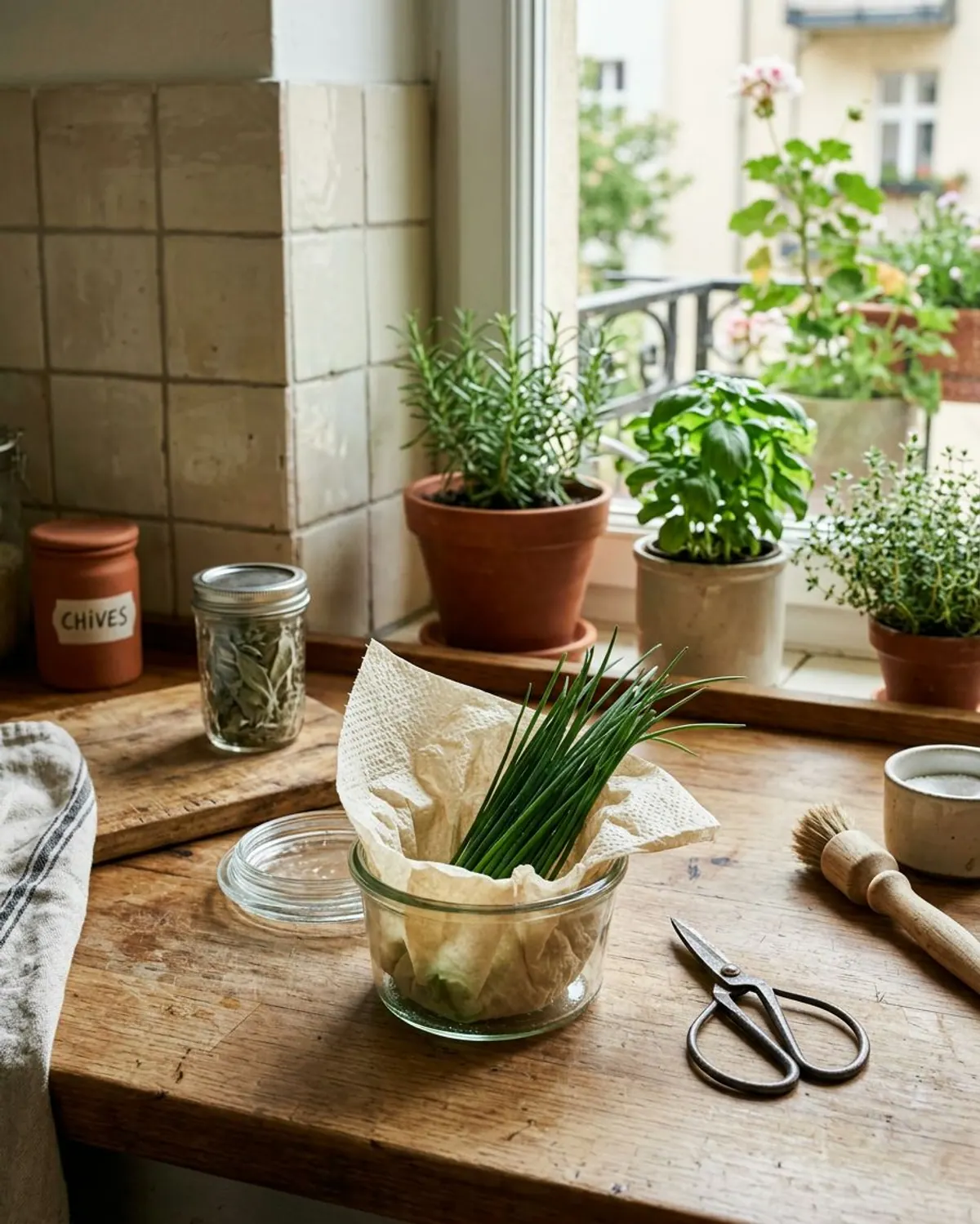
Chives can go the same way: roll them loosely in a damp towel in a container. Wring the towel out first, since it should feel cool and damp, not wet.
Freeze what you cannot use in time
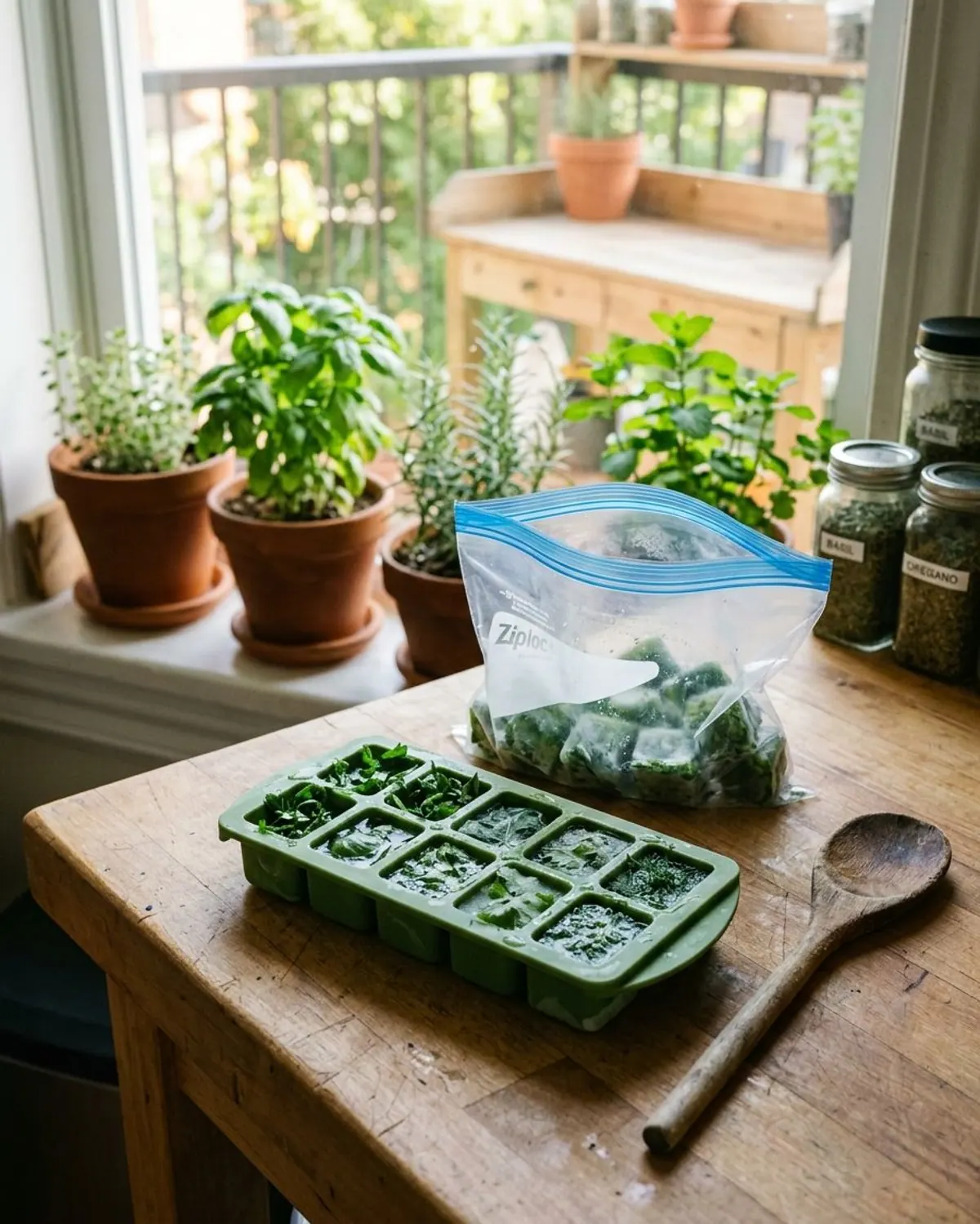
Chop the leaves, press them into an ice cube tray and cover them with a little water, then freeze. Move the cubes to a bag once they are solid, and drop one into soups and sauces. Frozen herbs go limp when thawed, so they suit cooked dishes, not garnish.
Be careful if you freeze or store herbs in oil. Oregon State Extension says herbs or garlic in oil should be refrigerated and used within four days, or frozen for longer storage, because of botulism risk. So water is the simpler choice. We give no oil recipe here, and the Oregon State guidance is the one to follow.
Dry the rest, or grow your own
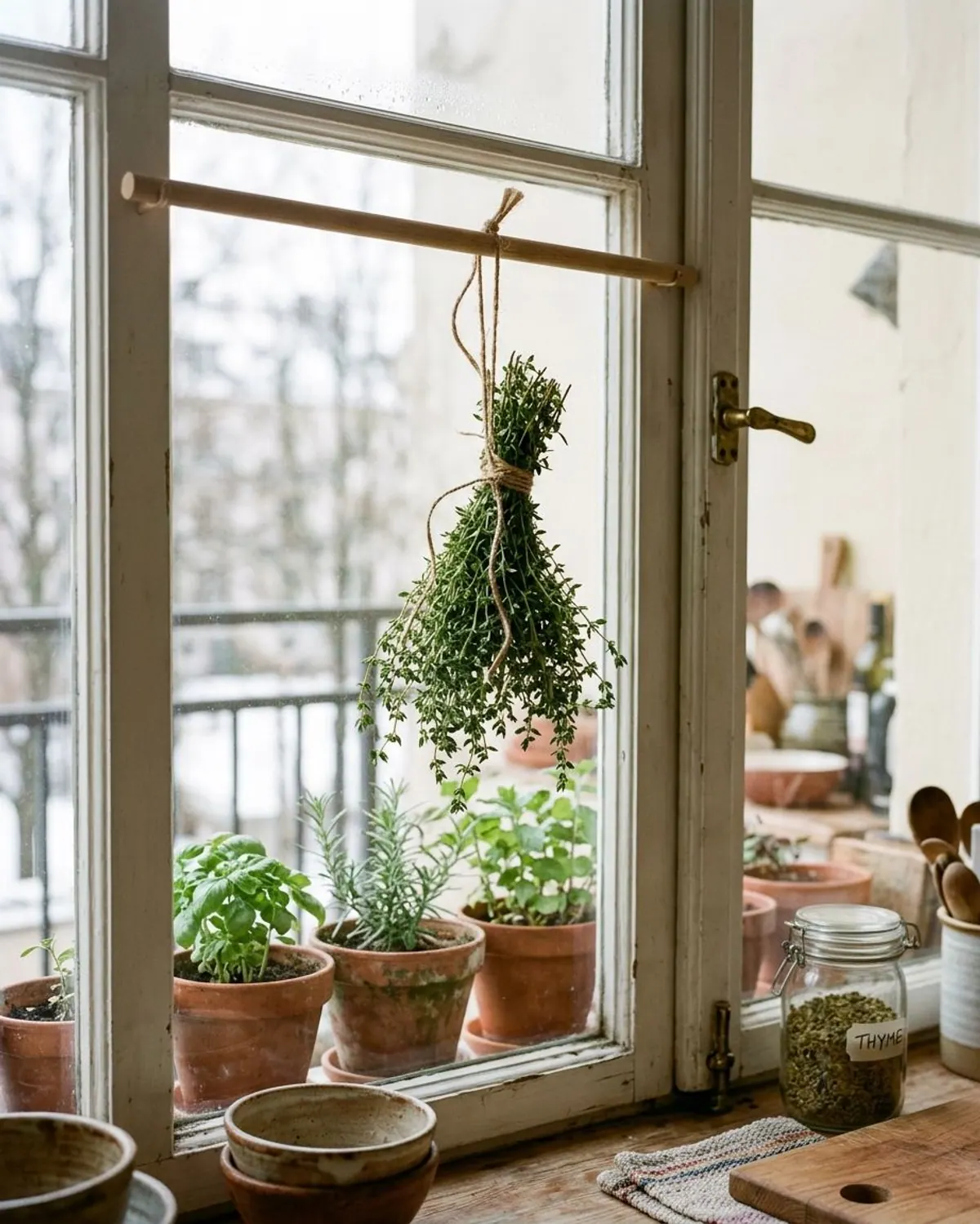
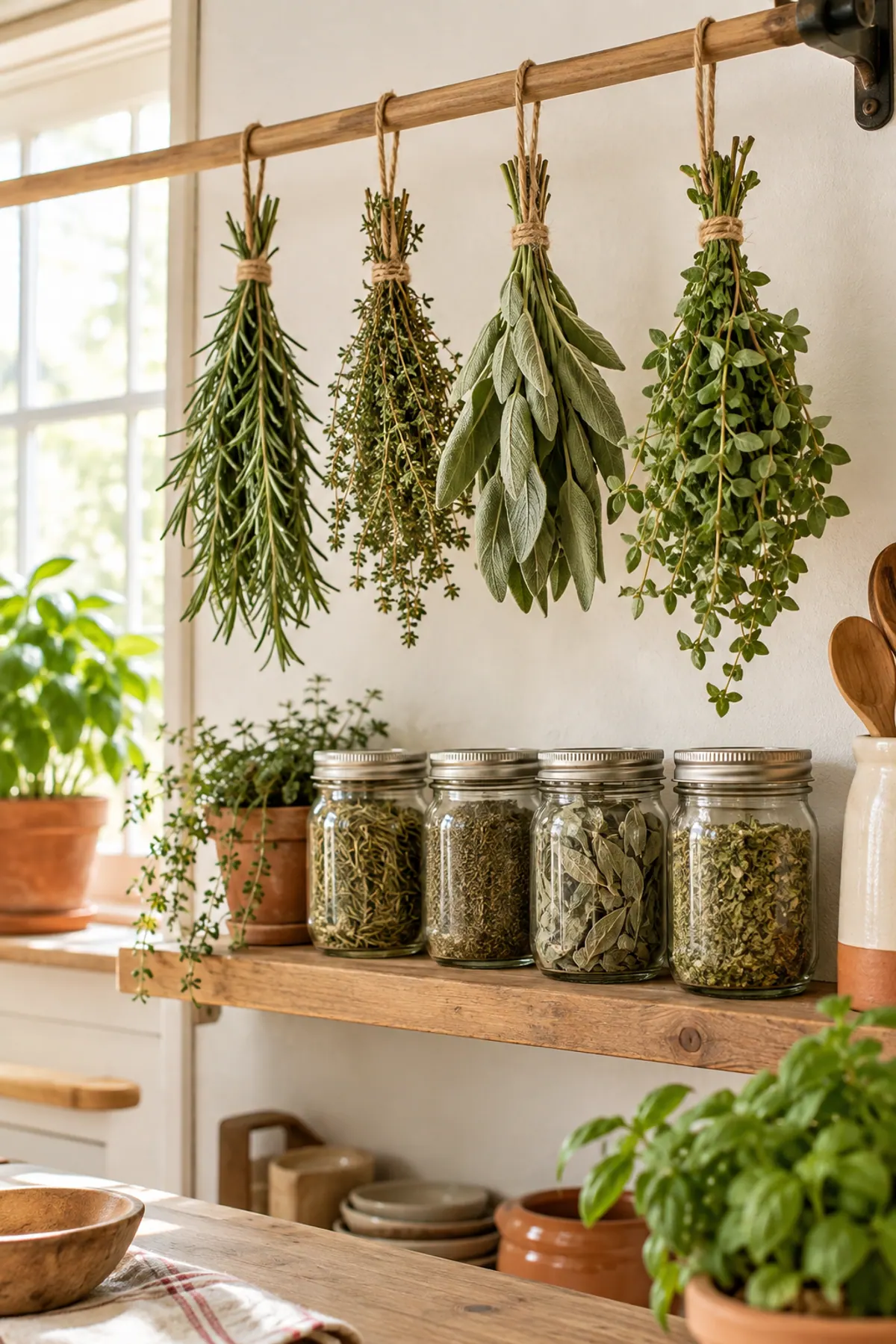
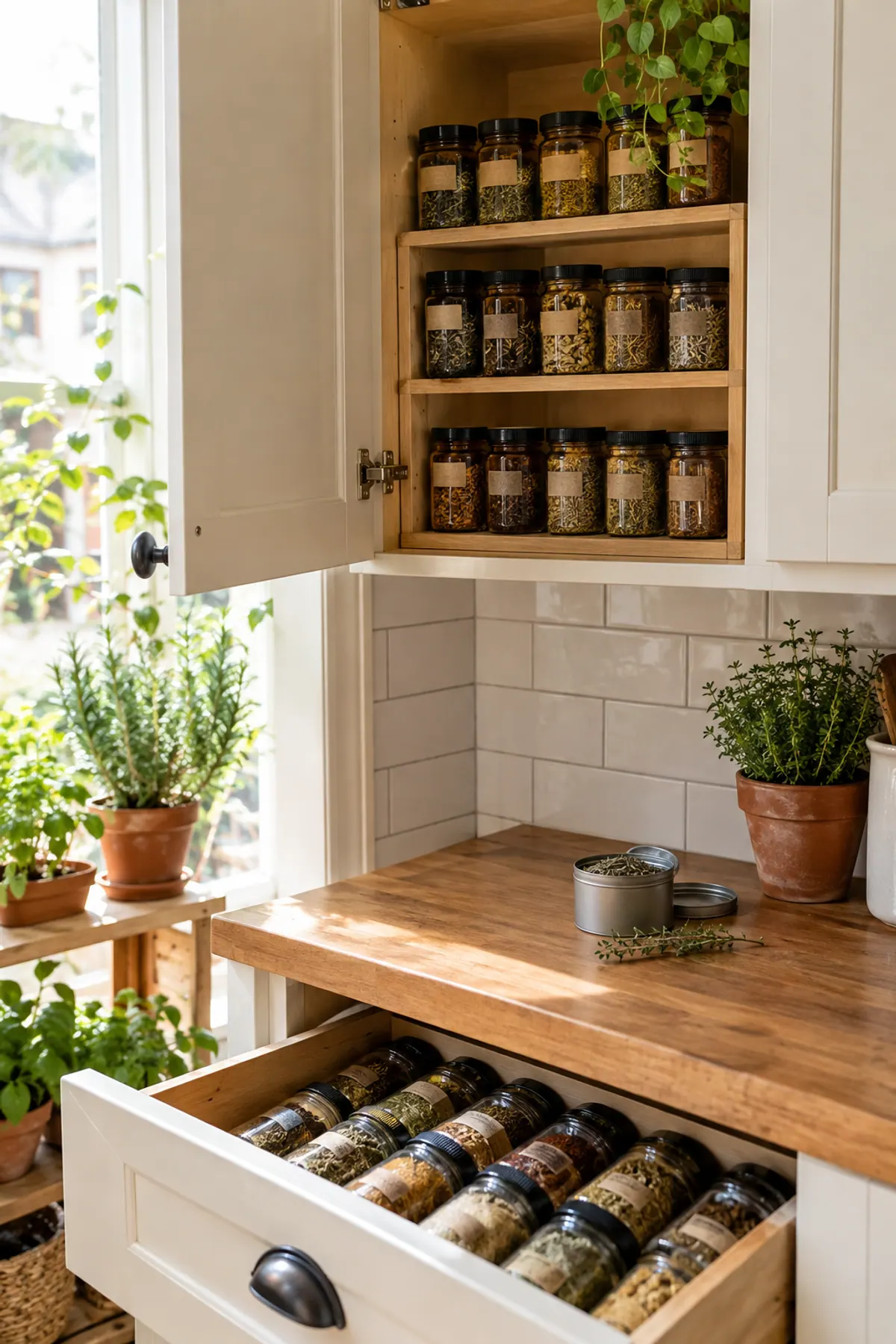
Woody herbs dry well. Tie a small bundle and hang it in a dry spot, or follow our how to dry herbs at home guide for the oven and dehydrator versions. Store the result in labeled jars, as in our dried herb storage ideas.
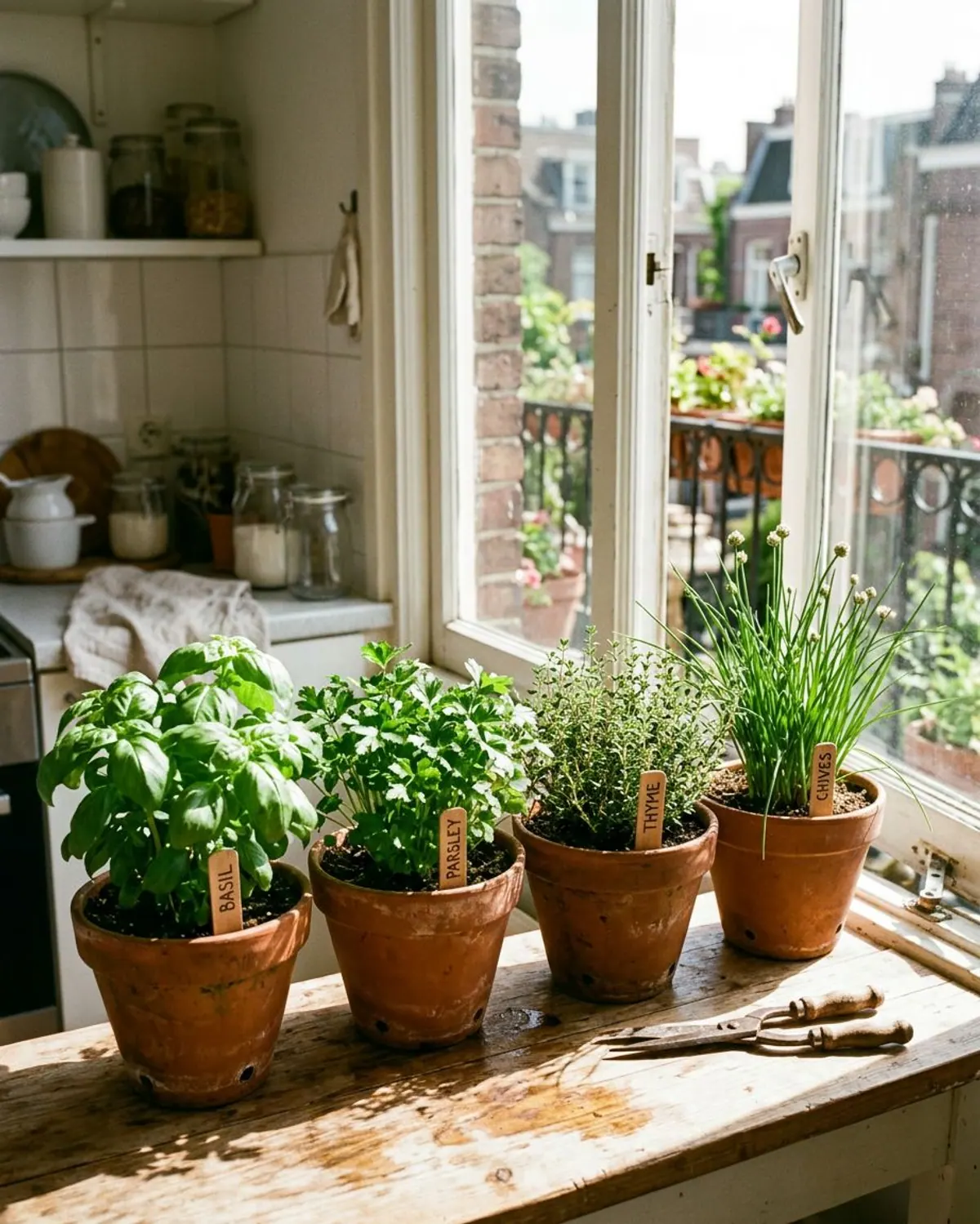
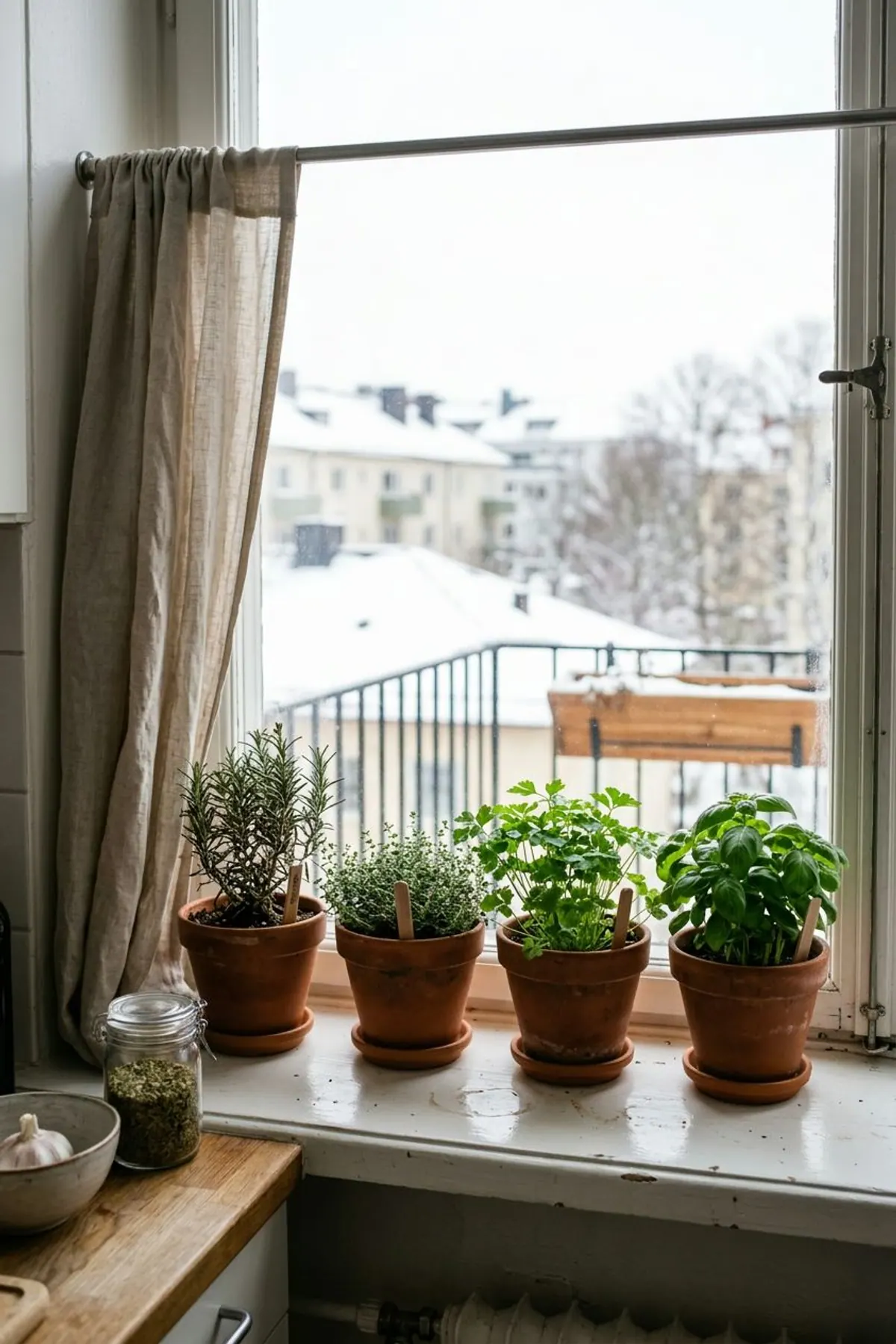
If you throw out half a bunch every week, a few pots are cheaper and fresher. Cut what you need, and nothing sits in the fridge. Start with our windowsill herb garden ideas, or the herbs that grow in low light if your window is dim. Iowa State Extension says most herbs want eight or more hours of direct light, with some managing on six, so a bright south window or a grow light helps. The Indoor Herb Garden for Winter kit ($6) lists light and watering for ten herbs.
Pet and safety notes for fresh herbs
Before you store a bunch
Tools that make storage easier
Storage helpers for fresh herbs
- Easiest
Herb keeper container
Typically $10 to $20
A tall container with a water reservoir for soft herbs, so you do not need a jar.
Check price on Amazon for Herb keeper container -
Glass jars, wide mouth
Typically $10 to $20
The jar for a bunch of parsley or cilantro, and reusable for dry storage later.
Check price on Amazon for Glass jars, wide mouth -
Silicone ice cube trays with lids
Typically $8 to $16
Freezing chopped herbs in portions.
Check price on Amazon for Silicone ice cube trays with lids -
Herb scissors
Typically $8 to $15
Chops a bunch quickly for the freezer.
Check price on Amazon for Herb scissors -
Reusable produce bags
Typically $8 to $15
A loose cover for jars of soft herbs.
Check price on Amazon for Reusable produce bags
Frequently asked questions
How do you keep herbs fresh longer?
Match the method to the herb. Stand soft herbs such as parsley and cilantro in a jar of water in the fridge, keep basil in water on the counter, and wrap woody herbs and chives in a damp paper towel in a container.
Should basil go in the fridge?
Most storage guides say no, because the cold tends to turn the leaves dark. Keep basil in a glass of water on the counter away from direct sun and cold drafts.
How do you keep store-bought herbs fresh?
Trim the stems, pick off any bad leaves and store by type. Wash only when you are ready to use them, since extra water on the leaves speeds spoilage.
Can you freeze fresh herbs?
Yes. Chop them, press them into an ice cube tray with a little water and freeze. They are best in cooked dishes because they go limp when thawed.
Is it safe to store herbs in oil?
Only with care. Oregon State Extension says herbs in oil should be refrigerated and used within four days, or frozen for longer storage, because of botulism risk.
Why do my herbs go slimy in the fridge?
Too much moisture on the leaves or a tight, wet bag is the usual cause. Dry the leaves, use a loose cover and pick off any spoiled leaves before storing.

Save it for later
Pin this to your Kitchen Apothecary board so it's there when you need it.
Save to Pinterest