This post contains affiliate links. As an Amazon Associate we earn from qualifying purchases, at no extra cost to you. Read our disclosure.
Safety first: Herbs can be powerful. If you are pregnant, nursing, take medication or have a health condition, check with your doctor or pharmacist first. Please read our herbal & garden safety notes before you start.
Key takeaways
- Basil and thyme near tomatoes, dill and cilantro near lettuce, and calendula near kale have extension-level support
- Penn State Extension says herbs do not repel pests but confuse them, so the effect is modest and pest-specific
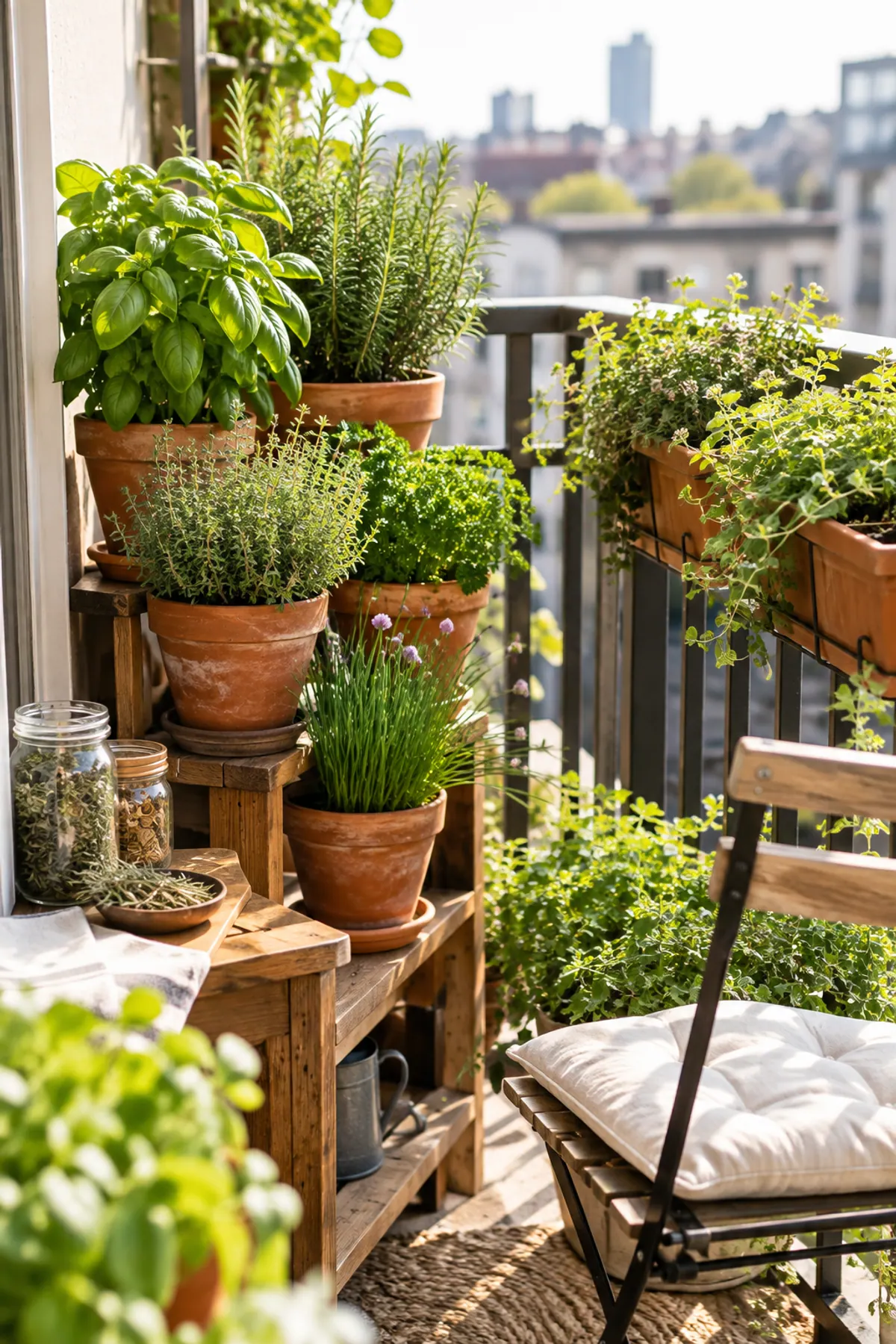
- In pots, water needs matter more than folklore: put rosemary, thyme, oregano and sage together, and basil, parsley and chives together
- Give mint its own pot because it spreads by runners
- Print this page: the tables below are the chart
In this post9 sections
The companion planting chart: how to read it
Companion planting means growing two plants side by side so one helps the other, usually by attracting helpful insects or confusing pests. The evidence is thinner than most charts admit. Penn State Extension (updated 2026-04-22, read 2026-10-24) says older claims were mostly anecdotal and that herbs "don't repel insect pests but rather confuse them."
So every row below carries a Basis tag. Extension means Penn State Extension lists the pairing. Lab means a published laboratory result. Care means the plants simply like the same watering and light, which is the safest reason to share a pot. Tradition means gardeners swear by it but we found little or no testing.
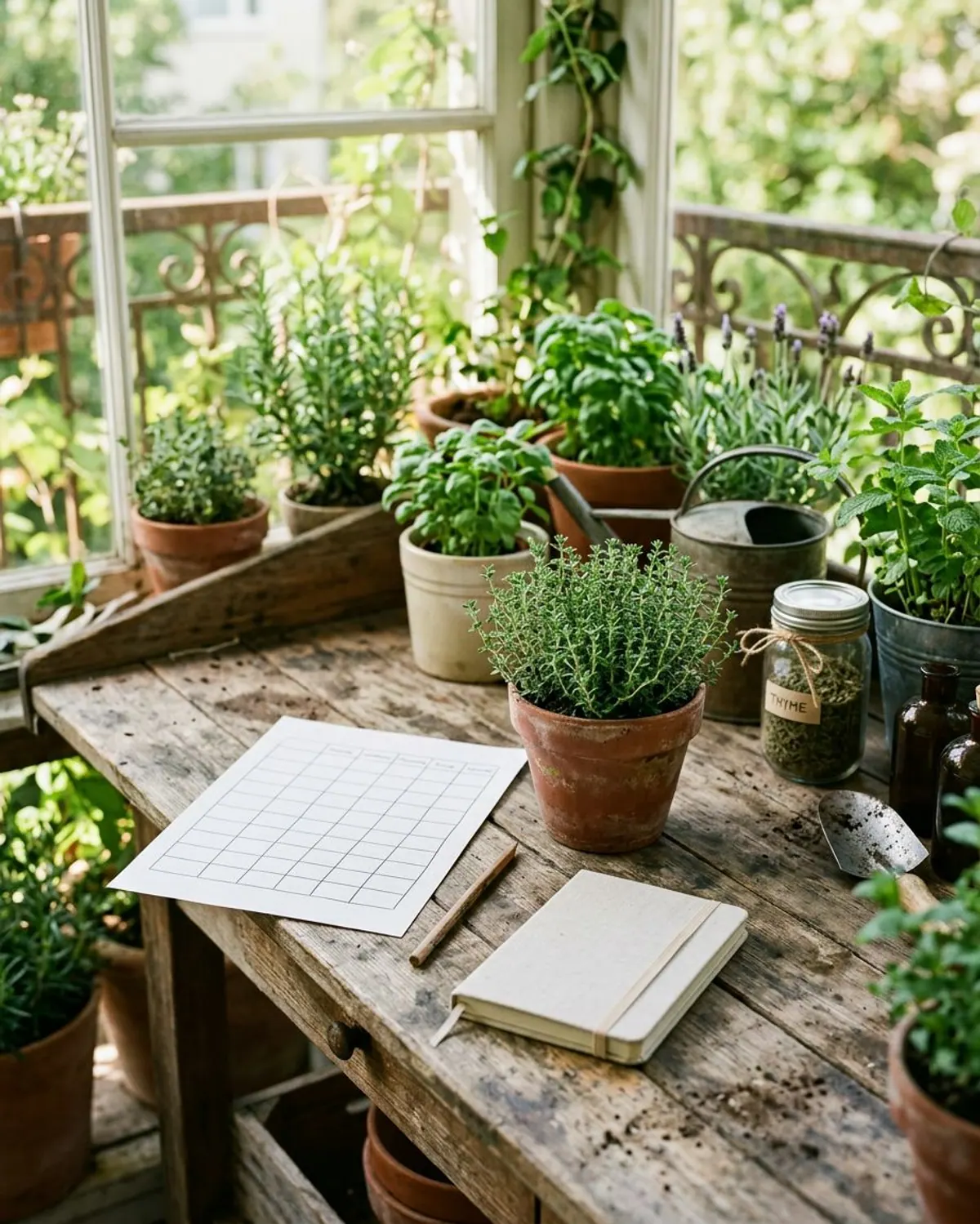
Herb companion planting chart
| Herb | Pairs well with | Keep apart | Basis |
|---|---|---|---|
| Basil | Tomato, pepper | Rosemary and sage pots (they like it drier) | Extension and Lab (tomato) |
| Thyme | Tomato, kale, broccoli, rosemary | Mint, parsley (wetter soil) | Extension (tomato, cabbage family) |
| Rosemary | Thyme, sage, oregano, lavender | Basil, parsley, mint | Care; Extension for attracting wasps |
| Oregano | Thyme, rosemary, sage | Mint, cilantro | Care; Extension for attracting wasps |
| Sage | Rosemary, thyme, cabbage family | Basil, mint | Care; Extension (cabbage family) |
| Dill | Lettuce, cabbage family, eggplant | Its own tall pot is best | Extension |
| Cilantro | Lettuce, eggplant | Tends to bolt in heat; give it afternoon shade | Extension |
| Fennel | Lettuce (attracts aphid predators) | Most neighbors; sources conflict | Extension, mixed reports |
| Chives | Lettuce, tomato, carrot | Beans and peas | Tradition |
| Parsley | Tomato, chives | Mint, rosemary | Care and Tradition |
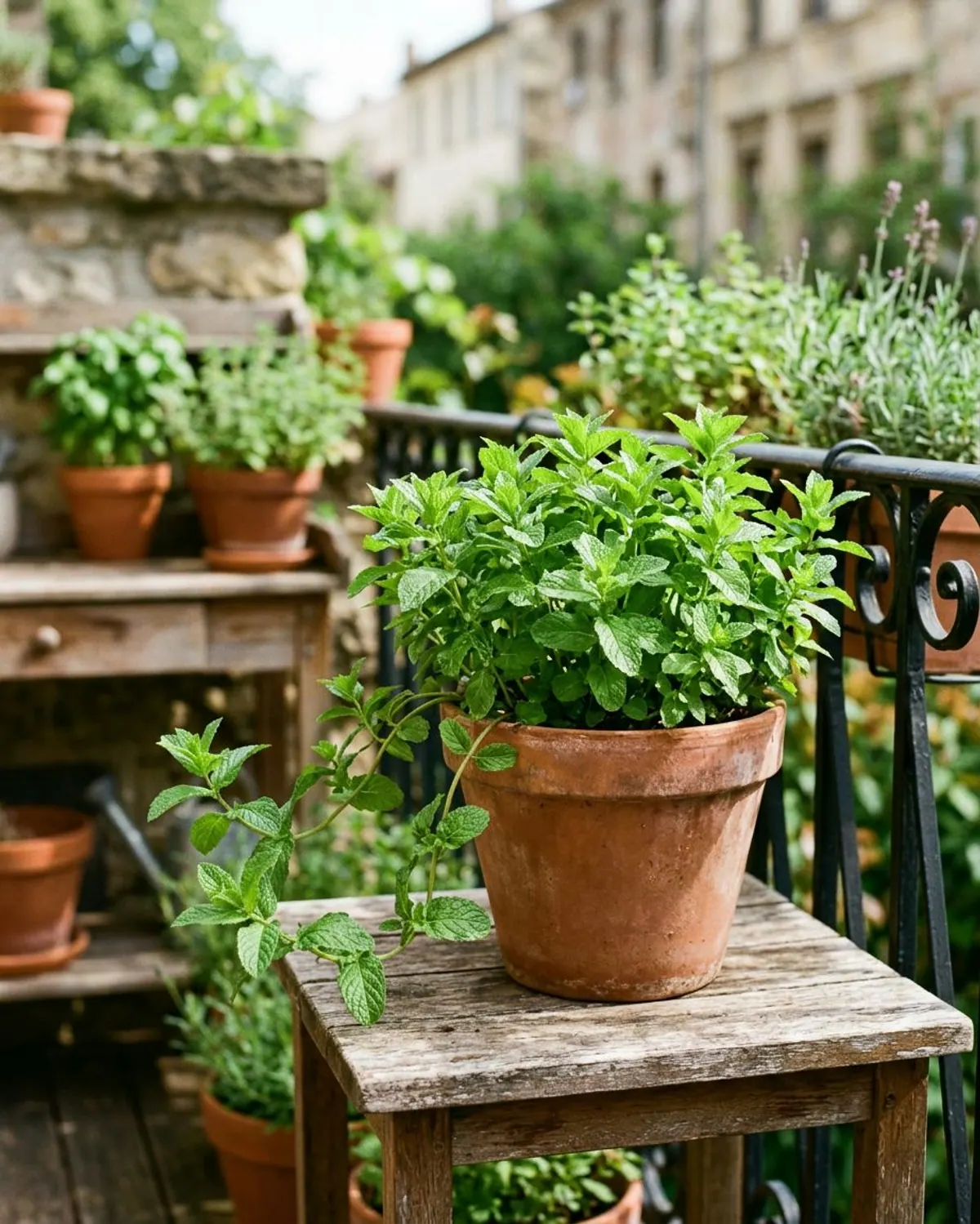
| Mint | Nothing: its own pot | Everything in the same pot | Care (it spreads by runners) |
| Lemon balm | Its own pot or a bed corner | Small pots of slow herbs | Extension (attracts wasps) |
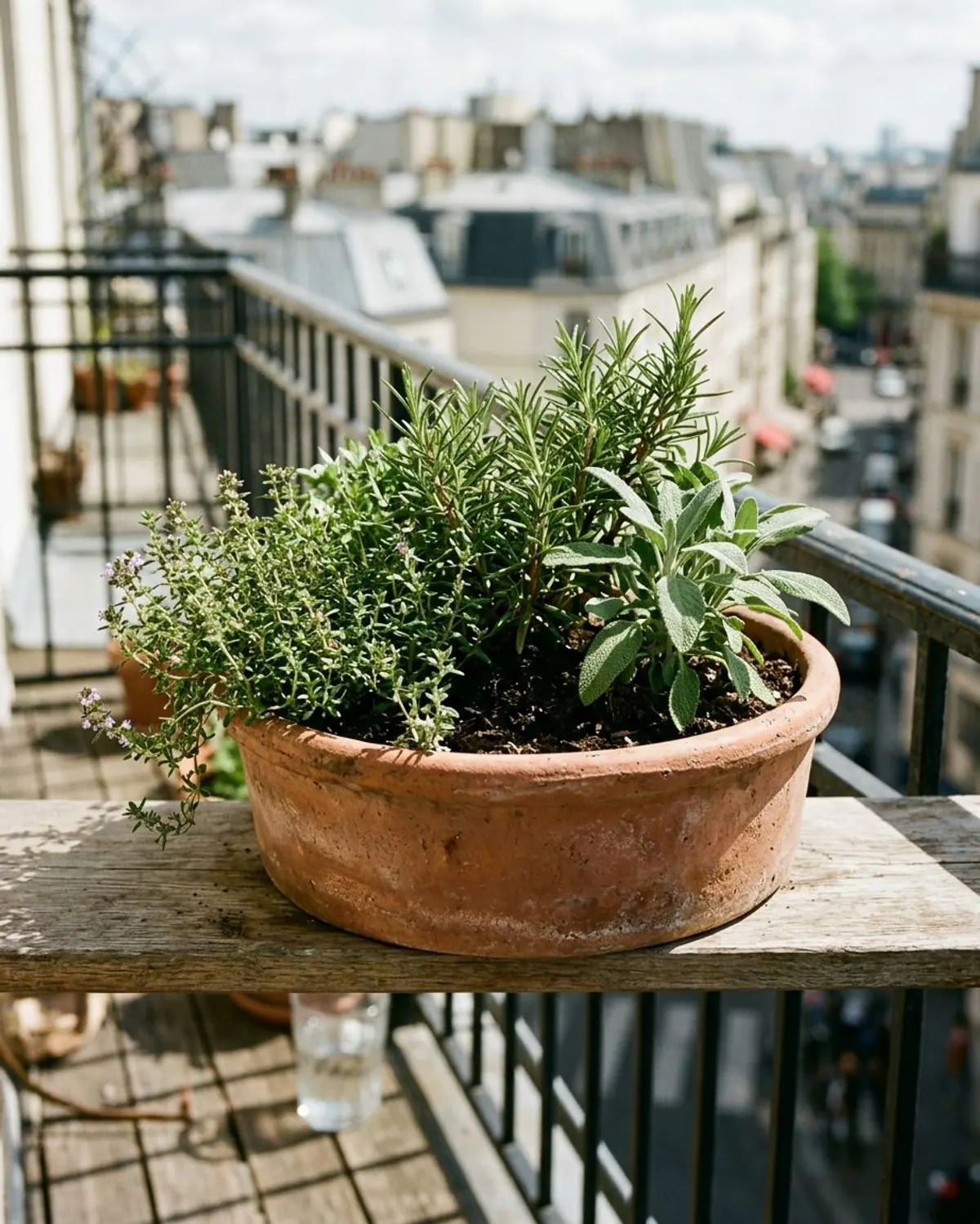
Vegetable and flower companions for containers
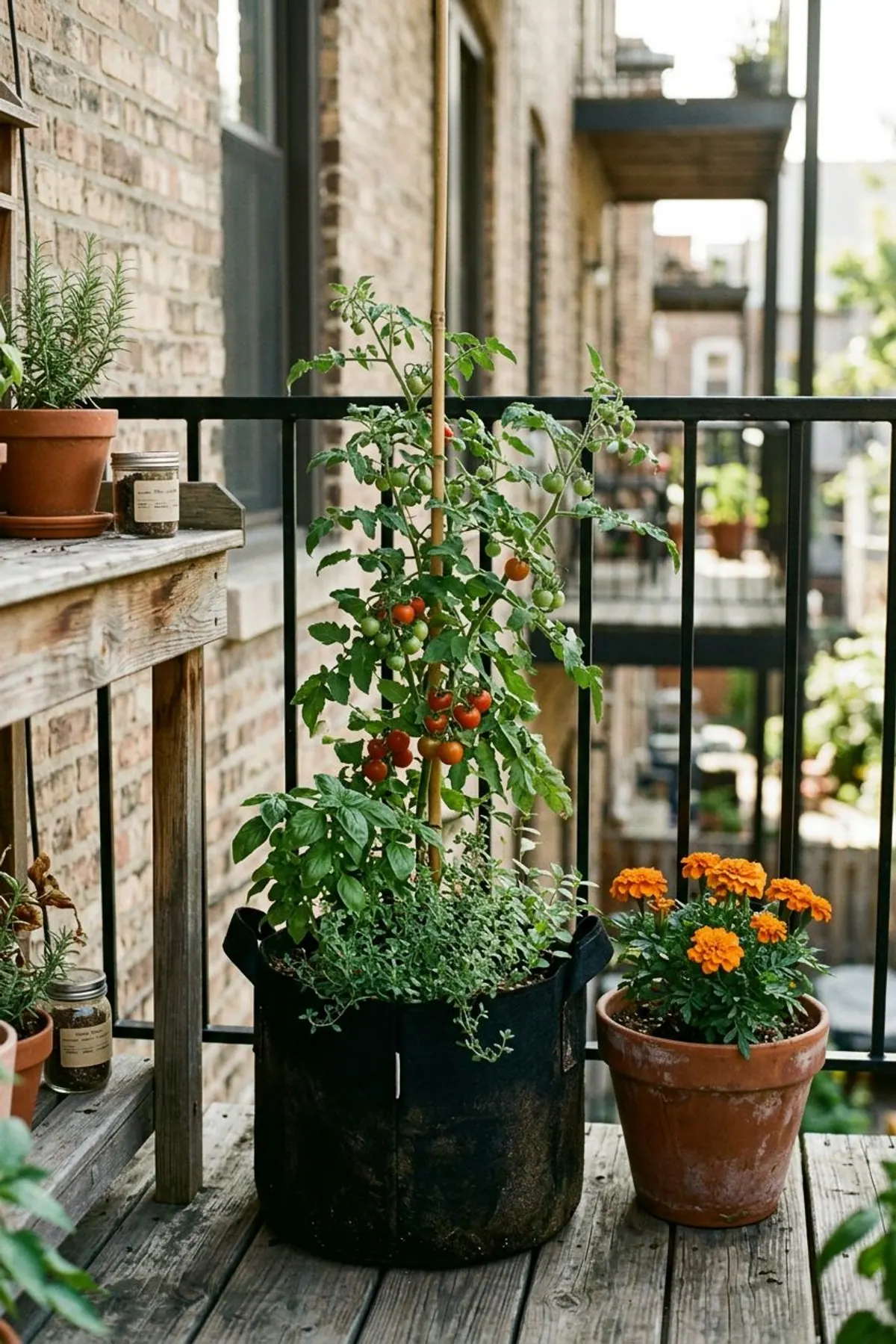
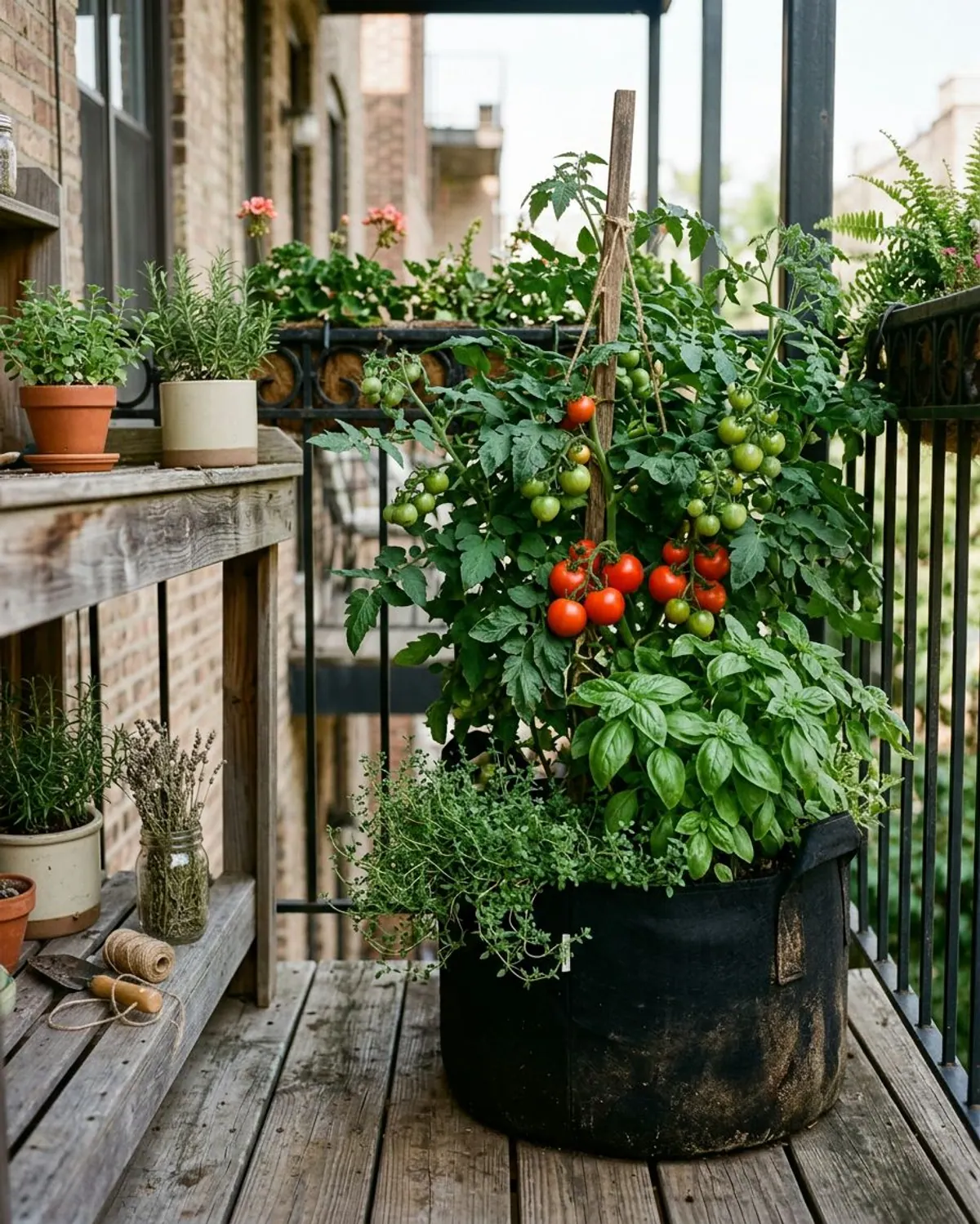
These pairings come straight from the extension page, plus a few popular ones marked as tradition. Two-plant pots are the easiest way to try them: a tomato with basil at its base, or a window box of lettuce with dill.
| Vegetable | Companion | What it is said to do | Basis |
|---|---|---|---|
| Tomato | Basil, thyme | Confuses thrips and hornworm; deters armyworm egg-laying | Extension; Lab for basil |
| Lettuce and greens | Dill, cilantro, fennel | Attracts predators of aphids | Extension |
| Eggplant | Cilantro, dill | Attracts predators of Colorado potato beetle | Extension |
| Kale, collards, broccoli | Thyme, sage, dill, calendula | Deters cabbageworm egg-laying; calendula attracts aphid predators | Extension |
| Cucumber | Dill, nasturtium | Tradition: attracts pollinators and beneficial insects | Tradition |
| Pepper | Basil | Tradition: shares a warm, sunny spot | Tradition |
| Carrot | Chives | Tradition: onion smell may mask the carrot | Tradition |
| Zucchini | Nasturtium | Tradition: a trap crop for aphids | Tradition |
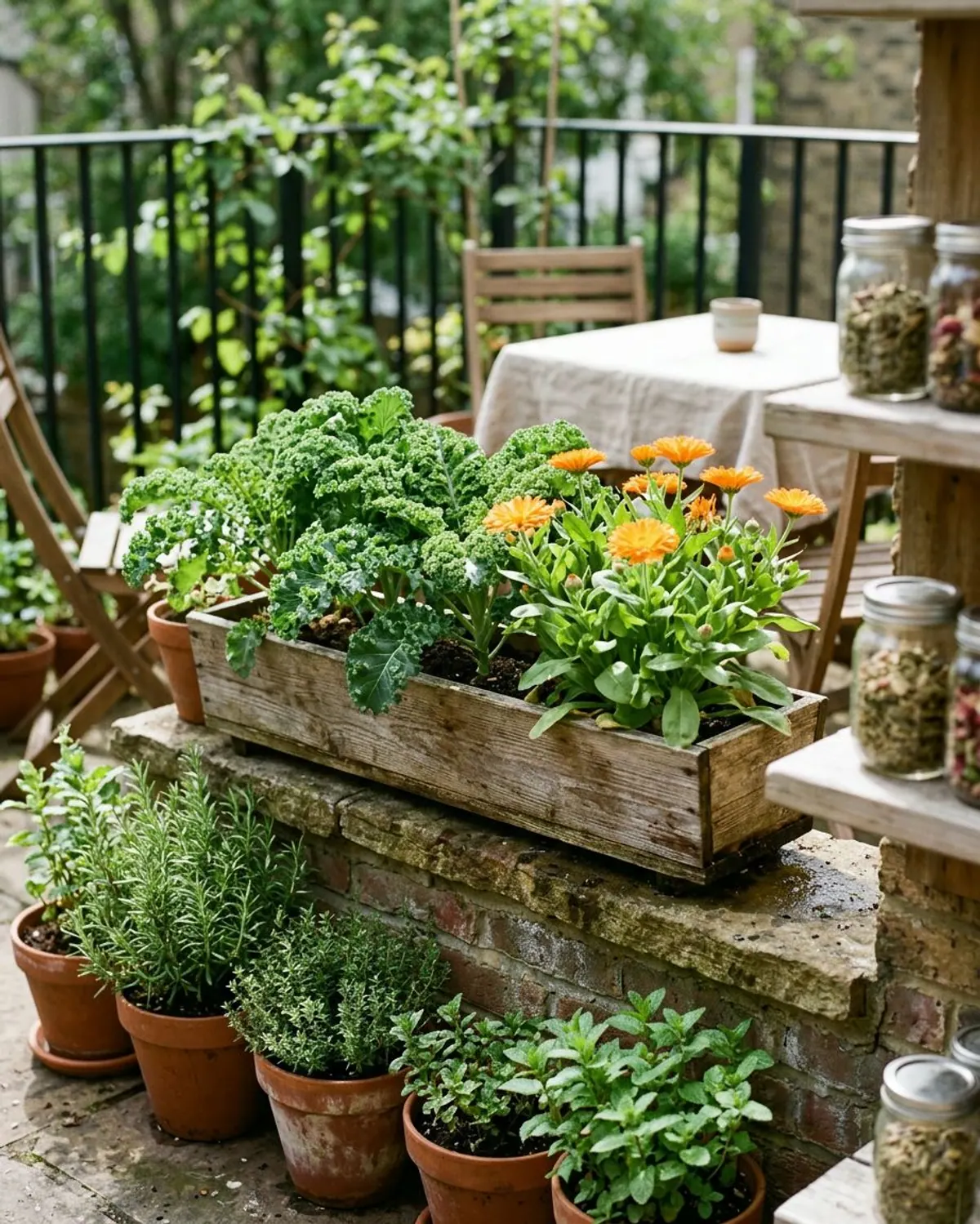
Flowers earn their space too. Penn State lists calendula near collards for aphid predators, and herbs such as rosemary, oregano, basil and thyme draw sweat bees when allowed to bloom. Marigolds are popular, but results from small trials are mixed, so treat them as a pretty bonus.
Bad neighbors: 10 pairings to avoid
| Pairing | Why | Basis |
|---|---|---|
| Mint with any other plant | Runners take over the pot | Care |
| Rosemary with basil | One wants dry roots, the other moist | Care |
| Sage with basil | Same watering mismatch | Care |
| Thyme with parsley | Dry-side herb beside a thirsty one | Care |
| Tomato with potato | Both share late blight | Disease |
| Fennel with most vegetables | Reports vary, so give it its own pot | Tradition, mixed |
| Tomato with cabbage family | Said to compete; roots and light needs differ | Tradition |
| Cucumber with strongly aromatic sage | Said to stunt growth | Tradition |
| Beans or peas with chives | Said to slow growth | Tradition |
| Two tall plants in one small pot | Crowding shades and starves both | Care |
Does companion planting really work?
Sometimes, modestly. A 2024 laboratory study in Plant Cell Reports found tomato plants grown beside basil switched on a wound-response gene faster and more strongly after injury. It was a growth-chamber study, not a field trial, so it shows a mechanism and not a promised yield gain.
Penn State Extension frames the herb pairings as pest confusion and as a way to draw beneficial insects, not as a pesticide. The honest advice: use pairings that cost you nothing, such as basil at the base of a tomato, and do not expect a pairing to fix poor light or watering.
Three small layouts that use the chart
| Layout | What goes in it | Why it works |
|---|---|---|
| 30 inch balcony rail box | 4 loose-leaf lettuce, 2 chives, 1 dill at the end | Dill and lettuce are a listed pairing; chives share even moisture |
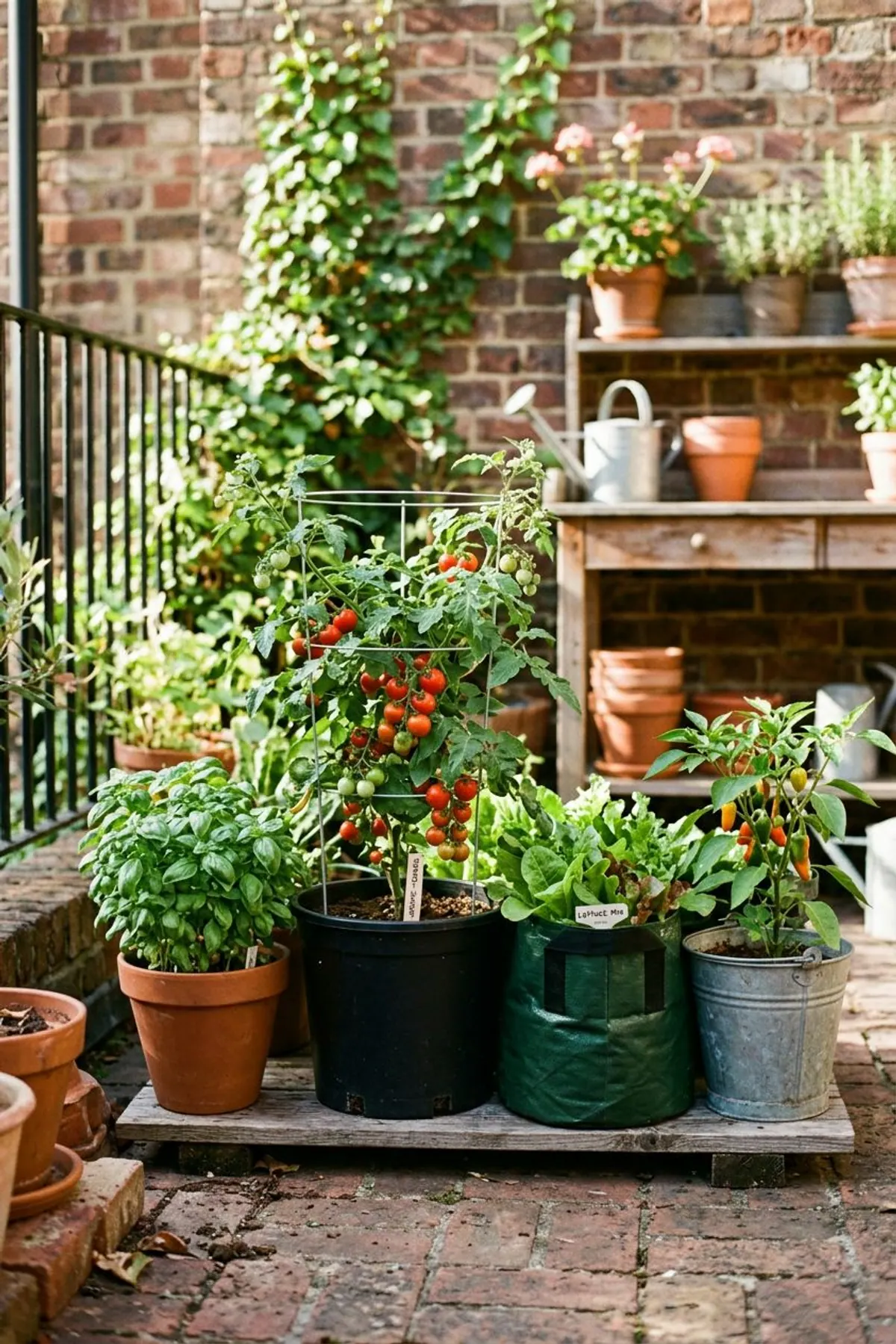
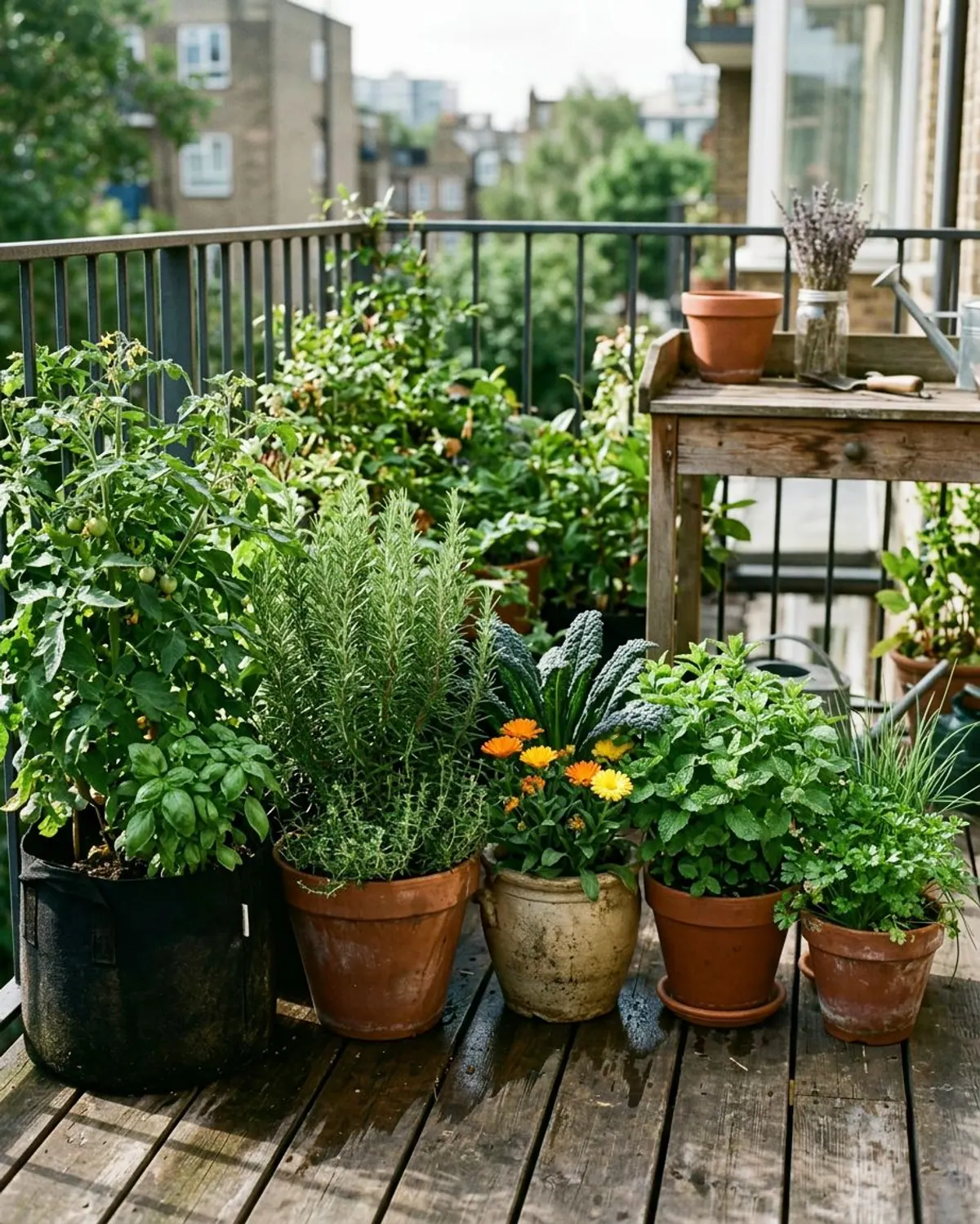
| Five pots on a balcony | 1: tomato with 2 basil. 2: rosemary and thyme. 3: kale with calendula. 4: mint alone. 5: parsley and chives | Each pot groups plants by watering and uses a listed pairing |
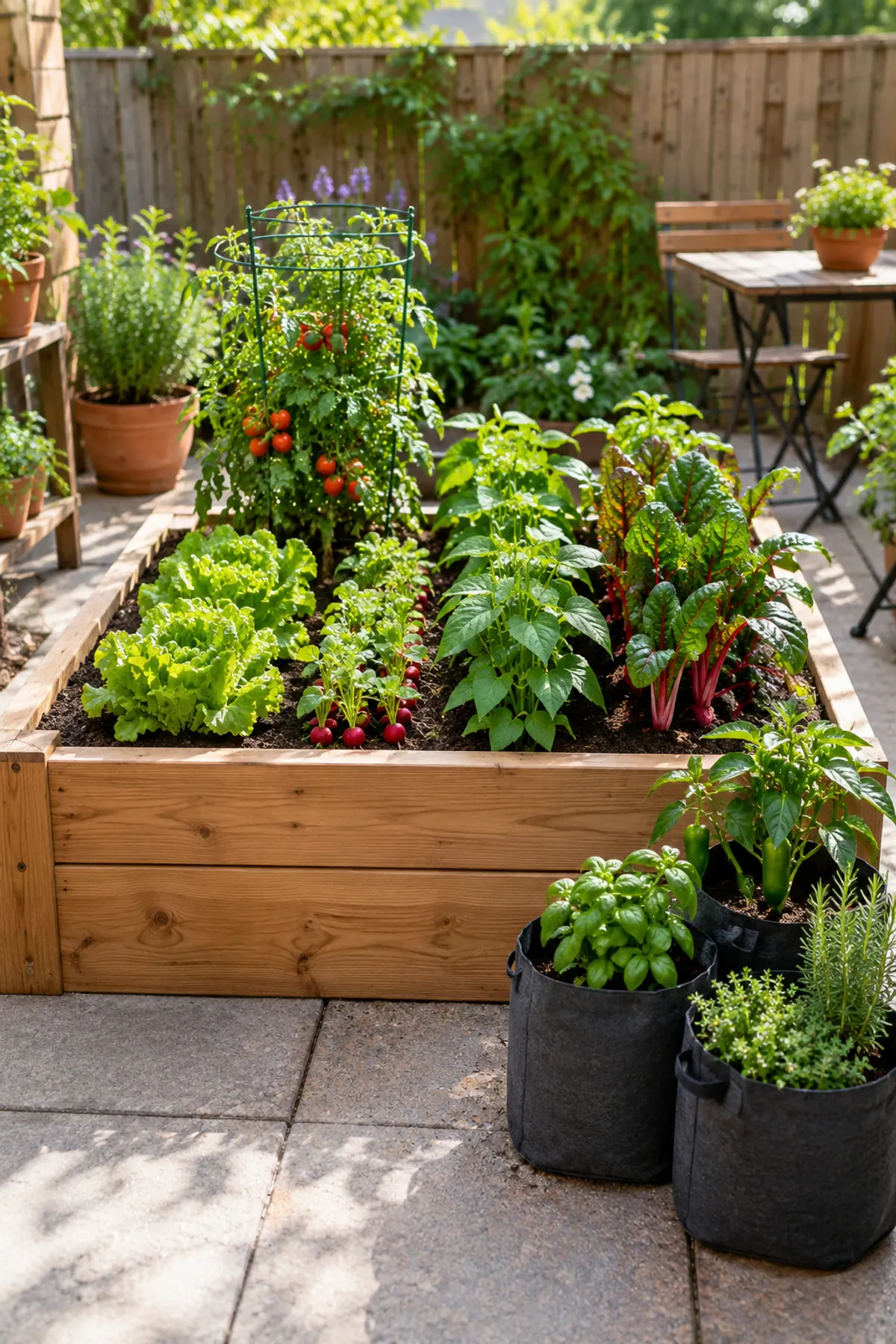
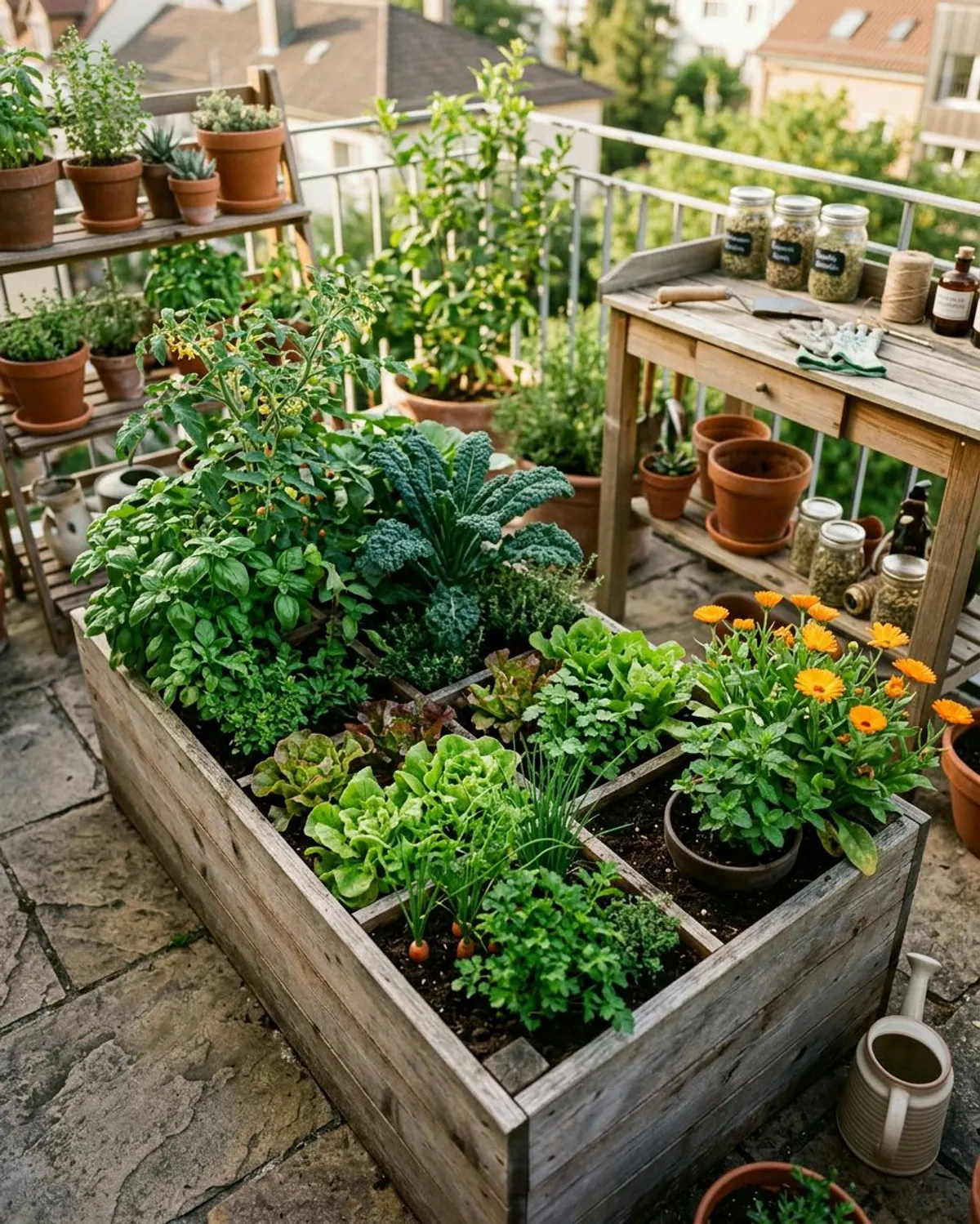
| 2 by 4 foot raised bed (8 squares) | Tomato and basil, kale and thyme, kale and dill, lettuce and cilantro, calendula border, mint in a sunk pot | Eight squares cover most of the extension pairings |
How to print and use the chart
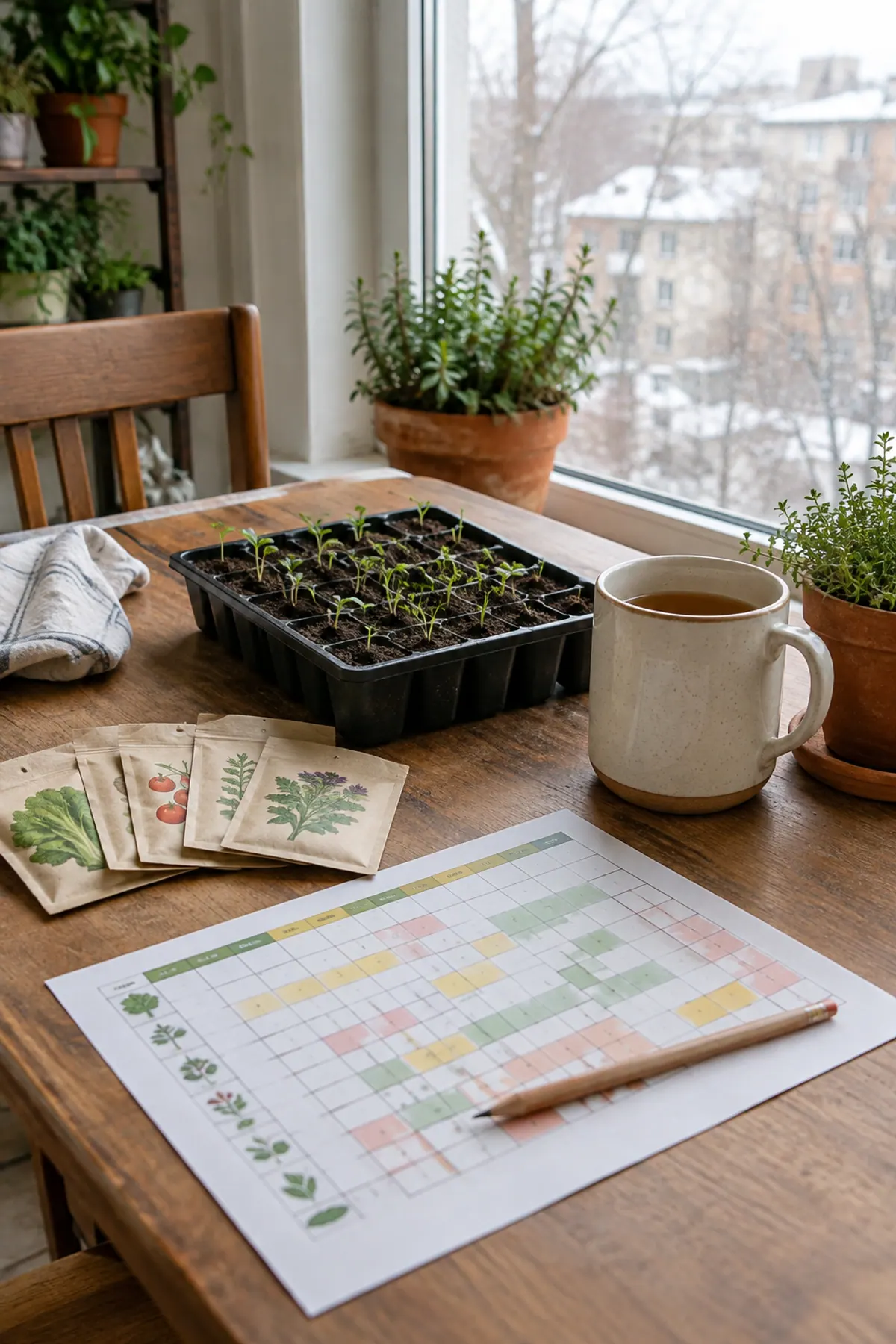
Use your browser's print command on this page. The menus and ads drop out, and the tables print as a clean chart. Clip it to your seed starting calendar or garden notebook, and tick off each pot as you plant.
For a place to record what you actually plant, which pairings you tried and what happened, the Herb Garden Journal has 20 growing cards, one per herb, so you can track real results instead of folklore. Our herb garden ideas for small spaces and container gardening guide show how to set the pots up.
Safety: pets, pregnancy and herbs
This article is general gardening information, not medical advice. If you are pregnant, breastfeeding or taking medication, ask your doctor or pharmacist before using herbs in teas, oils or remedies.
The ASPCA plant list lists mint, chives and marigolds (Tagetes) as toxic to cats and dogs, so place those pots where pets cannot chew them and check any plant you add.
What to buy for a companion planted pot
- Best for tomatoes
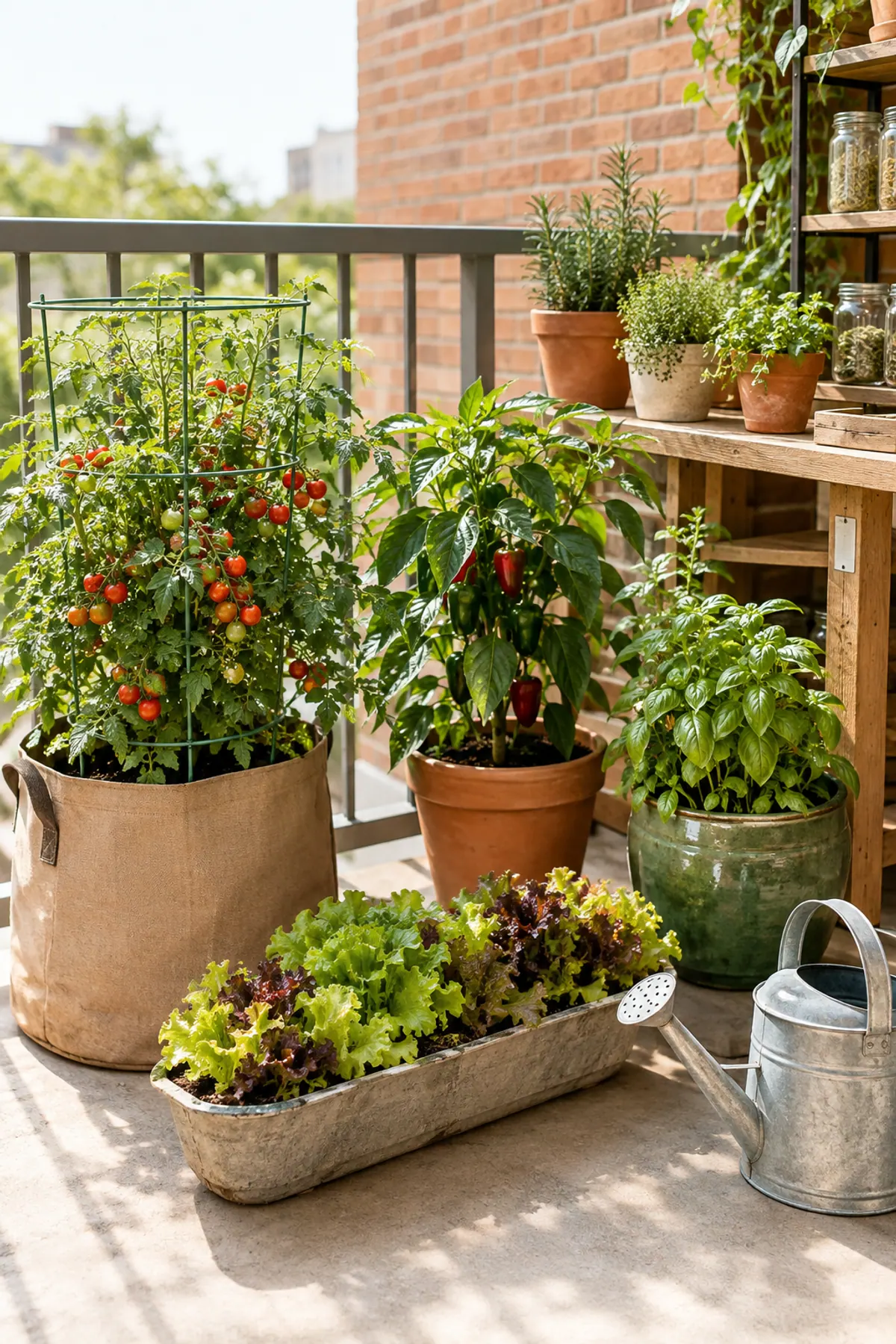
Large 5 gallon fabric grow bag
Typically $12 to $30
Gives a tomato and its basil enough root room.
Check price on Amazon for Large 5 gallon fabric grow bag -
Long window box planter
Typically $15 to $40
Fits a lettuce, chives and dill rail plan.
Check price on Amazon for Long window box planter -
Calendula seed packet
Typically $2 to $6
Flowers that sit beside kale and collards.
Check price on Amazon for Calendula seed packet -
Basil and thyme herb seed set
Typically $8 to $18
Seed for the tomato-side pairings.
Check price on Amazon for Basil and thyme herb seed set -
Cedar raised bed 2 by 4 feet
Typically $45 to $100
The bed for the eight-square plan.
Check price on Amazon for Cedar raised bed 2 by 4 feet -
Plant markers and a waterproof pen
Typically $6 to $14
Label who is paired with whom.
Check price on Amazon for Plant markers and a waterproof pen
Frequently asked questions
What vegetables are best to plant next to each other?
Penn State Extension lists tomatoes with basil and thyme, lettuce with dill and cilantro, eggplant with cilantro and dill, and kale or collards with thyme, sage, dill or calendula.
What vegetables should not be planted next to each other?
Tomatoes and potatoes share late blight, so keep them apart. Many other 'bad neighbor' lists, such as cabbage family with tomato, are tradition with little testing.
What herbs grow well together in a pot?
Group by watering. Rosemary, thyme, oregano and sage like it dry; basil, parsley, cilantro and chives like even moisture. Keep mint in a pot of its own.
Does companion planting actually work?
Sometimes, modestly. Penn State says herbs confuse pests rather than repel them. A 2024 chamber study found basil primed tomato wound responses, but it was not a field yield test.
Can I print this companion planting chart?
Yes. Use your browser's print command on this page; the tables print as a chart without menus.
Save it for later
Pin this to your Small-Space Vegetables board so it's there when you need it.
Save to Pinterest