This post contains affiliate links. As an Amazon Associate we earn from qualifying purchases, at no extra cost to you. Read our disclosure.
Safety first: Herbs can be powerful. If you are pregnant, nursing, take medication or have a health condition, check with your doctor or pharmacist first. Please read our herbal & garden safety notes before you start.
Key takeaways
- Cat-safe first: the ASPCA lists African violet, zebra haworthia, echeveria, baby rubber plant, spider plant and Hoya carnosa as non-toxic to cats and dogs
- Three to skip for cat homes: jade, pothos and kalanchoe are listed as toxic, and true lilies in bouquets are the bigger risk
- Under $15 is realistic for a small pot, and the plant is the part to spend on, since a tag and twine cost a dollar or two
- Write a care card: light, water check, pet line and a spot, so the plant lives past February
- Carry it home warm: a cold car can hurt tropical houseplants
In this post19 sections
- How these Valentine plant gifts were picked
- Teacher Valentine plant gifts that fit a desk
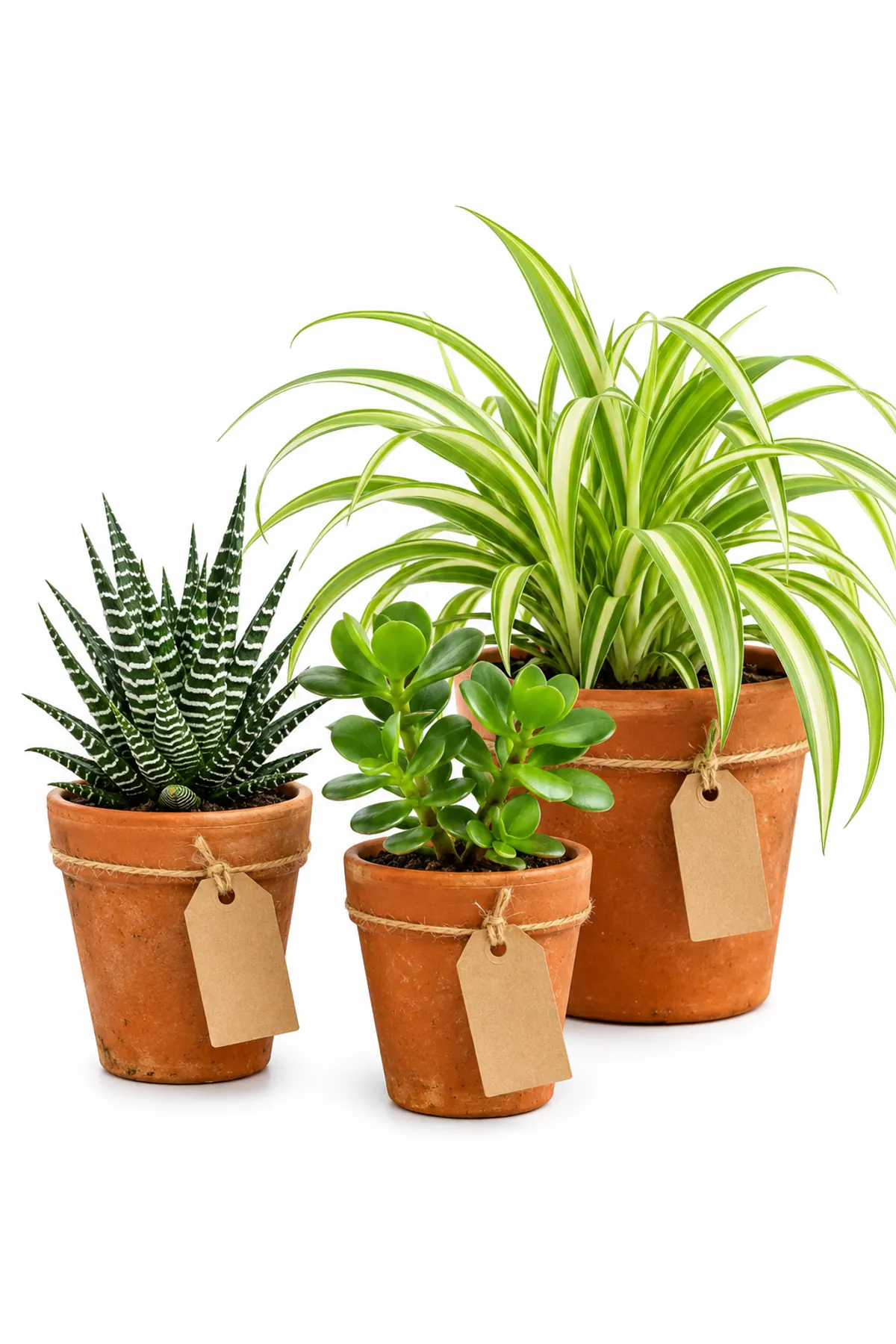
- 1. Zebra haworthia
- 2. Echeveria rosette
- 3. Jade plant
- Roommate plant gifts that forgive a missed watering
- 4. Baby rubber plant (Peperomia obtusifolia)
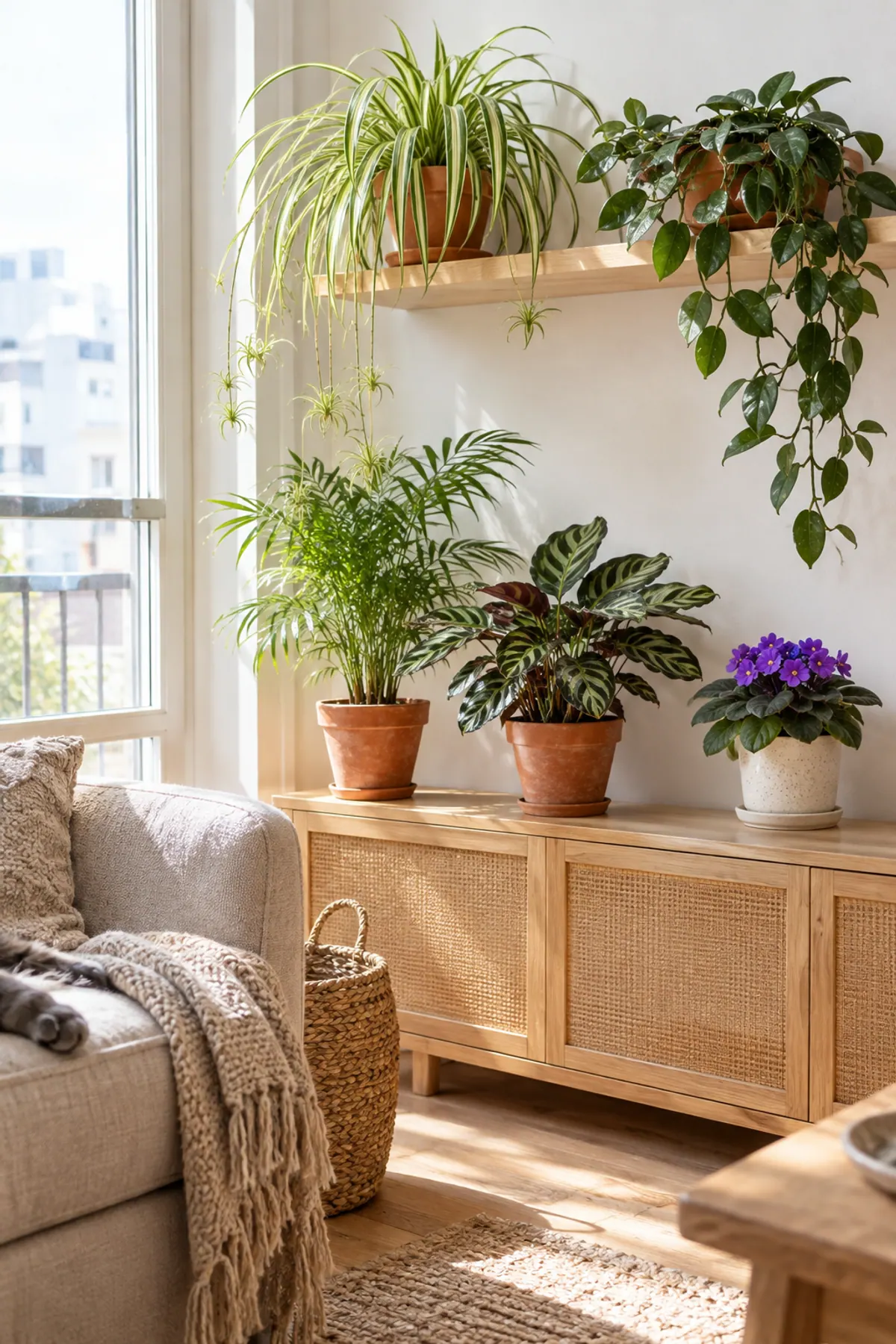
- 5. Spider plant
- 6. Golden pothos
- Valentine plant gift ideas for a partner or a plant-loving friend
- 7. African violet
- 8. Hoya carnosa (wax plant)
- 9. Flowering kalanchoe
- Build a Valentine plant gift for under $15
- What to write on a Valentine plant care card
- Getting a Valentine plant home without chilling it
- Pets and Valentine's Day plants: what to skip
- Shop the Valentine plant gift picks
- FAQ
Some links on this page are Amazon links, and we earn from qualifying purchases at no cost to you. Prices are typical ranges, not quotes, and they change often.
How these Valentine plant gifts were picked
Valentine's Day lands in the dead of winter, when light is low, heating is dry and a lot of gift plants quietly die by March. So each plant here had to pass three checks. It should usually cost under $15 in a small pot, it should handle ordinary indoor winter light, and it needs a clear pet line from the ASPCA toxic and non-toxic plant list.
Six of the nine plants are listed by the ASPCA as non-toxic to cats and dogs. Three are listed as toxic, and they are marked so you can skip them for a home with a cat. Nothing here was tested by us; the care lines are broad starting points from extension services and the plant tag comes first.
| Plant | Good for | ASPCA (cats and dogs) | Typical small-pot price |
|---|---|---|---|
| Zebra haworthia | Teacher | Non-toxic | $5 to $12 |
| Echeveria | Teacher or partner | Non-toxic | $4 to $10 |
| Jade plant | Teacher | Toxic | $6 to $15 |
| Baby rubber plant (Peperomia obtusifolia) | Roommate | Non-toxic | $7 to $15 |
| Spider plant | Roommate | Non-toxic | $8 to $15 |
| Golden pothos | Roommate | Toxic | $6 to $14 |
| African violet | Partner or friend | Non-toxic | $6 to $14 |
| Hoya carnosa | Partner or friend | Non-toxic | $9 to $16 |
| Flowering kalanchoe | Partner or friend | Toxic | $6 to $12 |
Teacher Valentine plant gifts that fit a desk
A teacher's desk is a hard place for a plant: little water, school-night heat, and a long weekend with nobody around. Small succulents suit it. Check your school's gift rules first, and read the pet section below if there is a class pet.
1Zebra haworthia
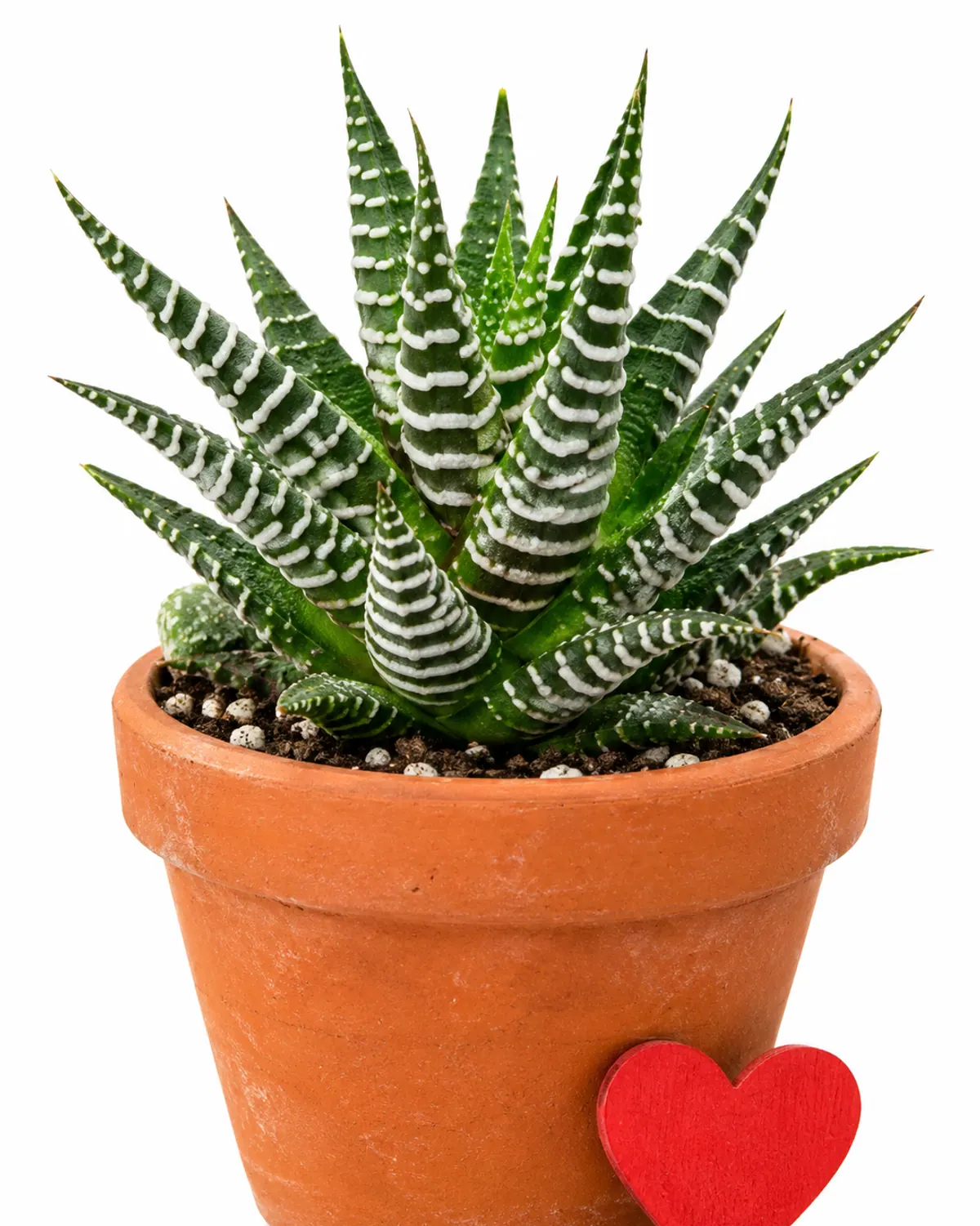
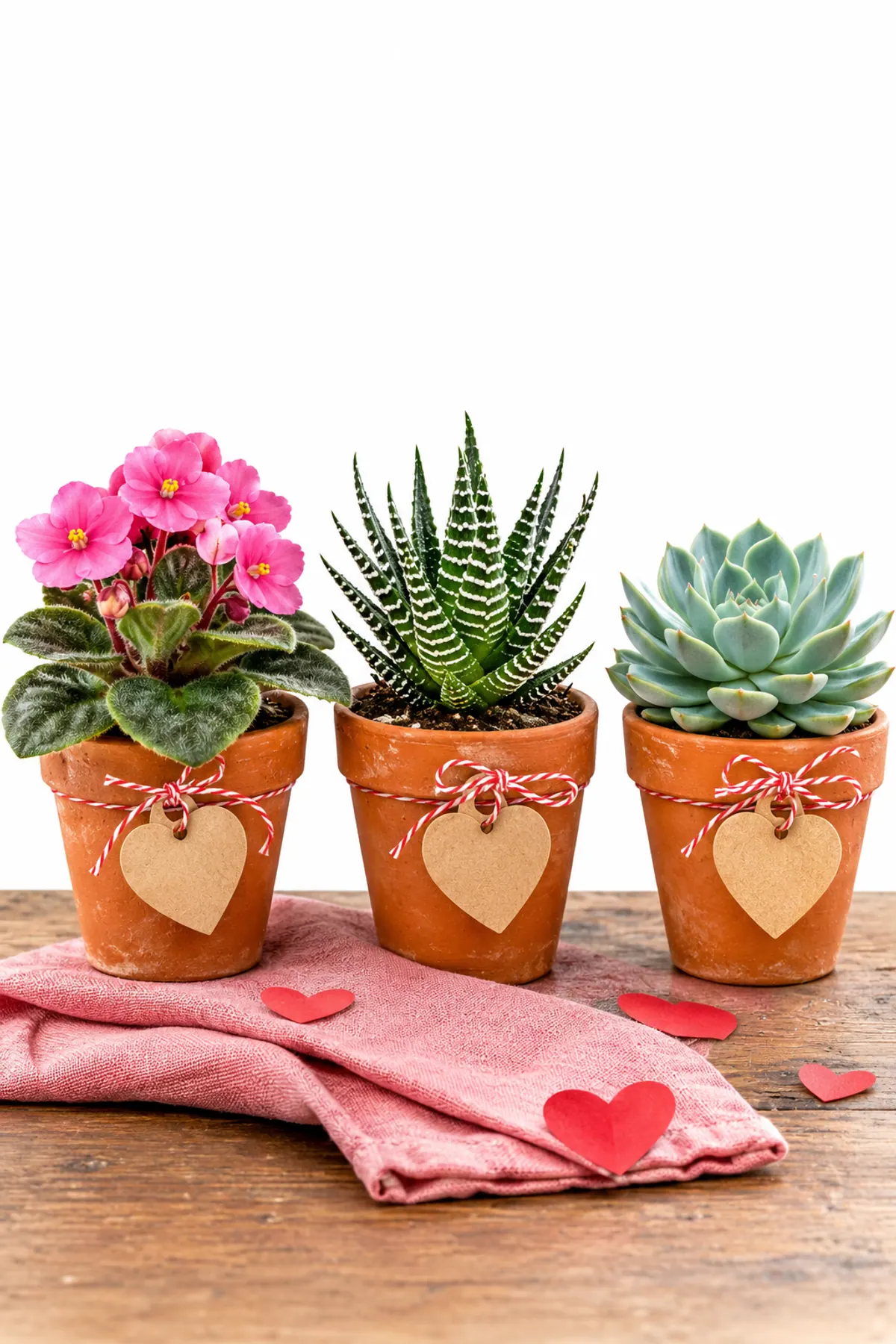
This is the safest plant to hand a teacher you do not know well. It stays small, it is happy in ordinary classroom light, and it needs water only when the soil has dried out completely.
Pet line (ASPCA): non-toxic to cats and dogs.
Price: typically $5 to $12 in a small pot.
Care card line: bright indirect light, water only when the soil is fully dry.
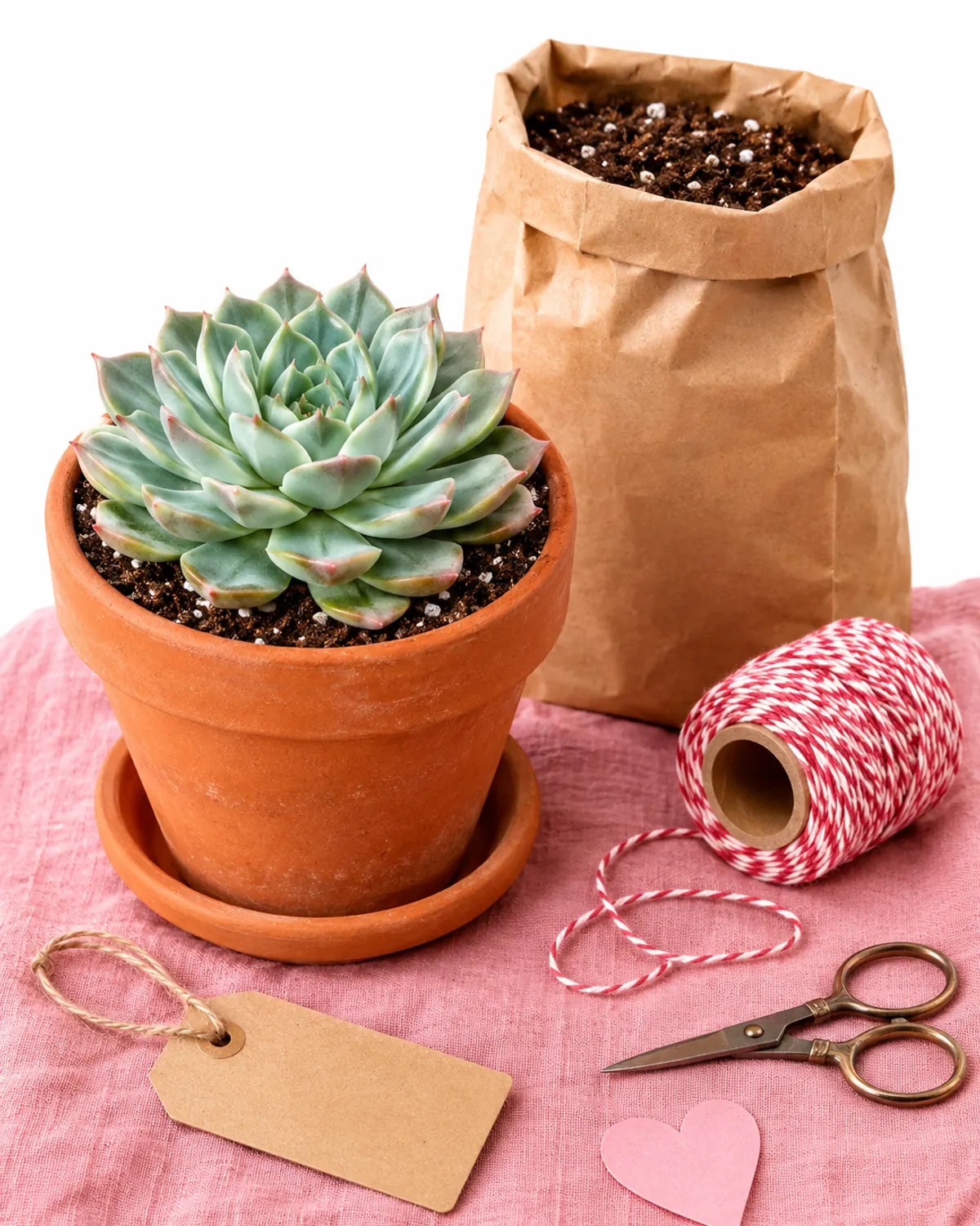
- Tie a paper heart to the pot with twine instead of buying a heart-shaped pot.
Small, slow and forgiving, so it suits a desk with nobody watering it daily.
2Echeveria rosette
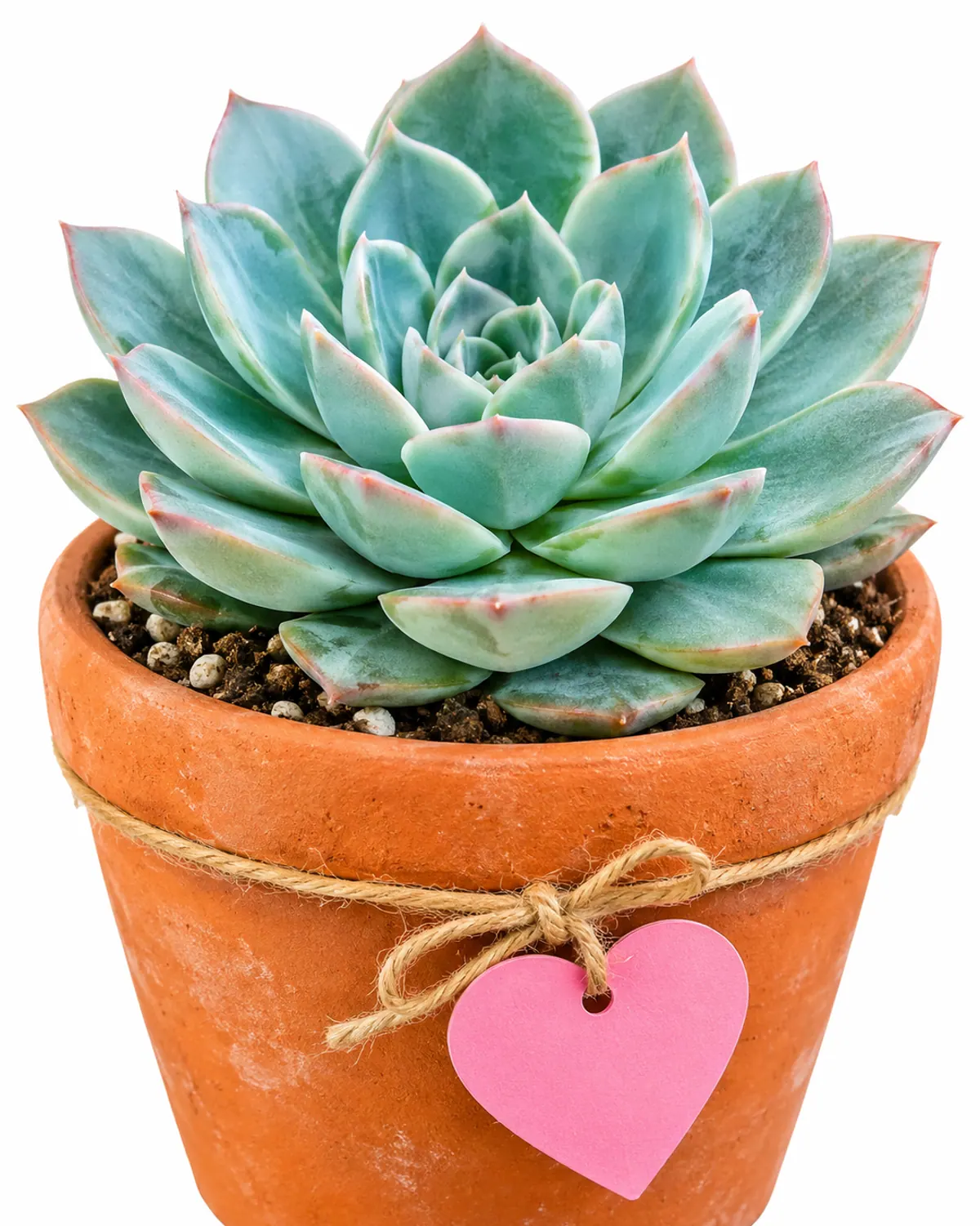
An echeveria forms a tight rosette that looks like a stone rose, so it works as a joke and a real plant. It wants the brightest spot you can give it, so a sunny windowsill suits it better than a shaded desk.
Pet line (ASPCA): non-toxic to cats and dogs.
Price: typically $4 to $10 in a 2 to 3 inch pot.
Care card line: bright light, water when the soil is dry and let it drain.
- Check the label for a drainage hole; a succulent sitting in wet soil is the usual way it dies.
The rosette shape reads as a rose, which is the whole Valentine joke.
3Jade plant
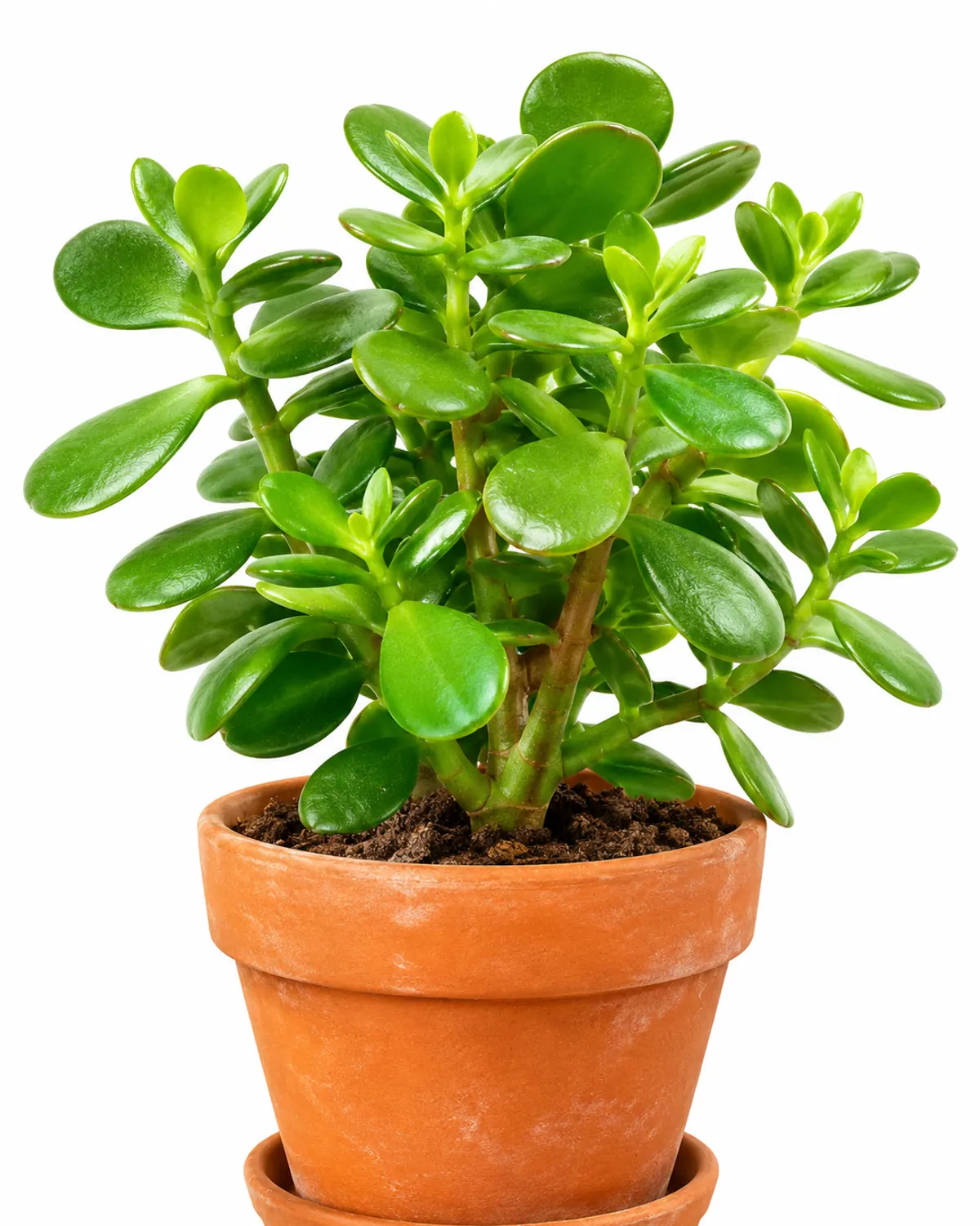
Jade stores water in thick leaves and is the plant people most often call hard to kill. It is also listed by the ASPCA as toxic to cats and dogs, so skip it for a teacher with pets at home unless the care card says so.
Pet line (ASPCA): toxic to cats and dogs.
Price: typically $6 to $15 in a small pot.
Care card line: bright light, water when the soil is dry, keep away from pets.
Thick leaves store water, so it forgives a missed week.
Roommate plant gifts that forgive a missed watering
A roommate gift has to live on a shelf or a counter in a shared space, so it should be tough and cheap and not demand a schedule. Pick one that suits the light in your place, and think about the cat before you buy.
4Baby rubber plant (Peperomia obtusifolia)
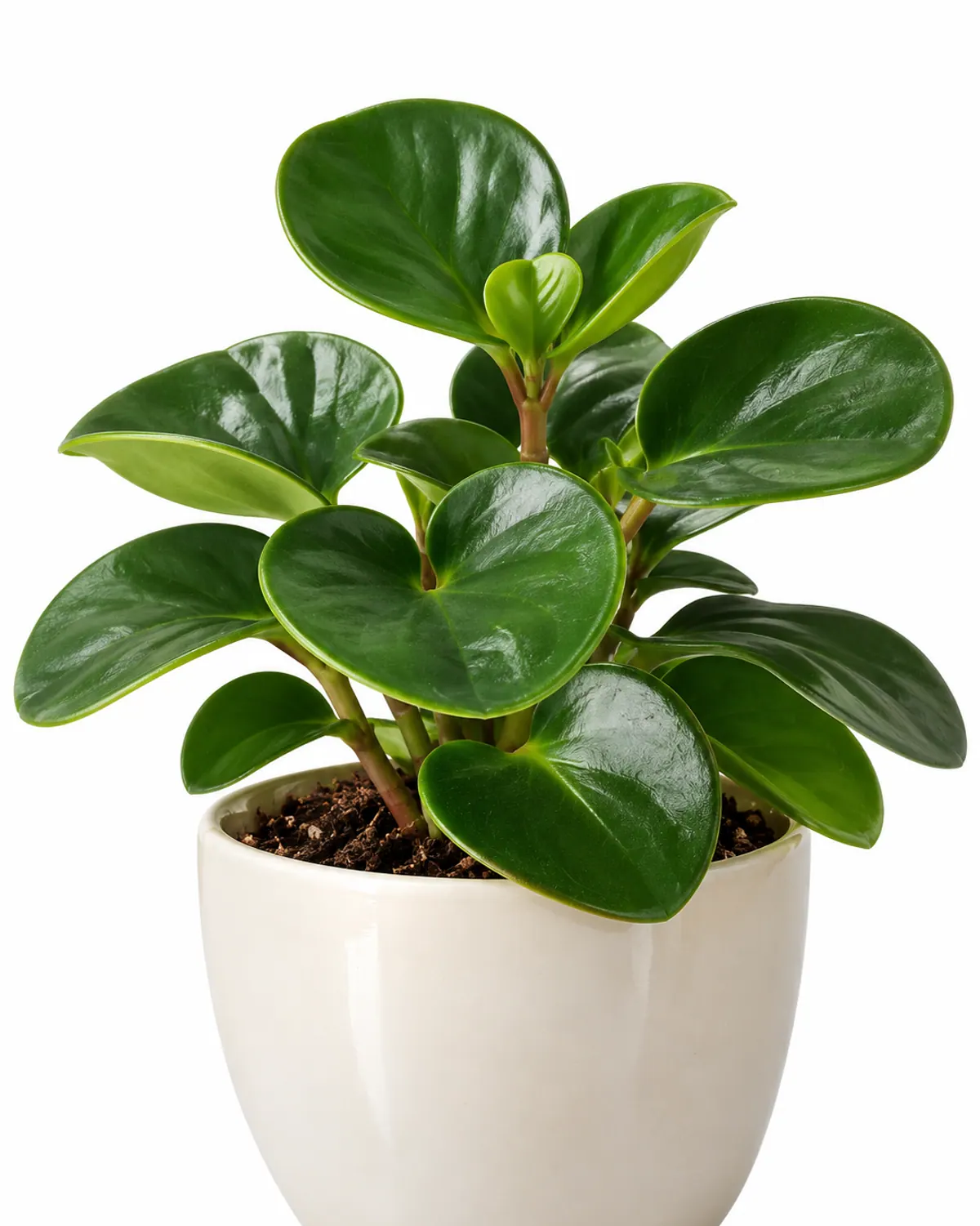
Peperomia obtusifolia has thick, glossy leaves on short stems and stays compact. It is a good match for a kitchen shelf or a bright desk, and it likes to dry out a little between drinks.
Pet line (ASPCA): non-toxic to cats and dogs.
Price: typically $7 to $15 in a small pot.
Care card line: medium to bright indirect light, water when the top inch or two of soil is dry.
Glossy, compact and happy in ordinary room light.
5Spider plant
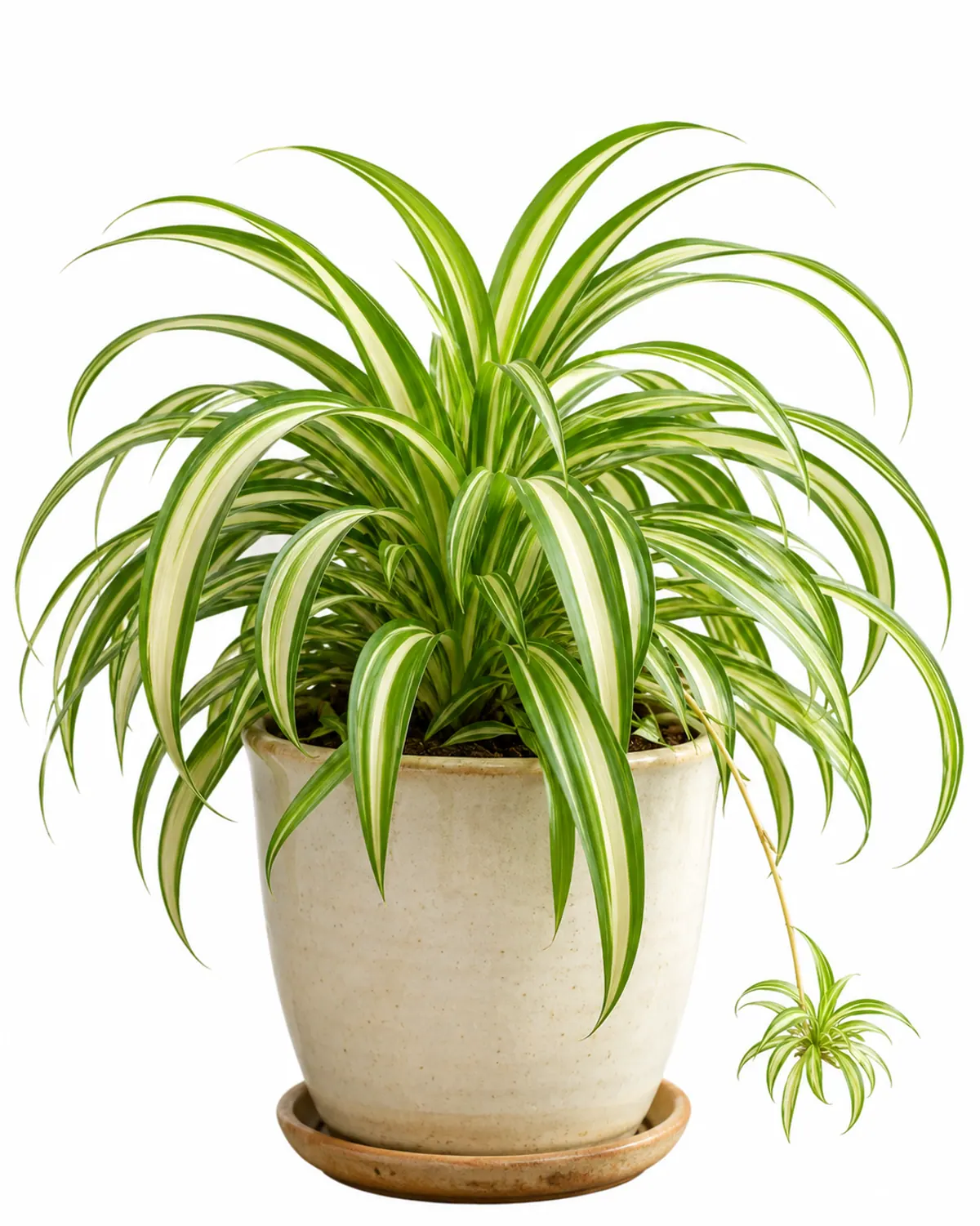
A spider plant is cheerful and fast, and it grows small plantlets you can pot up and give away later. That makes it a good first plant for a roommate who has never kept one.
Pet line (ASPCA): non-toxic to cats and dogs.
Price: typically $8 to $15 in a 4 inch pot.
Care card line: bright indirect light, water when the top inch of soil is dry.
- Cats often chew spider plant leaves. The ASPCA lists it as non-toxic, but a chewed plant is still a mess, so hang it or raise it.
Fast, cheerful and it makes baby plants you can share later.
6Golden pothos
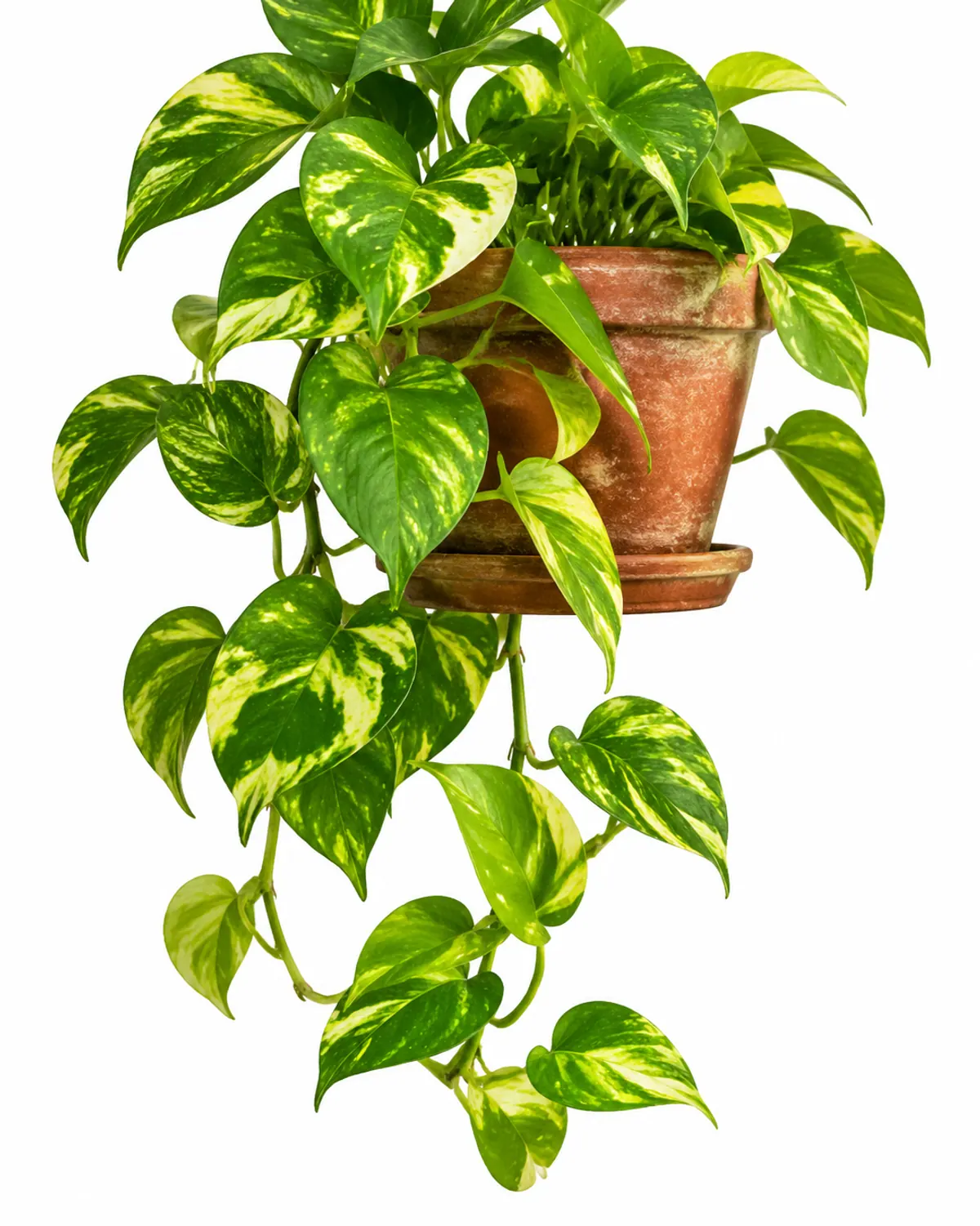
Pothos has heart-shaped leaves, so it suits the day, and it copes with low light better than most. It is also listed by the ASPCA as toxic to cats and dogs, so keep it for a pet-free home. Our pothos care guide covers watering and yellow leaves.
Pet line (ASPCA): toxic to cats and dogs.
Price: typically $6 to $14 in a 4 inch pot.
Care card line: low to bright indirect light, water when the top inch of soil is dry, keep away from pets.
Heart-shaped leaves, trails off a shelf and shrugs off low light.
Valentine plant gift ideas for a partner or a plant-loving friend
For someone you want to impress, flowers help. Each of these three blooms or trails, and each can be bought in a small pot under or near $15.
7African violet
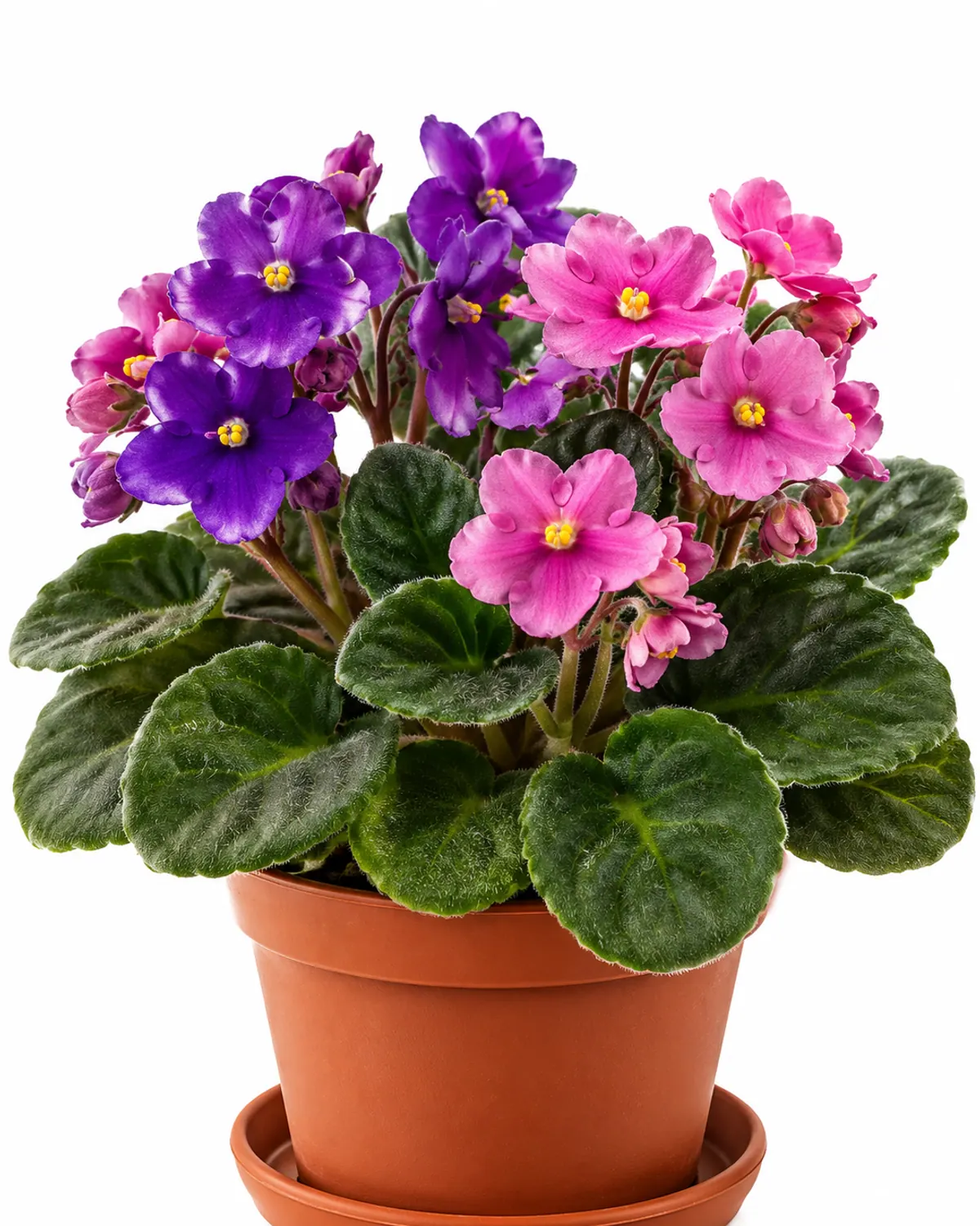
An African violet blooms for weeks in a small pot, so it is the nearest thing to a bouquet that lives past February. It wants bright indirect light and water at the soil, not over the leaves.
Pet line (ASPCA): non-toxic to cats and dogs.
Price: typically $6 to $14 in a small pot.
Care card line: bright indirect light, water when the top of the soil feels dry, keep water off the leaves.
- Pick one with unopened buds, so the flowers last longer in the new home.
Real flowers for weeks, in pink, purple or white, in a pot that fits a windowsill.
8Hoya carnosa (wax plant)
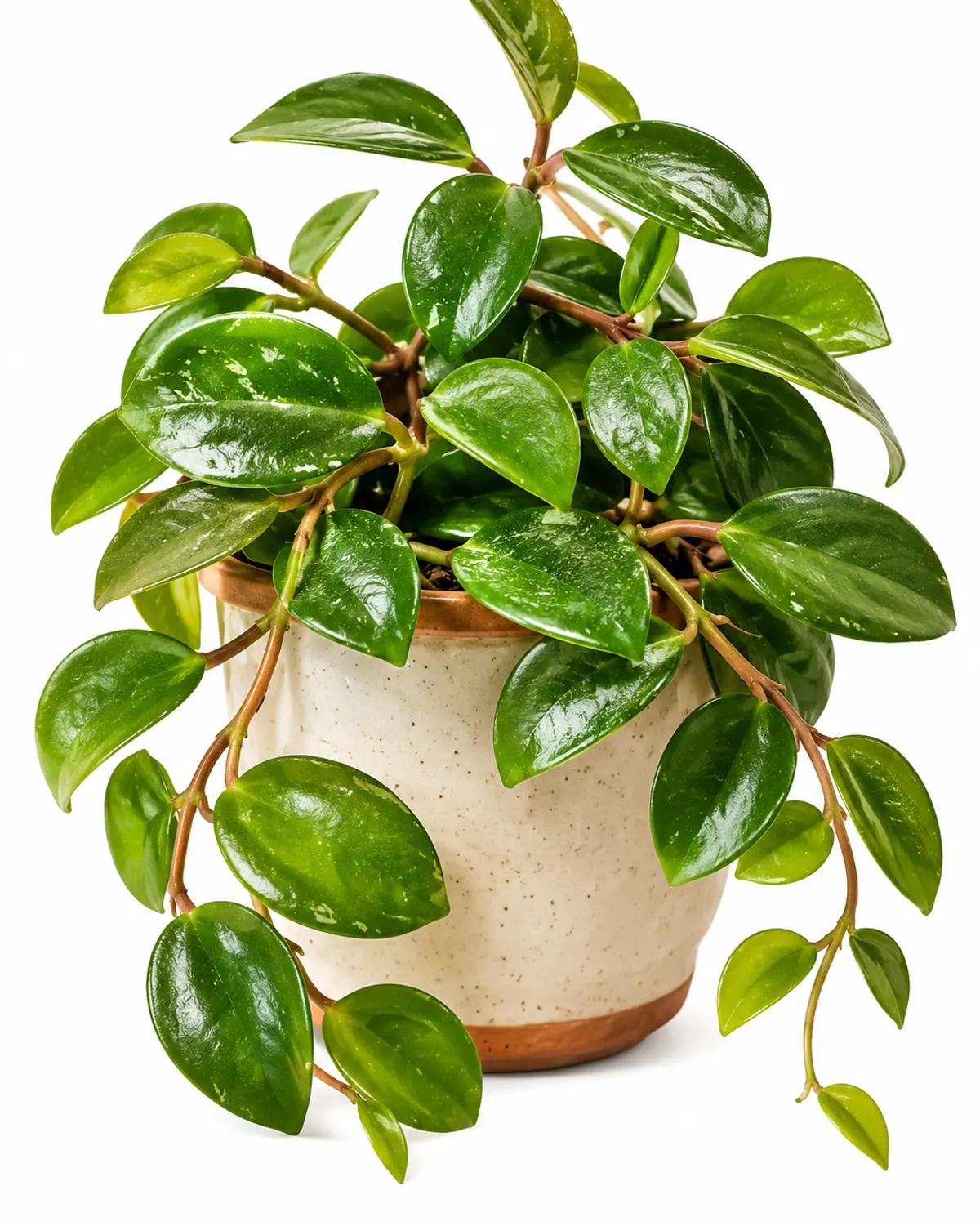
Hoya carnosa is slow, a little glamorous and long lived, and the leaves are thick and waxy. It suits a friend who already has a few plants. A very small pot costs under $15 but a larger one will not.
Pet line (ASPCA): non-toxic to cats and dogs.
Price: typically $9 to $16, with small pots at the low end.
Care card line: bright indirect light, let the soil dry between drinks.
A slow trailing plant with waxy leaves; small pots land under $15, larger ones do not.
9Flowering kalanchoe
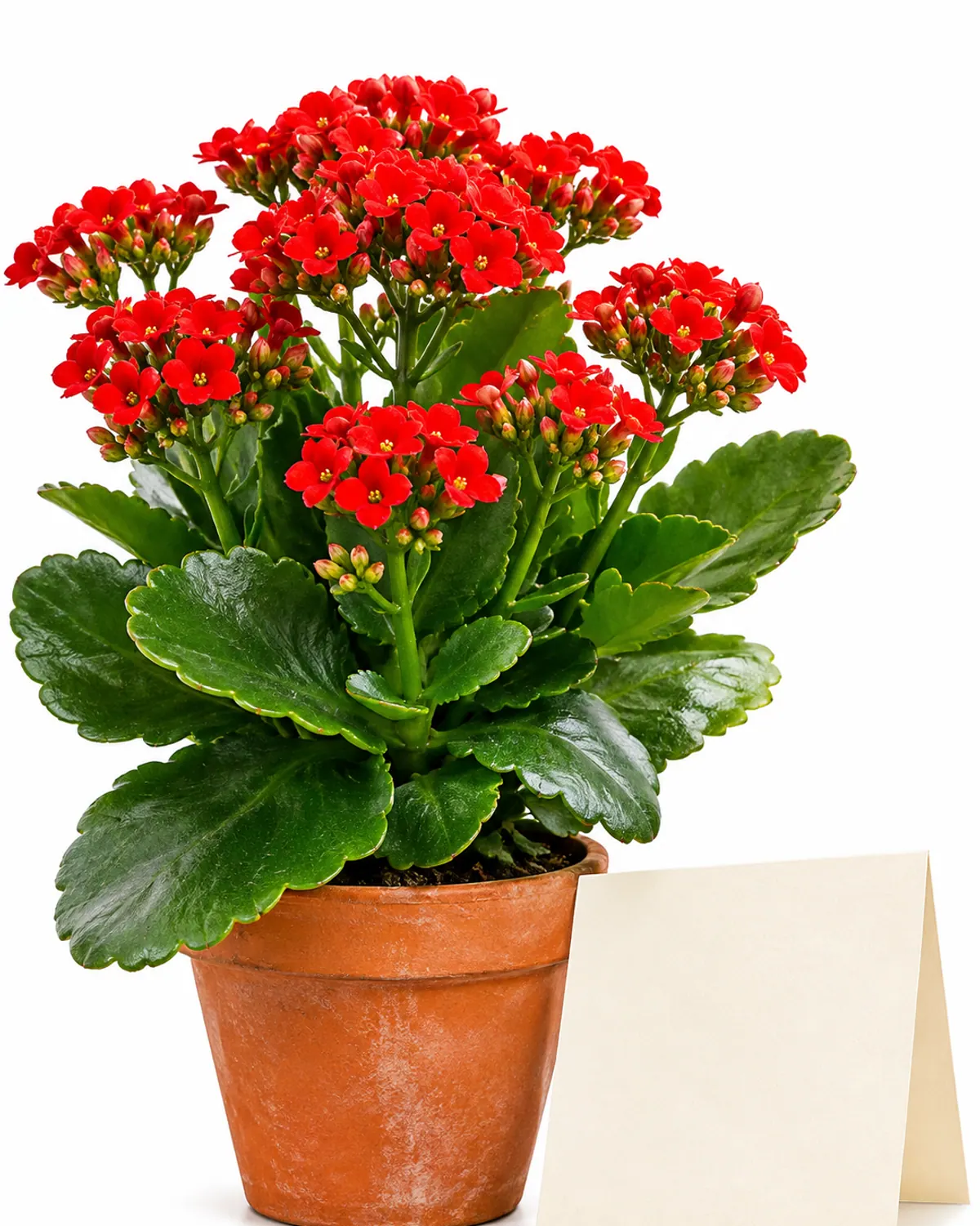
A red kalanchoe gives the look of a Valentine bouquet on a tough succulent, and the flowers can last for weeks. The ASPCA lists it as toxic to cats and dogs, so use it only for a pet-free home. Our kalanchoe care guide covers reblooming.
Pet line (ASPCA): toxic to cats and dogs.
Price: typically $6 to $12 in a 4 inch pot.
Care card line: bright light, water when the soil is dry, keep away from pets.
Bright red or pink flower clusters for weeks, on a tough succulent.
Build a Valentine plant gift for under $15
A gift costs more than the plant. Here are three example builds so you can plan the total before you shop. The totals are examples from the typical ranges above, not quotes.
| Build | Plant | Extras | Example total |
|---|---|---|---|
| Teacher desk gift | Zebra haworthia, $5 to $10 | Kraft tag and twine, $0 to $2 | About $5 to $12 |
| Roommate shelf gift | Spider plant in a 4 inch pot, $8 to $12 | A pot you already own, $0 to $3 | About $8 to $15 |
| Partner windowsill gift | African violet, $6 to $12 | A saucer or paper heart tag, $1 to $3 | About $7 to $15 |
The plant is the part to spend on. A tag and twine cost a dollar or two, and a printed care card costs nothing if you print it at home.
What to write on a Valentine plant care card
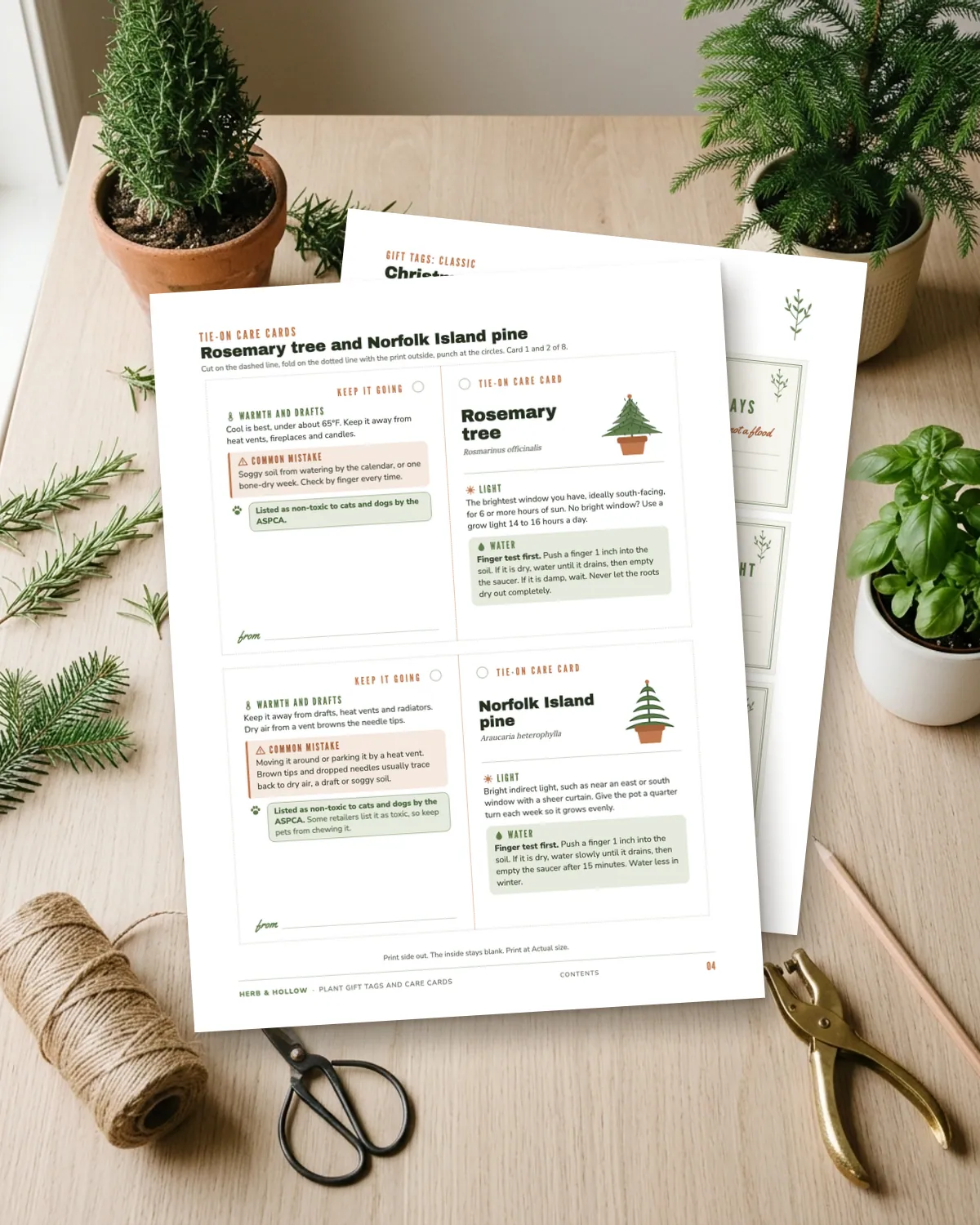
A plant with no instructions is how gift plants die. Write four lines on the card: light, water check, pet line and where to put it. Our guide to what to write on a plant care card has the full wording.
| Plant | Light | Water check | Pets (ASPCA) |
|---|---|---|---|
| Zebra haworthia | Bright indirect | Only when fully dry | Non-toxic |
| Echeveria | Bright, some sun | When dry, let it drain | Non-toxic |
| Baby rubber plant | Medium to bright indirect | Top inch or two dry | Non-toxic |
| Spider plant | Bright indirect | Top inch dry | Non-toxic |
| African violet | Bright indirect | Top of soil dry, keep leaves dry | Non-toxic |
| Hoya carnosa | Bright indirect | Let the soil dry between drinks | Non-toxic |
| Jade, pothos, kalanchoe | Bright to low indirect | Top of soil dry | Toxic, keep from pets |
The Houseplant Care Tracker ($4) goes one step further for the person who keeps the plant. It gives every plant its own page for light, water and feeding, with the finger test and a quick reference showing the ASPCA listing for 20 common houseplants.
Gift-ready in 5 steps
Getting a Valentine plant home without chilling it
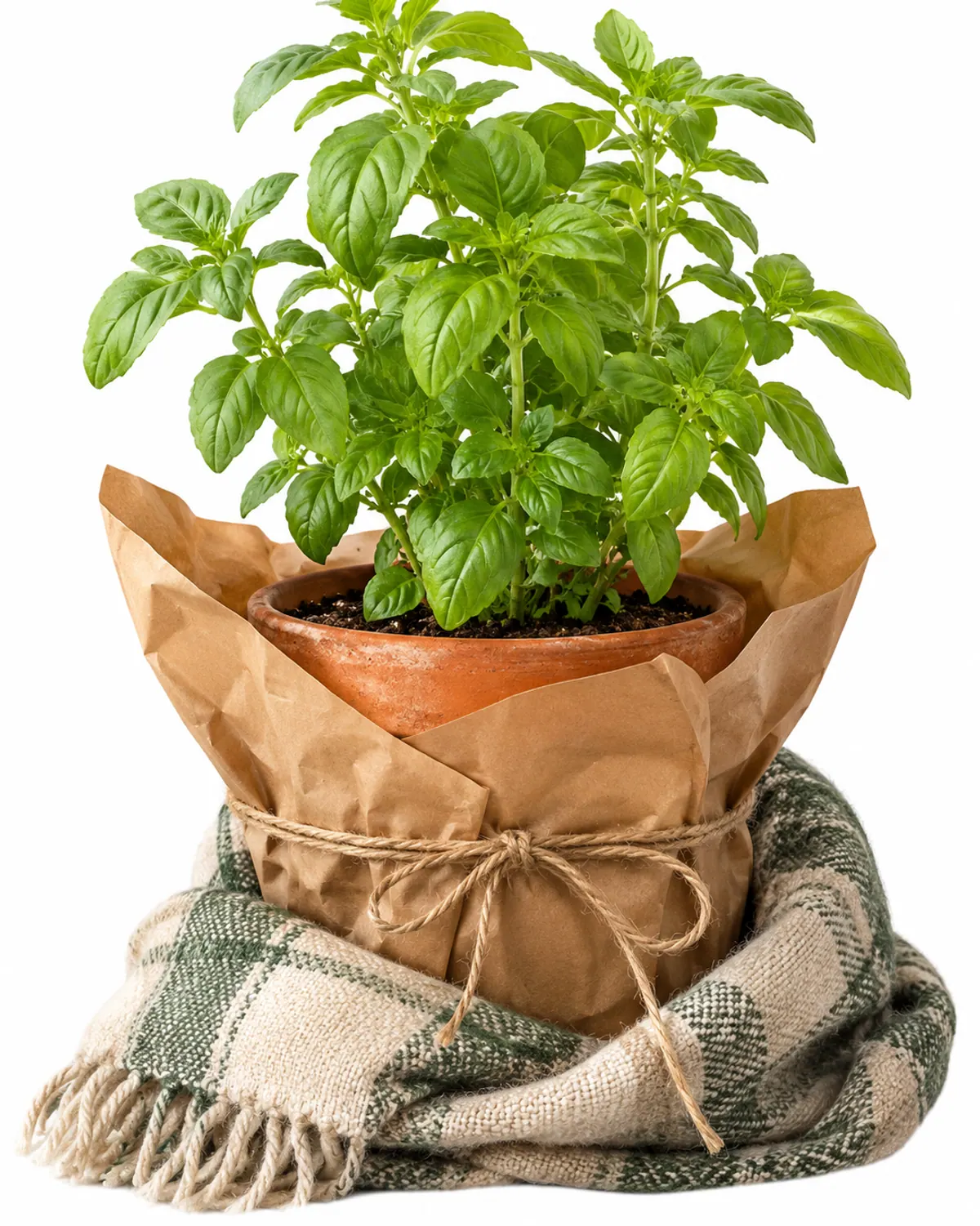
Most houseplants come from warm places, and a cold car can hurt them in a short time. Keep the plant inside a bag or wrapped pot, keep it off the cold floor of the car and carry it straight indoors. If you order a live plant online in winter, choose a seller who ships with a heat pack or ships early in the week, and unpack it the day it arrives.
Pets and Valentine's Day plants: what to skip
The ASPCA lists true lilies (Lilium) and daylilies (Hemerocallis) as toxic to cats, with kidney failure possible, and lilies show up in a lot of Valentine bouquets. It lists cyclamen, kalanchoe, jade and pothos as toxic to cats and dogs too. If the recipient has a cat, pick one of the six plants marked non-toxic, and read our pet-safe houseplants list for more. For wrapping and notes on holiday plants, see our Christmas plant gifts with pet safety notes.
This is general information, not veterinary advice. If a pet chews a plant and seems unwell, call your vet or the ASPCA Animal Poison Control Center at (888) 426-4435 (a fee may apply).
Gifting a teacher? Our teacher plant gift guide covers hardy plants for a cold classroom, and the same prep applies in February.
Shop the Valentine plant gift picks
Valentine plant gift picks and extras
-
Zebra haworthia, small pot
Typically $5 to $12
Small, slow and forgiving, so it suits a desk with nobody watering it daily.
Check price on Amazon for Zebra haworthia, small pot -
Echeveria rosette, 2 to 3 inch pot
Typically $4 to $10
The rosette shape reads as a rose, which is the whole Valentine joke.
Check price on Amazon for Echeveria rosette, 2 to 3 inch pot -
Baby jade plant, small pot
Typically $6 to $15
Thick leaves store water, so it forgives a missed week.
Check price on Amazon for Baby jade plant, small pot -
Baby rubber plant (Peperomia obtusifolia)
Typically $7 to $15
Glossy, compact and happy in ordinary room light.
Check price on Amazon for Baby rubber plant (Peperomia obtusifolia) -
Spider plant, 4 inch pot
Typically $8 to $15
Fast, cheerful and it makes baby plants you can share later.
Check price on Amazon for Spider plant, 4 inch pot -
Golden pothos, 4 inch pot
Typically $6 to $14
Heart-shaped leaves, trails off a shelf and shrugs off low light.
Check price on Amazon for Golden pothos, 4 inch pot -
African violet in bloom, small pot
Typically $6 to $14
Real flowers for weeks, in pink, purple or white, in a pot that fits a windowsill.
Check price on Amazon for African violet in bloom, small pot -
Hoya carnosa (wax plant), small pot
Typically $9 to $16
A slow trailing plant with waxy leaves; small pots land under $15, larger ones do not.
Check price on Amazon for Hoya carnosa (wax plant), small pot -
Flowering kalanchoe, 4 inch pot
Typically $6 to $12
Bright red or pink flower clusters for weeks, on a tough succulent.
Check price on Amazon for Flowering kalanchoe, 4 inch pot -
Terracotta pots with saucers, 3 to 4 inch (set)
Typically $10 to $20
Drainage holes and a saucer protect the table and the roots.
Check price on Amazon for Terracotta pots with saucers, 3 to 4 inch (set) -
Cactus and succulent potting mix
Typically $7 to $14
Fast-draining mix for haworthia, echeveria and jade.
Check price on Amazon for Cactus and succulent potting mix -
Kraft gift tags with twine
Typically $6 to $12
Hang the care card and a message from the pot.
Check price on Amazon for Kraft gift tags with twine -
Heart-shaped ceramic planter with drainage hole
Typically $10 to $25
A Valentine pot that still lets water out; skip any heart pot without a hole.
Check price on Amazon for Heart-shaped ceramic planter with drainage hole
We earn from qualifying purchases, which never changes what we recommend. Read our disclosure and editorial guidelines.
Want the whole plant year on paper, from sowing to winter care? The Herb Garden Binder ($25) holds all nine Herb & Hollow printables, including the Houseplant Care Tracker.
Care lines are broad starting points and the tag on your plant comes first. This guide is gardening information, not medical or veterinary advice.
Frequently asked questions
What is a good Valentine's plant gift under $15?
A zebra haworthia, an echeveria, a spider plant, a baby rubber plant or an African violet in a small pot usually fits under $15 and handles ordinary indoor winter light. The ASPCA lists all five as non-toxic to cats and dogs.
Which Valentine plant gifts are safe for cats?
The ASPCA lists African violet, zebra haworthia, echeveria, baby rubber plant, spider plant and Hoya carnosa as non-toxic to cats and dogs. It lists jade, pothos and kalanchoe as toxic. Any plant can still upset a pet's stomach if chewed.
What is a good Valentine's gift plant for a teacher?
A zebra haworthia or an echeveria in a small pot suits a desk, needs little water and is listed by the ASPCA as non-toxic. Add a care card so the teacher knows to water only when the soil is dry, and check the school's gift rules first.
Will a plant bought for Valentine's Day last past February?
Hardy small plants usually can if they get light, are watered only when the soil is dry and are kept away from cold glass and drafts. A card with the light and water lines on it helps the new owner.
Are Valentine's Day lilies safe for cats?
No. The ASPCA lists true lilies (Lilium) and daylilies (Hemerocallis) as toxic to cats, with kidney failure possible. For a cat home, choose a non-toxic plant instead and see the ASPCA list.
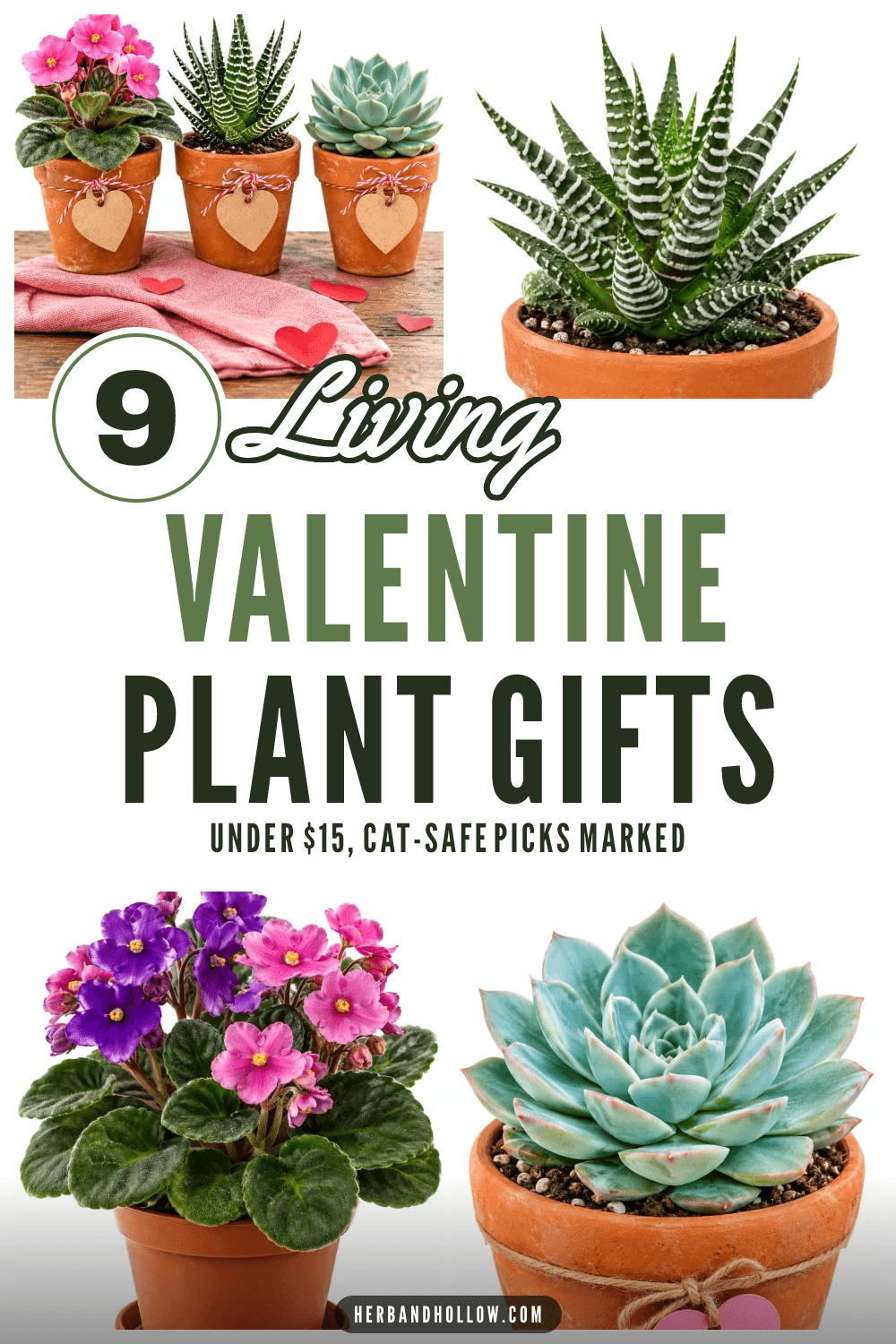
Save it for later
Pin this to your Houseplants board so it's there when you need it.
Save to Pinterest