This post contains affiliate links. As an Amazon Associate we earn from qualifying purchases, at no extra cost to you. Read our disclosure.
Safety first: Herbs can be powerful. If you are pregnant, nursing, take medication or have a health condition, check with your doctor or pharmacist first. Please read our herbal & garden safety notes before you start.
Key takeaways
- Bright light and a dry-between-waterings routine are the core of kalanchoe care; overwatering is the main cause of damage
- To rebloom, give about 14 hours of uninterrupted darkness nightly for about 6 weeks, then expect flowers about 12 weeks after you start
- Once buds show above the leaves, day length no longer matters and the plant can go back to a bright window
- Kalanchoe is toxic to dogs and cats according to the ASPCA, so keep it out of reach
- Night temperatures above 80F during the dark period can delay flowering
In this post10 sections
Kalanchoe care indoors at a glance
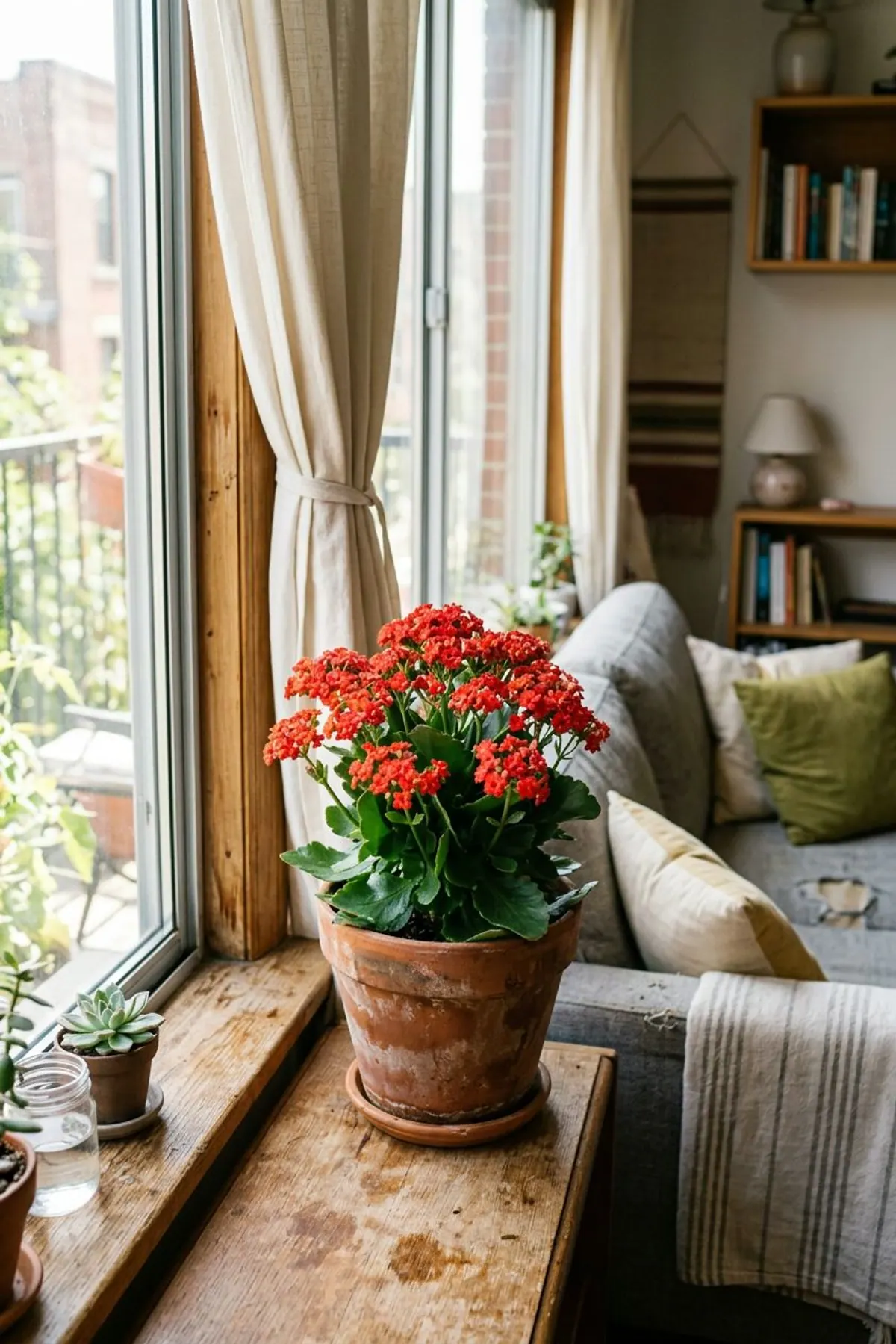
Kalanchoe is a succulent, so it stores water in its thick leaves and forgives a missed watering better than an extra one. It is often given as a holiday gift plant in bloom, and with a little scheduling it flowers again the next winter. The table below follows the Clemson HGIC factsheet, which we used as the main source.
| Need | What to do | Source |
|---|---|---|
| Light | Bright light; full sun is best, tolerates bright indoor light | Clemson HGIC |
| Water | Let the soil dry slightly between waterings; never let the pot sit in water | Clemson HGIC |
| Soil | Well-drained potting mix | Clemson HGIC |
| Temperature | Cool nights prolong flowering; above 80F during the long-night period can delay buds | Clemson HGIC |
| Feeding | Monthly with any houseplant fertilizer while growing | Clemson HGIC |
Light for a kalanchoe
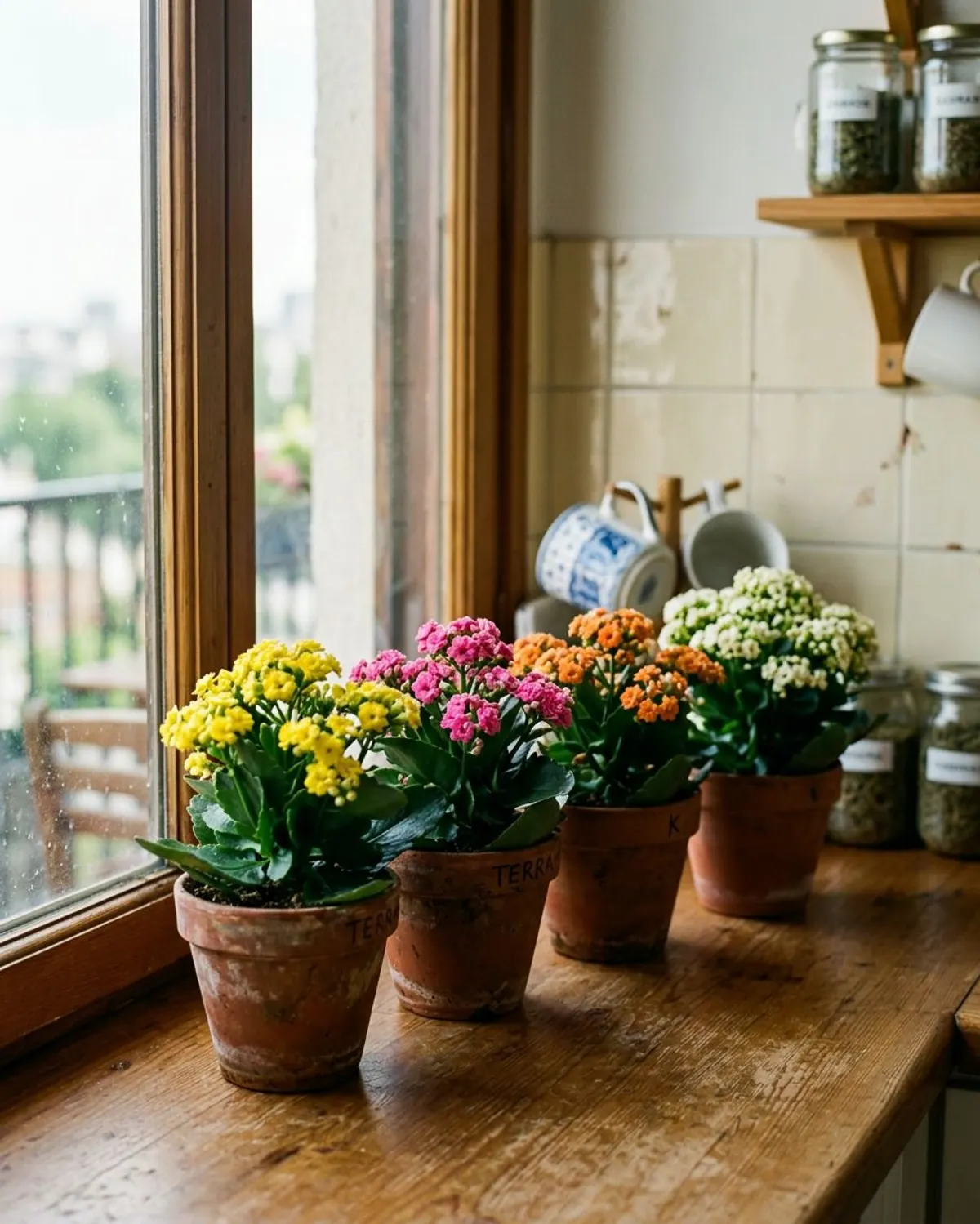
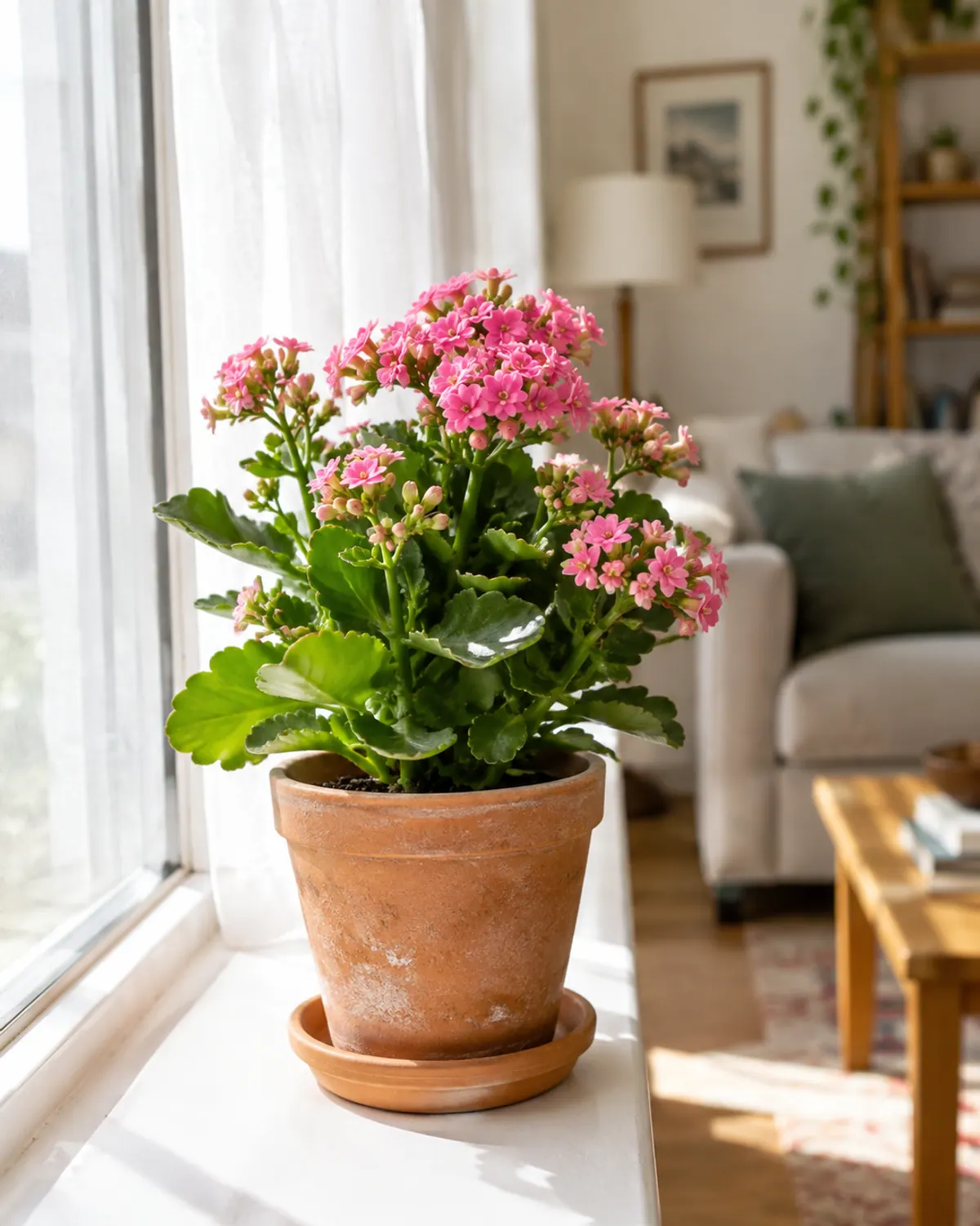
Give it your brightest window. Clemson HGIC says kalanchoe grows best in full sun and tolerates bright indoor light, but turns leggy in low light. A south or west window works best in winter, and a sheer curtain is fine if the glass is very hot.
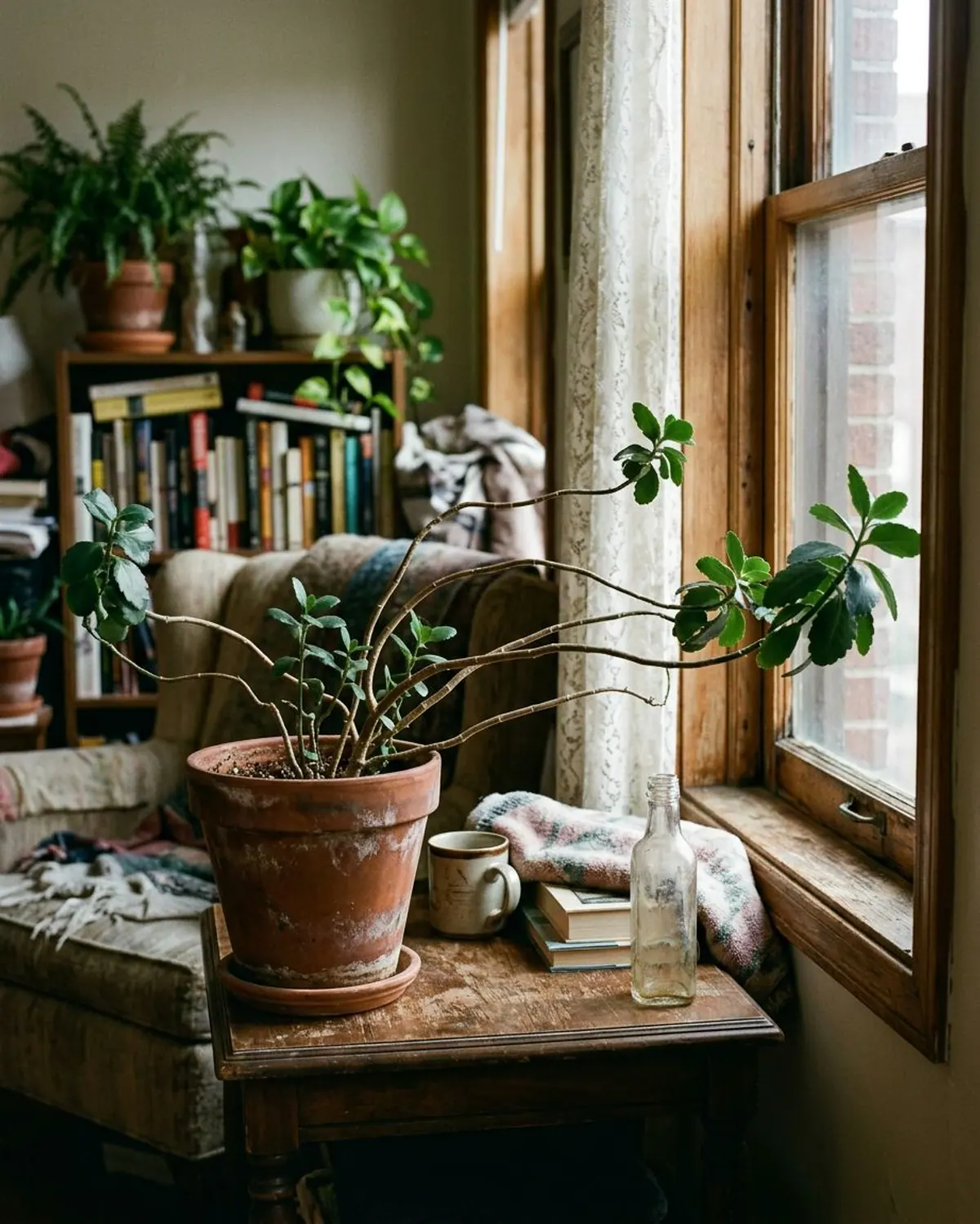
A stretched plant with pale, widely spaced leaves is asking for more light. Move it closer to the glass, or add a grow light for the winter months.
How to water a kalanchoe
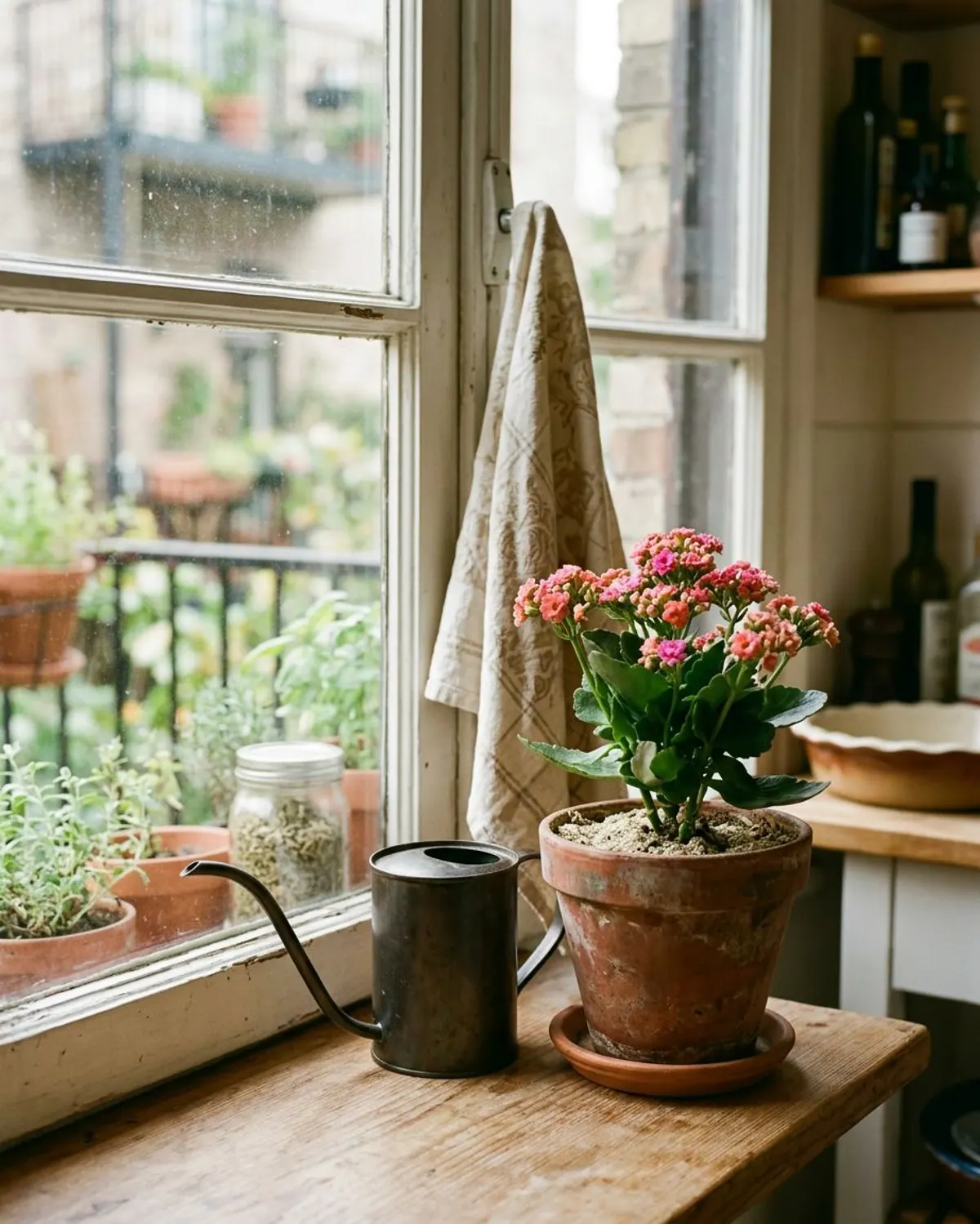
Water only when the soil has dried out. Clemson HGIC says to let it dry slightly between waterings, calls overwatering the main cause of damage and says not to let the pot sit in water. Pour until water drains from the bottom, then empty the saucer.
Foil-wrapped gift pots often have no drainage hole. Slip the plant out of the foil, or poke holes in it, so roots do not sit in a puddle. In winter the plant uses less water, so stretch the gap between waterings.
Soil and pot
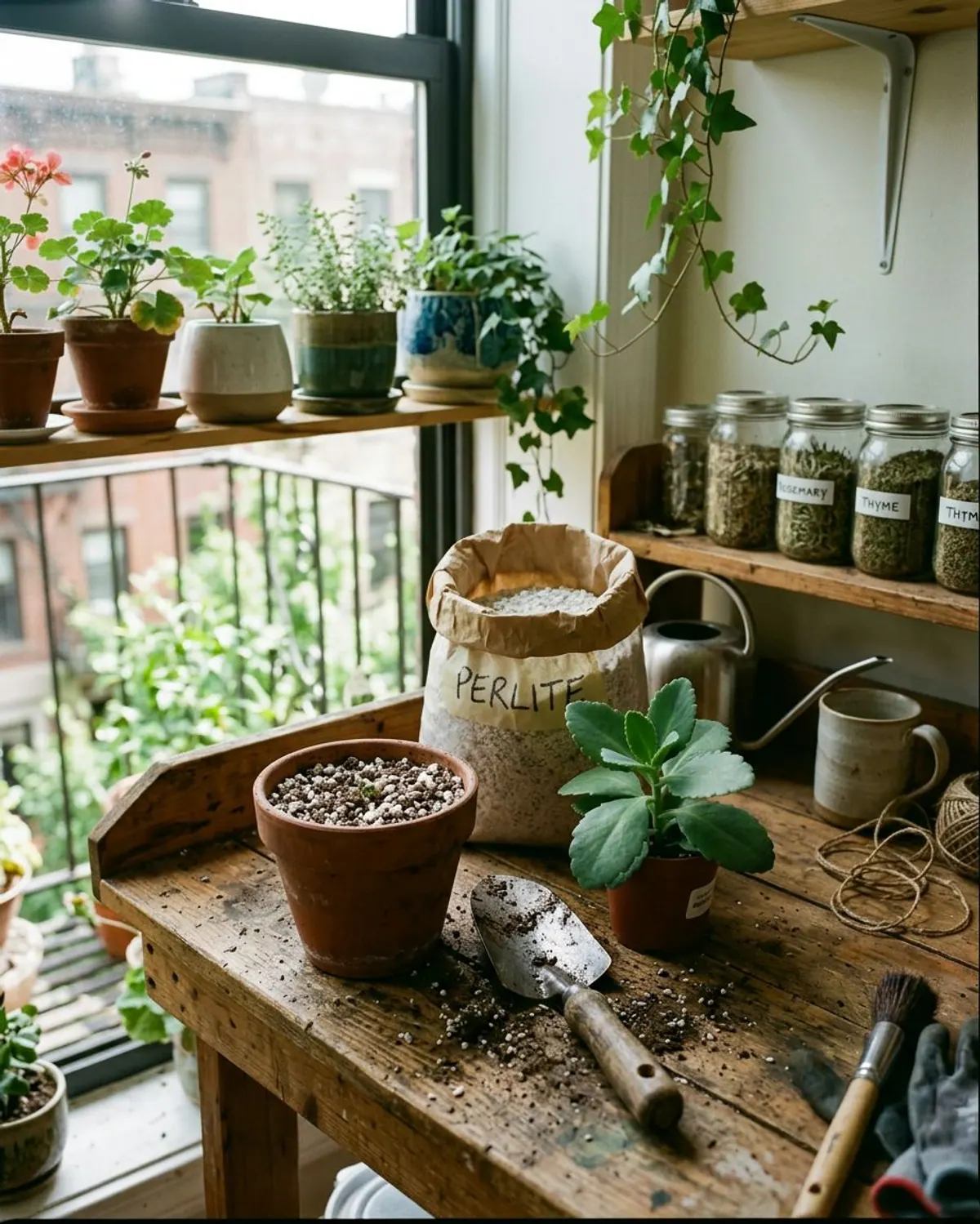
Use a well-drained potting mix. For reblooming plants, Clemson HGIC suggests about 60% peat moss and 40% perlite. A bagged cactus and succulent mix with extra perlite works the same way, and a terracotta pot with a drainage hole helps the soil dry evenly.
How to make a kalanchoe rebloom
Kalanchoe is a short-day plant: it sets flower buds when nights are long. Clemson HGIC says it needs short days and long nights to set buds, with about six weeks of natural winter day length and a night length of 14 to 16 hours. Natural day length from about October 1 to March 1 allows bud formation.
Indoors, street lights and lamps can interrupt that darkness, so many plants need help. The method below gives a full 14 hours of dark each night.
-
Step 1: Choose a start date
Begin in early fall if you want winter flowers. Clemson says plants given short days from early October bloom by January, about 12 weeks later.
-
Step 2: Give 14 hours of uninterrupted darkness
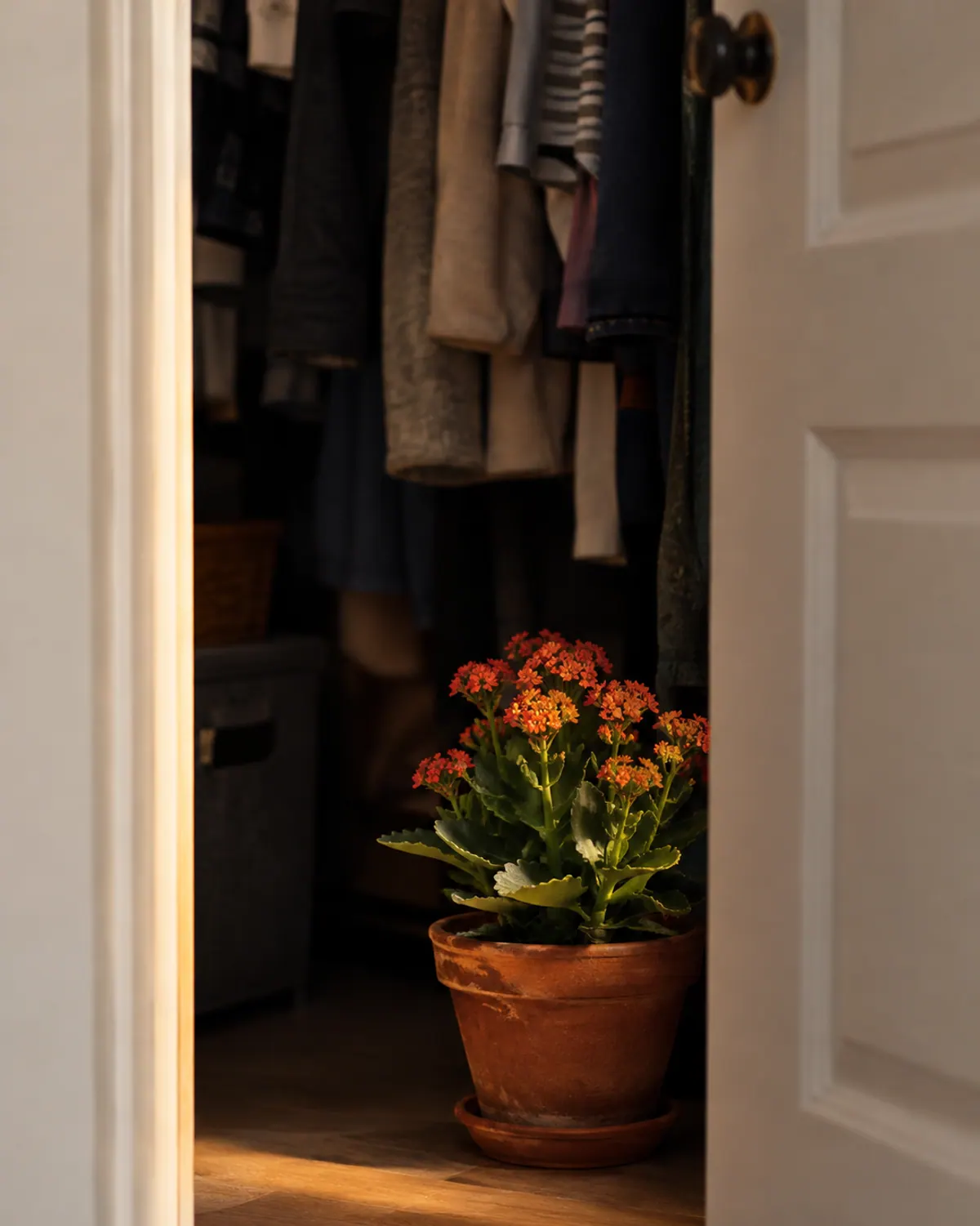
Each evening, move the pot to a closet or cover it with a box that blocks all light, for example from 6 pm to 8 am. Even a short light in the dark period can interrupt the signal, so keep the door shut.
-
Step 3: Give bright light the other 10 hours
In the morning, put it back in your brightest window. It needs strong light in the day to build buds.
-
Step 4: Keep it cool and water lightly
Cool nights prolong flowering, and above 80F in the dark period can delay buds. Water only when the soil is dry.
-
Step 5: Repeat for about six weeks
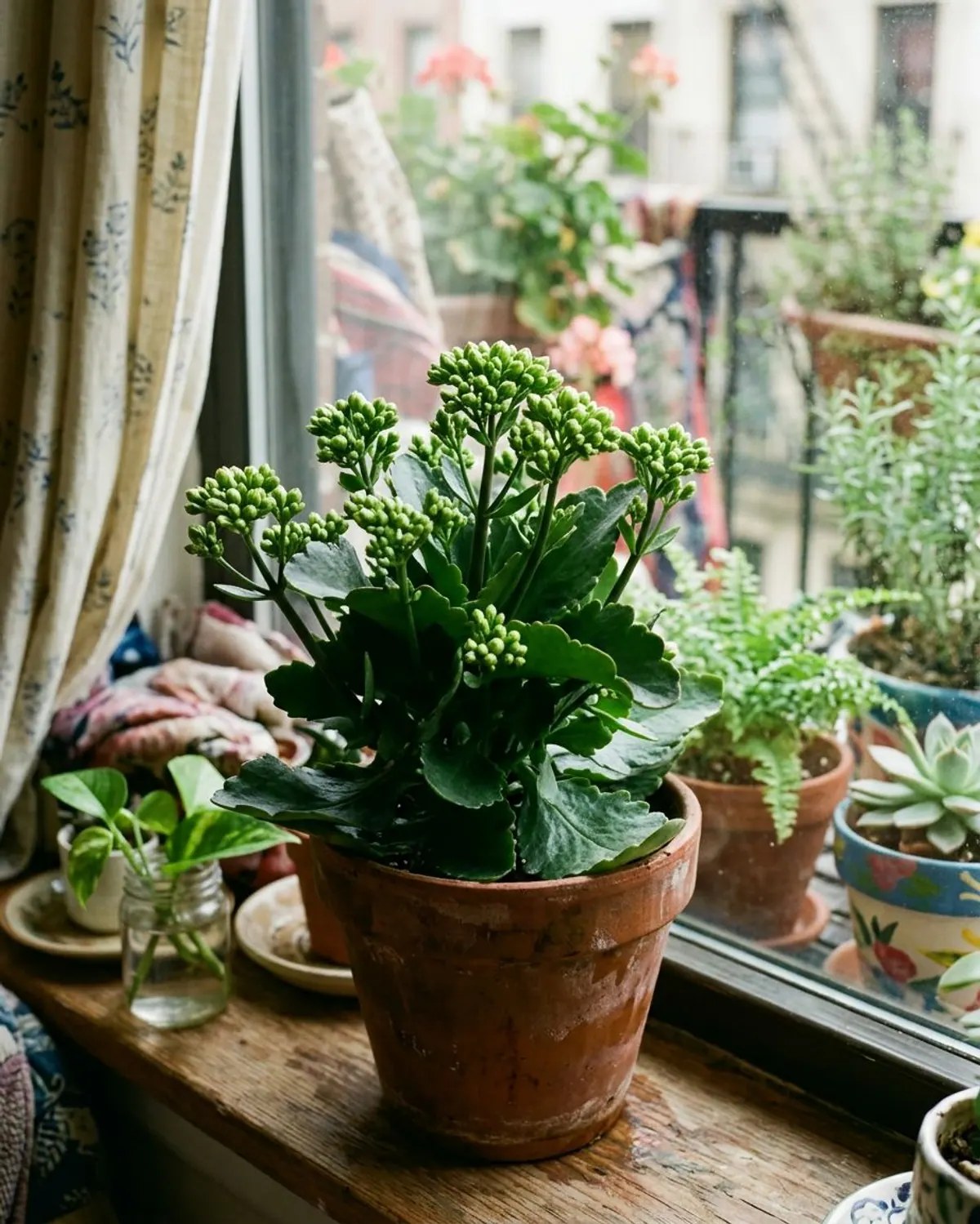
Keep going until you see small buds above the foliage. After that, day length no longer matters, so you can stop the dark routine and leave the plant in the bright window.
| Date | What happens |
|---|---|
| Oct 27 | Start: 14 hours of darkness nightly, bright light by day |
| Dec 8 | About 6 weeks: small buds should be visible; stop the dark routine |
| Dec 8 to Jan 19 | Buds develop and open in a bright window; water when the soil is dry |
| About Jan 19 | Expect flowers, 12 weeks after the start date |
The dates are an example built from Clemson's 12 week figure; your plant, window and room may run faster or slower. To have flowers by Christmas you would have needed to start in early October, so a start today means a January bloom.
After the flowers fade
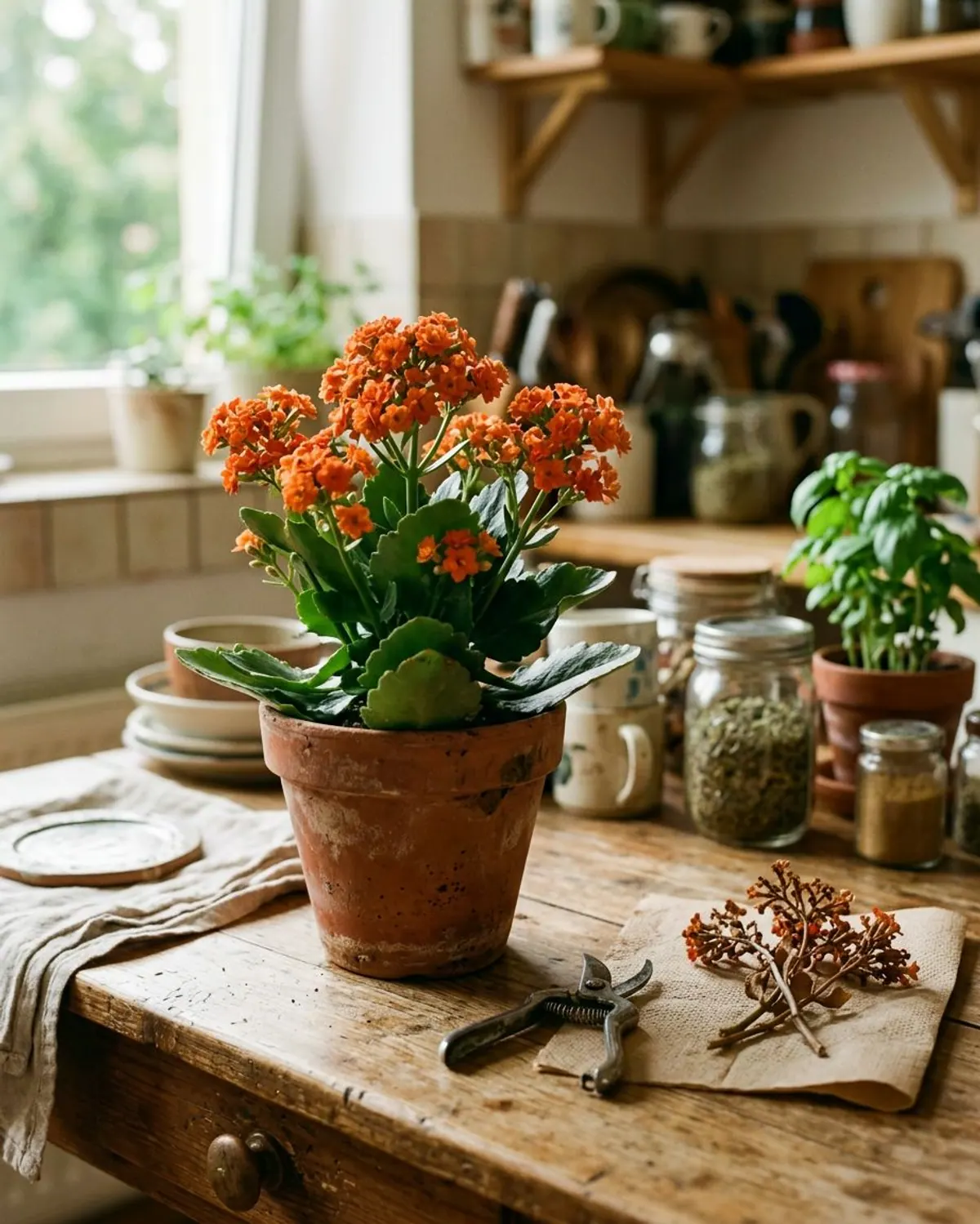
Clemson HGIC says to move the plant into a slightly larger pot, cut back tall growth and spent flower stems and keep it watered in a sunny, warm window. Snip each faded flower stem back to the leaves with clean scissors. After the last frost you can move it outdoors to a bright, lightly shaded spot, acclimating it gradually, and bring it in before frost.
Clemson says to bring it indoors about 3 months before you want it to bloom, so plan your winter dark routine around that.
Kalanchoe is toxic to cats and dogs
The ASPCA lists kalanchoe as toxic to dogs and cats. The toxic compounds are bufodienolides, and the clinical signs are vomiting and diarrhea, with abnormal heart rhythms rare. If a pet may have eaten any of it, call the ASPCA Animal Poison Control Center at (888) 426-4435 or your vet right away; a consultation fee may apply.
Keep it on a high shelf or in a room pets cannot enter. For safer holiday options, see our pet-safe Christmas plants and Christmas plant gift notes. This is general information, not medical or veterinary advice.
Kalanchoe as a holiday gift plant
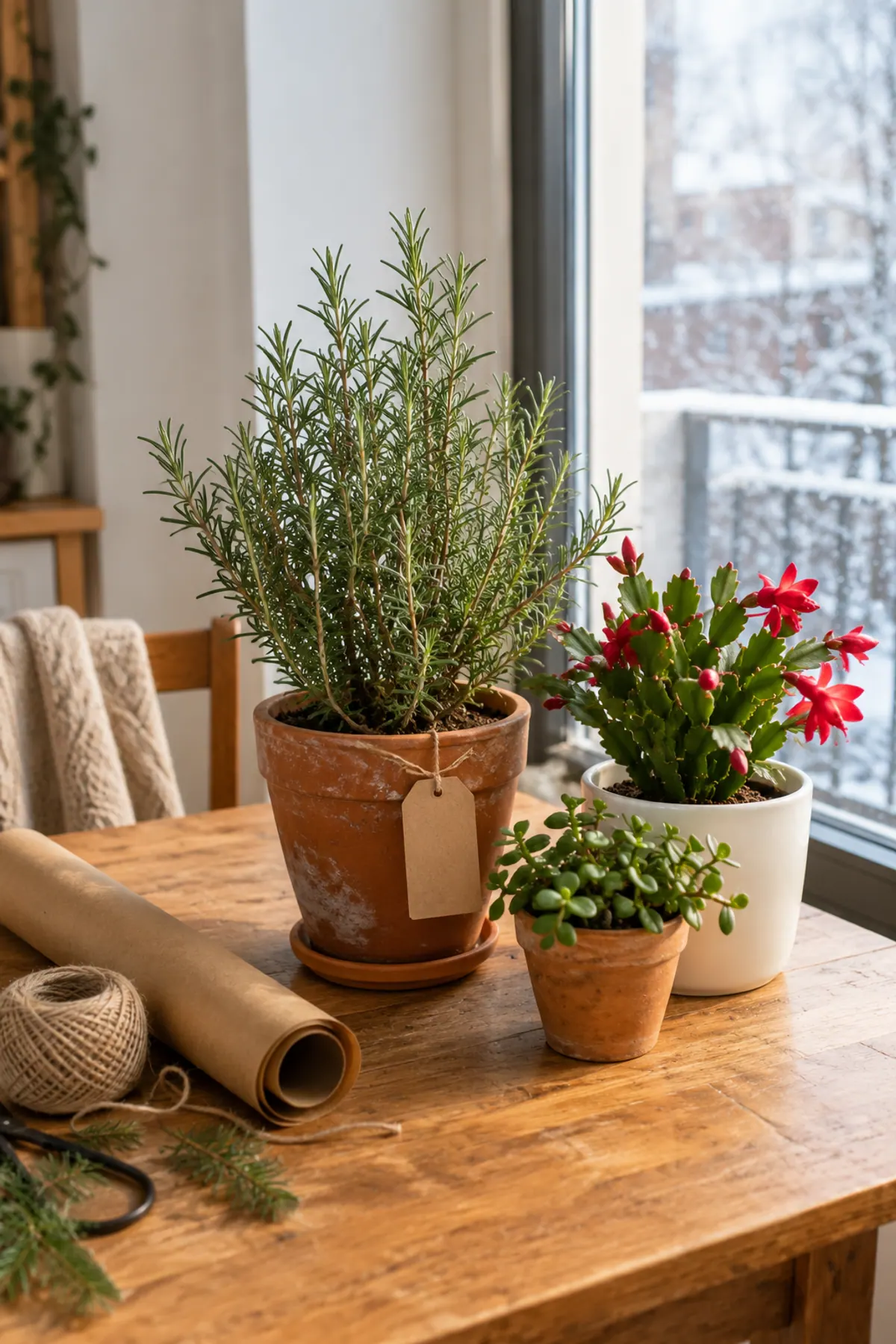
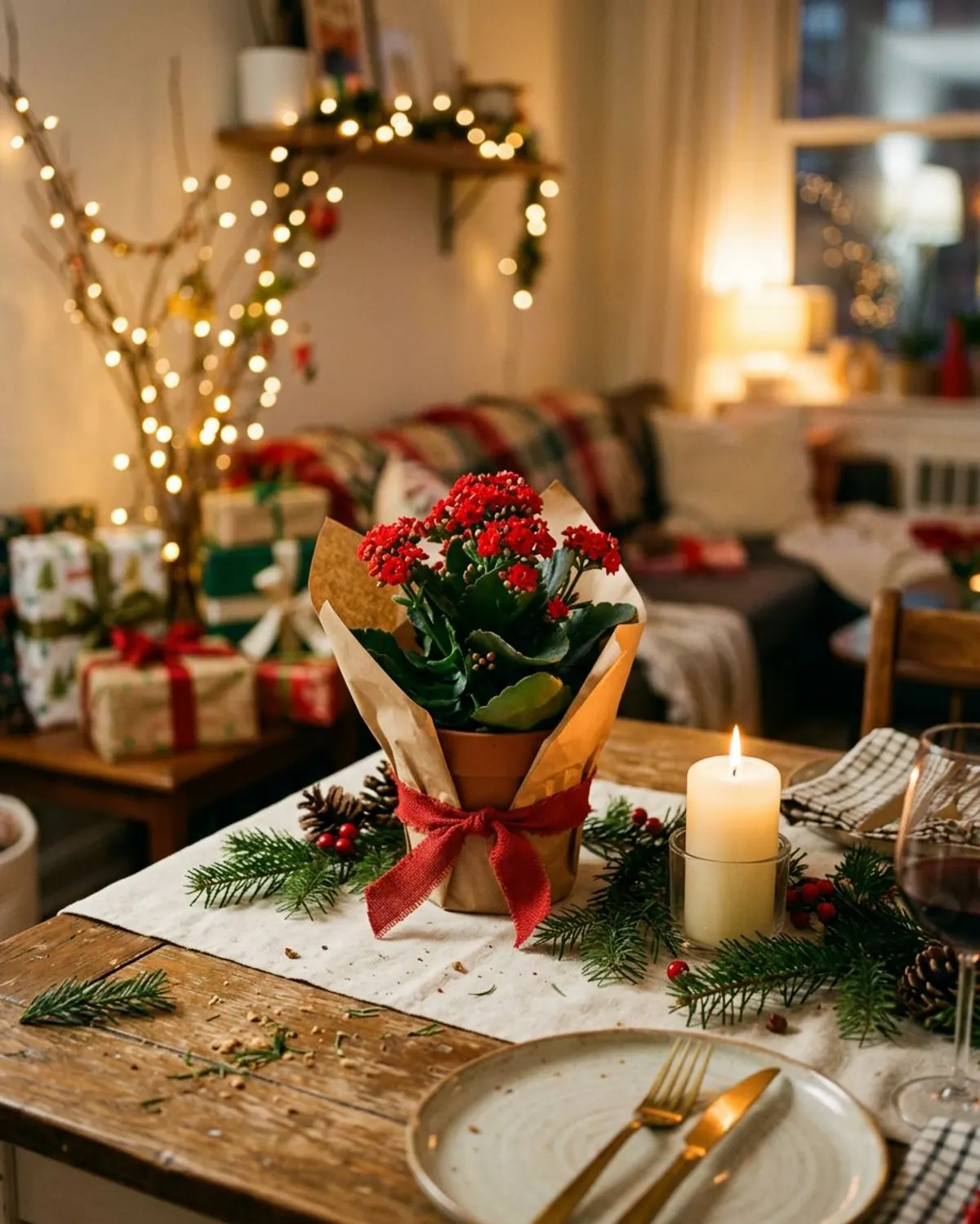
A kalanchoe in bloom is a low-cost gift that lasts for weeks. Check that it has plenty of unopened buds, remove any foil that traps water and write the light and water notes on a card. Tell the recipient if they have pets.
Other bloom-on-schedule gifts are a Christmas cactus and a poinsettia. Our winter houseplant care tips cover the dry months for all of them. If you like a written plan for dates like the rebloom schedule above, the Small-Space Garden Binder has trackers for light and watering.
Common kalanchoe problems
Mushy stems and yellow leaves usually mean too much water. Clemson HGIC lists mealybugs, aphids and brown scale as common pests: isolate the plant, wipe mealybugs off with alcohol on a cotton swab, scrape off scale and remove aphids by hand. For powdery mildew, improve air flow.
Supplies for kalanchoe care
-
Cactus and succulent potting mix
Typically $8 to $20
Drains fast, which suits a succulent
Check price on Amazon for Cactus and succulent potting mix -
Perlite for potting mix
Typically $6 to $15
Opens up soil so it dries evenly
Check price on Amazon for Perlite for potting mix -
Terracotta pot with drainage hole and saucer
Typically $8 to $20
Wicks moisture and prevents soggy roots
Check price on Amazon for Terracotta pot with drainage hole and saucer -
Clip-on LED grow light
Typically $15 to $35
Adds daytime light on gray winter days
Check price on Amazon for Clip-on LED grow light
Frequently asked questions
How do you make a kalanchoe bloom again?
Give it about 14 hours of uninterrupted darkness every night for about six weeks, with bright light by day. Clemson says flowers follow about 12 weeks after you start.
Why is my kalanchoe not flowering?
Usually it is not getting long enough nights or enough light. Indoor lamps can interrupt the dark period, and low light makes the plant leggy. Temperatures above 80F during the dark period can also delay buds.
How often should I water a kalanchoe?
Water only when the soil has dried out, then let the pot drain. There is no set number of days; check the soil. Overwatering is the main cause of damage.
Is kalanchoe toxic to cats and dogs?
Yes. The ASPCA lists kalanchoe as toxic to dogs and cats, with vomiting and diarrhea as the main signs and rare heart rhythm changes. Call a vet or ASPCA Poison Control at (888) 426-4435 if a pet eats it.
Can kalanchoe live outdoors?
After frost danger passes, Clemson says it can go outdoors in a bright, lightly shaded spot, introduced gradually. Bring it inside before the first frost.

Save it for later
Pin this to your Houseplants board so it's there when you need it.
Save to Pinterest