This post contains affiliate links. As an Amazon Associate we earn from qualifying purchases, at no extra cost to you. Read our disclosure.
Safety first: Herbs can be powerful. If you are pregnant, nursing, take medication or have a health condition, check with your doctor or pharmacist first. Please read our herbal & garden safety notes before you start.
Key takeaways
- A wick or soil column pulls water up from a reservoir as the soil dries
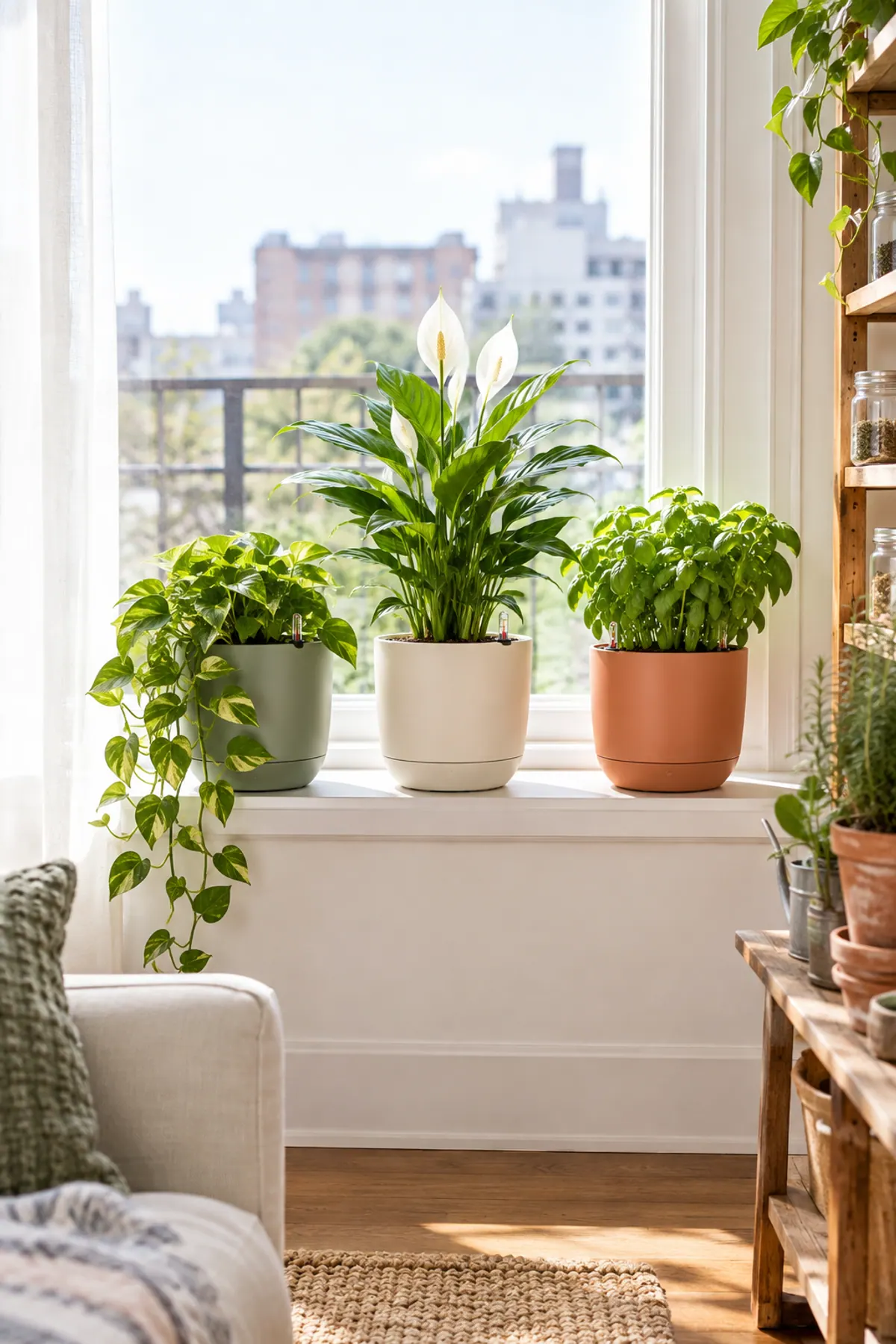
- Best for peace lily, pothos, ferns, African violets, basil, mint and parsley
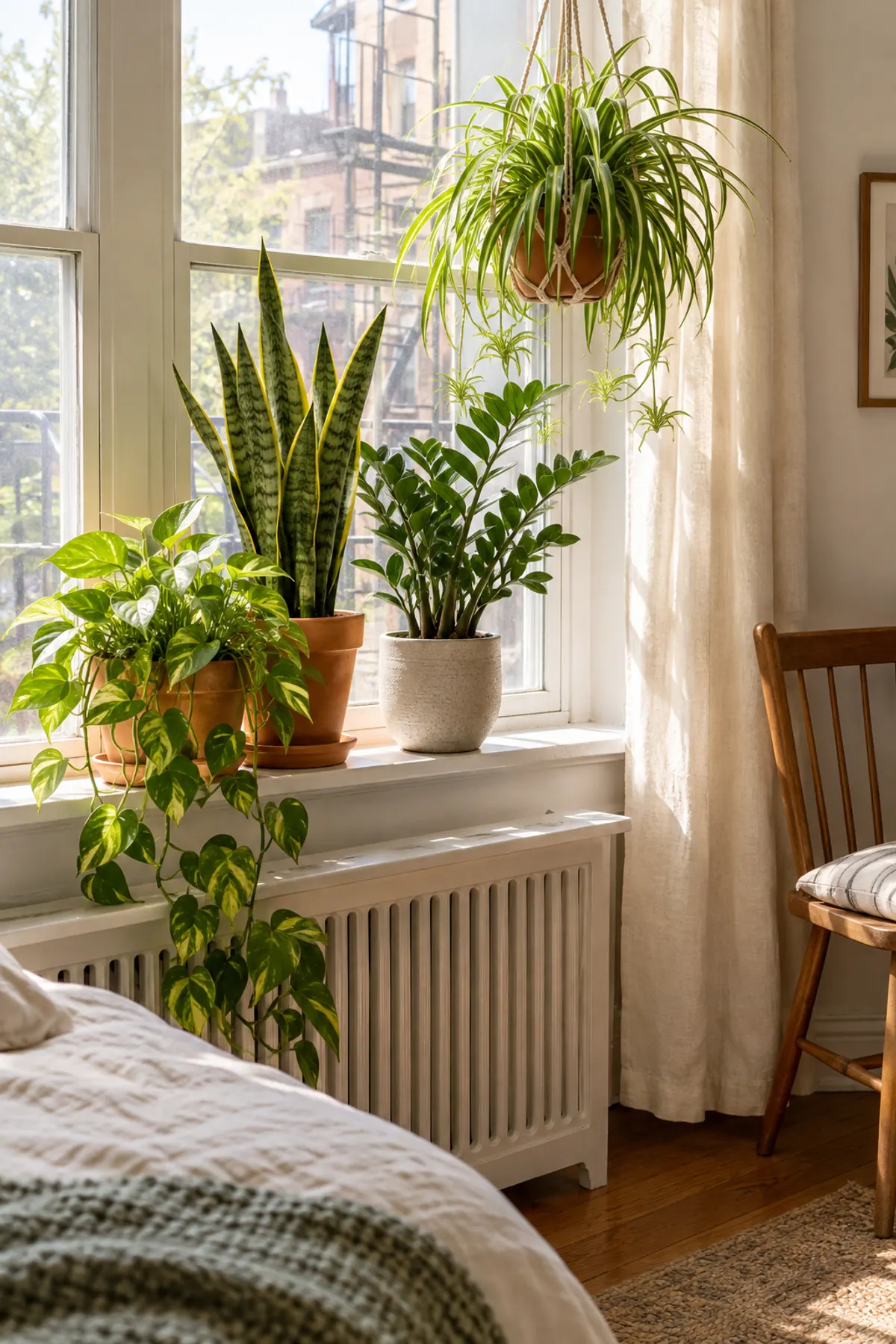
- Skip succulents, cacti, snake plant, ZZ plant, rosemary and lavender
- Water from the top for the first few weeks, then let the reservoir run nearly empty between fills
- A two-liter bottle and cotton cord make a working DIY version in 15 minutes
In this post8 sections
How self watering pots work
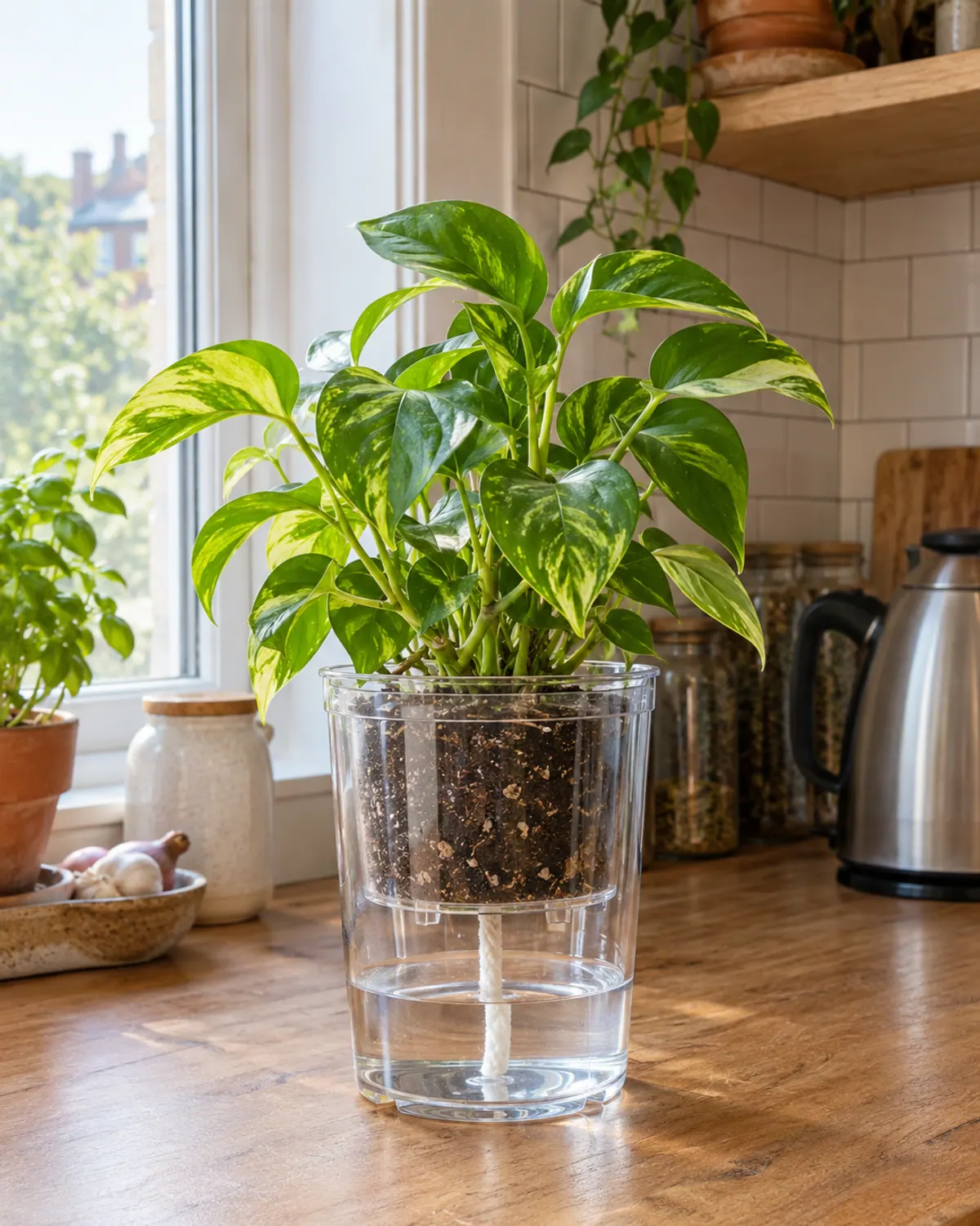
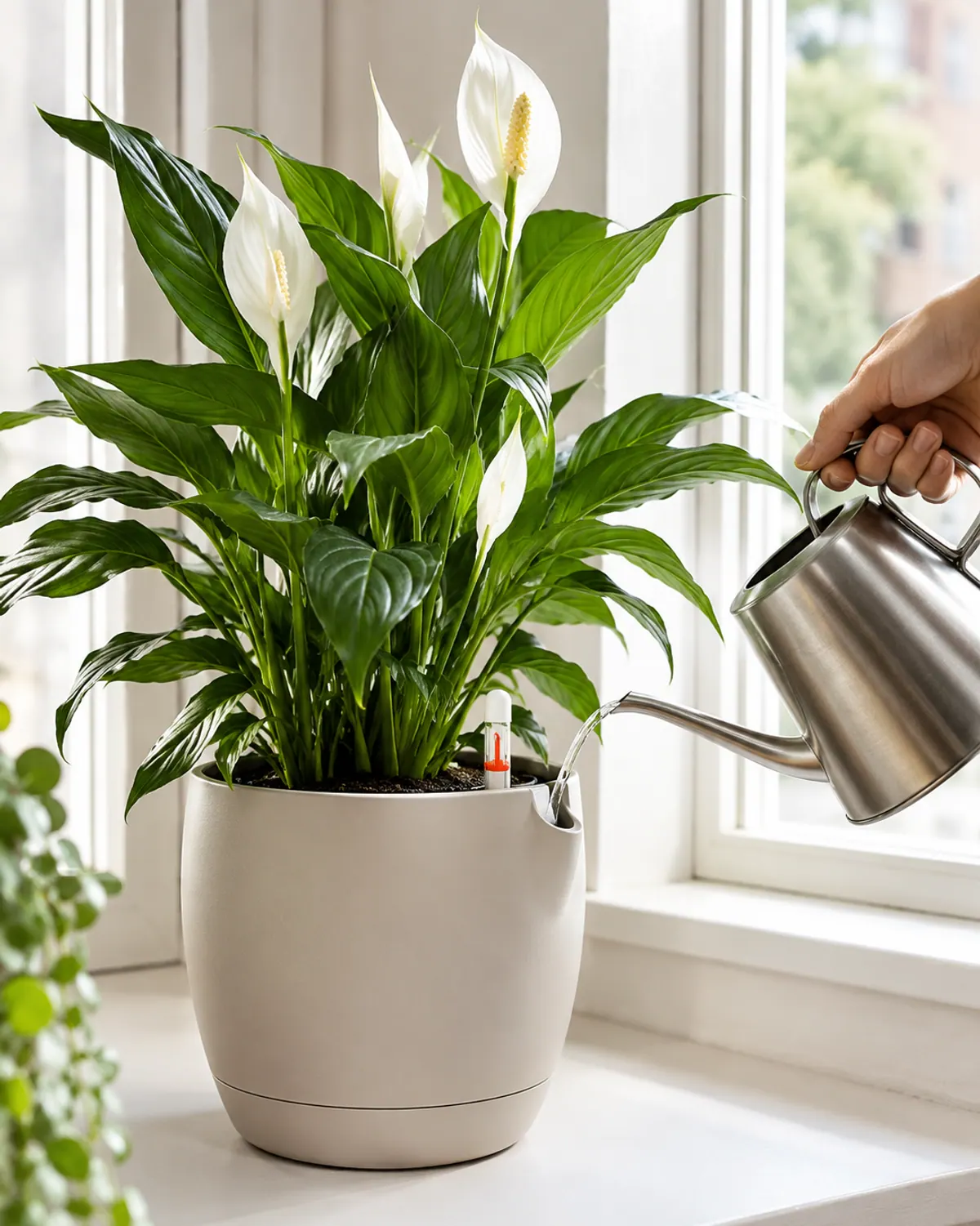
A self watering pot is two containers in one. The plant sits in an inner pot of soil, and below it is a water reservoir. A cotton or nylon wick, or a column of soil, pulls water up into the root zone by capillary action as the soil dries.
The result is evenly moist soil for one to three weeks between fills, depending on the pot size, the plant and how warm your apartment is. That is why they suit thirsty plants, busy schedules and holiday travel.
What to look for
Before you buy a self watering pot
Skip pots with no way to check the water level. Without it you end up guessing, which defeats the point.
The 12 picks
These are commonly sold self watering pots and accessories, chosen for small spaces and grouped by use. We have not tested each one; picks follow published buyer guides, specs and owner feedback, and prices change often.
Everyday self watering pots
- Best all round
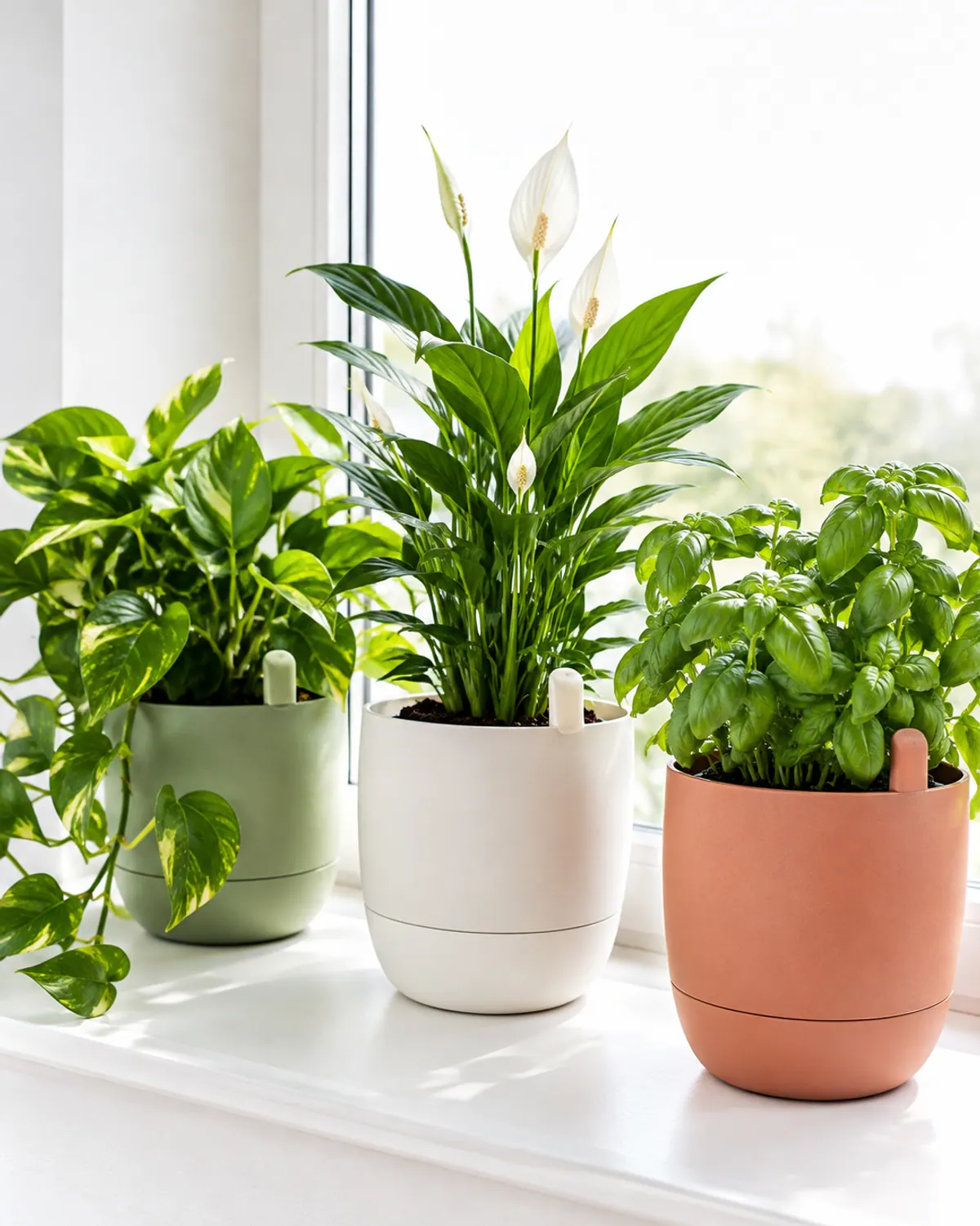
Gardenix Decor self watering pots, 7 inch (set)
Typically $25 to $40
Plastic pots with a water level indicator; a good all-round set for pothos, peace lily and herbs.
Check price on Amazon for Gardenix Decor self watering pots, 7 inch (set) - Budget pick
Bloem Ariana self watering planter, 6 inch
Typically $8 to $15
Simple, light and cheap; the budget way to try self watering on a windowsill.
Check price on Amazon for Bloem Ariana self watering planter, 6 inch
Window boxes and hanging pots
-
Lechuza Balconera self watering window box
Typically $40 to $80
A long planter with a reservoir for a sill, a shelf or a balcony railing; holds a row of herbs.
Check price on Amazon for Lechuza Balconera self watering window box -
Zmtech hanging self watering planters (2 pack)
Typically $20 to $30
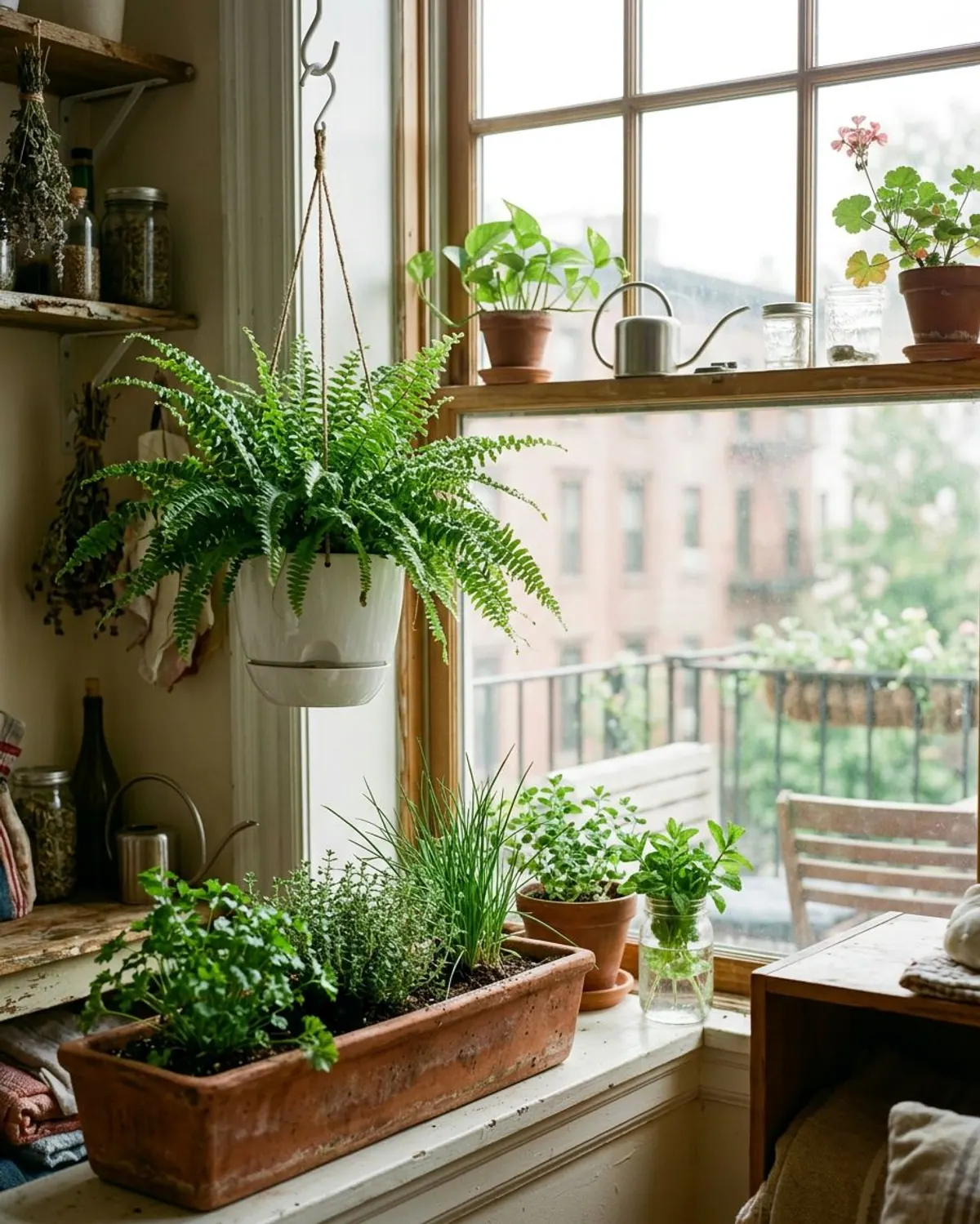
Hanging pots with a reservoir, so ferns and pothos stop drying out up near the ceiling.
Check price on Amazon for Zmtech hanging self watering planters (2 pack)
Ceramic and terracotta
- Splurge
Lechuza Classico or Cube self watering planter
Typically $50 to $150
A premium floor planter with a refill indicator for a large plant in a living room.
Check price on Amazon for Lechuza Classico or Cube self watering planter -
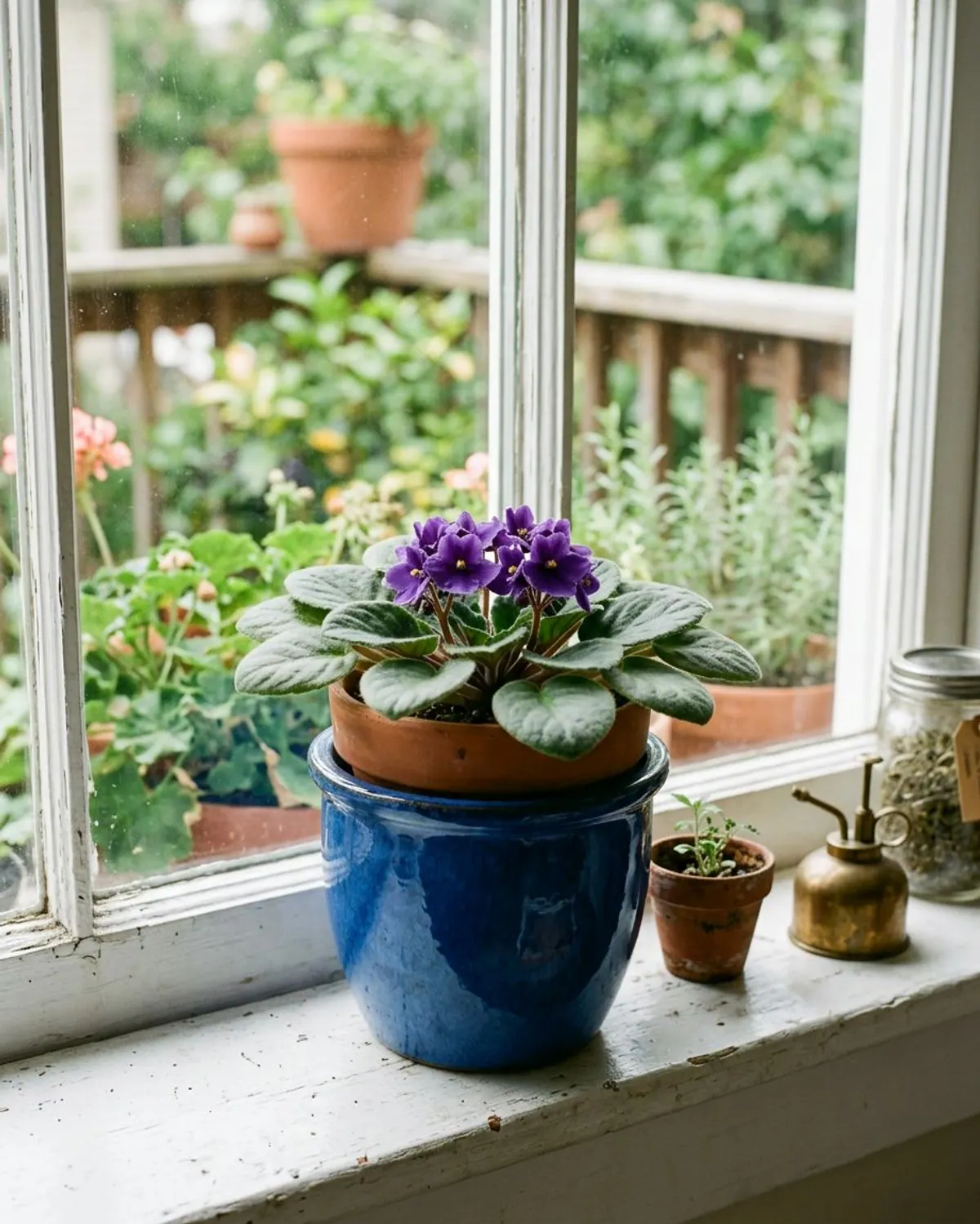
Two piece ceramic African violet pot
Typically $15 to $25
An unglazed inner pot sits in a glazed outer pot of water and wicks it through the clay; made for violets.
Check price on Amazon for Two piece ceramic African violet pot -
Terracotta self watering pot with reservoir
Typically $20 to $35
A porous clay pot that sweats water out slowly; handy for herbs that like it evenly moist.
Check price on Amazon for Terracotta self watering pot with reservoir
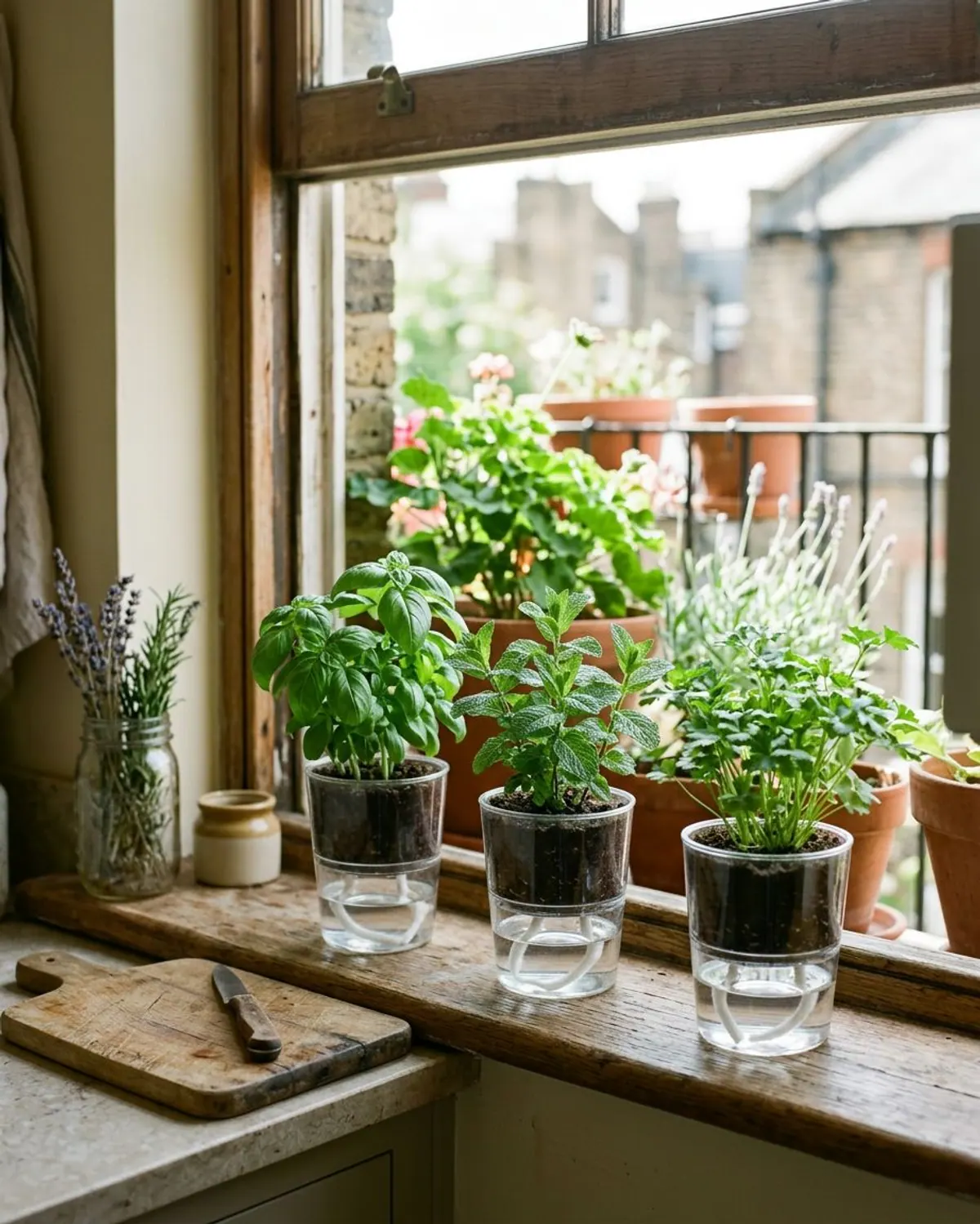
Small pots for herbs
-
Small wick self watering pots (set of 3 to 6)
Typically $15 to $25
Little pots with a wick and reservoir for basil, mint and parsley on a kitchen sill.
Check price on Amazon for Small wick self watering pots (set of 3 to 6)
Add-ons that turn any pot into a self watering pot
-
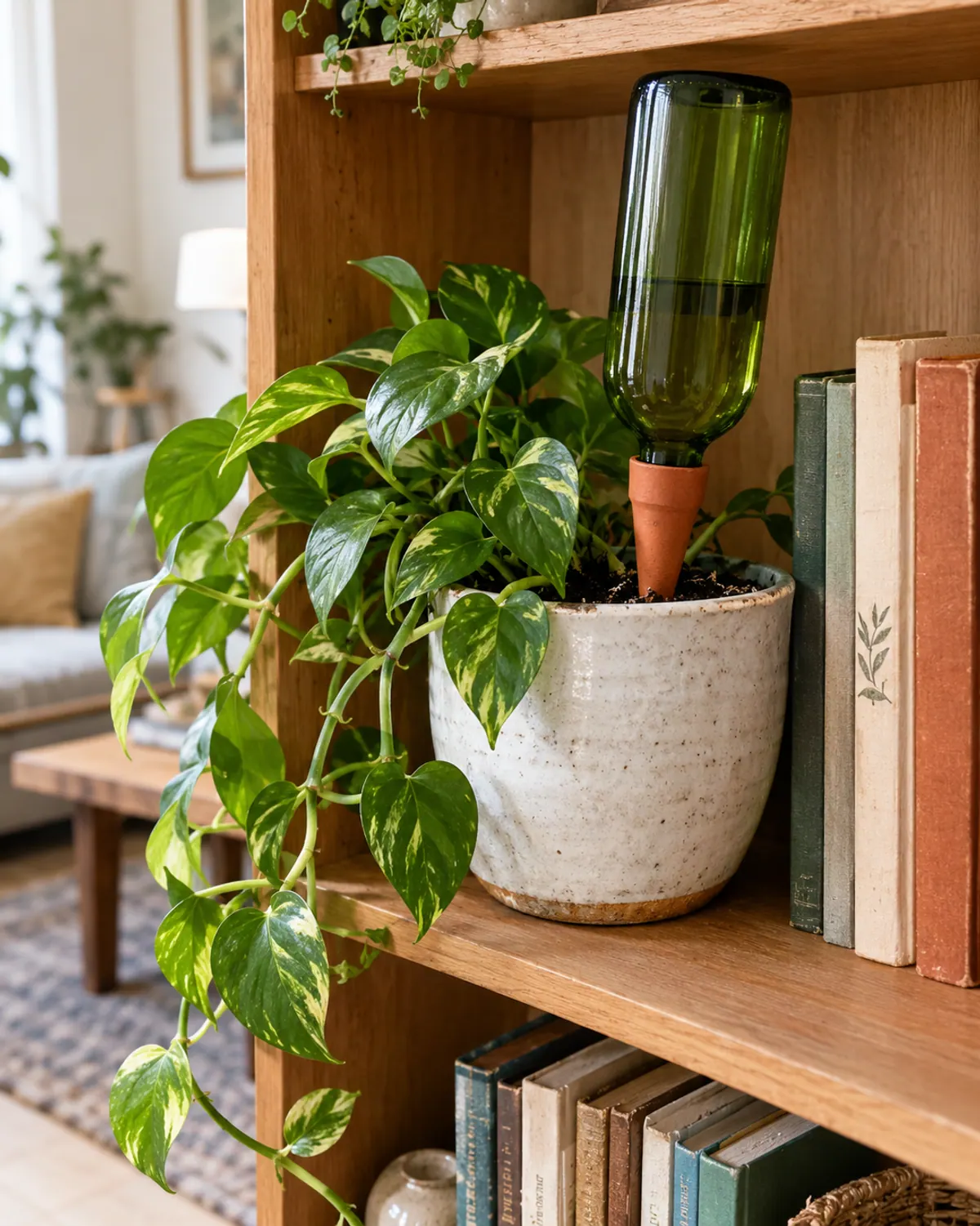
Terracotta watering spikes
Typically $12 to $20
Push into the soil and connect to a bottle; the clay releases water slowly.
Check price on Amazon for Terracotta watering spikes -
Plant Nanny wine bottle watering stakes
Typically $15 to $25
Turn an empty wine bottle into a reservoir for a week away.
Check price on Amazon for Plant Nanny wine bottle watering stakes -
Aqua Globes glass watering bulbs
Typically $10 to $20
A pretty short-term fix for a long weekend; refill often.
Check price on Amazon for Aqua Globes glass watering bulbs - For DIY
Cotton or nylon wick cord
Typically $7 to $12
For the DIY build below, and to replace worn wicks in bought pots.
Check price on Amazon for Cotton or nylon wick cord
| Pick | Type | Best for | Watch out for |
|---|---|---|---|
| Gardenix 7 inch | Plastic, indicator | Pothos, peace lily, herbs | Light; top-heavy plants can tip |
| Bloem Ariana 6 inch | Plastic | Trying it cheaply | Small reservoir |
| Lechuza Balconera | Window box | Rows of herbs | Long; measure the sill |
| Zmtech hanging | Hanging, reservoir | Ferns, pothos | Hard to see the water level up high |
| Lechuza Classico or Cube | Premium floor pot | Large leafy plants | Price |
| Ceramic violet pot | Clay wicking | African violets | Clay can build up mineral crust |
| Terracotta reservoir pot | Clay | Herbs that like even moisture | Dries faster than plastic |
| Small wick pots | Plastic, wick | Basil, mint, parsley | Wicks need replacing |
| Spikes, stakes, globes | Add-on | Short trips, any pot | Not a long term system |
Plants that like self watering pots (and ones that do not)
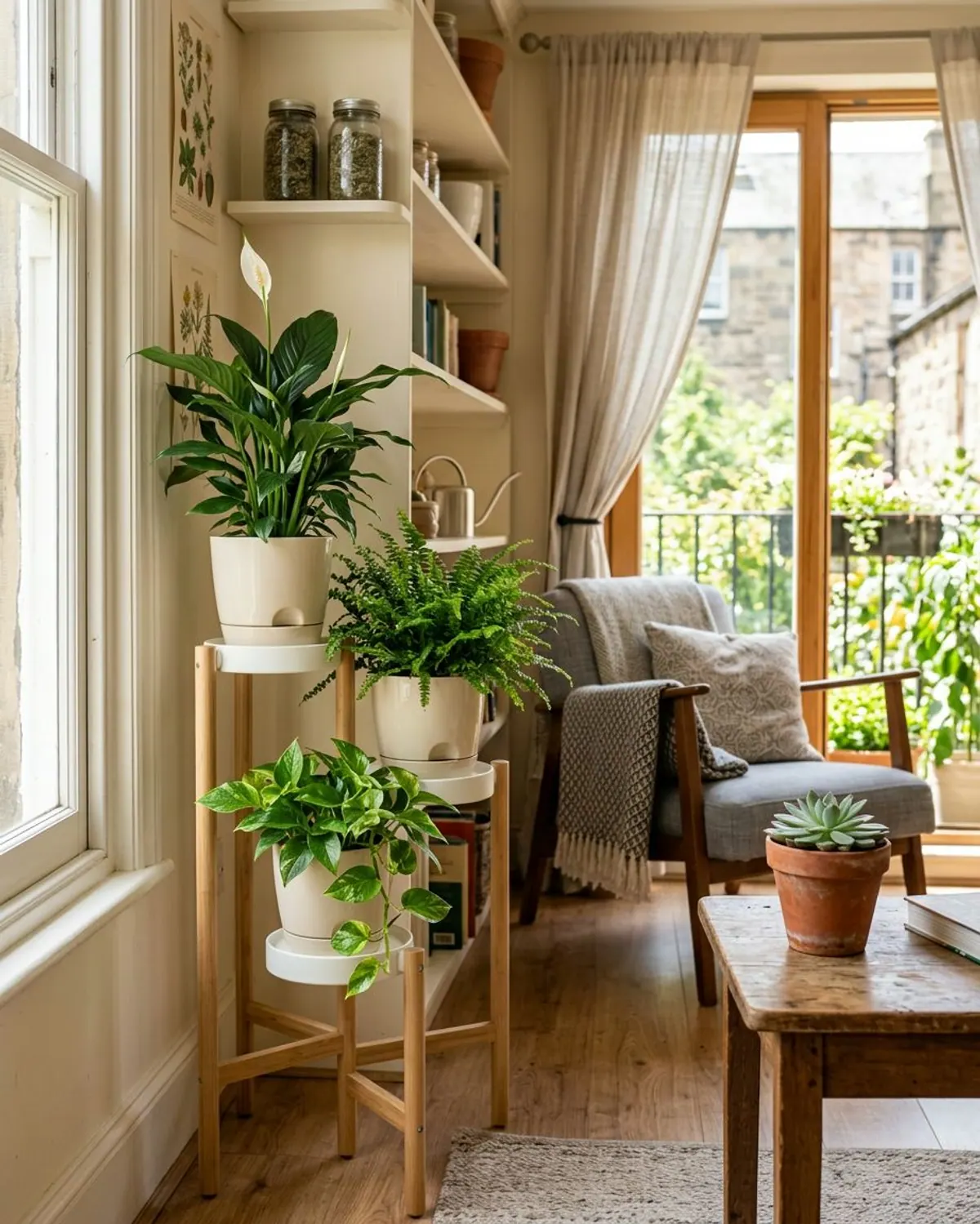
Self watering pots keep soil evenly moist, so they suit plants that wilt when they dry out. Plants that need to dry between waterings rot in them.
| Good fit | Skip |
|---|---|
| Peace lily | Succulents |
| Pothos and philodendron | Cacti |
| Boston and other ferns | Snake plant |
| African violet | ZZ plant |
| Spider plant | Rosemary |
| Basil, mint, parsley | Lavender |
| Calathea | Orchids potted in bark |
For low-effort plants that cope with an ordinary pot, our easy houseplants list has more. Mint is one of the best herbs for a reservoir pot; our mint indoors guide explains why.
How to set one up the first month
-
Step 1: Use an airy potting mix
Use a light houseplant mix with perlite, never garden soil. Dense soil stays soggy in a self watering pot.
-
Step 2: Water from the top first
Water the soil from the top for the first two to four weeks while new roots grow down toward the wick or reservoir.
-
Step 3: Then fill the reservoir
Once roots are established, fill the reservoir and let it run nearly empty before topping it up. A day or two empty lets air reach the roots.
-
Step 4: Flush every couple of months
Water heavily from the top and drain it to wash out fertilizer salts that build up with bottom watering.
DIY self watering pot in 15 minutes
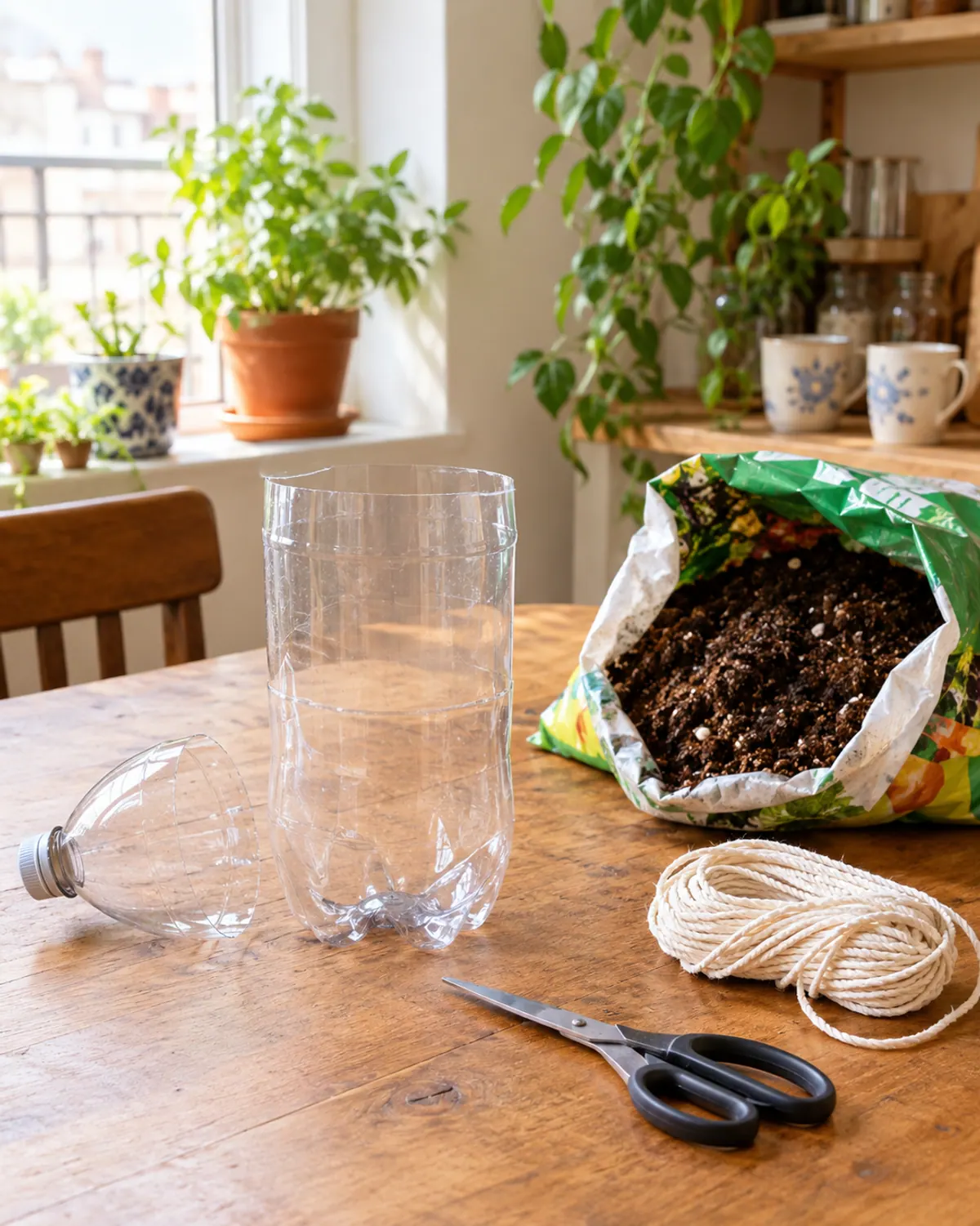
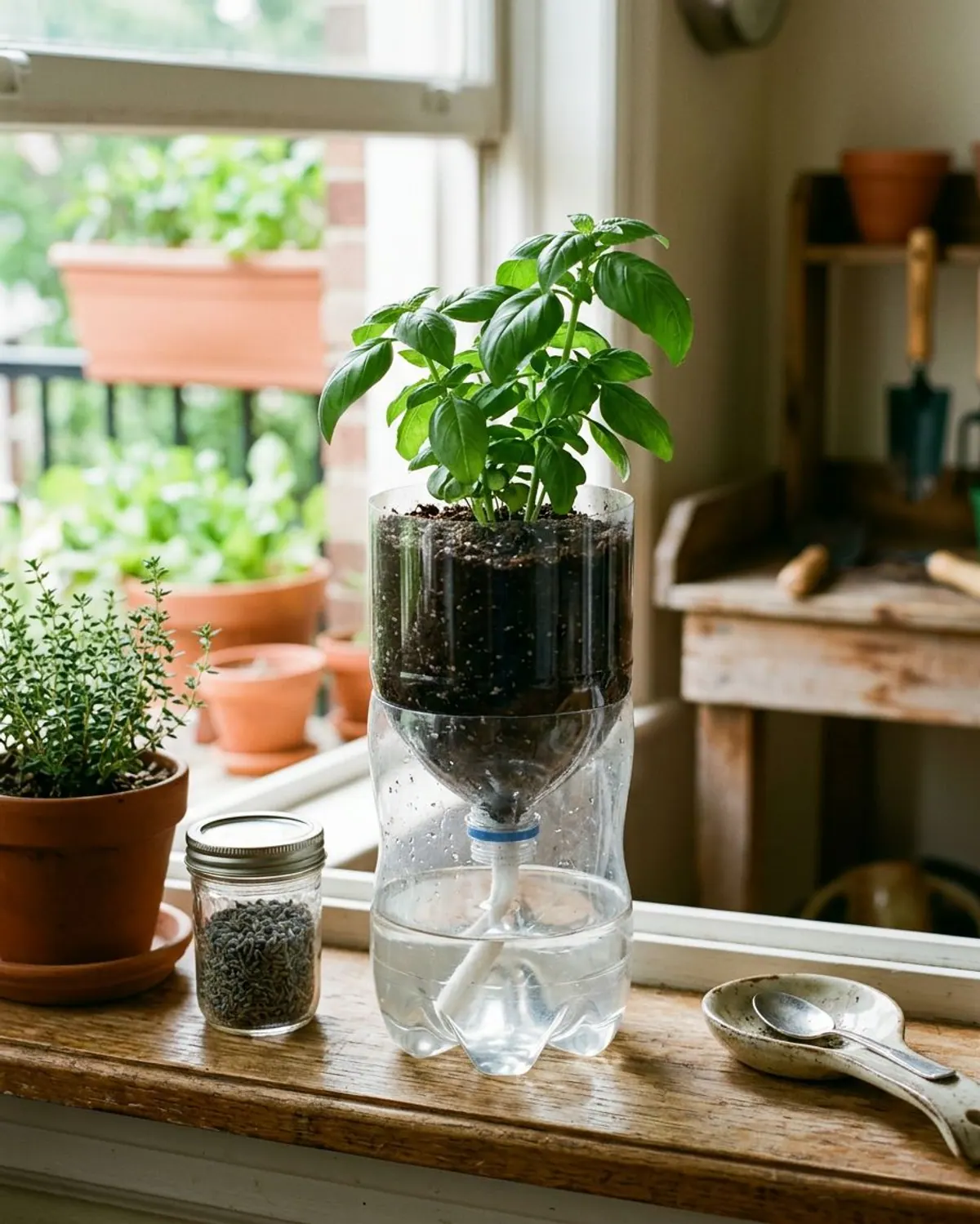
The top chip on Pinterest for this search is DIY, and a homemade version works well for herbs and small houseplants. You need two nesting pots or a two-liter soda bottle, a piece of cotton or nylon cord and potting mix.
-
Step 1: Cut the bottle or pick two pots
Cut a two-liter bottle about a third of the way up. The top, turned upside down, becomes the plant pot; the base is the reservoir. Or use a plastic nursery pot that sits inside a slightly taller cachepot with a gap of 1 to 2 inches below it.
-
Step 2: Thread the wick
Push a 6 to 8 inch piece of cotton or nylon cord through the bottle cap hole or the pot's drainage hole, so a few inches sit up inside the soil and the rest hangs down into the water.
-
Step 3: Fill and plant
Fill the top with moist, airy potting mix around the wick and plant your herb or houseplant. Water from the top once.
-
Step 4: Add water to the reservoir
Fill the base with water below the bottom of the plant pot, so only the wick touches it. Top it up when it is nearly empty.
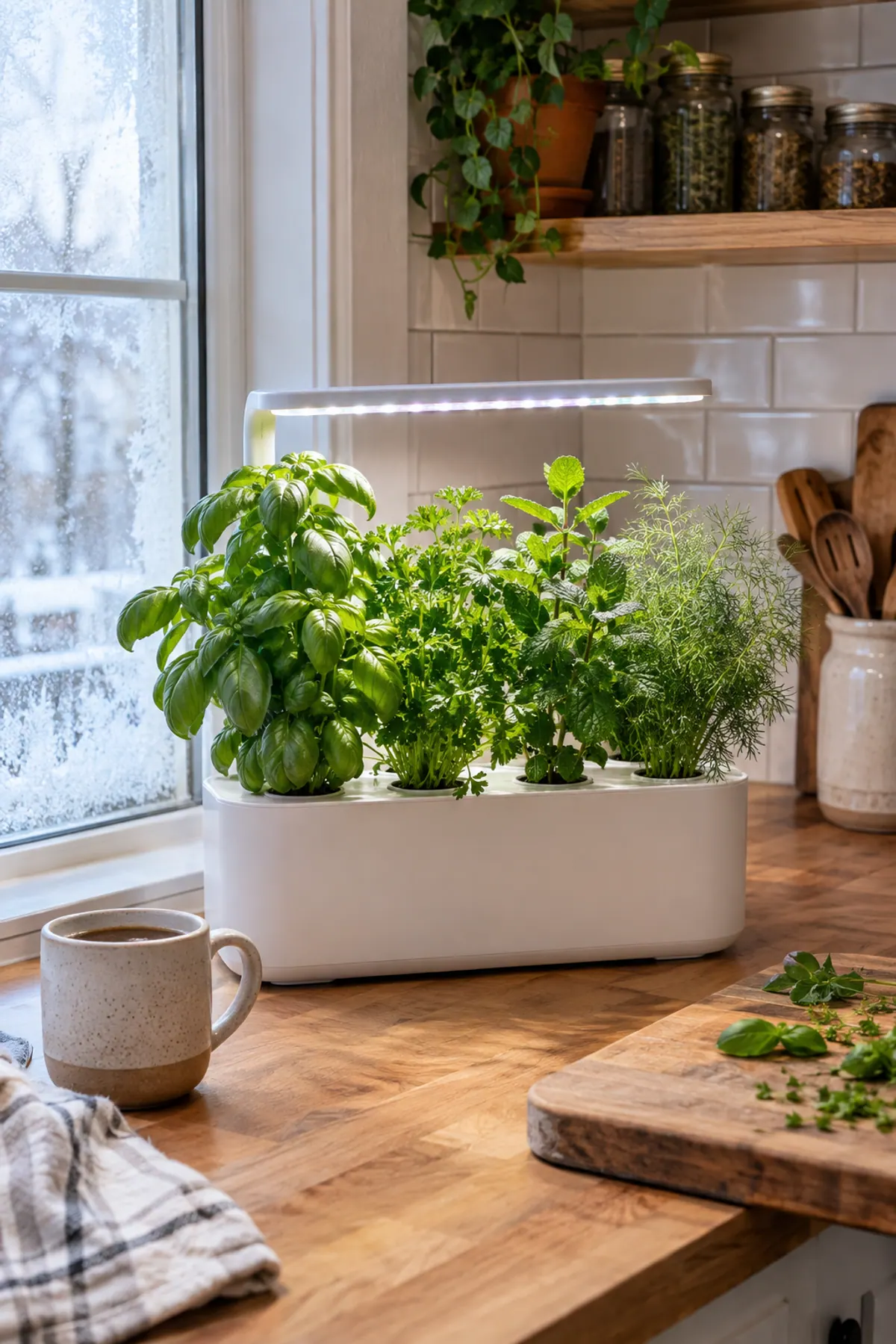
For a no-soil approach to growing herbs in water, see our hydroponic herb garden options.
Mistakes that rot roots
What we like
- Even moisture for thirsty plants
- Fewer watering days and safer trips away
- Less water on the floor and sill
Keep in mind
- Rots plants that like to dry out
- Hides overwatering until leaves yellow
- Fertilizer salts build up without flushing
- Wicks wear out and need replacing
The most common mistake is keeping the reservoir full all the time. Let it run dry for a day before refilling, especially in winter when plants drink less.
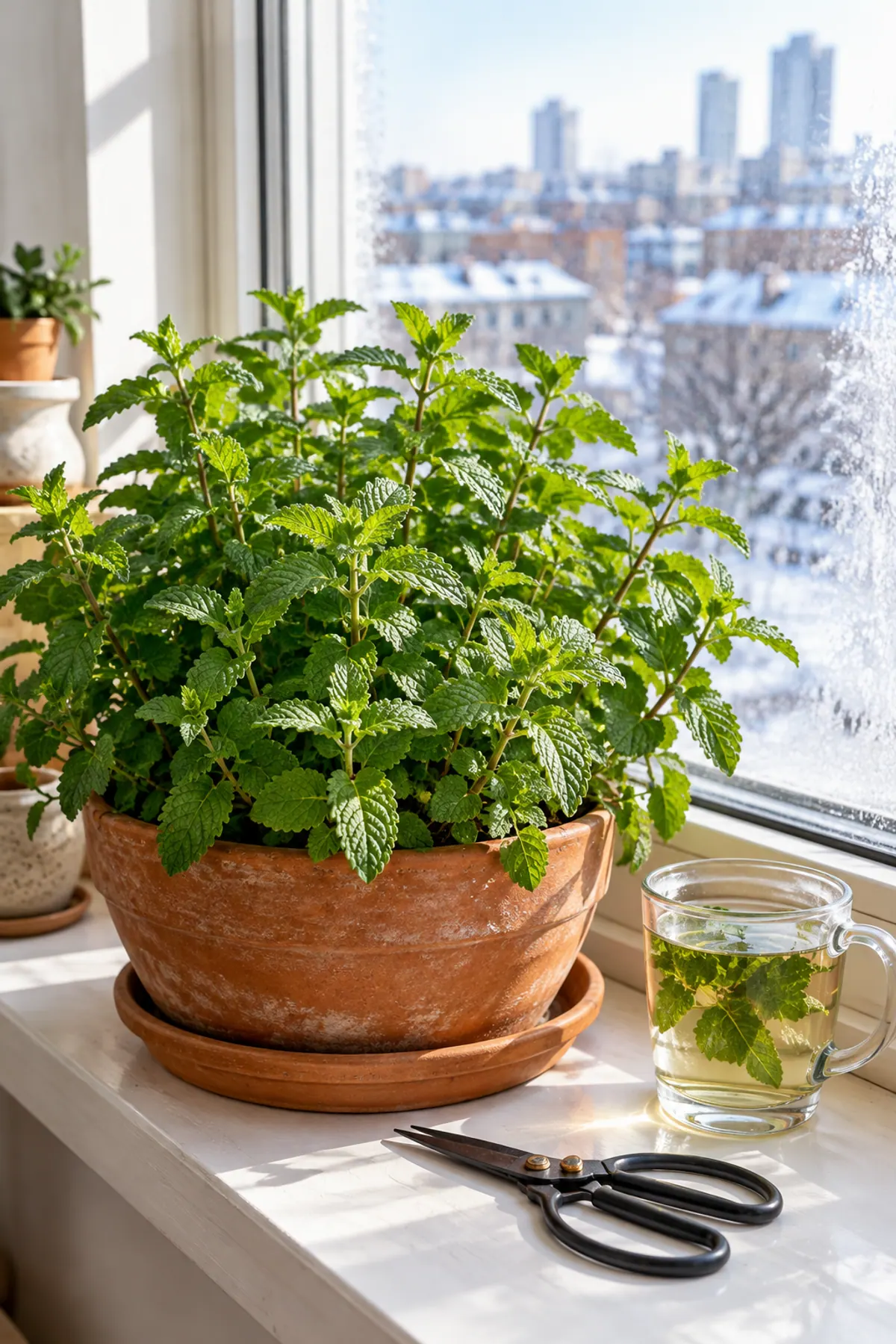
Basil, mint and parsley are some of the easiest herbs to keep happy in a reservoir pot through winter. Our Indoor Winter Herb Garden Kit has a window chooser and light table to place them well, and our basil indoors guide covers the rest.
Frequently asked questions
Are self watering pots good for indoor plants?
Yes for plants that like evenly moist soil, such as peace lily, pothos, ferns, African violets and herbs like basil and mint. They are a poor choice for succulents, cacti, snake plants and rosemary, which need to dry out.
What plants should not go in self watering pots?
Succulents, cacti, snake plant, ZZ plant, rosemary, lavender and orchids potted in bark. They all prefer to dry between waterings and can rot in constantly moist soil.
How often do you fill a self watering pot?
Usually every one to three weeks, depending on pot size, plant and room temperature. Let the reservoir run nearly empty for a day before topping it up.
How do you make a DIY self watering pot?
Cut a two-liter bottle a third of the way up, invert the top into the base, thread a cotton or nylon wick through the cap, fill the top with potting mix and plant, and fill the base with water below the soil.
Do self watering pots need drainage holes?
The inner pot drains into the reservoir, so it works like a drainage hole. An overflow hole on the outer pot is still useful to stop the reservoir from flooding the roots.
Save it for later
Pin this to your Houseplants board so it's there when you need it.
Save to Pinterest