This post contains affiliate links. As an Amazon Associate we earn from qualifying purchases, at no extra cost to you. Read our disclosure.
Safety first: Herbs can be powerful. If you are pregnant, nursing, take medication or have a health condition, check with your doctor or pharmacist first. Please read our herbal & garden safety notes before you start.
Key takeaways
- In cold zones, group, wrap, raise and cover outdoor pots, and water them on mild days.
- Indoors, give herbs the brightest light, water only when the top inch is dry and skip fertilizer until new growth appears.
- Use January to scrub pots, sharpen tools, order seed and map your sun.
- Zones 7 and 8 start onions, leeks and celery indoors; zones 9 and 10 plant cool-season crops in pots.
In this post9 sections
January garden checklist at a glance
Most January garden checklists are written for a big yard, with lawns to lime and fruit trees to prune. This one is for a balcony, a patio, a front step or a windowsill. Tick off the all-zones list first, then the list for your zone band.
All zones
Zones 3 to 6
Zones 7 and 8
Zones 9 and 10
Not sure of your zone or frost date? Look both up by zip code with your state extension service. Our what to plant in January by zone list covers the planting side of this checklist in detail.
Your first week of January: a 20 minute plan
Four jobs, 5 minutes each, 20 minutes in all. Do them in this order so each one feeds the next.
-
Step 1: Minutes 1 to 5: check the pots
Walk the balcony after a hard freeze. Straighten wraps, clear snow off drainage holes and move any pot that sits in a puddle onto pot feet.
-
Step 2: Minutes 6 to 10: check indoor herbs
Move pots off cold glass, poke a finger in to check the top inch is dry before you water, and turn each pot a quarter turn.
-
Step 3: Minutes 11 to 15: write your dates
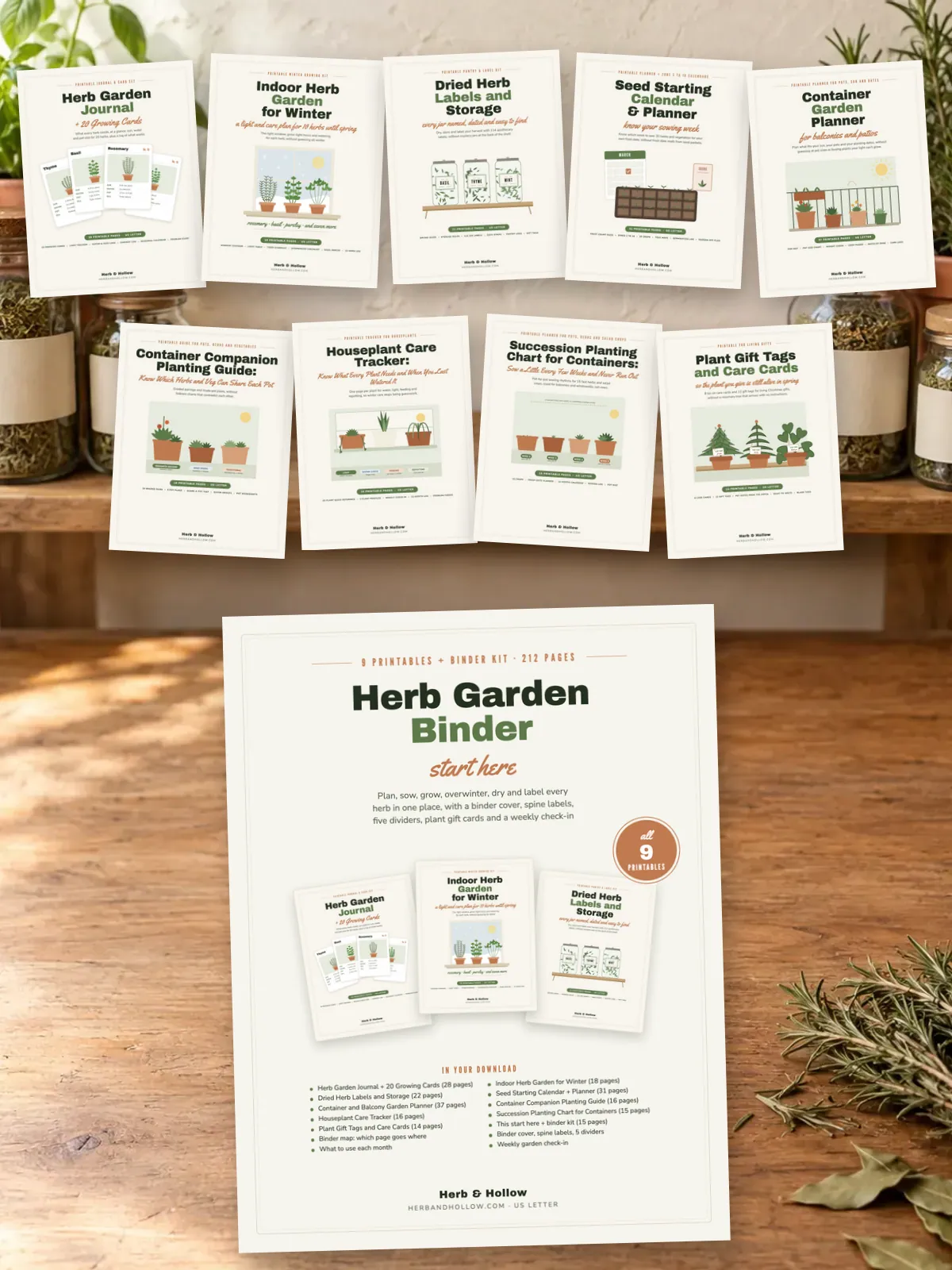
Look up your average last frost date by zip code with your state extension service, then note when sun reaches your space. The Container & Balcony Garden Planner ($9) has sun-check grids and a planting calendar by last frost date, so this step is already laid out.
-
Step 4: Minutes 16 to 20: start the seed order
Follow the seed-order steps below, then price the pots, soil and seed on paper with our garden budget template.
Protect outdoor pots from cold
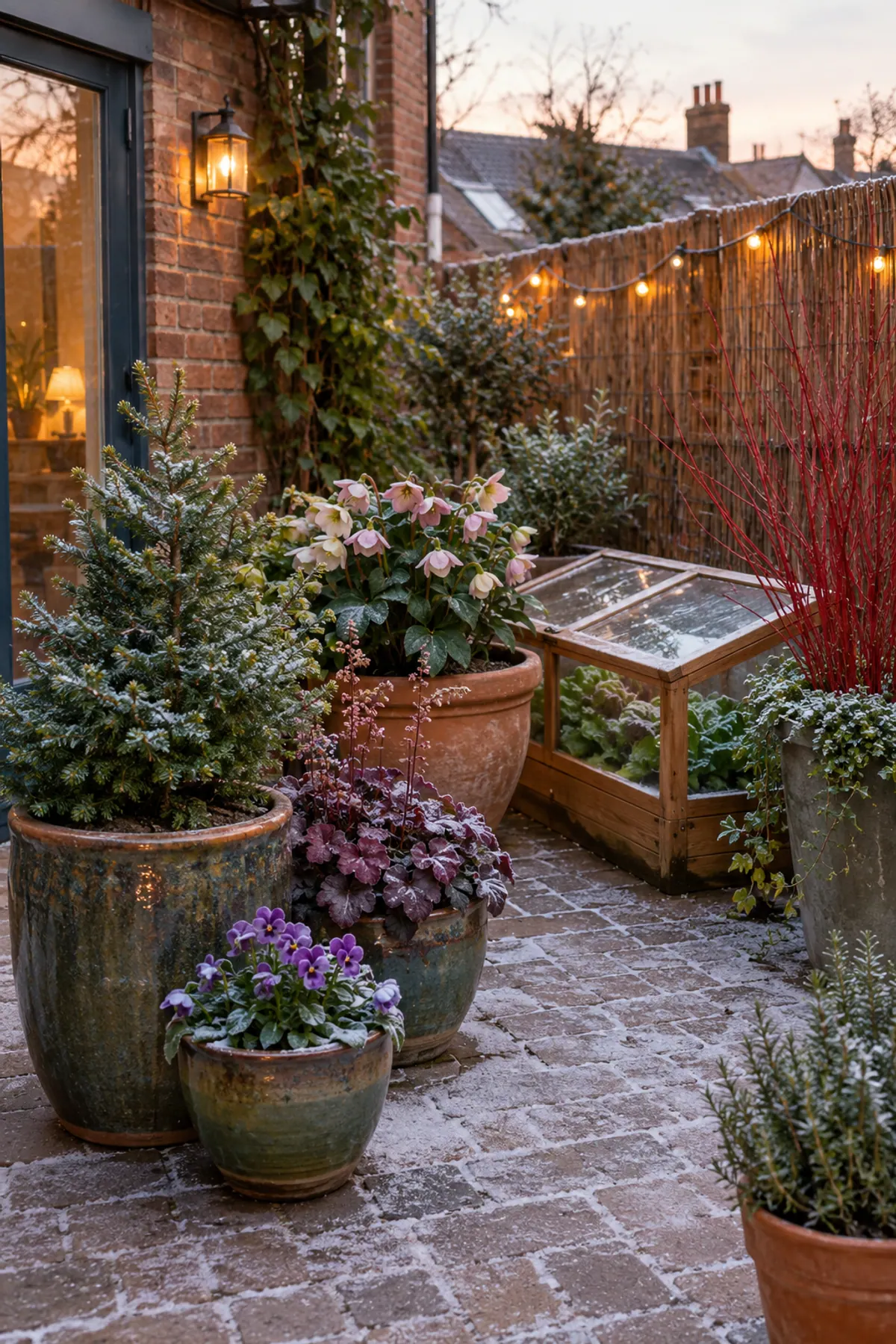
In freezing zones, roots in pots get colder than roots in the ground, because cold air reaches the pot from every side. Most winter losses on a balcony are frozen or waterlogged roots, not frozen leaves.
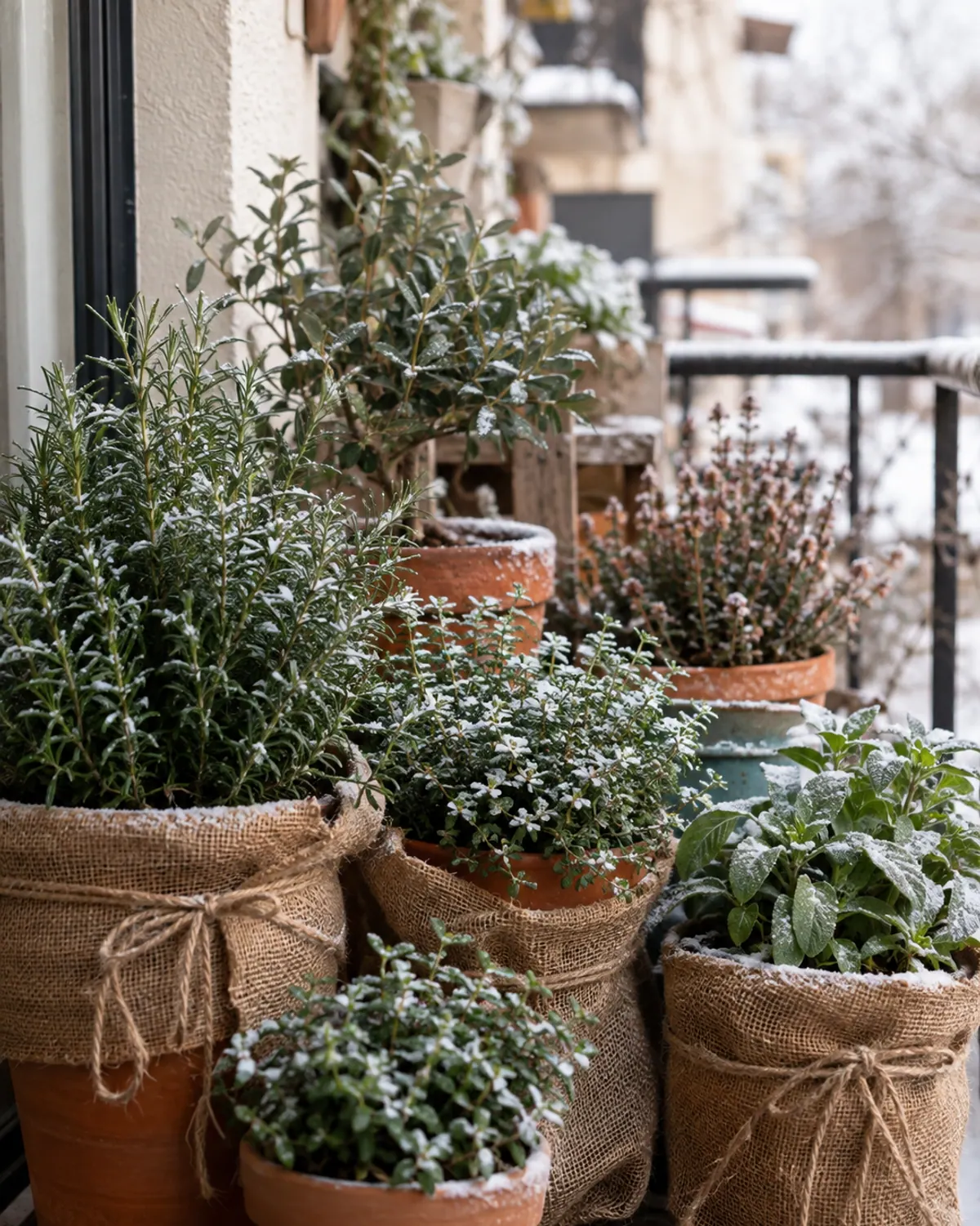
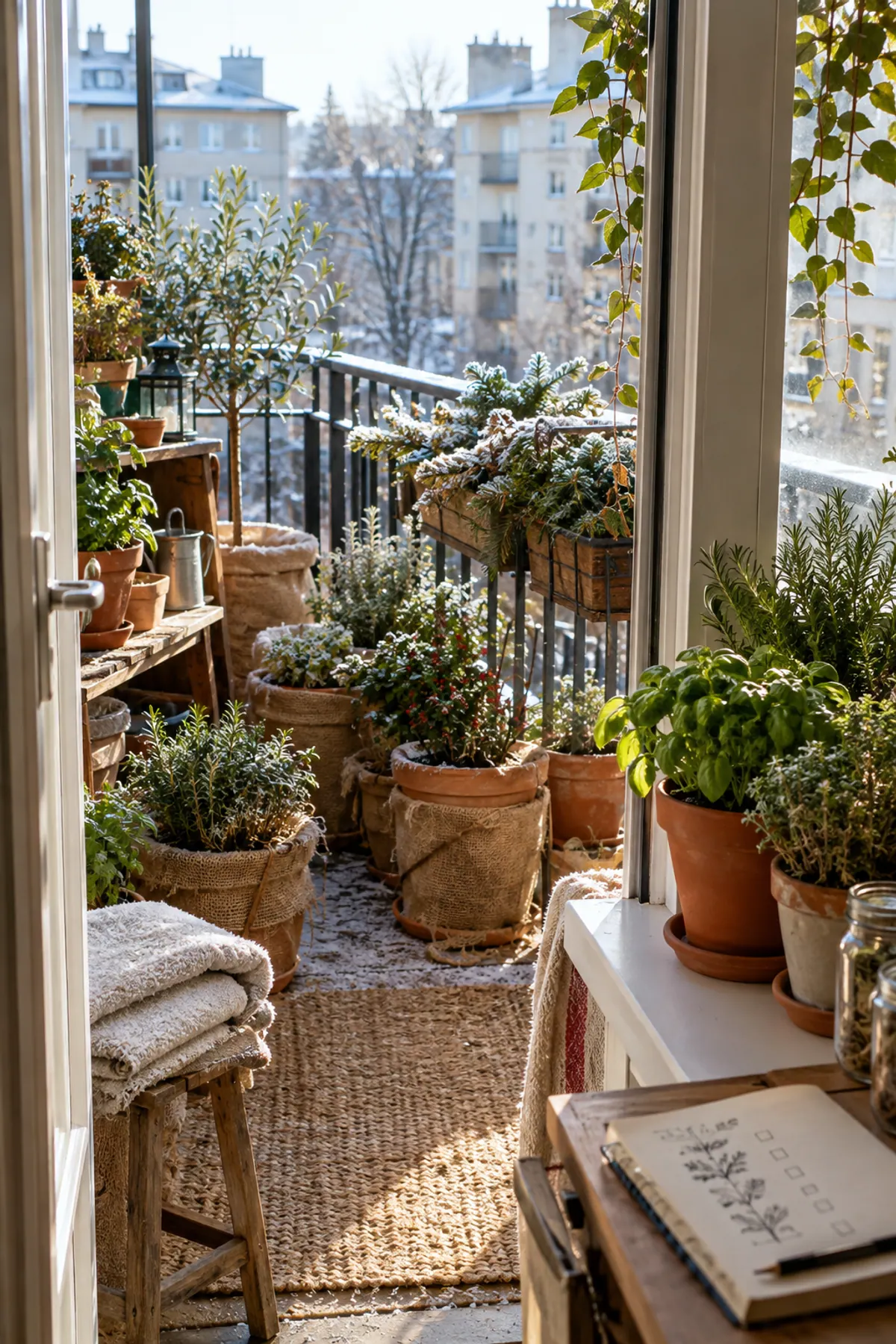
Group and wrap. Cluster hardy pots tight against the house wall and wrap the sides in burlap or bubble wrap. The pots shelter each other and the wall gives back a little warmth.
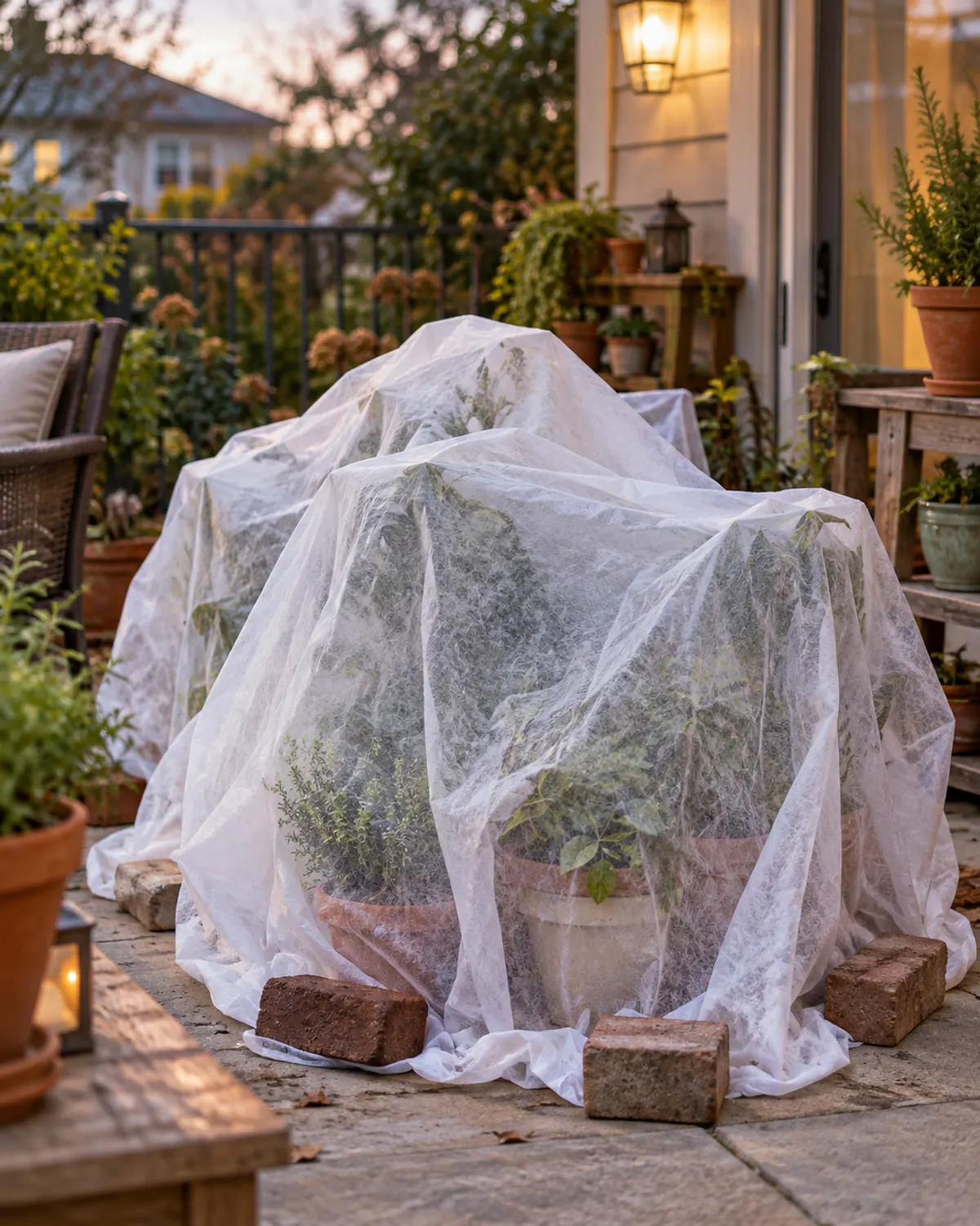
Cover on the coldest nights. Drape frost cloth over the group and weigh the edges down with bricks. Take it off on sunny days so plants do not overheat.
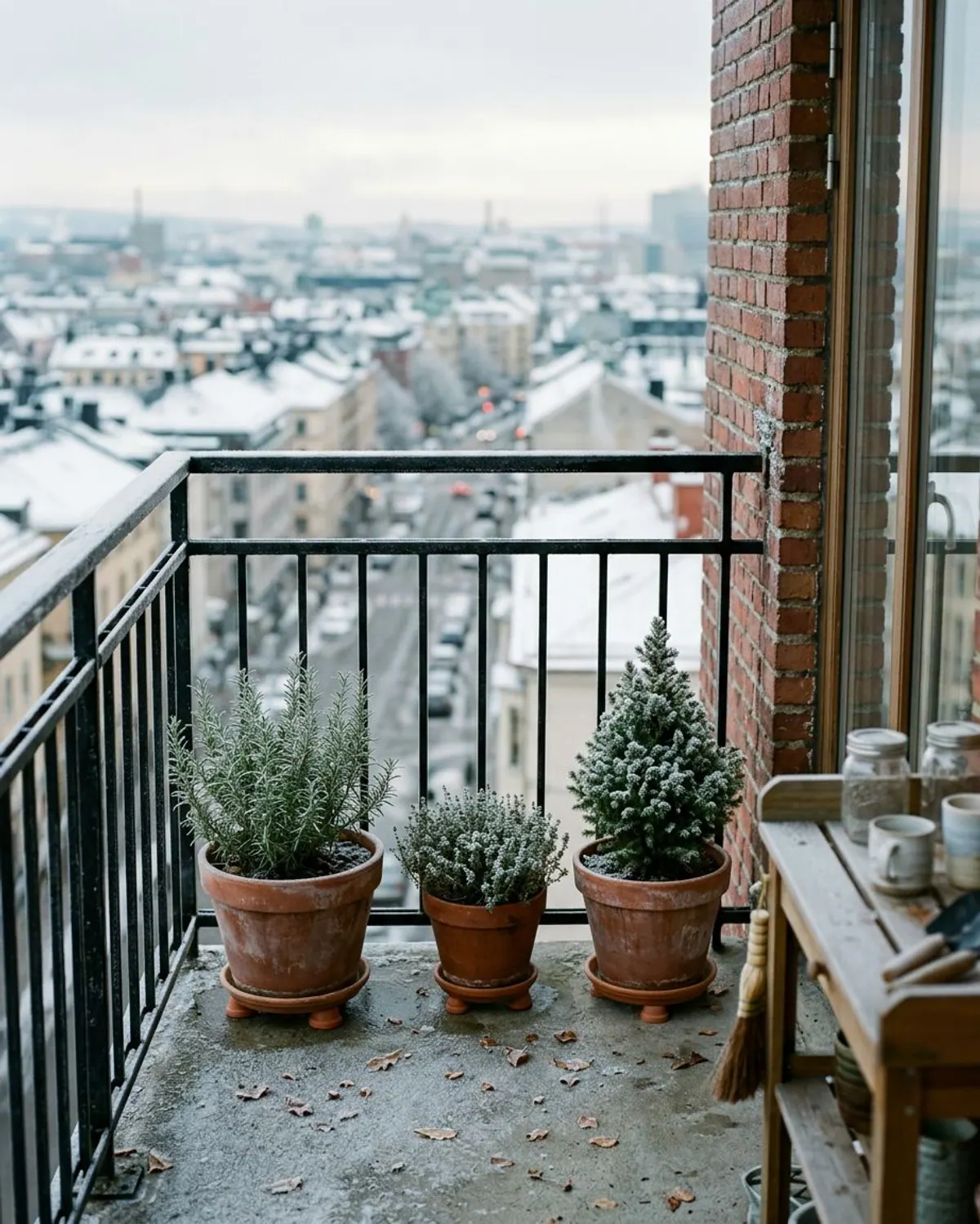
Raise and drain. Set pots on pot feet so water can escape. A pot that sits in a puddle and freezes solid is the one that cracks.
Water on mild days. Evergreens and potted herbs still lose water on windy, sunny days. When the soil is thawed, water in the morning so it soaks in before night. More ideas are in our winter garden ideas for small spaces.
Keep indoor herbs alive in dry, heated air
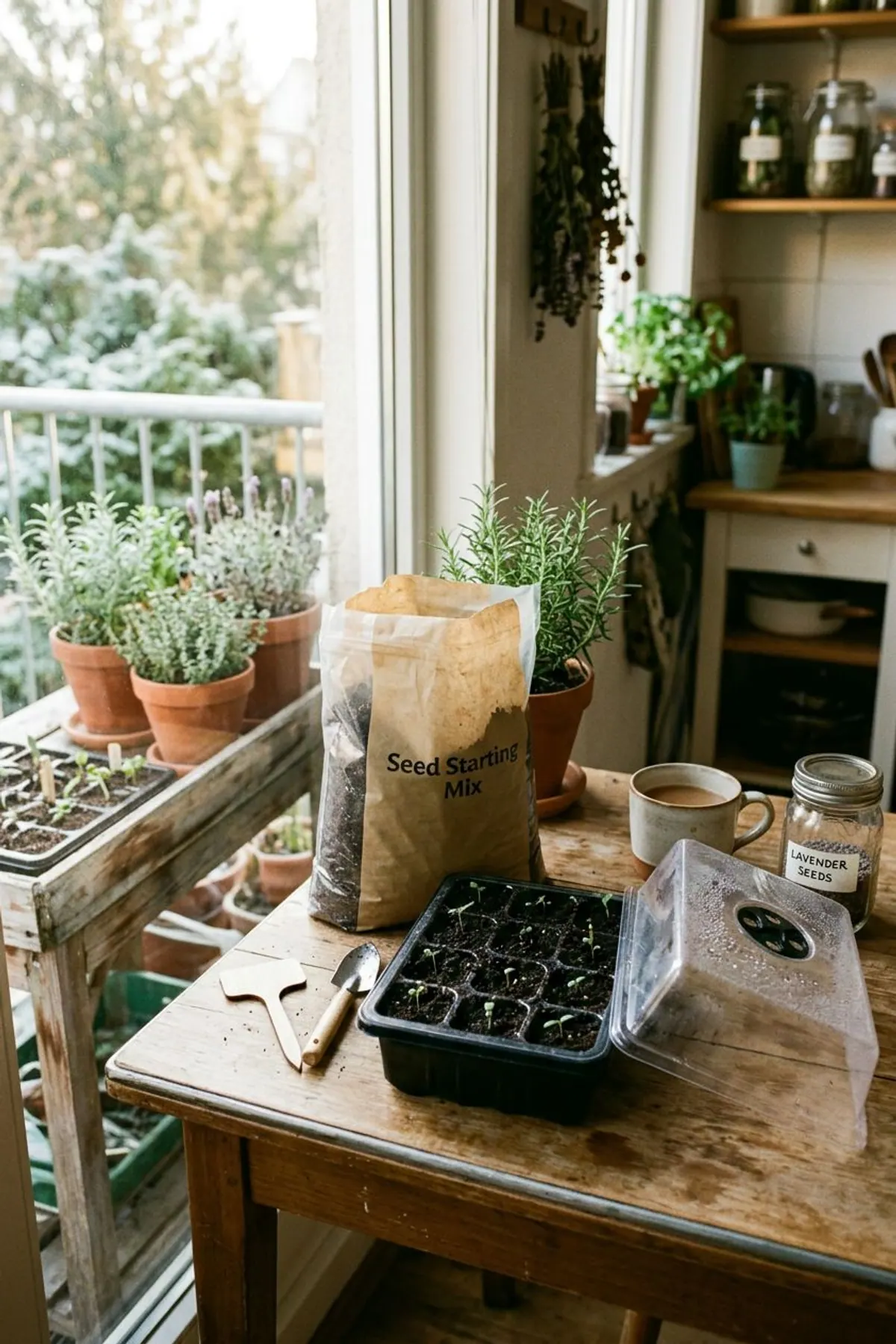
January is the hardest month for windowsill herbs: the days are short, the heat is on and the air is dry. Texas A&M AgriLife's January checklist for Austin gives the same advice for houseplants: raise humidity, rotate plants, keep them off cold windows and do not fertilize until you see new growth.
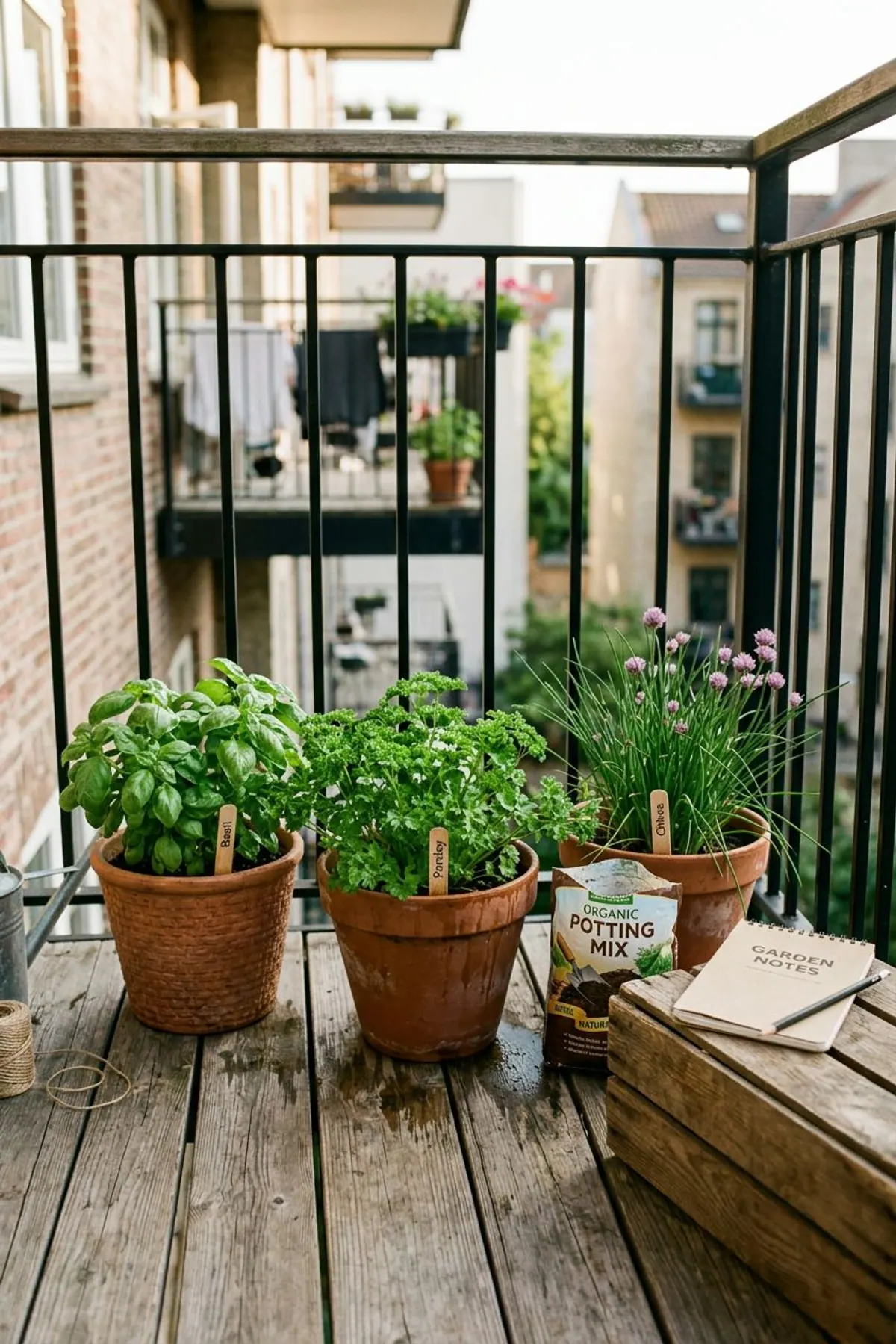
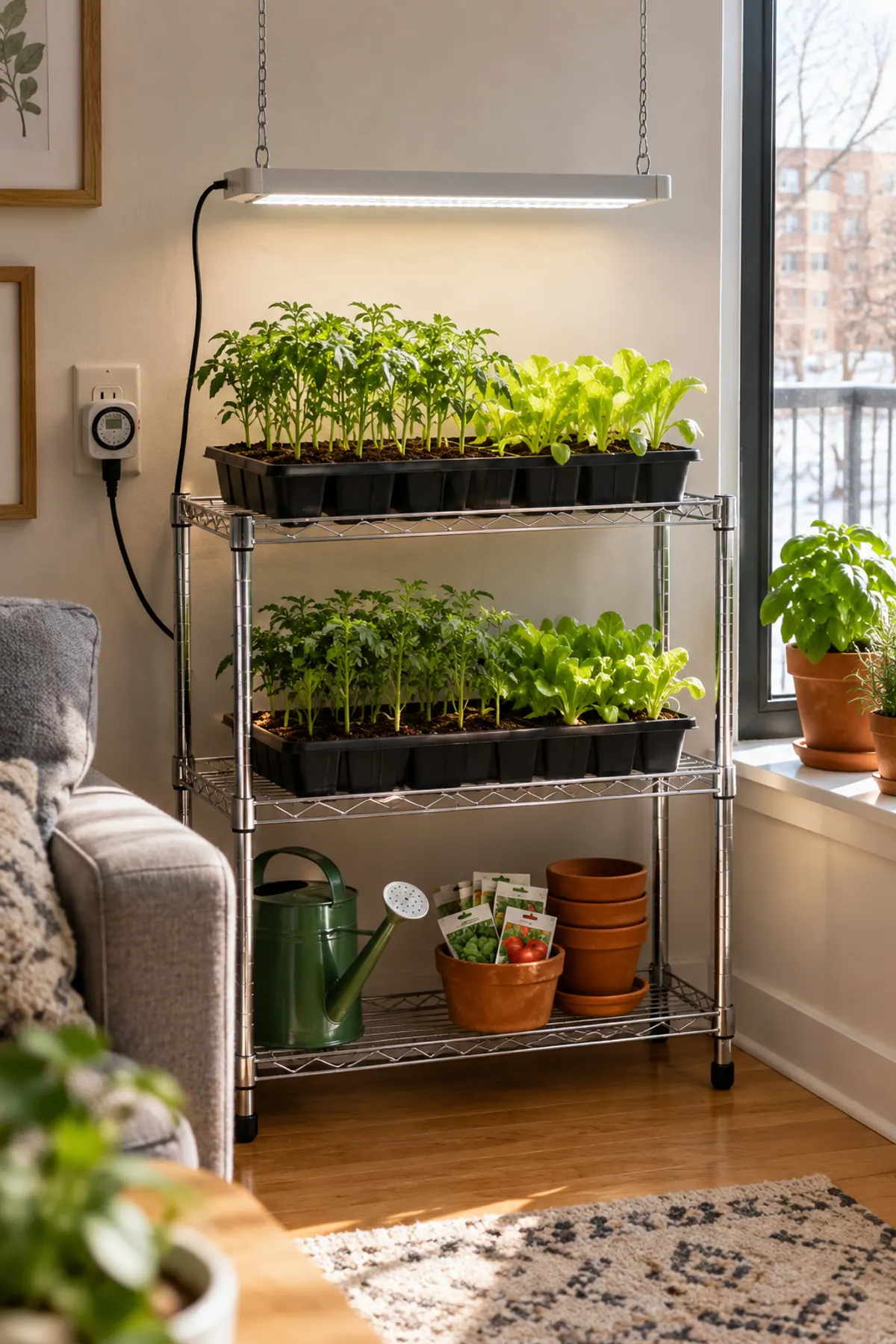
Light. Give herbs your brightest window or a grow light for 12 to 16 hours a day. Leggy, pale stems mean they need more.
Water. Push a finger into the mix and water only when the top inch is dry. Herbs drink far less in January, and soggy roots are the most common winter loss.
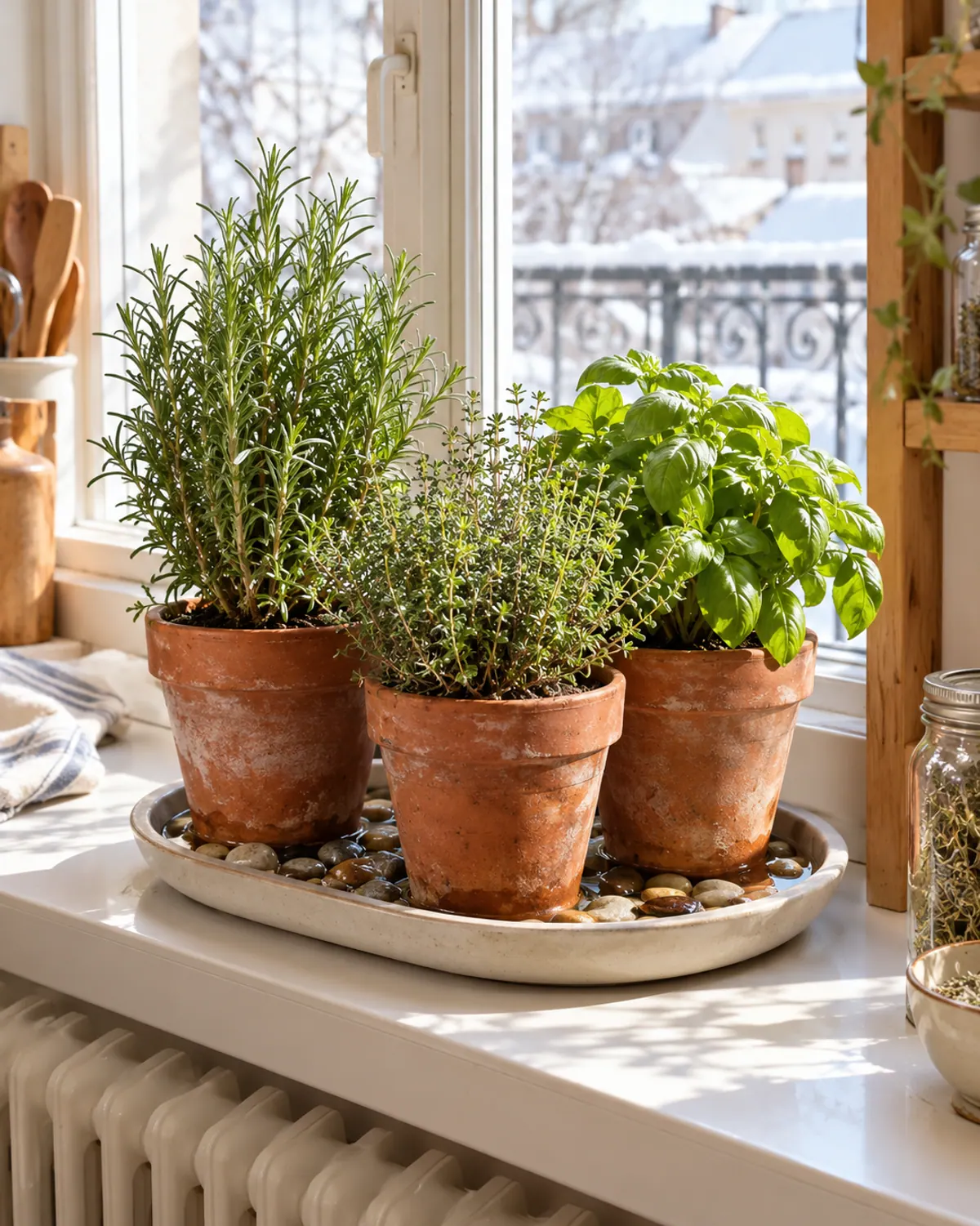
Humidity. Set pots on a tray of pebbles with water below the top of the stones, and keep them away from heat vents and radiators that blow directly on leaves.
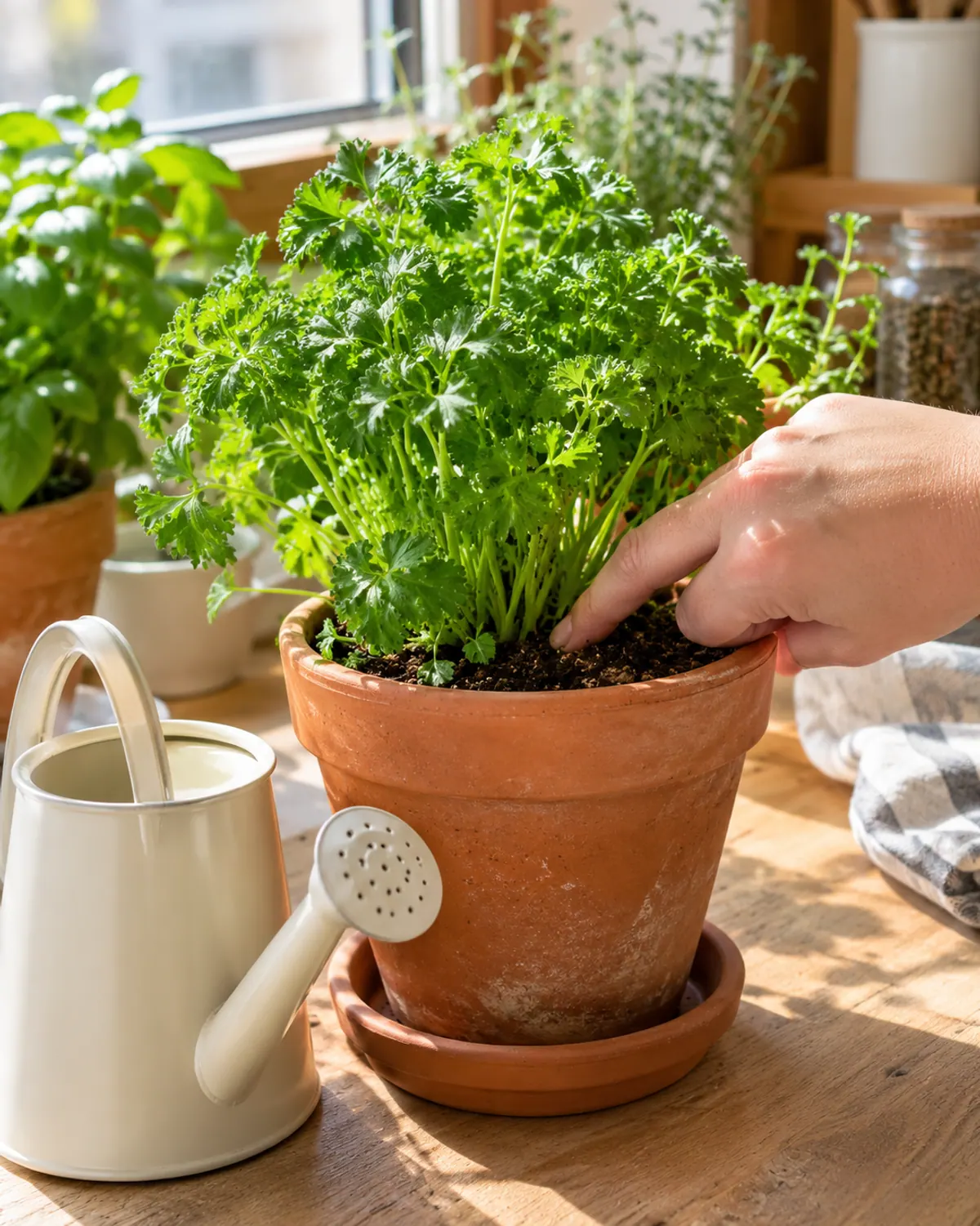
Rotate. Turn each pot a quarter turn every week so the plant grows evenly instead of leaning toward the glass.
Cold glass. On freezing nights, slide pots a few inches back from the window or close the curtain behind them. Basil especially dislikes cold drafts.
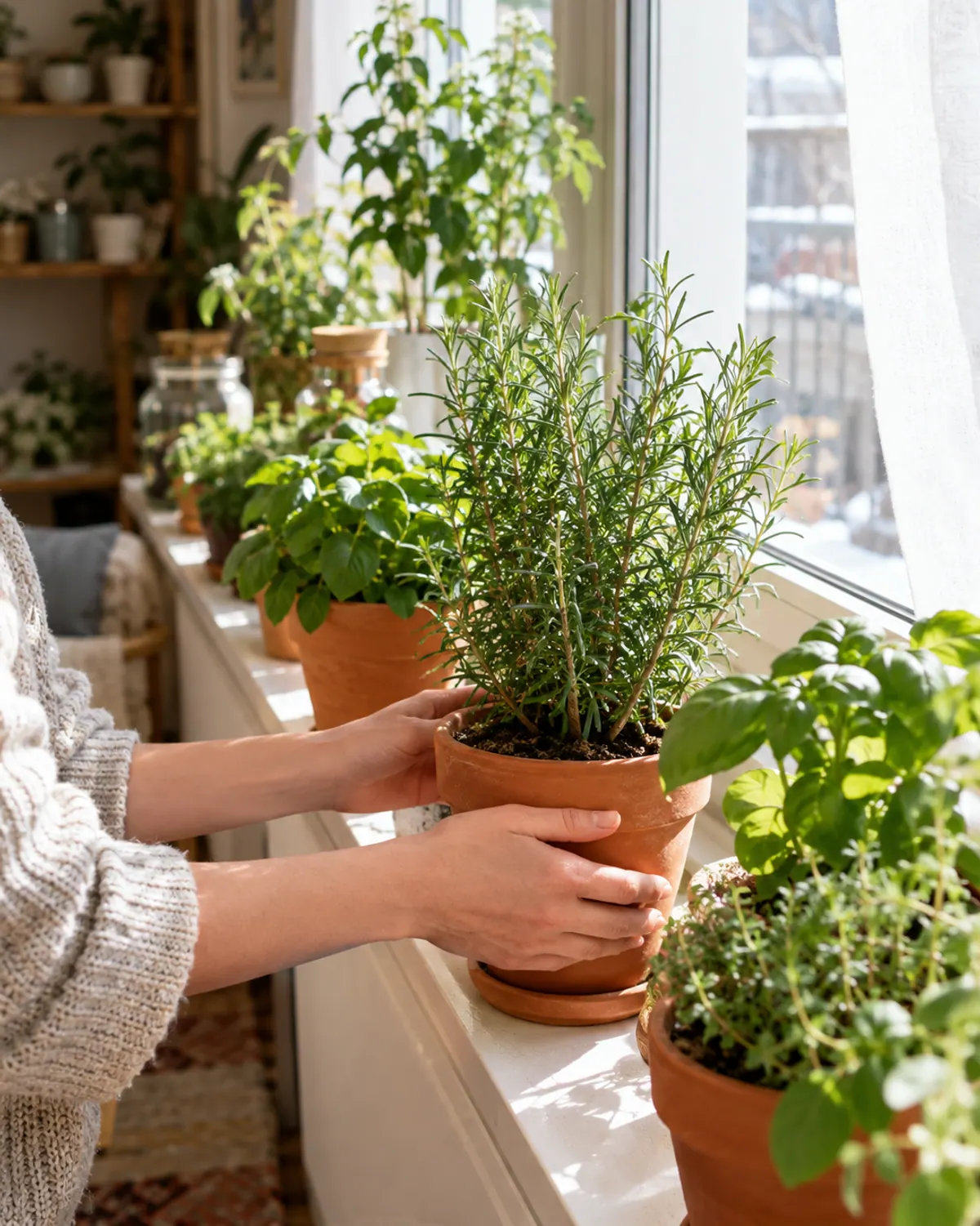
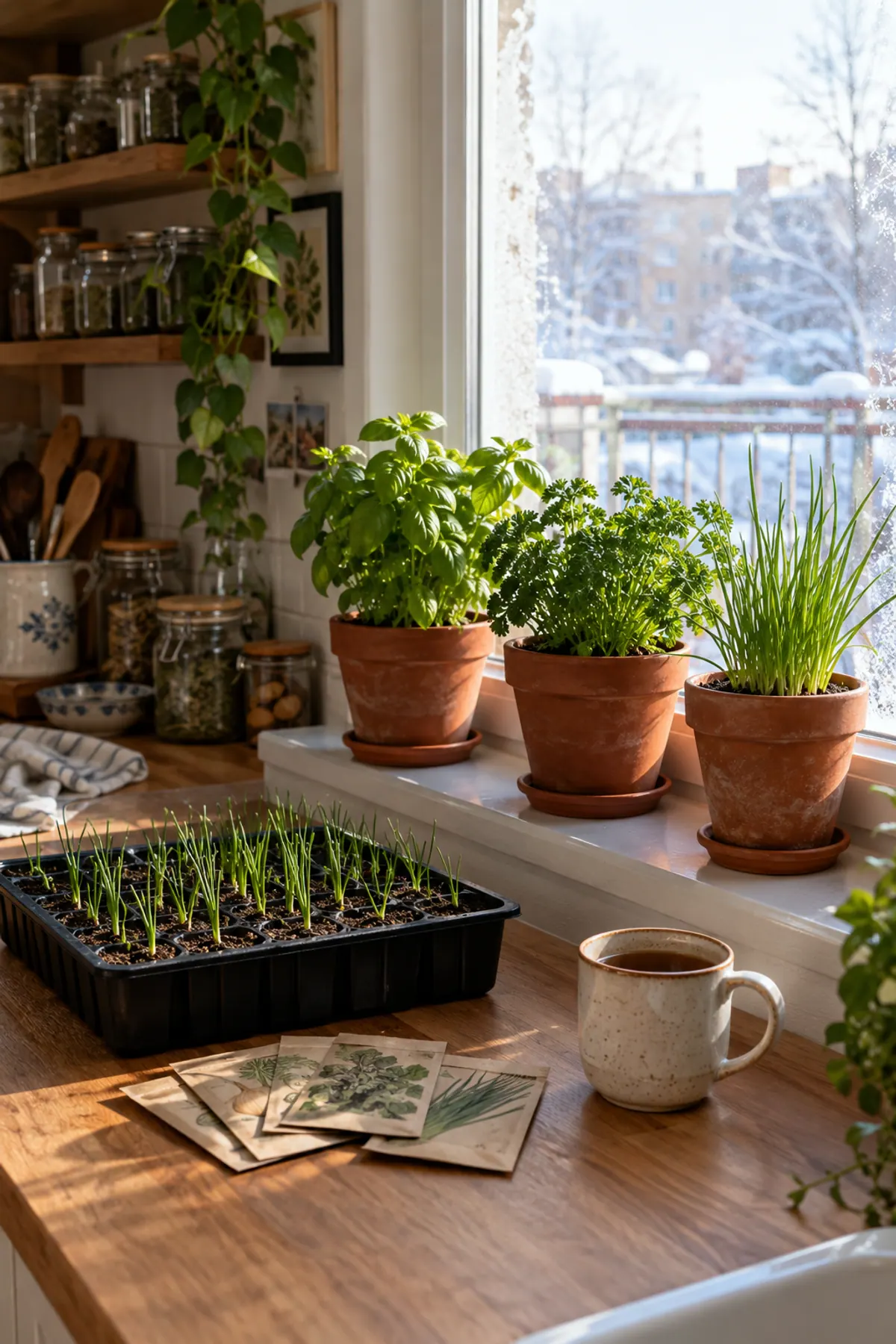
For the full winter routine by herb, see our basil care guide and winter houseplant care tips. The Indoor Winter Herb Garden Kit has a window chooser, a light table for 10 herbs, a humidity and heat-vent checklist and a 12-week care log.
Clean, sharpen and plan for spring
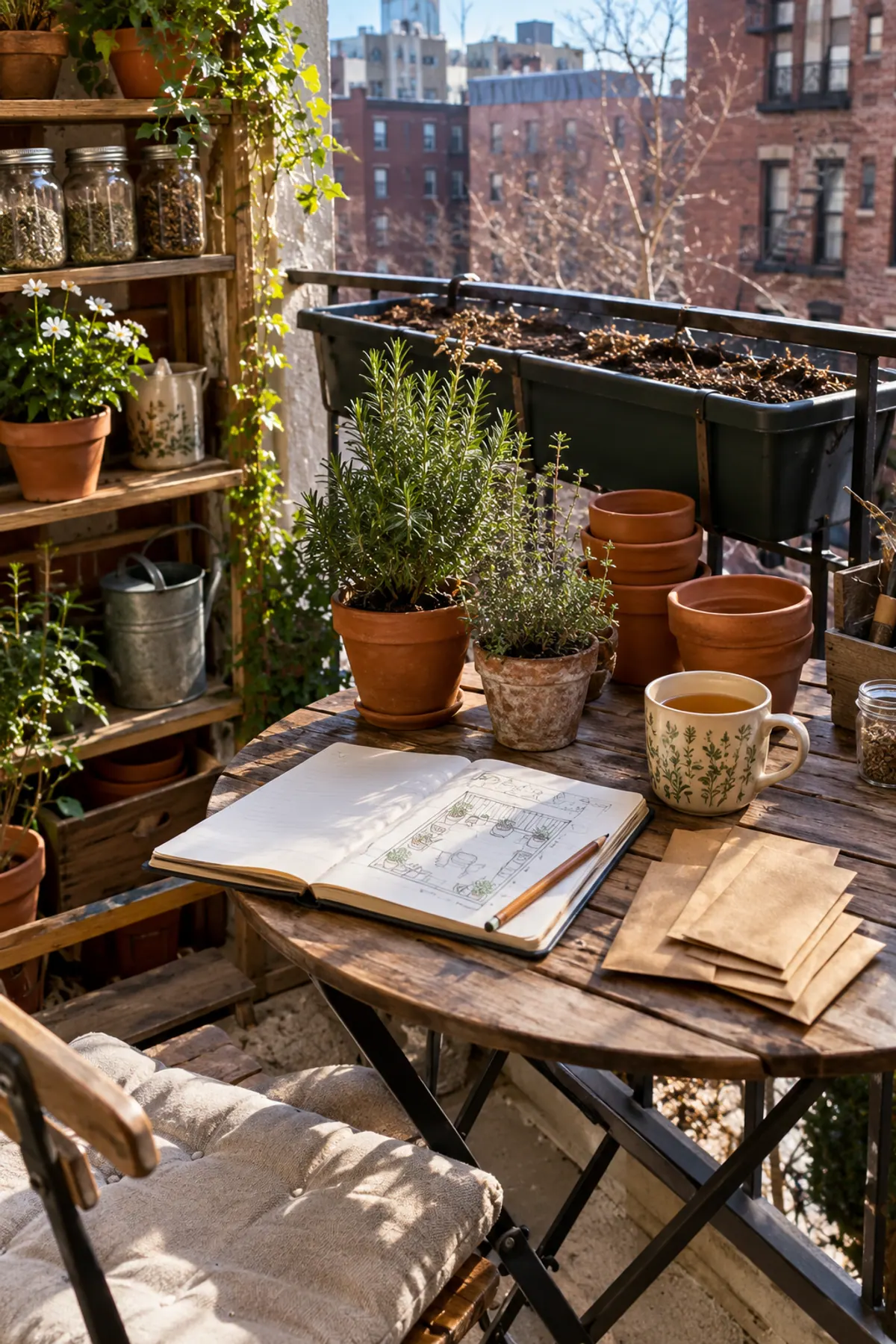
January is the quiet month to get ready. A tidy set of pots and tools now means you can plant the first warm weekend instead of scrubbing.
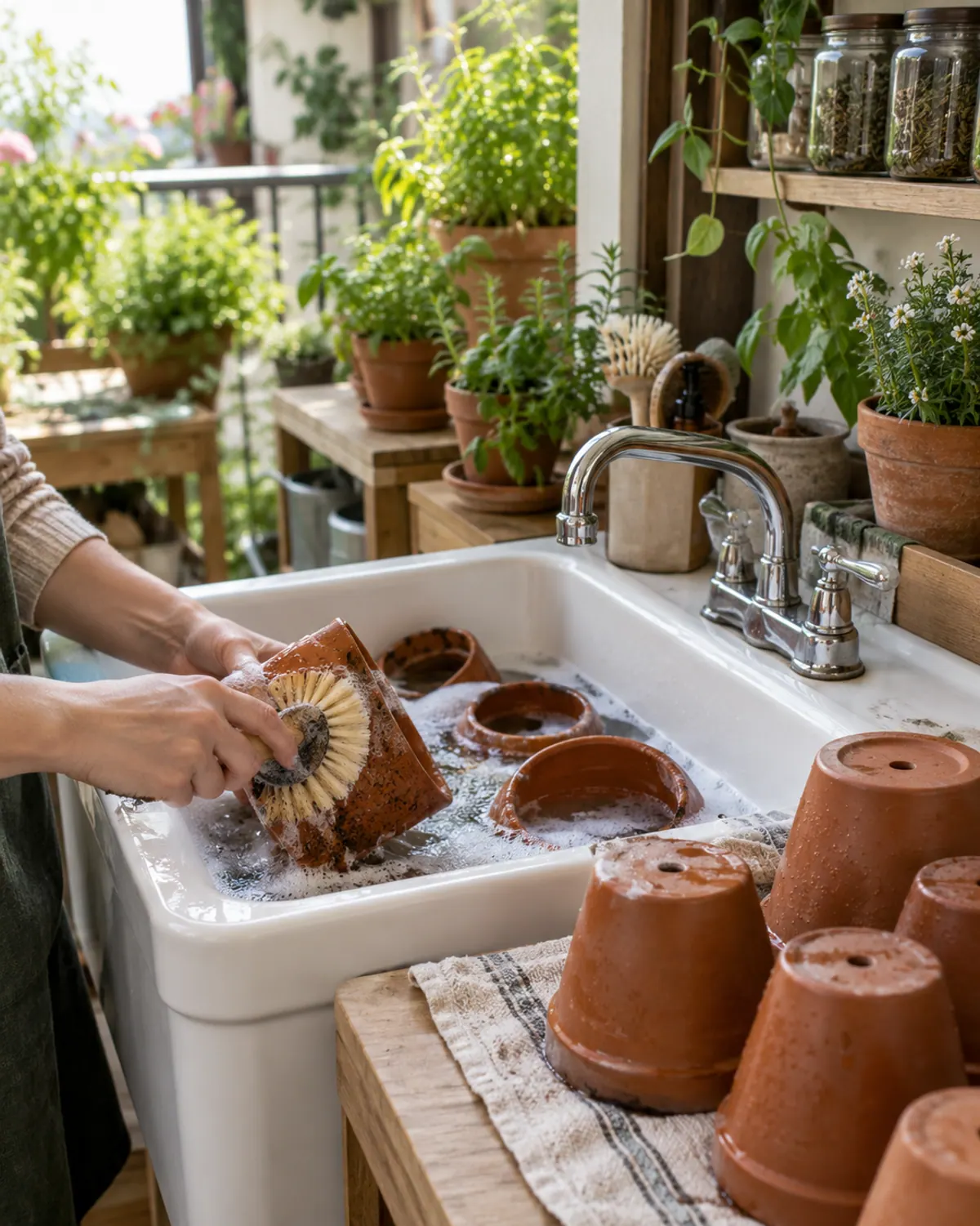
Pots. Knock out old soil, scrub pots in soapy water and let them dry. Many extension services suggest a rinse in 1 part household bleach to 9 parts water for pots that held a sick plant.
Tools. Wipe pruners and snips clean, sharpen the blade with a stone and add a drop of oil to the pivot.
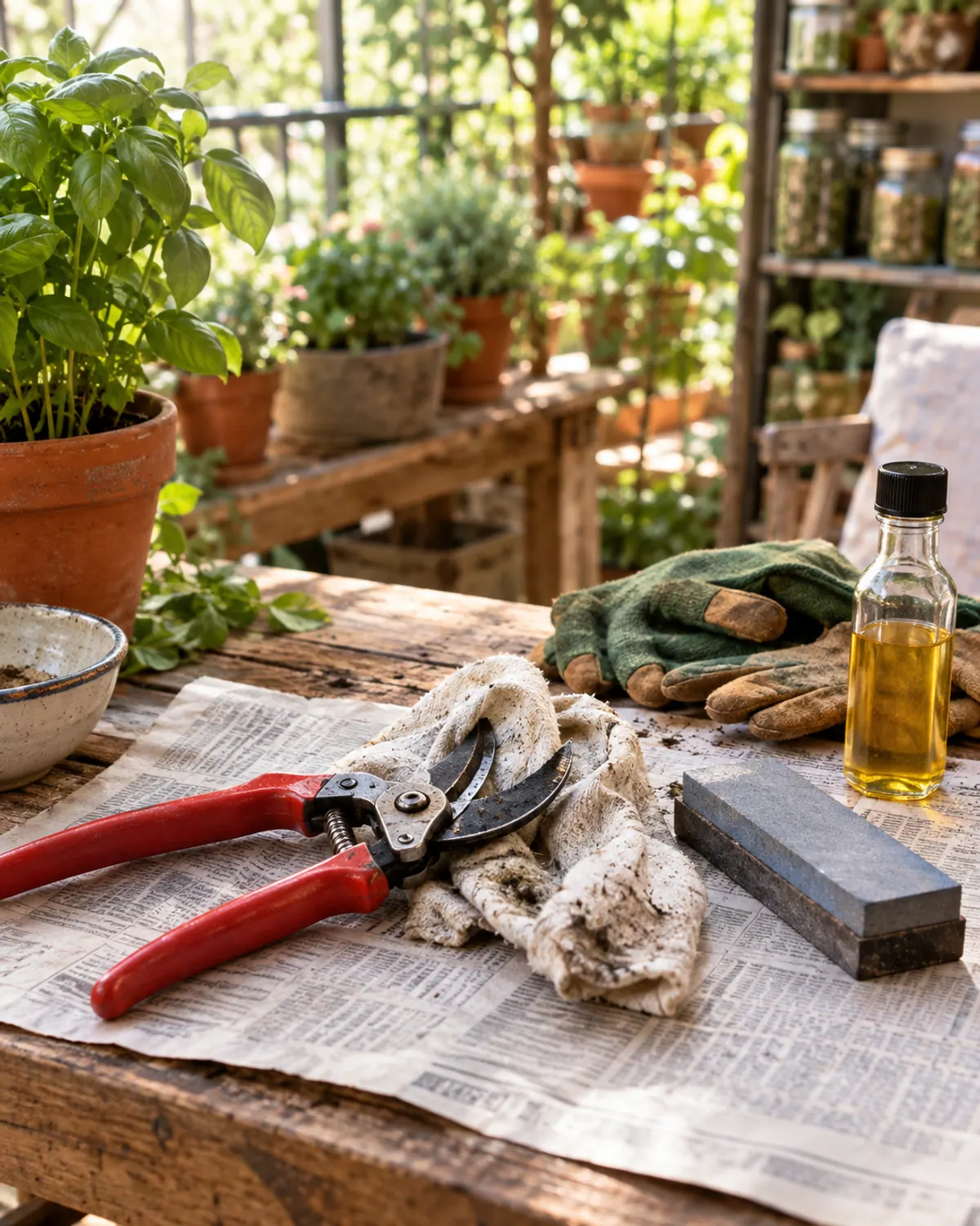
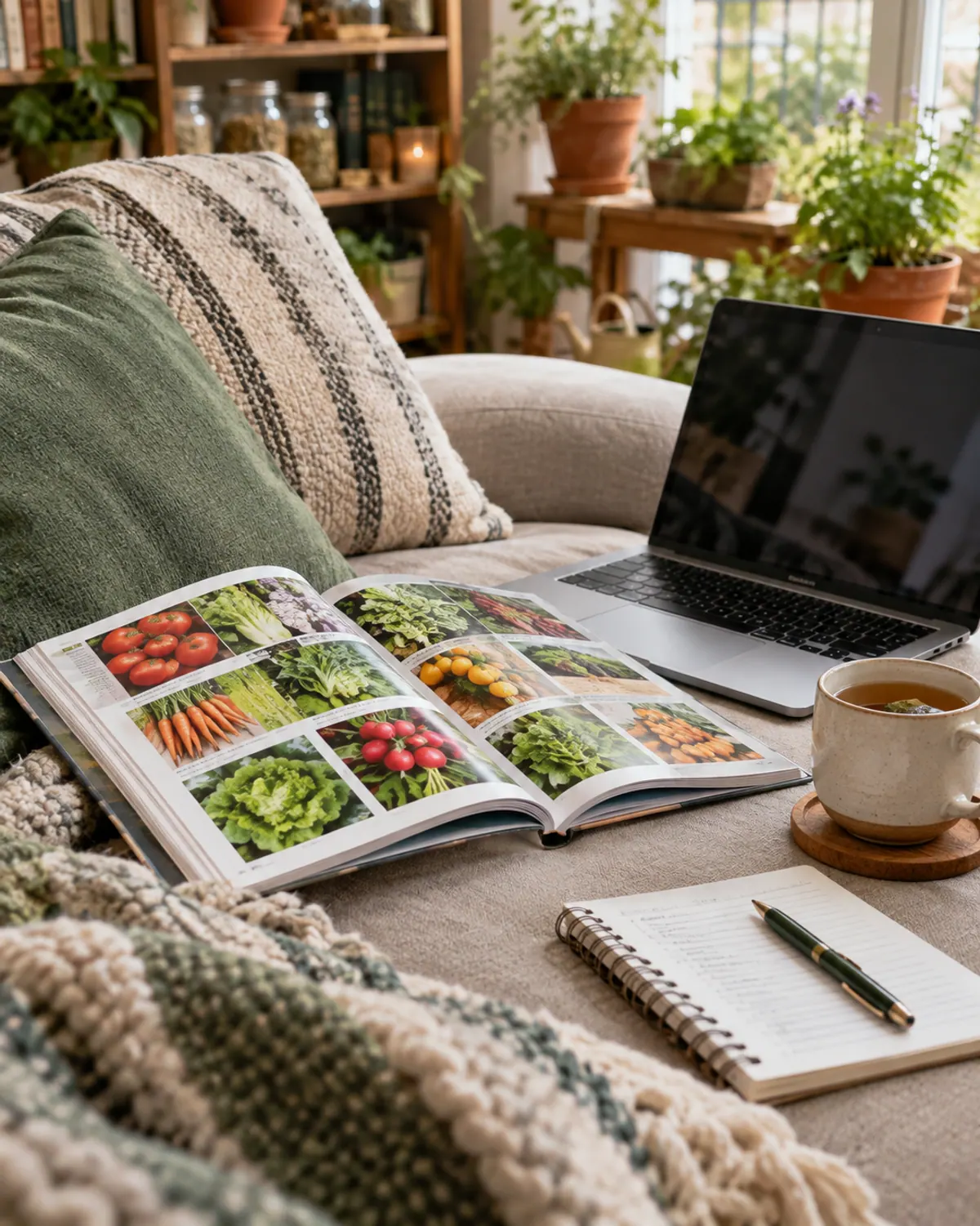
Seeds. Order seed for container varieties now, before favorites sell out. Look for words like compact, patio, dwarf or bush on the packet.
Sun map. Note when direct sun reaches your balcony or patio and when it leaves. Fruiting crops want 6 to 8 hours; leafy greens and many herbs manage with less.
Order your seed in four steps
-
Step 1: Check what you already own
Pull out last year's packets. The seed shelf-life chart shows how long each herb and vegetable keeps, so you only reorder what has run out.
-
Step 2: Count back from your frost date
Use the seed starting calendar by zone to find each crop's sowing week, then list only the crops you can sow in the next 8 weeks.
-
Step 3: Pick container varieties
Look for compact, patio, dwarf or bush on the packet, and match the pot to the crop with the pot size chart.
-
Step 4: Price the list, then order
Add up packets, mix and pots before you buy. The Seed Starting Planner ($7) has a seed inventory page and a 10-seed germination test for the old packets.
Mild zones: plant, mulch and cut back
In zones 9 and 10, January is a working month outside. Plant cool-season crops in pots now so they mature before the heat, and top pots with an inch or two of mulch to keep moisture even.
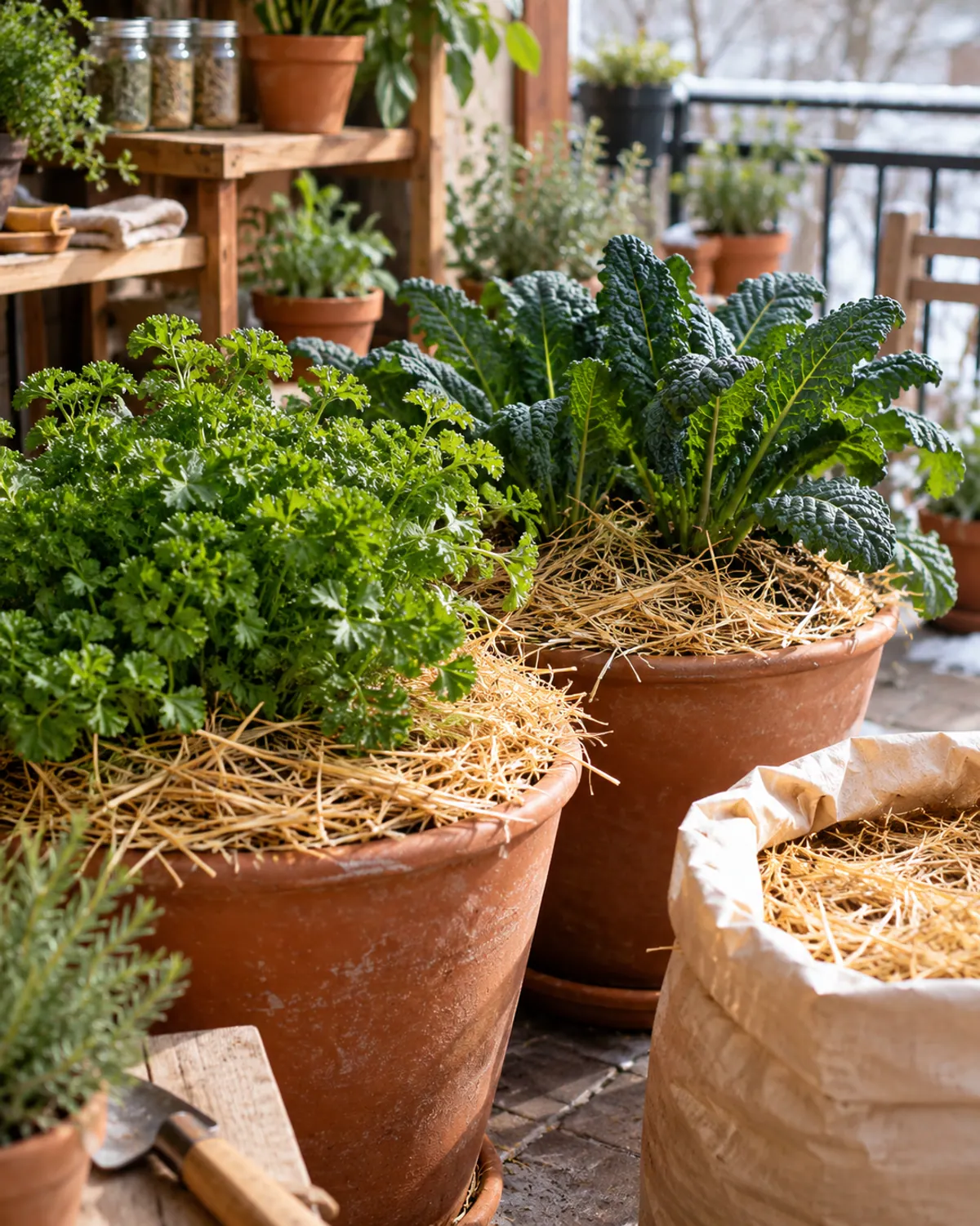
Texas A&M AgriLife's Austin calendar suggests cutting perennials back to 2 to 4 inches and ornamental grasses to 6 to 10 inches in January, and planting bare-root roses, shrubs and fruit trees. In a small space, that means one large container and a dwarf variety.
Pets and safety notes
Per the ASPCA, basil, rosemary and thyme are non-toxic to cats and dogs, while chives, parsley, mint, oregano and lavender are on its toxic list. Keep those windowsill pots out of reach.
Pets: if a pet chews a plant, call your vet or the ASPCA Animal Poison Control Center at (888) 426-4435.
Health: herb notes here are for growing and cooking, not medical advice. If you are pregnant, nursing or take medication, ask your doctor before using herbs beyond normal cooking amounts.
Shop January garden checklist supplies
- Start here
Frost cloth roll
Typically $6 to $14
Covers a group of pots on the coldest nights.
Check price on Amazon for Frost cloth roll -
Terracotta pot feet
Typically $10 to $20
Lifts pots so they drain and do not freeze to the floor.
Check price on Amazon for Terracotta pot feet -
Burlap roll
Typically $8 to $15
Wraps pot sides on a windy balcony.
Check price on Amazon for Burlap roll -
Humidity pebble tray
Typically $10 to $20
Adds moisture around windowsill herbs.
Check price on Amazon for Humidity pebble tray -
Pruner sharpening tool
Typically $8 to $15
Keeps snips cutting cleanly.
Check price on Amazon for Pruner sharpening tool
Frequently asked questions
What should I do in the garden in January?
Protect outdoor pots from freezing, water them on mild days, keep indoor herbs in bright light with less water, clean and sharpen tools, scrub pots and order seed. In zones 9 and 10, plant cool-season crops in containers.
Should I water potted plants in winter?
Yes, when the soil is not frozen. Water on a mild morning so it soaks in before night, and make sure the pot drains. Evergreens and herbs in pots still lose water on sunny, windy days.
Should I fertilize indoor herbs in January?
Usually not. Texas A&M AgriLife advises holding off on fertilizer for houseplants until they show new growth. Most windowsill herbs grow slowly in January light.
What can I start indoors in January?
In zones 7 and 8, onions, leeks and celery 10 to 12 weeks before last frost, and peppers late in the month in zone 8. In any zone, microgreens, chives and parsley grow on a windowsill.
Is there a January garden checklist for zone 6?
In zone 6, keep pots grouped, wrapped and covered on the coldest nights, water on mild days, care for indoor herbs, winter sow hardy seeds in milk jugs late in the month and plan seed start dates.

Save it for later
Pin this to your Seasonal Garden Tasks board so it's there when you need it.
Save to Pinterest